If there’s one dish that embodies the rich flavors and vibrant traditions of Lucban, Quezon, it’s Pancit Habhab. This unique noodle dish is unlike any other pancit variety in the Philippines. It’s simple yet bursting with flavor, served on a banana leaf, and eaten without utensils. Thanks to Buddy’s Restaurant, Pancit Habhab has found its way from the bustling streets of Lucban to Metro Manila, bringing a taste of heritage to a wider audience. But what makes it so special? Let’s dive in!
A Bite of History: The Origins of Pancit Habhab
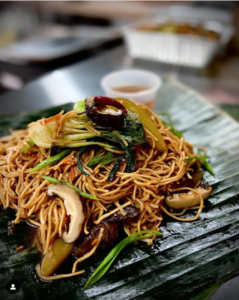
Photo from Instagram kuyalord_la
Pancit Habhab has been a staple in Lucban’s street food culture for decades. Traditionally sold by street vendors, this noodle dish was designed for quick, affordable, and satisfying meals. What makes it truly unique is how it’s eaten—no forks, no chopsticks, just a banana leaf and your mouth!
Its key ingredient is Miki Lucban, a special kind of fresh egg noodle that gives the dish its distinct texture. Unlike other pancit dishes, it’s cooked without sauce, instead relying on the flavors of sautéed pork, vegetables, and a splash of vinegar to enhance its taste. The result? A deliciously balanced mix of savory and tangy goodness!
A Festival on a Plate: The Cultural Ties of Pancit Habhab
Pancit Habhab is deeply rooted in Lucban’s traditions, particularly during the Pahiyas Festival, a vibrant celebration honoring San Isidro Labrador, the patron saint of farmers. During the festival, locals serve and enjoy Pancit Habhab along with other delicacies as a tribute to the town’s agricultural abundance.
Beyond its festival fame, the dish also represents sustainability and local sourcing. Lucban is known for its fresh produce, and many of the ingredients used in Pancit Habhab—like vegetables and pork—are sourced directly from nearby farms, making it an eco-conscious and community-supported meal.
Slurp and Savor: A Flavorful Experience
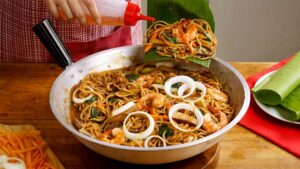
Photo from Maggi Philippines
What does Pancit Habhab taste like? Imagine a perfect balance of umami, saltiness, and a slight tang from the vinegar. The noodles are slightly chewy, absorbing the flavors of garlic, onions, and meat, while the crisp vegetables add texture.
To complete the experience, many pair it with Longganisang Lucban, a garlicky, slightly sour sausage that complements the dish’s rich flavors. Wash it down with cold soda or freshly brewed pandan tea, and you’ve got yourself an authentic Lucban feast!
Buddy’s: The Pancit Habhab Ambassador
Buddy’s Restaurant started as a humble eatery in Lucban, Quezon, serving locals with their well-loved Pancit Habhab. Over the years, its popularity grew, and soon, Buddy’s expanded to Metro Manila, bringing the taste of Lucban to city dwellers.
What makes Buddy’s stand out? Authenticity and consistency. Their Pancit Habhab stays true to its Lucban roots, using traditional Miki Lucban noodles and maintaining the signature banana leaf presentation.
What Makes Buddy’s Pancit Habhab Extra Special?

Photo from instaferdzb
Buddy’s takes this classic dish up a notch by ensuring high-quality ingredients, a consistent cooking process, and a fun presentation. Unlike street versions, their Pancit Habhab is served with generous toppings like sautéed pork, vegetables, and sometimes even shrimp, making it a more filling and indulgent treat. What makes Buddy’s Pancit Habhab truly stand out is its authenticity and attention to detail. The noodles are cooked to the perfect texture—not too soft, not too firm—allowing them to absorb all the rich flavors. The vinegar served alongside is specially selected to enhance the dish’s natural savoriness without overpowering it.
For the ultimate Buddy’s experience, pair your Pancit Habhab with Lucban Longganisa—the garlicky, slightly tangy sausage that balances out the flavors perfectly. Add a cold glass of calamansi juice or sago’t gulaman to refresh your palate. And if you’re dining with friends or family, consider ordering a Bilao Feast, which includes Pancit Habhab and other Lucban specialties, making for a truly satisfying meal!
Buddy’s Restaurant: A Taste of Lucban Wherever You Are
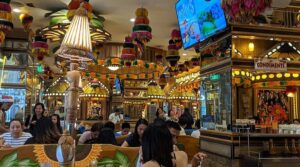
Photo from Buddy’s Restaurant Facebook Page
Walking into Buddy’s is like stepping into a festival of colors. The restaurant’s interiors are inspired by the Pahiyas Festival, with bright decorations, intricate patterns, and a lively atmosphere that instantly transports you to Lucban, Quezon. Vibrant kiping (leaf-shaped rice decorations) hang from the ceiling, and colorful murals celebrate the town’s rich culture. The ambiance is warm, festive, and welcoming, making every meal feel like a celebration.
Beyond the décor, Buddy’s is known for its friendly and efficient customer service. Staff members are attentive and always ready to recommend dishes or share a bit of Lucban’s history. Whether you’re a first-time visitor or a regular, you’re greeted with a smile and a sense of home. And the best part? The prices are budget-friendly! You get generous portions of high-quality food at an affordable cost, making it a great spot for family gatherings, celebrations, or casual meals.
Other Dishes to Try at Buddy’s Restaurant
| Dish | Description |
| Lucban Longganisa | A garlicky, slightly tangy sausage that pairs perfectly with garlic rice. |
| Hardinera | A unique Lucban-style meatloaf made with pork, eggs, and vegetables. |
| Chami Lucban | A stir-fried noodle dish with a rich, slightly sweet and savory sauce. |
| Kare-Kare | A peanut-based stew with tender beef and vegetables, served with bagoong (shrimp paste). |
| Embotido | A Filipino-style meat roll, packed with flavor and perfect for celebrations. |
| Pancit Canton | A classic noodle dish loaded with meat, seafood, and vegetables. |
Whether you’re indulging in Pancit Habhab or trying any of these other delicious dishes, Buddy’s offers a true taste of Lucban in every bite!
- Price Range: ₱₱ – ₱₱₱
- Address: 99 Rizal Avenue, corner San Luis, St, Lucban, Quezon
- Phone: +639988414867 // (042) 5403394
- Website: https://www.facebook.com/share/18cXzarJx6/
- Hours: Monday-Sunday 9:00 AM -10:00 PM
When is the Best Time to Enjoy Pancit Habhab?
Pancit Habhab is perfect for any occasion! Whether you’re celebrating a birthday, having a casual merienda, or looking for a comforting meal, this dish never disappoints.
If you want the ultimate experience, visit Lucban during the Pahiyas Festival in May, where you’ll see locals enjoying Pancit Habhab in its most festive form. The streets are lined with stalls serving it fresh off the pan!
Bring the Taste of Lucban to Your Kitchen
Want to bring the flavors of Lucban to your own kitchen? Here’s a simple yet flavorful way to cook Pancit Habhab at home:
Ingredients:
- 2 tbsp cooking oil
- 3 cloves garlic, minced
- 1 small onion, sliced
- ¼ kg pork, thinly sliced
- 1 cup cabbage, shredded
- 1 small carrot, julienned
- 2 cups Miki Lucban noodles
- ¼ cup soy sauce
- ½ tsp ground pepper
- ½ cup water
- Vinegar (for serving)
- Banana leaves (for serving, optional)
Cooking Instructions:
- Sauté the aromatics – Heat oil in a pan over medium heat. Add garlic and onions, then sauté until fragrant and slightly golden.
- Cook the pork – Add the sliced pork and cook until browned and slightly crispy.
- Toss in the vegetables – Stir in the shredded cabbage and julienned carrots, cooking for about 2 minutes until slightly tender but still crisp.
- Add the noodles – Mix in the Miki Lucban noodles and pour in the soy sauce, ground pepper, and water. Stir well to evenly distribute the flavors. Cook for about 3-5 minutes, ensuring the noodles are well-coated and tender.
- Serve the traditional way – Place a serving of Pancit Habhab on a banana leaf. Enjoy it without utensils, lifting the leaf to your mouth and letting the noodles slide in.
- Elevate the flavor – For an authentic taste, drizzle with vinegar before eating. Pair it with Lucban Longganisa or crispy pork for an even more satisfying meal!
This homemade Pancit Habhab is easy to prepare and brings a taste of Quezon’s rich culinary heritage straight to your table!
The Final Bite: Visit Buddy’s for a True Lucban Feast!

Photo from Buddy’s Restaurant Facebook Page
Picture the warmth of Lucban—lively streets, the chatter of locals, and the comforting aroma of a meal shared with family. More than just a dish, Pancit Habhab is a way of life, a symbol of togetherness, and a reminder of simple joys. It carries the heart of a town that values tradition, community, and the beauty of slowing down to savor every bite.
At Buddy’s, this experience is brought to life. Every plate tells a story of homegrown flavors, lovingly prepared and generously served. The vibrant ambiance mirrors the festive spirit of Lucban, making every visit feel like a celebration. It’s not just about eating—it’s about reconnecting with culture, appreciating heritage, and sharing in a tradition that has been passed down for generations. So, why not be part of the story? Visit Buddy’s, grab a banana leaf, and experience the heart of Lucban with every bite.
Frequently Asked Questions (FAQ)
Why is it called Pancit Habhab?
The term “habhab” means to eat with gusto or to slurp, which perfectly describes the way this dish is traditionally enjoyed—straight from the banana leaf, no forks or spoons needed!
How is Buddy’s Pancit Habhab different from the traditional version?
Buddy’s elevates the dish by using high-quality ingredients, generous toppings, and a consistent cooking method. Unlike the street version, Buddy’s Pancit Habhab comes with more pork, vegetables, and sometimes shrimp, making it more indulgent.
Is Pancit Habhab healthy?
Yes! Pancit Habhab is made with fresh vegetables, lean pork, and vinegar, which is a natural flavor enhancer. The dish is relatively light since it doesn’t use heavy sauces like soy sauce or oyster sauce.
Do I have to eat Pancit Habhab without utensils?
While the traditional way is to eat straight from the banana leaf, you can still use a fork if you prefer. However, eating it the authentic way adds to the fun and cultural experience!
What’s the best drink to pair with Pancit Habhab?
A cold glass of Sago’t Gulaman (sweet tapioca and jelly drink) or fresh coconut juice complements the flavors well. If you like a tangy contrast, calamansi juice is a great choice.
Can vegetarians eat Pancit Habhab?
Yes! You can make a vegetarian version by skipping the pork and using tofu or mushrooms instead. Just make sure to use vegetable broth for added depth of flavor.