Standing proudly at the entrance to Kyoto’s storied Gion district, Minami-za Theatre beckons with the quiet grandeur of a bygone era. Its sweeping gabled roof, ornate lanterns, and finely carved wooden façade instantly transport you into the heart of traditional Japan. The building itself feels like a stage—rich with character, charm, and the echoes of countless performances. As you draw closer, the scent of aged timber mingles with the gentle buzz of anticipation, setting the tone for something truly timeless.
Minami-za is your doorway into the soul of Japanese theater. Watching a kabuki performance here is not simply entertainment—it’s an unforgettable journey through time, tradition, and emotion. The moment the curtain rises, you’re swept into a world of bold makeup, vibrant costumes, and powerful storytelling that transcends language. Whether you’re a curious traveler or a culture lover, witnessing kabuki at Minami-za is a once-in-a-lifetime experience that leaves a lasting impression. It’s not just something to see—it’s something to feel.
Why Every Culture Lover Needs to Visit

Photo from https://www.obayashi.co.jp
For travelers eager to immerse themselves in authentic Japanese tradition, Minami-za offers a rare and enriching experience. Whether you’re already a kabuki enthusiast or entirely new to this dramatic world of stylized movement and elaborate costumes, this guide will walk you through everything you need to know—from its historical roots to how to buy tickets. Get ready to step into a world where art, tradition, and storytelling come alive.
A Glimpse into History
Step behind the curtain of time, and you’ll discover that Minami-za’s story is just as captivating as the performances it hosts.
From Humble Beginnings to Grand Stages
Minami-za was first established in 1610 during the early Edo period, right on the banks of the Kamo River. It was among the original seven licensed kabuki theaters in Kyoto, making it one of the earliest homes of this theatrical tradition. Over time, it gained popularity as kabuki itself evolved into a major form of entertainment for both commoners and aristocrats alike.
A Cultural Icon Through the Ages
Not just old, but iconic—Minami-za is one of the oldest kabuki theaters in Japan still standing. It played a key role in shaping kabuki into the distinct and dramatic art form it is today. When you sit in the audience here, you’re not just watching a performance—you’re part of a centuries-old story.
A Modern Touch to a Timeless Treasure
The theater has undergone several renovations, the most recent of which took place in 2018. These updates preserved its historical charm while enhancing comfort and safety with modern technology. Today, it seamlessly blends tradition with innovation—perfect for modern visitors wanting a smooth yet authentic experience.
Officially a Treasure Worth Keeping
Minami-za has been designated as a Tangible Cultural Property of Japan, recognizing its architectural beauty and historical value. This distinction ensures the theater receives protection and care, allowing future generations to continue enjoying its cultural significance.
What is Kabuki?

Photo from kabukiweb.net
Bold, beautiful, and bursting with drama—kabuki isn’t just theater, it’s an experience. This iconic Japanese performing art has mesmerized audiences for centuries with its powerful stage presence and stylized flair. Rooted in tradition yet timeless in appeal, kabuki blends storytelling, music, and dance into a mesmerizing spectacle. Before you step into Minami-za, it helps to understand the magic behind the curtain.
Theatrical Magic, Japanese Style
Kabuki is a traditional form of Japanese theater known for its dramatic storytelling, exaggerated movements, and intricate costumes. First performed in the early 1600s, it quickly became a popular form of entertainment for the masses. Each performance combines dance, music, and acting in a visual feast of culture.
| Key Element | Description |
| Stylized Acting | Kabuki acting is characterized by exaggerated movements and expressions, telling the story without words. Large, sweeping gestures convey emotions, creating a visually immersive experience. |
| Kumadori Makeup | Bold face paint that visually represents a character’s traits or emotions. Red typically signals a heroic character, while blue or black suggests antagonistic roles. |
| Elaborate Costumes | Rich, detailed garments that reflect a character’s role, personality, and social status. The costumes, including wigs and accessories, play a key role in establishing the character’s identity. |
| Live Music | Traditional instruments like the shamisen, drums, and flutes accompany the performance, amplifying the emotional intensity and guiding the audience through the drama. |
Minami-za: Kabuki’s Proud Guardian
Minami-za isn’t just a venue—it’s a kabuki guardian. It continues to host top performers and special seasonal shows, preserving this treasured art while introducing it to new audiences from around the world.
What Sets Kabuki Apart?

Photo from Inside Kyoto
Kabuki stands in stark contrast to other traditional Japanese theater forms like Noh and Bunraku. While Noh is known for its subtle, slow-moving elegance and Bunraku for its delicate puppet drama, kabuki is bold, colorful, and full of energy. The performances are characterized by exaggerated movements, vibrant costumes, and dynamic music, all designed to grab your attention and make every emotion larger than life. Kabuki actors often perform with dramatic gestures, conveying the story with a visual intensity that’s impossible to ignore.
What makes kabuki even more accessible to modern audiences is its visual storytelling and the availability of subtitle guides. You don’t need to understand Japanese to follow the plot—the drama unfolds through action, sound, and striking imagery. If Noh is a whisper, kabuki is a shout—boldly capturing every emotion with intensity. And at Minami-za, you won’t just watch kabuki, you’ll feel it—as it pulls you into a world of high drama and exhilarating performance.
Architecture & Interior Experience
From the moment you set eyes on it, Minami-za Theatre’s architecture promises an experience as captivating as the performances within. Its design isn’t just a structure—it’s a beautiful reflection of Kyoto’s rich cultural heritage.
A Facade You Can’t Miss
Minami-za Theatre’s exterior is a stunning embodiment of Kyoto’s traditional aesthetics. Its classic design, with a gracefully curved gabled roof and lantern-lined entrance, draws you in from the moment you arrive. The building’s weathered wood and ornate detailing blend seamlessly with the old-world charm of the Gion district, evoking the sense of stepping into a living piece of history. It’s a true visual delight, offering a perfect harmony between architecture and culture—one that promises a rich, immersive experience from the outside in.
A Theater Like No Other
Once inside, the design continues to captivate. The stage is a masterpiece in itself, featuring a revolving platform that allows for smooth, dramatic scene changes, creating a seamless flow between moments. Hidden trap doors surprise audiences with sudden entrances or exits, adding an element of excitement and mystery to every scene. One of the theater’s most unique features is the hanamichi, a raised walkway that extends from the stage deep into the audience. This interactive space allows performers to make their way through the crowd, enhancing the emotional connection between them and the spectators.
Seats With a View (and Comfort!)

Photo from tatic.gltjp.com
Minami-za doesn’t just captivate with its design—it ensures every guest is comfortable while being fully immersed in the experience. The seating is a mix of Western-style chairs and traditional tatami-style box seats, providing a range of options for different preferences. Whether you prefer sitting close to the stage or nestled in the more elevated sections, each seat offers a great view of the performance. Modern amenities like elevators and accessible seating ensure that the theater is welcoming to all guests, offering a comfortable space for everyone to enjoy the dramatic spectacle.
What to Expect Inside
When you step into Minami-za, the theater’s interior is just as enchanting as its exterior. It’s a space designed to immerse you in the magic of kabuki, blending modern convenience with centuries-old tradition. Here’s what you can look forward to during your visit:
| Highlight | Description |
| Revolving Stage | The revolving stage is a signature feature of Minami-za. This incredible mechanism allows for seamless scene transitions, adding fluidity to the performance and enhancing the visual drama. Whether the action moves from a palace to a battlefield or from one realm to another, the smooth rotations keep the pace quick and exciting. |
| Hanamichi | The hanamichi is a raised walkway that extends from the stage into the audience, allowing performers to come up close and interact directly with spectators. This intimate space makes you feel as though you are part of the story, amplifying the emotions of each scene as the actors pass just inches away from you. |
| Tatami & Modern Seats | Minami-za offers a mix of traditional tatami box seats, where you can sit on cushioned mats for a classic kabuki experience, and modern Western-style seats that cater to those who prefer a more familiar option. Both types of seating provide excellent views of the stage, ensuring comfort while staying true to the theater’s rich heritage. |
| Subtitles Available | For non-Japanese speakers, Minami-za offers English subtitles through headsets or screens, ensuring that language barriers don’t get in the way of enjoying the performance. This modern touch allows you to fully appreciate the storytelling, humor, and emotional depth of kabuki, even if you’re new to the art form. |
Attending a Kabuki Performance
Attending a kabuki performance is an unforgettable experience, and securing your seat is the first step towards a captivating journey into Japan’s dramatic tradition. Whether you’re a seasoned theatergoer or a first-time visitor, here’s everything you need to know to make the most of your time at Minami-za.

Photo from www.gotokyo.org
Essential Information
If you’re interested in watching a performance, please find the details about Minami-za Theatre below.
- Address: 198 Nakanomachi, Shijodori Yamatooji Nishiiru, Higashiyama-Ku, Kyoto 605-0075 Kyoto Japan
- Phone: +81 75-561-1155
- Website: https://www.kabukiweb.net/theatres/minamiza/
- Program : Varies each month
- Ticket Fee : ¥3,000 to ¥20,000 depending on seating and show length or Depending on the program offered
What’s Playing?
Minami-za offers a range of kabuki performances throughout the year, from short one-act plays to grand productions that span several hours. Each show brings something different, whether it’s a classic kabuki tale or a modern twist on traditional stories. One of the highlights is the Kaomise Kōgyō in December, a festive, end-of-year celebration filled with colorful performances that showcase kabuki at its best.
Pro Tips for First-Time Kabuki-Goers
- Pace yourself: Shows can last anywhere from 2 to 4 hours, so be prepared for a longer experience.
- Subtitle guides: Don’t worry if you don’t speak Japanese—subtitle guides are available to help you follow the performance.
- Arrive early: Arriving ahead of time gives you a chance to soak in the theater’s atmosphere and settle into your seat.
- Be respectful: Silence your phone and keep noise to a minimum to ensure a quiet, immersive experience for everyone.
- Enjoy snacks at intermission: Snacks are typically enjoyed during intermissions, not during the performance itself.
Dress Smart, Not Stiff
There’s no strict dress code at Minami-za, but it’s a good idea to dress neatly and comfortably—business casual is the perfect balance between comfort and respect for the occasion. Whether you’re wearing slacks and a button-up shirt or a smart dress, aim for clean, well-kept attire. Also, to ensure a smooth entry, plan to arrive 20–30 minutes early—it gives you time to settle in and absorb the vibrant atmosphere before the show begins.
Timing is Everything
The best time to visit Minami-za depends on the experience you’re after:
- Winter (December): The Kaomise Festival is a must-see, as it marks the start of the kabuki season with grand performances that highlight the skill of kabuki’s finest actors.
- Spring: Kabuki performances in spring offer a refreshing vibe, with themes often revolving around renewal and beauty. The theater itself is particularly inviting during this season, with cherry blossoms in bloom around Kyoto.
- Summer: While summer isn’t as busy as other seasons, it’s a great time to enjoy a quieter kabuki experience, and the theater provides a cool escape from the heat.
- Autumn: Known for its beautiful seasonal flair, autumn performances are a perfect blend of dramatic kabuki and the colorful fall foliage surrounding the theater, adding to the atmosphere.
Check the schedule before your visit to catch a show that aligns with the season’s charm.
Get There Like a Local
- By Train: Take the Keihan Line to Gion-Shijō Station or the Hankyu Line to Kawaramachi Station. Both stations are just a short walk from the theater—around 5 minutes.
- Via Bus: Hop on the Kyoto City Bus 46 or 5, which stops near Shijō-Kawaramachi. From there, it’s a 5-minute walk to Minami-za.
- Driving a Car: Parking in Gion is limited, so it’s best to use public transport to avoid the hassle. There are some paid parking lots nearby, but they fill up quickly.
3 Must-See Sights Around the Corner
While you’re in the area for a kabuki performance, take the opportunity to explore the following attractions:
1. Gion District

Photo from travel.rakuten.com
A short walk from Nishiki Market, Gion is Kyoto’s most famous geisha district, known for its traditional wooden teahouses and stunning architecture. After the lively market, Gion offers a peaceful and nostalgic atmosphere, perfect for a stroll. The district is an excellent spot for spotting geishas or enjoying the charm of old Kyoto, especially at sunset when the lanterns illuminate the streets
Explore Gion at Gionmachi, Higashiyama Ward, Kyoto, 605-0074, Japan.
2. Yasaka Shrine: Guardian of Gion

Photo from Tripadvisory.com
Located at the eastern edge of Gion, Yasaka Shrine has stood as a guardian of the district for over a thousand years. This vibrant Shinto shrine is particularly famous for hosting the Gion Matsuri, Kyoto’s most celebrated festival. Visitors can explore its striking vermilion torii gates and peaceful inner sanctuaries while soaking in its spiritual significance.
If you’re interested in visiting, please find the details about Yasaka Shrine below:
- Address: 625 Gion-cho Kitagawa, Higashiyama-ku, Kyoto City, Kyoto Prefecture , 605-0073
- Phone: 075-561-6155
- Website: https://www.yasaka-jinja.or.jp/
- Admission: Free
- Business Hours: Daily, 24 hours
- Reception hours at the shrine office: 9:00am – 5:00pm
- Reception hours for prayers: 9:00am – 4:00pm
3. Maruyama Park
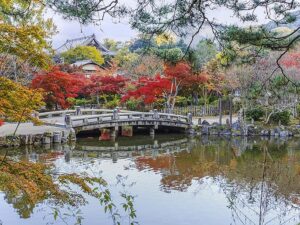
Photo from www.japan365days.com
A beautiful public park located near Yasaka Shrine, Maruyama Park is one of Kyoto’s most popular spots, especially during cherry blossom season. The park is famous for its gorgeous weeping cherry tree, known as the Shidarezakura, which lights up at night, creating a magical atmosphere. Maruyama Park is also a peaceful place to relax, with paved walkways, ponds, and green spaces that make it a perfect place to unwind after a show. It’s a great spot to enjoy Kyoto’s natural beauty and history.
If you’re interested in visiting, please find the details about the park below:
- Address: Maruyamacho, Higashiyama Ward, Kyoto, 605-0071, Japan
- Phone: 075-561-1778
- Website: https://kyoto-maruyama-park.jp/
- Admission: Free
- Business Hours: 9:00 AM to 5:00 PM, closed on Wednesdays.
5 Cultural Etiquette and Respect to Remember
- Minimize Distractions
During a performance, avoid talking, fidgeting, or using your phone. The theater atmosphere is sacred and should be treated with the utmost respect, much like a temple of the arts. - Respect Photography Rules
Photography and video recording are strictly prohibited during performances. To capture memories, consider purchasing a photo booklet or program from the gift shop. - Engage with Courtesy
When interacting with staff or cast members, such as during exhibitions, approach them politely and patiently. Courtesy fosters positive cultural exchanges and mutual respect. - Silence is Golden
Maintain silence during the performance, and remember to turn off or silence your phone. This enhances the experience for both you and those around you. - Appreciate the Tradition
Kabuki is a cultural treasure. Approach the performance with curiosity and respect, ask thoughtful questions when appropriate, and celebrate the rich traditions being shared with you.
Behind the Scenes: Tours & Exhibits
If you’re looking to dive deeper into the world of kabuki, Minami-za offers a glimpse behind the curtains. These exclusive experiences allow visitors to explore the intricate artistry and craftsmanship that go into each performance. If you’re lucky enough to visit during a special event or exhibition, you may have the opportunity to see kabuki’s magic up close.
Take a Peek Backstage (If You’re Lucky!)
Occasionally, Minami-za hosts behind-the-scenes tours, where you can step backstage and explore the mechanics of the theater. These tours offer a rare opportunity to learn about the history, stage design, and performance preparations that bring kabuki to life. Whether it’s a glimpse at the revolving stage or an explanation of the traditional practices, these tours deepen your understanding of the art form.
Costume Close-Ups and Makeup Magic
A visit to the theater’s exhibits often includes a showcase of authentic kabuki costumes and samples of kumadori makeup. These exhibitions provide a detailed look at the intricate craftsmanship involved in creating the elaborate outfits and bold face paint that define kabuki characters. You’ll gain an appreciation for the hours of meticulous work required to bring these iconic visuals to life on stage.
Grab a Souvenir That Tells a Story
Before you leave, stop by the theater’s gift shop to pick up a souvenir that captures the essence of kabuki. The shop offers a range of kabuki-themed items, including fans, tenugui towels, official programs, and even DVDs of performances. Each item serves as a reminder of your unique cultural experience, giving you a tangible connection to the performance and the traditions of the theater.
Food Must-Try When Visiting Minami-za Theatre
To fully immerse yourself in the cultural experience, don’t miss out on Kyoto’s unique culinary delights before or after your visit to Minami-za Theatre. Here are some local favorites that pair perfectly with your theater outing:
| Dish or Experience | What Makes It Special |
| Kaiseki Cuisine | A multi-course meal that’s the pinnacle of Kyoto’s culinary tradition, offering seasonal flavors and artistic presentation. Perfect for a pre-show dining experience. |
| Matcha Desserts | A Kyoto specialty, offering a variety of rich matcha-based sweets. The perfect treat to enjoy after the performance. |
| Warabi Mochi & Sweets | Traditional Kyoto-style warabi mochi, chewy and dusted with sweet flour. A delightful post-show snack to satisfy your sweet tooth. |
Why Minami-za Matters
Minami-za is more than just a theater; it’s a living time capsule that preserves Kyoto’s rich cultural legacy. Every performance is a retelling of stories that have been passed down through generations, making it a place where tradition thrives and evolves. The theater’s historical significance as the birthplace of kabuki in Kyoto is unmatched, offering a unique glimpse into the artistry and craftsmanship that define this dramatic art form.
What sets Minami-za apart is its commitment to making kabuki accessible to everyone, not just scholars or locals. With English-friendly features like subtitles and translation guides, it invites global audiences to experience Japan’s theatrical magic. Whether you’re a first-time visitor or a seasoned theatergoer, Minami-za opens the door to a deeper appreciation of this iconic cultural tradition, making it an essential stop for anyone curious about Japan’s heritage.
Want to Learn More?
If you’re eager to dive deeper into the world of kabuki and Kyoto’s rich cultural history, here are a few ways to enhance your understanding:
- Read: “Kabuki: Five Classic Plays” by James Brandon
This insightful book delves into the history and significance of kabuki through the lens of five iconic performances. It’s a great read for anyone interested in exploring the depth of this art form. - Watch: NHK World documentaries on kabuki
NHK World offers a range of documentaries that provide fascinating behind-the-scenes looks at kabuki performances, its cultural significance, and the artistry that goes into each production. These videos offer a visual and informative complement to your theater experience.
Visit: The Kyoto National Museum or the Gion Corner Theater for cultural demonstrations
For a more immersive experience, visit the Kyoto National Museum, where you can explore exhibits on traditional Japanese theater, including kabuki. Alternatively, Gion Corner Theater provides live demonstrations of kabuki and other Japanese performing arts, offering a hands-on way to engage with the culture.
Final Thoughts: Watching Minami-za Theatre Deserves a Spot on Your Bucket List!

Photo from www.snowmonkeyresorts.com
Minami-za Theatre is more than just a place to watch a performance—it’s an immersive experience that connects you with Japan’s living traditions. Kabuki, with its ornate costumes, expressive music, and dramatic storytelling, isn’t just entertainment—it’s a cultural journey. Visiting Minami-za offers more than just a show; it’s a chance to learn about the resilience and beauty of an ancient art form that has stood the test of time. It teaches us about the power of storytelling, the significance of ritual, and the deep connection between art and history.
So, is it worth watching? Absolutely. The beauty of kabuki and the grandeur of Minami-za’s performances will leave you with a profound appreciation for Japanese culture. Whether you’re a first-timer or a seasoned traveler, the experience at Minami-za will stay with you long after the curtain falls. And who knows? You might just walk away with a new love for Japan’s rich cultural heritage.
So next time you’re in Kyoto, treat yourself to a night of kabuki at Minami-za. Who knows? You might just fall in love with Japan all over again.
Frequently Asked Questions (FAQs)
Are English subtitles available for kabuki performances?
Yes! Minami-za provides English subtitles through headsets or screens, allowing non-Japanese speakers to fully appreciate the plot, humor, and emotional depth of kabuki.
Can I take photos during a kabuki performance?
Photography and video recording are not allowed during performances to ensure an undistracted experience for everyone.
Is Minami-za Theatre accessible for people with disabilities?
Yes, Minami-za Theatre is accessible to people with disabilities. There are ramps and elevators for easy access, and the theater provides designated seating for wheelchair users.
Is Minami-za Theatre kid-friendly?
Yes, Minami-za Theatre can be a great experience for children, especially if they are interested in traditional culture.
Can I visit Minami-za Theatre outside of performance times?
Yes, Minami-za Theatre is open for visitors to explore even when there are no performances. You can take in the historic architecture of the theater, learn about its history, and sometimes even participate in special cultural events or exhibitions.