Dreaming of making money while sipping coconut water on a beach? You’re not alone. The freedom to earn from anywhere in the world is one of the biggest perks of becoming a digital nomad—and e-commerce can help make that dream a reality.
In this guide, we’ll walk you through how to build an online store that fits in your backpack. Whether you’re a total newbie or someone with a few side hustles already, this is for you. The best part? E-commerce is flexible, beginner-friendly, and doesn’t require a big budget. Once everything is set up, it can run in the background—earning for you while you sleep or go adventuring.
Ready to dive in? Let’s set up your digital storefront—no suit and tie required.
E-Commerce 101: The Basics You Should Know
Let’s start with the essentials. Don’t worry—we’re keeping things simple and beginner-friendly.
What Is E-Commerce?
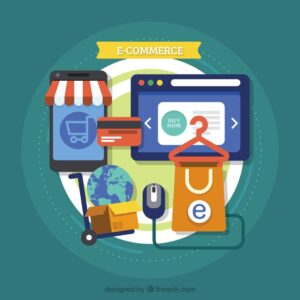
Photo from https://www.pixartprinting.it
E-commerce (short for electronic commerce) is essentially the process of buying and selling goods or services over the internet. If you’ve ever purchased something from Amazon, ordered food delivery through an app, or bought a handmade item from an online shop, you’ve already been a part of the e-commerce world—as a customer. But now, imagine being on the other side of the screen—the seller. With just a laptop and internet connection, you can start your own online business, reach customers worldwide, and earn money from anywhere. E-commerce opens the door to flexible income and exciting entrepreneurial opportunities for anyone.
The Different Flavors of E-Commerce
- B2C (Business to Consumer): You sell products directly to everyday customers.
- B2B (Business to Business): You sell to other companies (e.g., wholesale).
- C2C (Consumer to Consumer): Think platforms like eBay or Facebook Marketplace where individuals sell to each other.
11 Key Terms Made Simple
- Storefront: Your website or online shop (like your digital shop window).
- Niche: The specific topic, product, or market you focus on.
- SKU: A unique ID for each product—helps with tracking.
- Conversion Rate: The percentage of visitors who actually buy something.
- Cart Abandonment: When someone adds a product to their cart but leaves without buying. Ouch.
- Fulfillment: How orders are packed and delivered.
- Dropshipping: You sell the product, and a third party ships it directly.
- Print on Demand: Products are created only after someone orders (think custom mugs, shirts).
- Digital Products: Items like PDFs, e-books, or online courses.
- Traffic: The number of visitors your store gets.
- Payment Gateway: The service that handles your payments (e.g., Stripe, PayPal).
Knowing these terms upfront saves you lots of confusion later—especially when you’re scaling up.
Why E-Commerce Is the Perfect Travel Buddy
E-commerce and digital nomad life go together like coffee and early mornings—they’re a perfect match for remote work!
- Freedom:
E-commerce gives you the ultimate freedom to work from anywhere in the world. Whether you’re working from a cozy café in Paris, a beach hut in Thailand, or a mountain lodge in Chile, all you need is a laptop and Wi-Fi. Your online store is always open, and your office is wherever you choose to be. - Low Startup Costs:
Unlike traditional businesses that require renting physical space or buying inventory in bulk, starting an e-commerce store has very low startup costs. You don’t need a warehouse, and you don’t need to stock products upfront. With just a laptop, an internet connection, and sometimes under $100, you can launch your first product and start selling! - Scalability:
One of the best parts about e-commerce is that it’s scalable. You can start small and grow your business at your own pace. As your store begins to generate sales, you can automate tasks like order fulfillment, marketing, and customer service. You can even hire freelancers to handle the workload, freeing up more of your time for travel and relaxation. - Passive Income:
Once your store is set up and your systems are in place, you can earn passive income. This means that even when you’re offline, hiking, or taking a break, your store can still be making money. With the right tools and automation, your e-commerce business can keep generating sales while you’re out living your digital nomad dream.
Simply put, e-commerce offers unmatched flexibility and low barriers to entry, making it the perfect income stream for anyone who wants to travel and earn at the same time.
Pick Your Poison: Choosing the Right Business Model
There are several ways to run an e-commerce business, and each comes with its own set of benefits and challenges. The key is to choose the one that best aligns with your style, goals, and lifestyle as a digital nomad. Let’s dive into the most popular models:
1. Dropshipping
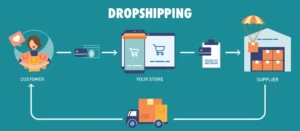
Photo from https://www.printxpand.com
With dropshipping, you don’t need to manage inventory or worry about shipping. When someone places an order on your store, a third-party supplier handles fulfillment and ships the product directly to the customer. This means you can focus on running your store, marketing products, and providing customer support without the hassle of stocking or packaging items. It’s a low-risk, low-cost way to start an online business—perfect for beginners and digital nomads. Since you never touch the products, dropshipping gives you more freedom and flexibility to work from anywhere while building a profitable e-commerce brand.
Advantages:
- Low Startup Costs: Since you don’t need to buy products upfront, you can start with a very small investment.
- No Inventory Management: No need to store products, which is great if you’re always on the move.
- Wide Product Selection: You can offer a huge variety of products without having to manage them yourself.
Challenges:
- Less Control: You don’t control the shipping speed or product quality, which can lead to customer dissatisfaction if things go wrong.
- Lower Profit Margins: Since you’re buying from suppliers who already mark up the price, your profit margins can be thinner compared to other models.
2. Print on Demand (POD)
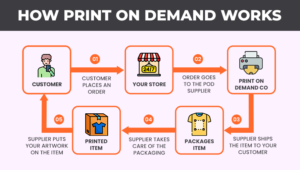
Photo from https://img.freepik.com
If you’re creative, Print on Demand (POD) is a great way to turn your ideas into income. You can design custom products like t-shirts, mugs, phone cases, and more. The best part? Items are only printed and shipped after a customer places an order, so there’s no need to hold inventory or buy in bulk. POD gives you the freedom to build a unique brand with original designs that reflect your style. It’s ideal for artists, designers, or anyone who wants to sell personalized products online with minimal upfront investment and zero inventory headaches.
Advantages:
- Creative Freedom: Perfect for those who love designing and want to turn their artwork into products.
- No Inventory: Like dropshipping, you don’t need to worry about storing products or managing shipments.
- Automated Fulfillment: Once an order is placed, everything is handled for you, so you can focus on other aspects of your business or travel.
Challenges:
- High Competition: The POD market is growing rapidly, so there’s a lot of competition. You’ll need unique and high-quality designs to stand out.
- Profit Margins: Similar to dropshipping, margins can be slimmer because the printing companies typically take a cut of the profits.
3. Selling Digital Products
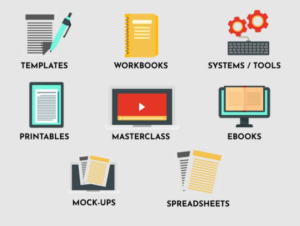
Photo from https://img.freepik.com
Selling digital products—like eBooks, online courses, printables, or design templates—is a smart way to earn passive income. You create the product once and sell it over and over again without needing to worry about shipping, inventory, or physical storage. It’s a low-maintenance business model perfect for creatives, educators, or entrepreneurs who want to share their knowledge or skills online. Plus, digital products are easy to deliver instantly, giving customers quick access while you enjoy automated sales. It’s a scalable and sustainable way to make money online with minimal ongoing effort.
Advantages:
- Minimal Overhead: There are no physical products to manage, which makes it an easy model to run while traveling. Once your digital products are made, they sell themselves.
- High Profit Margins: Since you don’t need to pay for physical goods or shipping, the profit margins are typically much higher.
- Passive Income Potential: Once your digital products are online, they can continue to generate income for you with minimal effort, allowing you to focus on other projects or travel.
Challenges:
- Upfront Work: Creating digital products, especially courses or detailed eBooks, can take a lot of effort upfront.
- Marketing Needs: To sell digital products successfully, you’ll need to have a strong marketing plan, as visibility is key in a competitive digital space.
4. Selling Handmade or Physical Products
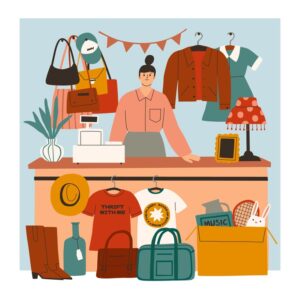
Photo from https://img.freepik.com
Advantages:
- Full Control: You have complete control over the product quality, branding, and the customer experience.
- Unique Offerings: Selling handmade products allows you to offer something unique that can’t be found in every store, which can help you stand out in the market.
- Higher Margins: Handmade products often have higher perceived value, so you can charge more and enjoy better profit margins.
Challenges:
- Time-Consuming: Making the products yourself can be very time-intensive, which may be challenging while traveling.
- Shipping & Logistics: Since you have to handle packing and shipping, it can be tricky to manage logistics while constantly on the move. You may need to partner with a fulfillment center or set up automated shipping to make it easier.
Each e-commerce model has its unique set of advantages, and the right one for you depends on your skills, resources, and how much time you want to dedicate to your business. By considering what fits best with your lifestyle and travel goals, you can pick the ideal model and start building your store
Choosing Your Platform
Choosing the right platform is key to running a successful e-commerce business. Each platform offers unique features that suit different types of businesses. Here’s a closer look at some of the most popular options:
| Platform | What It Is | Why It’s Great | Best For |
| Amazon FBA | Fulfillment by Amazon. You store your products in Amazon’s warehouses, and they handle shipping and customer service. | Massive Audience: Reach millions of potential customers. Convenience: Amazon takes care of logistics. Trusted Brand: Amazon’s reputation helps build customer trust. | Sellers who want to tap into a huge marketplace with minimal logistics work. |
| Shopify | An easy-to-use, all-in-one platform to build and manage your online store. | – Ease of Use: No technical skills needed. Customizable: Full control over your store’s design. Scalable: Grows with your business, from small to large. | Entrepreneurs looking for an easy-to-use, professional, and customizable platform. |
| Etsy | A marketplace for handmade, vintage, and unique items. | Targeted Audience: Customers looking for creative, unique products. Low Startup Costs: Low listing and transaction fees. Ease of Setup: Simple to set up and start selling. | Artists, crafters, and makers selling handmade or unique items. |
| WooCommerce | A plugin for WordPress that turns your site into an online store. | Free to Use: Only pay for hosting and premium features. Full Customization: Total control over design and features. WordPress Integration: Seamlessly integrates with existing WordPress sites. | WordPress users who want full control and customization over their store. |
By choosing the right platform for your e-commerce business, you’ll be able to set up and scale your store more efficiently. Whether you’re seeking the convenience of Amazon FBA, the customization of Shopify, the niche audience of Etsy, or the control of WooCommerce, there’s a platform that can match your style and business goals.
Nail That Niche Like a Boss

Photo from https://img.freepik.com
Picking your niche is a game-changer. It’s what you’ll sell—and who you’ll sell it to. So choose something you care about and that others are actually searching for. Start with your interests. Love fitness? Think yoga gear or workout plans. Into art? Maybe digital prints or custom designs. Passion keeps you motivated—and it shows in your store.
Next, do a little digging to make sure there’s real demand for your niche idea:
- Google Trends – A free tool that shows how search interest changes over time. It helps you spot whether your idea is seasonal, trending, or declining. Great for staying ahead of the curve.
- Ubersuggest – This tool gives you keyword ideas, search volume, and even competition level. You’ll quickly see what people are typing into Google—and how hard it’ll be to rank for those terms.
- AnswerThePublic – Type in a topic, and this tool reveals real questions people are asking online. It’s perfect for understanding what your potential customers want, need, or are curious about.
- eRank (formerly EtsyRank) – Ideal if you’re selling on Etsy. It shows trending products, top-performing listings, and keyword insights to help you stand out in a busy marketplace.
As a nomad, you’ll want products that are lightweight, easy to manage, and ideally evergreen—things people buy all year. Think digital downloads, travel accessories, or compact gear. A smart niche balances passion, demand, and practicality. Skip bulky items that are a pain to ship. Go for products you can scale, automate, or even sell passively.
Once you find your niche, everything else gets easier—your branding, marketing, and product selection all fall into place. So take your time here—it’s worth it!
Build Your Storefront Without Breaking a Sweat
Build your digital shop! Your online store is your digital home—where customers discover your brand, explore your products, and (hopefully) click “buy.” Let’s make it simple and stress-free!
Choose the Right Platform
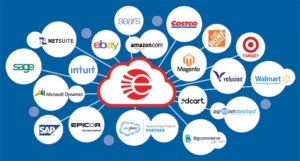
Photo from hhttps://framerusercontent.com
Your e-commerce platform is the home of your business—so choose one that fits your vibe and what you plan to sell. Each platform has its strengths, and picking the right one can make a huge difference in how smooth your journey is. Whether you’re selling handmade goods, digital downloads, or dropshipping products, your platform should support your business model and lifestyle as a digital nomad.
- Shopify – Super beginner-friendly with beautiful templates and built-in features like payment processing and inventory management.
- WooCommerce – Great if you already use WordPress. It’s flexible, customizable, and ideal for blog-style shops.
- BigCommerce – A powerful platform with lots of features. Great if you plan to scale quickly or manage a growing catalog.
- Etsy – Best for handmade, vintage, and artsy products. You get instant access to a creative-minded audience.
- Gumroad – A top choice for selling digital goods like PDFs, courses, music, and templates. Simple and quick to launch.
Choosing the wrong platform can lead to tech headaches, limited features, or even the wrong customer base. But the right platform? It helps you build a store that looks good, runs smoothly, and is easy to manage while you’re on the move. So take a little time, compare your options, and pick the platform that feels like the right fit for you and your travel-friendly business.
Set Up Like a Pro
- Choose a clean, mobile-friendly theme
- Add your logo, brand colors, and a tone that matches your vibe
- Secure a custom domain name to look more professional
Use easy navigation so people can browse without confusion
Think of your storefront as your virtual shop window—make it inviting, clear, and uniquely you!
Source Like a Digital Nomad Ninja
Now that your store’s ready to go, it’s time to find awesome products to sell. As a digital nomad, your goal is to source items without being tied down—and the good news is, there are tons of flexible options.
Photo from https://forbes.es
Top Supplier Options:
- AliExpress or Spocket – Ideal for dropshipping. You don’t need inventory. The supplier ships products directly to your customers.
- Printful or Printify – Perfect for print-on-demand. You design the product, and they print and ship it once someone places an order.
- Amazon FBA (Fulfillment by Amazon) – You send your products to Amazon, and they handle the storage, packaging, and delivery.
- CJdropshipping – Great alternative to AliExpress with global warehouses and faster shipping options.
- Tundra – A wholesale marketplace offering zero markups and fast U.S. shipping—ideal for scaling and bulk buying.
Why It’s So Important:
Always order a sample before selling. This helps you check the product’s quality and test delivery speed. Also, read reviews and contact suppliers to set clear expectations. Good communication is key when you’re managing everything remotely.
Handle Logistics Like a Jet-Setting Pro
Managing logistics may sound intimidating, but with the right approach, it’s one less thing to worry about while you’re globe-trotting. Here’s how to handle each part like a pro:
Payment Setup
When it comes to receiving payments from customers around the world, platforms like PayPal and Stripe are your best friends. These services are secure, trusted by millions, and integrate easily with most e-commerce platforms. PayPal offers a user-friendly interface and supports multiple currencies, while Stripe is great for businesses of all sizes, offering more customization options for payment processing. Make sure you set up payment gateways that allow customers to pay in their local currencies, giving them an easier shopping experience.
Shipping
As a digital nomad, you have two main options: ship products yourself or use a fulfillment center. If you’re traveling often, fulfilling orders on your own might become a hassle. Instead, fulfillment centers (like Amazon FBA or ShipBob) handle the packaging, storage, and shipping, so you don’t have to worry about any of that while you’re out exploring. If you do opt to ship items yourself, make sure to use reliable shipping services and track shipments to keep customers updated.
Taxes and Legal Bits
When running an international business, tax compliance is crucial. Tools like Wise help you manage international payments by converting currencies at favorable rates and simplifying the process of paying overseas suppliers. As a digital nomad, it’s also important to stay aware of tax rules both in your home country and in the countries where you’re selling. Many countries have tax laws about e-commerce businesses, so using a tax tool or consulting a tax professional will ensure you’re on the right side of the law.
With these logistics in place, you’ll be able to focus on growing your business while maintaining the freedom to work from anywhere
Market Your Store Like a Boss
You’ve built your store, now it’s time to attract customers! Marketing is essential to getting people to see your store and make purchases. Here’s a breakdown of how to do it effectively:
| Strategy | How It Works | Why It’s Important |
| Email Marketing | Use platforms like Mailchimp or Klaviyo for automated campaigns. Collect emails from customers and interested visitors. | Keeps your audience engaged and informed, leading to higher conversions. |
| Social Media Marketing | Post engaging content on Instagram, Pinterest, and TikTok to showcase your products and build a community. | Drives awareness and connects you directly with potential buyers. |
| Paid Ads | Run targeted ads on Facebook, Google, and TikTok to drive traffic. Set a budget and target specific audiences. | Gives immediate visibility and boosts traffic to your store quickly. |
| SEO for Listings | Use relevant keywords in product titles and descriptions, plus optimize images with alt text. | Improves your store’s search ranking, attracting organic traffic. |
| Influencer Partnerships | Partner with influencers to promote your products to their audience. | Builds trust, increases brand visibility, and boosts sales through credible endorsements. |
Pro Tip: Start with one or two marketing methods and master them before adding others. Consistency is key. Focus on building a strong foundation before scaling your efforts. This way, you’ll get the most out of your marketing investment.
Automate and Reclaim Your Time
As a digital nomad, time is precious. You don’t want to be glued to your laptop all day managing your store. Thankfully, there are several tools and strategies to automate tasks and free up your time:
- Oberlo or AutoDS for Dropshipping Automation: These tools automate product import, inventory management, and order fulfillment. With Oberlo (for Shopify) and AutoDS, you can easily sync your products with suppliers and automate order processing, allowing you to focus on growing your business instead of dealing with logistics.
- Zapier: This tool connects your favorite apps (like Shopify, Gmail, and Google Sheets) and automates repetitive tasks. For example, you can set up Zaps that automatically send new customer details to your email list or create follow-up tasks for abandoned carts. It saves time by linking multiple platforms and automating workflows.
- Helpdesk Tools or Chatbots: Customer service is crucial, but you don’t need to be answering every question. Tools like Zendesk or Freshdesk help manage support tickets, and chatbots (like Tidio or ManyChat) can answer common questions instantly, improving response time and satisfaction.
- Hire Freelancers: Delegate tasks like design, content creation, or customer support. Platforms like Fiverr, Upwork, and OnlineJobs.ph let you find affordable and reliable freelancers who can handle work while you’re exploring new destinations.
By automating tasks and outsourcing, you can focus on what truly matters—growing your business and enjoying your travels!
4 Travel-Smart Tips While Running Your Store
Photo from https://img.freepik.com
Managing your e-commerce business while traveling is all about staying connected and organized. Here are some smart tips to ensure smooth operations no matter where you are:
- Carry a Portable Wi-Fi Device for Backup Internet
Having reliable internet is crucial for running your store. A portable Wi-Fi device gives you flexibility, so you don’t rely on spotty public Wi-Fi or hotel connections. It’s a lifesaver when you’re working in remote locations. - Use WorldTimeBuddy to Coordinate Across Time Zones
As a digital nomad, you’re probably dealing with customers and partners in different time zones. WorldTimeBuddy helps you easily convert time zones and schedule meetings or follow-ups without confusion. This way, you can manage time-sensitive tasks effectively. - Set Up Auto-Replies for Customer Emails
While you’re offline exploring new places, set up auto-replies on your email to keep customers informed about your response times. This shows professionalism and lets them know you’re traveling but still care about their needs. - Track Your Store’s Performance with Google Analytics or Shopify Analytics
Keep tabs on your store’s performance, even when you’re on the go. Use tools like Google Analytics or Shopify Analytics to track key metrics like sales, traffic, and customer behavior. This helps you make data-driven decisions, no matter where you are.
By staying organized and using these tools, you can maintain a steady business flow while enjoying your travels.
5 Rookie Mistakes You’ll Want to Dodge
When starting your e-commerce store, it’s easy to make mistakes. Avoid these common pitfalls to set yourself up for success:
- Picking a Niche That’s Too Broad or Too Competitive
Choosing a niche that’s either too vague or oversaturated can make it hard to stand out. Instead, focus on a specific, targeted market with real demand but lower competition. Use tools like Google Trends and eRank to find untapped opportunities. - Forgetting to Promote Your Store
It’s tempting to think that once your store is set up, customers will magically find you. But without promotion, no one will know you exist. Make sure you actively market your store through social media, email marketing, and SEO. Focus on one platform first, like Instagram or Pinterest, and grow from there. - A Confusing or Unprofessional Store Design
Your store’s design should be clean, easy to navigate, and reflective of your brand. Avoid cluttered pages or confusing checkout processes. Use Shopify themes or WooCommerce templates that are mobile-friendly and simple to customize. - Overcomplicating Things Too Early
Starting simple is key. Don’t overthink things or try to do everything at once. Begin with a few products, focus on customer experience, and gradually improve as you learn what works. - Ignoring Analytics and Feedback
Tracking your performance is key to growth. Use tools like Google Analytics or Shopify Analytics to measure sales and traffic. Pay attention to customer feedback to make data-driven improvements.
By avoiding these mistakes and taking things step by step, you’ll be on your way to e-commerce success!
From Side Hustle to Empire: 5 Scaling Tips
- Add More Products Your Audience Will Love
Expanding your product range allows you to cater to a broader audience and increase sales. Listen to customer feedback and research trends to introduce products your customers will actually want. - Create a Brand Identity That Sticks
A strong brand identity makes your store memorable. Develop a unique voice, logo, and aesthetic that resonates with your target audience and sets you apart from competitors. - Build an Email List with Lead Magnets or Discounts
Email marketing is a powerful tool for staying connected with customers. Offer lead magnets, like free guides or discounts, to entice visitors to subscribe to your list and stay engaged with your brand. - Use Loyalty Programs to Keep Customers Coming Back
Reward your loyal customers with discounts or exclusive deals through a loyalty program. This encourages repeat business and creates brand ambassadors who will share your store with others. - Bit by Bit, Your Store Can Grow from a Tiny Side Hustle into a Thriving Online Business
Scaling your business doesn’t happen overnight. Focus on steady growth by optimizing your processes, expanding your product offerings, and building customer loyalty. With consistent effort, your small store can grow into a thriving e-commerce empire!
Final Thought: Your E-Commerce Journey Starts Now
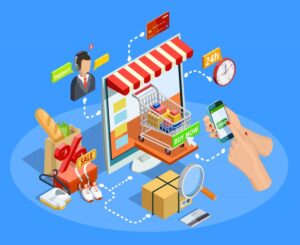
Photo from https://img.freepik.com
The world of e-commerce is waiting for you, and it’s easier than you think to dive in. You don’t need to be a tech genius or a marketing guru—just start with a simple plan, use the right tools, and keep learning as you go.
Remember, big things start small. Focus on building a solid foundation and stay consistent. With each step forward, you’ll be one step closer to turning your dream into reality.
So, what are you waiting for? Your e-commerce adventure is just getting started. With determination, the right strategies, and a passion for what you do, there’s no limit to what you can achieve. Get ready to build, grow, and thrive in the world of online business—your digital nomad empire is just around the corner! You’ve got this, and the future is yours to create.
Frequently Asked Questions (FAQs)
Do I need a lot of technical knowledge to start an e-commerce store?
Not at all! Platforms like Shopify and Etsy are designed to be user-friendly, even for beginners with no technical skills.
What’s the best way to manage inventory while traveling?
If you’re using dropshipping or print-on-demand, inventory management is handled by your supplier. For Amazon FBA, Amazon manages your inventory for you. Otherwise, use inventory tracking tools integrated with your e-commerce platform.
Should I use paid advertising when starting my store?
It’s not essential, but paid ads can help generate traffic and sales quickly. You can start with a small budget on platforms like Facebook or Google and scale once you see results.
How can I make my store mobile-friendly?
Choose responsive themes on your e-commerce platform and test your site on mobile devices. Most platforms like Shopify and WooCommerce have mobile-friendly templates built-in.
What’s the best way to price my products?
Research your competitors and market trends to ensure your pricing is competitive. Factor in costs like production, shipping, platform fees, and any taxes to ensure profitability.