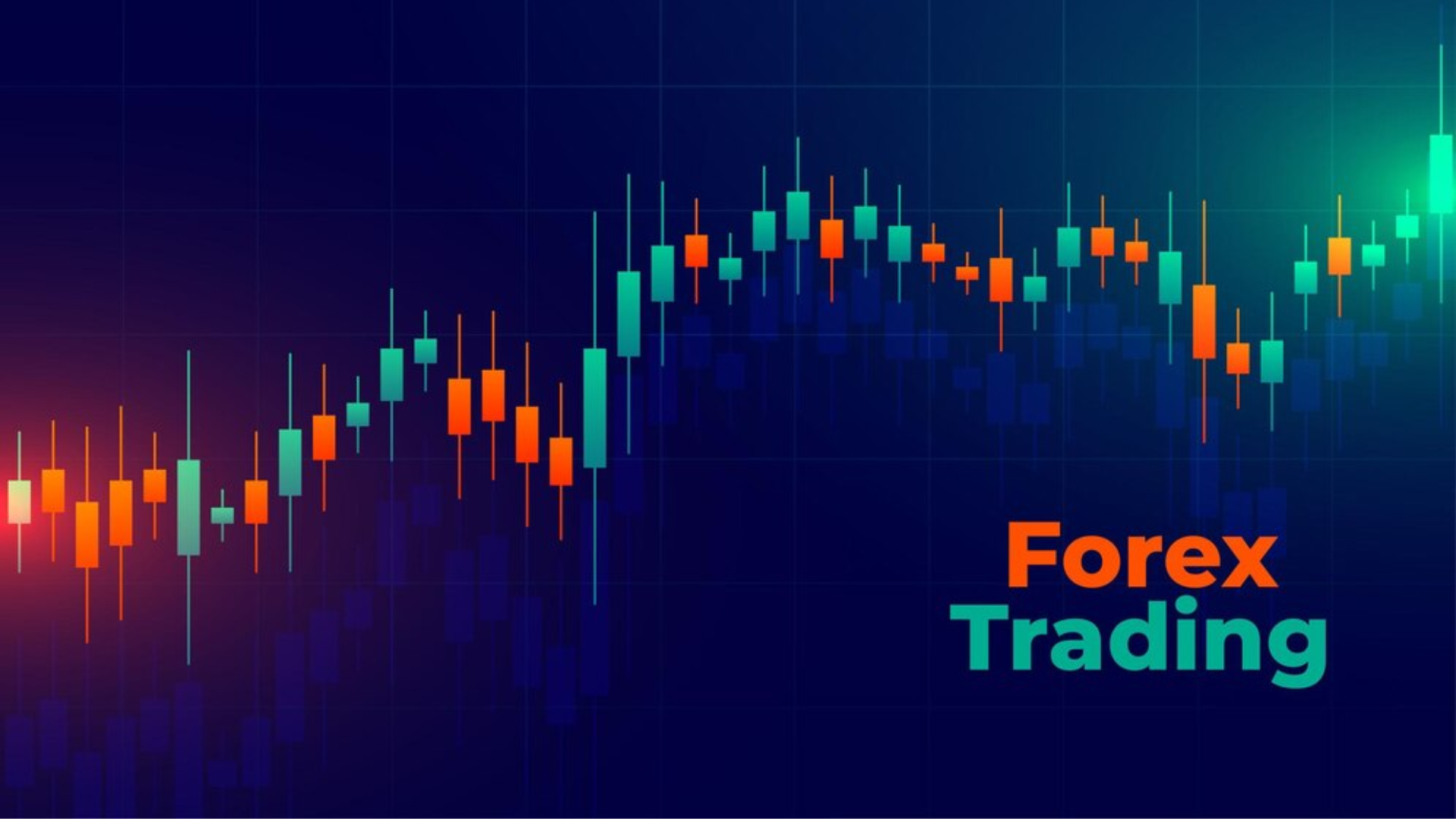
Tired of the 9-to-5 grind and endless office coffee runs? Forex trading offers a passport to freedom that office jobs simply can’t. No more clocking in, no more dress codes—just you, your laptop, and the world. The Forex market is open 24 hours a day, five days a week, giving you the flexibility to trade from anywhere—whether that’s a co-working space in Barcelona, a beachfront café in Bali, or the back of a camper van in New Zealand. With high liquidity and constant movement, there are endless opportunities. All it takes is a stable internet connection, a bit of know-how, and a desire to create your own schedule.
What Is Forex Trading, Really?
Photo from https://www.freepik.com/
Let’s break it down: Forex is short for “foreign exchange.” It’s the global marketplace where people buy, sell, and exchange currencies. Every time you travel abroad and exchange your home currency for another, you’ve technically participated in the Forex market—just on a much smaller scale.
But in the world of Forex trading, you’re not lining up at a currency exchange booth. You’re trading currencies online, aiming to profit from the fluctuations in their value. For example, if you believe the euro will rise against the U.S. dollar, you can buy the EUR/USD pair. If the exchange rate goes up, you make money.
The beauty of Forex is that it’s the largest and most liquid financial market in the world, with over $7 trillion traded daily. And the best part? You don’t need a fancy finance degree or a Wall Street suit to get started. With a little education, a reliable broker, and a strong Wi-Fi signal, anyone can learn to trade. It’s a level playing field—open to curious minds from all corners of the globe.
Double Trouble: Currencies Come in Pairs
In the world of Forex, currencies don’t fly solo—they always come in pairs. Think of combos like EUR/USD, GBP/JPY, or USD/CHF. Why? Because when you trade Forex, you’re not just buying one currency—you’re buying one while selling another. It’s a two-way street.
For example, when you trade the EUR/USD pair, you’re betting on how strong the euro will be compared to the U.S. dollar. If you think the euro will rise, you go long. If you believe it’ll drop, you go short. It’s like watching a financial tug-of-war between two countries’ economies—and you get to pick your champion.
This pairing system is what makes Forex unique. You’re not just analyzing one economy, you’re keeping an eye on two—doubling both the challenge and the excitement.
Pips, Lots, Leverage… Say What?
Alright, let’s demystify the lingo—because you’ll be hearing these terms a lot once you start trading.
- Pips are tiny price changes, usually the fourth decimal in a currency pair (like 0.0001). It might seem small, but when you’re trading large volumes, even a few pips can add up.
- Lots refer to the size of your trade. A standard lot is 100,000 units of a currency. Don’t worry—most platforms let you trade mini or micro lots too, which are much smaller and beginner-friendly.
- Leverage is the magic (and danger) wand of Forex. It lets you control a larger trade with a smaller amount of your own money. For example, with 1:100 leverage, you can trade $10,000 with just $100. Sounds great, right? Just remember—it amplifies both gains and losses.
- Spreads are the difference between the buying (ask) and selling (bid) price. It’s basically how brokers make their money. A tight spread is good—it means you’re paying less to enter the trade.
Get cozy with these basics—they’re the building blocks of every trade you’ll make. Master them early, and you’ll save yourself from a ton of head-scratching later.
Trading Styles: Pick Your Flavor
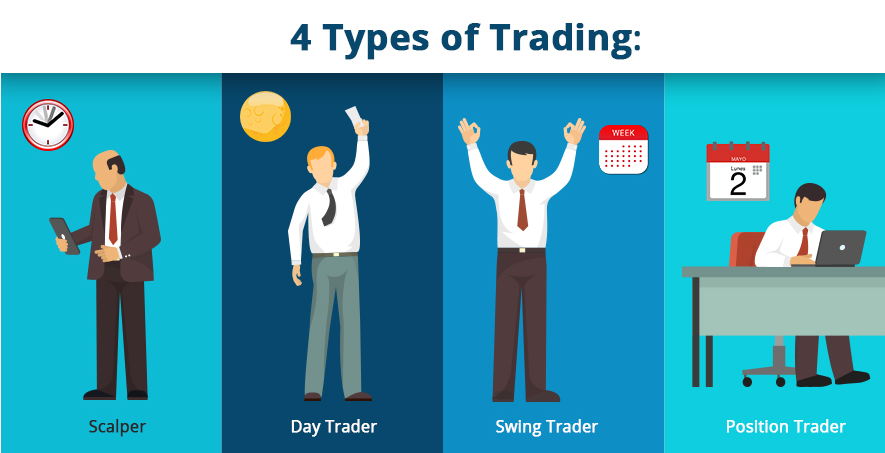
Photo from
https://www.signalskyline.com
Not all traders are built the same—and that’s the beauty of Forex. You get to choose a style that fits you and your travel rhythm.
- Day traders are the early birds of the Forex world. They open and close trades within the same day, often within just a few hours. It’s fast-paced, focused, and perfect if you like routine and being glued to your screen (maybe with a smoothie in hand).
- Swing traders play the long game. They hold positions for days or even weeks, relying on broader market trends. This style gives you more flexibility—ideal if you’re hopping between time zones or planning a few off-grid adventures.
- Scalpers are the speed demons. They jump in and out of trades within minutes, aiming for tiny profits that add up. It’s intense, requires laser focus, and isn’t for the faint-hearted—but some digital nomads love the quick adrenaline rush.
- Position traders are the patient strategists of the Forex world. They hold positions for weeks, months, or even years, riding out market trends with a long-term perspective. It’s a more laid-back approach, perfect if you prefer a slower pace and don’t mind checking in occasionally.
Try out each style and see what matches your personality—and your passport stamps. The key is to find your groove and stick with it.
Is Forex Right for You? Let’s Weigh the Good, the Bad & the Jet Lag
Before you dive into the exciting world of Forex, take a step back and consider the lifestyle. It’s not all palm trees and profit charts—there’s a learning curve, and some challenges come with freedom. Here’s a deeper look at what you’re signing up for:
| Pros | Cons |
| Work from anywhere – Trade from any location with internet, offering flexibility for digital nomads. | Time zone juggling – Forex operates 24/5, so managing different time zones can disrupt your routine. |
| High profit potential – With leverage, you can make significant profits in a fast-paced market. | Emotional stress – The volatility of Forex can lead to emotional ups and downs that affect your decisions. |
| Flexible schedule – Set your own hours and work around your travel plans. | Steep learning curve – Success in Forex requires time, strategy, and a solid understanding of the market. |
| Low startup cost – Start trading with a small deposit, especially with leverage. | Income isn’t guaranteed – The market is unpredictable, |
Taking the time to reflect on both sides will help you make an informed decision. The freedom of trading while traveling can be exhilarating, but it requires careful planning, self-discipline, and the willingness to embrace some risk.
6 Traits of a Trading Jedi
Becoming a successful Forex trader isn’t just about charts and technical analysis—it’s about mastering your mindset. Here are the traits that will help you thrive in the fast-paced world of Forex:
- Discipline – Stick to your strategy and avoid impulsive decisions.
- Patience – Wait for the right trading opportunities; good things come to those who wait.
- Focus – Stay sharp, especially when distractions (like monkeys) are around.
- Emotional Control – Keep your cool through both the highs and lows of trading.
- Resilience – Bounce back quickly from losses and learn from mistakes.
- Adaptability – Be ready to adjust your strategy when market conditions change.
Master these traits, and you’ll be well on your way to becoming a trading Jedi
Your Forex Starter Pack
Before you hit “buy” on that first trade, make sure you’re fully equipped. Here’s your essential gear:
- Stable internet – This is non-negotiable! A fast, reliable connection is your lifeline in the trading world.
- A solid laptop – You’ll need something that runs smoothly, especially during those intense trading moments.
- A calm space – Whether it’s a cozy corner of your Airbnb or a beachfront café, find a place where you can focus without distractions.
- A trading journal – Keep track of your trades, thoughts, and strategies. It’s 90% planning, 10% pressing buttons!
With these essentials, you’ll be ready to take on the Forex market like a pro.
Don’t Get Scammed: Choose the Right Broker

Photo from
https://www.shareindia.com
Your broker is your gateway to the Forex market—so choose wisely. A legit, regulated broker is non-negotiable. Look for transparency, solid reviews, and licenses from trusted financial authorities like the FCA (UK), ASIC (Australia), CySEC (Cyprus), or NFA (US).
Not sure if a broker is legit? Here’s how to check:
- Look for a regulatory license number on their website—then verify it directly on the regulator’s official site.
- Check reviews from multiple sources (forums, Trustpilot, Reddit) to see what real traders are saying.
- Test their customer support—quick, helpful replies are a good sign.
If something sounds too good to be true (like outrageous bonuses or “guaranteed” profits), it probably is. In a market where your money’s on the line, trust is everything.
What Makes a Broker Nomad-Worthy?
Not all brokers are built for the digital nomad lifestyle. Here’s what to look for—and why it makes all the difference when you’re trading on the move:
| Feature | Why It Matters |
| Low fees | High trading costs can eat into your profits fast. The lower the fees, the more money stays in your pocket. |
| Great support | When you’re in a different time zone or facing tech issues, responsive customer service is a lifesaver. Reliable support means fewer headaches. |
| Mobile app | You won’t always be near your laptop. A well-designed mobile app lets you monitor and manage trades wherever you are—even on a tuk-tuk in Thailand. |
| Educational tools | Continuous learning is key in Forex. Built-in tutorials, webinars, and market insights help you sharpen your skills while you travel. |
Choose a broker that moves at your pace, supports your journey, and helps you grow—wherever the Wi-Fi connects
Top Brokers with Global Vibes
Some brokers just get the digital nomad lifestyle. Whether you’re trading from a beach in Bali or a café in Lisbon, these platforms offer the flexibility and reliability you need:

Collage made in canva
- IG – Highly regulated around the world and known for its strong reputation. A solid choice for peace of mind wherever you are.
- Pepperstone – Great for low spreads and fast execution. Ideal if you’re cost-conscious and love trading with speed.
- Exness – Offers flexible leverage and quick deposits/withdrawals. Great for traders who want more control and convenience.
Of course, always do your homework—each trader’s needs are different. Check fees, features, and regulations before committing to any platform.
Demo Accounts: Your Free Forex Playground
Demo accounts are where every smart trader starts—and for good reason. They let you practice in real market conditions using fake money, so you can build skills without risking a cent. No pressure, no panic—just pure learning.
It’s like a flight simulator for Forex: test your strategies, get comfy with your trading platform, and make all the rookie mistakes before real money is on the line.
Want to make the most of it?
- Treat it like real money. Don’t go wild just because it’s fake cash. Practice with the same account size and risk levels you’d use in real life.
- Test your strategy, not your luck. Use it to build and refine a solid trading plan—entries, exits, stop losses, the works.
- Track everything. Keep a journal of your trades. What worked? What didn’t? Learn from your demo trades as if they were real.
- Set a performance benchmark. Before going live, aim for consistent results (like a 2–3 month profitable stretch).
Nail it in demo, and you’ll walk into the real thing with confidence—not chaos.
Level Up Your Skills Before You Leap
Before you trade real money, it pays to get schooled. Here are some top-tier resources that’ll take your Forex game from newbie to ninja:
- Babypips.com – The OG of Forex education. Their “School of Pipsology” is a must for beginners—fun, free, and easy to follow.
- ForexSignals.com – Offers mentorship, trade ideas, and a supportive community. Think of it as your trading bootcamp.
- TradingView – Awesome for charting and learning. Dive into community ideas and test out strategies with real-time visuals.
- YouTube – Go visual with experts like Rayner Teo and The Trading Channel. Great for bite-sized tips and walkthroughs.
Pro tip: Mix free content with quality paid courses when you’re ready to go deeper. A little investment in education can save you a lot in losses.
Your Go-To Content Creators and Communities
Photo from
https://i.scdn.co
Trading doesn’t have to be a solo mission. Surrounding yourself with the right voices and communities can fast-track your learning—and keep you motivated.
- Forex Factory – One of the best forums out there. Packed with real trader insights, strategy threads, and news updates. Total goldmine.
- Podcasts like Chat With Traders – Hear from pros who’ve been through the highs and lows. Perfect for mindset and strategy inspo on the go.
- YouTube – A visual playground for strategy breakdowns, live trade reviews, and tutorials. Just remember to vet your sources.
- Telegram/Discord groups – Join active communities where traders swap charts, signals, and motivation. Great for staying sharp and in the loop.
Pro tip: Lurk, learn, and engage. The right community can teach you what no textbook ever will.
Practice Makes Pips
Start small—seriously. Pick just one or two currency pairs (like EUR/USD or GBP/JPY) and get to know them like old friends. Focus on spotting patterns and understanding how they move. Always use stop-loss orders to protect your capital. It’s your safety net when the market surprises you.
And don’t skip the backtesting phase. Run your strategy through historical data to see how it would’ve performed. It’s like giving your trading plan a full dress rehearsal—minus the nerves and financial risk.
Keep It Simple, Nomad
Forex trading doesn’t need to be a maze. Start with the basics and build your foundation:
- Stick with a few indicators – RSI and MACD are great starters. They help you spot trends and momentum without overwhelming you.
- Set clear goals – Know what you’re aiming for: profit targets, risk management, and trading hours. It keeps you focused.
- Track your progress religiously – Use a journal or app to monitor your trades. Learn from your wins and losses to grow.
Start slow, build confidence, and scale up smart. Keep it simple, and soon enough, you’ll be trading like a pro.
Gear Up with 4 Nomad-Friendly Tools
As a nomadic trader, you’ll need tools that are just as flexible as your lifestyle. Here’s your must-have list:
- MetaTrader 4/5, cTrader – These are the industry-standard platforms for trading. They’re reliable, easy to use, and packed with features.
- TradingView – Perfect for creating beautiful, custom charts. Plus, it’s great for learning, backtesting, and analyzing market trends.
- VPNs – Protect your data when you’re trading on the go. Whether you’re in a café or co-working space, a VPN keeps you secure.
- Portable chargers, hotspots, and dual monitors – Game-changers for traders who are always on the move. Stay connected and keep your trades running smoothly, no matter where you are.
Pack these essentials, and you’ll be ready to trade from the beach or the mountains—no stress.
Living the Trade-Life Balance

Photo from
https://media.istockphoto.com
Mastering the art of balance is key to enjoying both trading and your nomadic adventures. Here’s how to structure your day for success:
- Trade early – Start your day by trading in your local time zone when markets are most active.
- Explore in the afternoons – After your trading is done, hit the streets and enjoy your surroundings.
- Avoid checking charts during dinner – Downtime is sacred. Focus on the experience, not the charts.
- Keep routines flexible but consistent – Find a flow that works for you, but stay disciplined with your trade times and goals.
Balance is your secret weapon. Master it, and you’ll thrive both in the markets and in life.
7 Rookie Mistakes to Dodge
Every newbie makes mistakes, but here’s what you really want to avoid:
- Overtrading just to feel busy – Don’t trade for the sake of trading. Quality always beats quantity.
- Ignoring world news – Market-moving events can flip the script. Stay informed!
- Going all-in on one trade – Don’t risk it all on one position. Diversify and play it smart.
- Letting emotions drive decisions – Emotional trading is a fast track to losses. Stick to your plan.
- Chasing after losses – Don’t try to recover losses by making risky trades. It rarely ends well.
- Forgetting to use stop-loss orders – Protect yourself with a safety net—don’t let a bad trade wipe you out.
- Neglecting risk management – Always have a plan for how much you’re willing to lose on each trade.
From Tiny Trades to Big Wins
As you get the hang of Forex, it’s time to scale up strategically:
- Track your win/loss ratio – Keep an eye on your progress. Are you improving? How’s your risk management? Understanding your performance helps you adjust and get better.
- Slowly increase your trade size – As you build confidence and consistency, you can start to increase your trade size, but don’t rush it. Gradual growth is key.
- Join trading communities for support – Trading can feel like a solo journey, but it doesn’t have to be. Communities offer advice, feedback, and motivation when things get tough.
- Consider going pro—or pivoting if it’s not for you – If you find your rhythm, maybe it’s time to go full-time. But if trading isn’t giving you the freedom or profits you expected, it’s okay to pivot and try something else. Your path is yours to shape.
Don’t Put All Your Dollars in One Basket
Forex is a powerful income stream, but it’s not the only one. Many successful digital nomads mix multiple streams of income to create a more stable financial foundation. Here are a few options to explore:
- Freelancing – Put your skills to work online. Whether you’re writing, designing, or coding, freelancing can provide a steady income that balances the unpredictability of trading.
- Affiliate marketing – Promote products you love and earn commissions. It’s a great passive income stream that can complement your active trading.
- E-commerce – Open an online store or dive into dropshipping. This allows you to build a business that runs with minimal hands-on involvement once set up.
By diversifying your income sources, you’ll create more stability in your nomadic lifestyle. And always remember: an emergency fund is crucial. Whether it’s a slow trading week or an unexpected situation, a little financial cushion goes a long way in keeping you stress-free while living the dream.
Final Thought: The Nomadic Trader’s Final Word

Photo from
https://www.freepik.com
You’re not just chasing pips—you’re chasing freedom. Forex trading can fuel a life of travel and independence, but it requires patience, discipline, and a willingness to learn. Whether you’re in Bali or the Alps, the freedom to trade from anywhere is within reach—but it takes time and commitment.
Draw inspiration from those who’ve made it work. Learn from their experiences, mistakes, and triumphs. Keep pushing forward, stay consistent, and remember that success is as much about mental strength as it is about strategy. If you trade smart and stay focused, the digital nomad lifestyle is yours to claim. You’ve got this.
Frequently Asked Questions
Do I need a degree in finance to start Forex trading?
No, you don’t need a finance degree! With some basic education and a strong understanding of the market, anyone can start Forex trading.
How much money do I need to start trading Forex?
The beauty of Forex is that you can start with a small deposit, especially with leverage. Some brokers let you start with as little as $100, but it’s always best to start small and gradually increase your trading size as you gain experience.
How do I practice Forex trading without risking real money?
Many brokers offer demo accounts that allow you to trade with virtual money. It’s the perfect way to practice without the risk of losing your capital.
What trading style should I use as a digital nomad?
The best trading style depends on your personality and schedule. Day traders trade within a single day, swing traders hold positions for days or weeks, and scalpers trade in short bursts.
Can I trade Forex anywhere as a digital nomad?
Yes! Forex trading is an online activity, so as long as you have a stable internet connection, you can trade from anywhere in the world—whether it’s a café, co-working space, or even a remote village.