As a digital nomad, you can earn passive income by promoting products and earning commissions through affiliate links, even while you sleep. By promoting products or services and earning a commission for every sale made through your unique affiliate link, you can make money even while you sleep. However, here’s the catch: without traffic, your affiliate links won’t generate any clicks, and without clicks, there’s no commission. That’s why driving traffic to your affiliate links is crucial for success.
Whether you’re a newbie just starting out or an intermediate marketer looking to refine your strategy, this guide will provide practical tips to boost your traffic and maximize your earnings.
Understanding Affiliate Marketing Basics: What’s the Buzz About?
Affiliate marketing might seem simple, but it’s essential to understand the fundamentals. In a nutshell, affiliate marketing is a performance-based marketing strategy where you earn a commission by promoting other people’s products. When someone clicks on your affiliate link and makes a purchase, you get paid.
The first step to affiliate marketing success is choosing the right affiliate programs. Not all programs are created equal, and it’s vital to partner with reputable companies that offer products or services your audience will genuinely find useful. The right affiliate programs not only align with your niche but also offer competitive commissions and support to help you succeed. Always focus on quality over quantity—promote only those products you believe in and that your audience will appreciate.
Know Your Audience: The Key to Traffic Success
When you’re creating content or promoting affiliate products, it’s essential to know your audience inside and out. Ask yourself:
- What challenges are they dealing with?
- How can you provide a solution?
- What are they seeking?
Once you’ve identified your target audience’s pain points and needs, you can create content that speaks directly to them. Whether it’s blog posts, videos, or social media posts, your content should aim to solve their problems and provide value. By doing so, you’ll attract the right kind of traffic—people who are genuinely interested in your offers and more likely to click on your affiliate links.
A quick tip: Create buyer personas—detailed profiles of your ideal customers. This will help you better understand their needs, preferences, and behavior.
Content Creation: Your Secret Weapon to Drive Traffic

Photo from https://www.freepik.com/
Content is where the magic happens in affiliate marketing. It’s not just about creating content for the sake of posting; your content must provide value, be engaging, and optimized for SEO.
Whether you’re writing blog posts, creating YouTube videos, or sharing posts on Instagram, always ensure that your content is high-quality. Create content that answers questions, provides solutions, or entertains your audience. Content that genuinely helps your audience will establish you as an authority in your niche, which in turn builds trust. The more trust you build, the more likely your audience will click on your affiliate links and make purchases.
Also, don’t forget the power of calls-to-action (CTAs). A CTA is a prompt that encourages your audience to take action, such as clicking on your affiliate link. Make sure your CTAs are clear, compelling, and strategically placed within your content.
SEO for Affiliate Traffic: Rank and Shine
SEO is a powerful tool for driving organic traffic, meaning you can attract visitors without spending money on ads. It helps search engines like Google understand your content and show it to people searching for relevant information.
Here’s how to get started:
- Conduct Keyword Research
Find out what your target audience is searching for. Tools like Google Keyword Planner, Ahrefs, and Ubersuggest can help you identify the best keywords. Use these keywords naturally in your content, including blog posts, headings, and meta descriptions. - Optimize Your Content
Once you have your keywords, make sure to incorporate them naturally into your content. Avoid keyword stuffing—focus on readability and user experience. - Build Backlinks
SEO isn’t just about keywords; it’s also about building backlinks. These are links from other websites that point to yours. Backlinks signal to search engines that your content is valuable and trustworthy. The more high-quality backlinks you have, the better your content will rank in search results.
Social Media: Your Digital Traffic Highway
Social media is one of the most powerful tools you have to drive traffic to your affiliate links. It’s where your audience is already spending time, and it’s a great place to showcase your expertise, promote your content, and share your affiliate links.
Here are the best platforms for affiliate marketers:
| Platform | Why It’s Best For Affiliate Marketers |
| Visual content, perfect for lifestyle and beauty niches. Use stories, posts, and reels to showcase products. | |
| Long-lasting pins and great for niches like DIY, fashion, and travel. Pins are searchable, so they can bring in traffic for months. | |
| Ideal for building communities and engaging directly with your audience. Use groups and pages to share your affiliate offers. | |
| Great for quick engagement and promoting blog posts, articles, and affiliate products. Tweets are short and sweet. |
When promoting affiliate links on social media, don’t just share product links in every post. Instead, focus on creating engaging content that encourages interaction, like asking questions or sharing personal stories. This helps build relationships with your audience, making them more likely to click on your affiliate links when you share them.
Paid Ads: Fast-Track Your Traffic
If you want to speed up the process of driving traffic, paid advertising is a great option. With platforms like Google Ads and Facebook Ads, you can target specific audiences who are already interested in your niche, bringing highly relevant traffic to your affiliate links.
Paid advertising allows you to test different offers and track performance, helping you refine your approach over time. Start small with your ad budget and A/B test to see what works best. Keep in mind that the goal is not just to get clicks but to ensure those clicks convert into sales, so your return on investment (ROI) is positive.
Paid Ads Options:
| Platform | Why It’s Worth Considering | Best Use Case |
| Google Ads | Target people actively searching for related products. They are already interested, which increases the likelihood of conversion. | Ideal for targeting users who are actively searching for solutions or products related to your niche. |
| Facebook Ads | Use detailed targeting options based on demographics, interests, and behaviors to reach your ideal customer. | Great for building brand awareness and reaching a wide, targeted audience based on interests and behaviors. |
| Instagram Ads | Leverage Instagram’s visually engaging format to promote products that align with your audience’s lifestyle. | Best for visually appealing products and targeting a younger, lifestyle-oriented audience. |
Email Marketing: The Power of Direct Communication
Photo from https://www.freepik.com/
Email marketing is a game-changer in affiliate marketing. It allows you to directly communicate with your audience, build relationships, and send targeted content with affiliate links.
Here’s how to make email marketing work for you:
- Build an Email List
The first step is to create an email list. Offer something valuable in exchange for your visitors’ email addresses—like a free e-book, discount, or exclusive video. This will encourage people to sign up. - Engage Your Subscribers
Once you have an email list, keep your subscribers engaged by sending them useful content. Focus on providing value with educational content, tips, and personalized recommendations—not just promotional emails. - Trust = Higher Conversions
By consistently delivering value, you’ll build trust with your audience. This trust makes your affiliate recommendations more likely to convert into sales.
Collaborating with Influencers: Team Up for Success
Collaboration can be one of the most powerful ways to drive traffic to your affiliate links. Partnering with influencers or other bloggers in your niche can help you reach a broader audience and increase your credibility.
Why Collaboration Is Powerful
Influencers already have a loyal following, and their endorsement of your affiliate offers can significantly boost your visibility. By teaming up, you gain access to a larger, highly engaged audience that trusts the influencer’s recommendations, increasing the likelihood of clicks and conversions.
How to Partner with Influencers or Other Bloggers
Start by identifying influencers who align with your brand values and target audience. Look for influencers whose audience matches the demographic you want to reach. Once you’ve found a good fit, reach out and discuss potential collaboration opportunities. This could include co-hosting webinars, creating joint content, or sharing affiliate links in sponsored posts.
Setting Up Affiliate Promotions with Influencers
When collaborating with influencers, create affiliate promotions that provide value for both you and the influencer. Ensure that the content resonates with their audience and aligns with their interests. The more natural and relevant the promotion, the higher the chances of driving traffic and increasing conversions.
Tracking and Analyzing Your Results: Work Smarter, Not Harder
To truly succeed in affiliate marketing, you need to track your progress. After all, you can’t improve what you don’t measure. Tracking clicks, conversions, and earnings allows you to understand what’s working—and what’s not. Here’s how to track and analyze your affiliate performance effectively:
5 Tools to Track Affiliate Clicks, Conversions, and Earnings
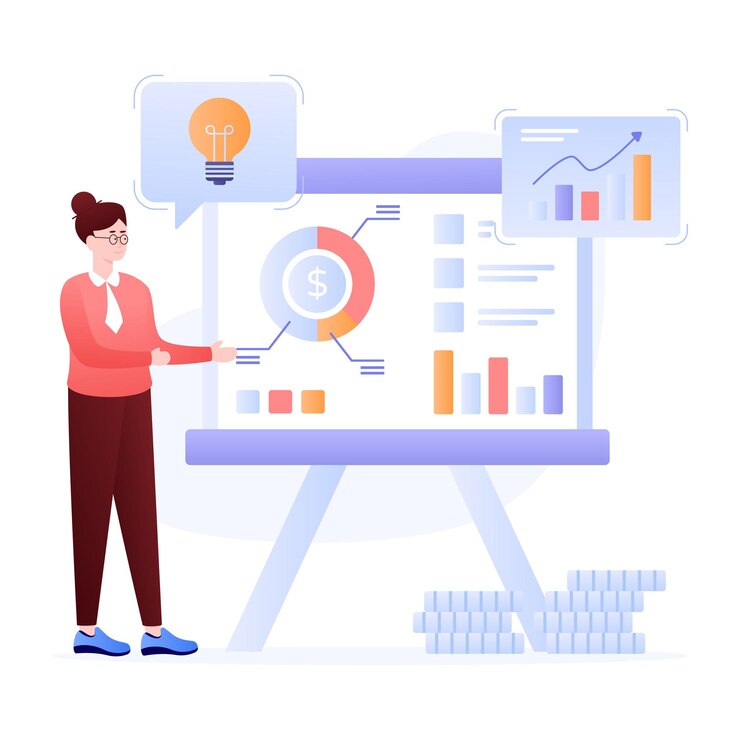
Photo from https://www.freepik.com/
Use these tools to gain valuable insights:
- Google Analytics – Track overall website performance, including traffic sources, user behavior, and conversions.
- Affiliate Network Dashboards – Monitor clicks, conversions, and earnings directly from the affiliate programs you’re partnered with.
- UTM Parameters – Use UTM (Urchin Tracking Module) codes to track the specific campaigns or sources driving traffic to your affiliate links.
- Bitly (or other URL shorteners) – Shorten your affiliate links and track click-through rates with tools like Bitly. This helps you monitor the performance of individual links.
- Heatmap Tools (e.g., Hotjar, Crazy Egg) – Visualize how visitors interact with your content and affiliate links on your site, helping you optimize placement for higher conversions.
These tools will help you pinpoint which sources are driving traffic and generating revenue, enabling you to optimize your strategies for better results.
Understanding Which Traffic Sources Are Most Effective
By analyzing your data, you can identify which traffic sources are bringing in the most clicks and conversions. For instance, you may discover that blog posts are driving more traffic than social media or that certain platforms, like Pinterest or Instagram, are performing better for your affiliate offers.
Adjusting Your Strategy Based on Data and Performance
Use the insights you gain to optimize your approach. For example, if you find that certain blog posts or social media platforms are driving more traffic, focus your efforts on those areas. Keep refining your strategy to improve your results over time.
Advanced Strategies for Intermediate Marketers: Take It to the Next Level
Once you’ve mastered the basics, it’s time to elevate your affiliate marketing efforts. Consider implementing these advanced strategies to optimize your results:
- Split Testing (A/B Testing)
Test different versions of your content, landing pages, or affiliate links to determine which performs best. By experimenting with headlines, images, or calls-to-action, you can optimize your content for higher conversion rates. - Remarketing Ads
Use remarketing to target people who have visited your site but didn’t convert. By showing ads to these visitors as they browse other sites, you stay top-of-mind and encourage them to come back and complete their purchase. Remarketing can significantly increase conversion rates, as these visitors are already familiar with your brand. - Building a Long-Term Traffic Strategy
Focus on sustainable, evergreen traffic sources by consistently creating valuable content and nurturing relationships with your audience. Instead of relying solely on quick wins like paid ads or SEO hacks, build long-term strategies that provide steady growth over time. This could include regular blogging, email marketing, and engaging with your audience through social media or webinars.
By taking these advanced steps, you’ll be able to scale your affiliate marketing efforts and create a more consistent and reliable source of income.
Pro Tips for Beginners: Avoid the Pitfalls
- Pick a niche you’re passionate about: It makes content creation and marketing so much easier.
- Focus on value first: Your audience will trust you more if you help them before promoting products.
- Use long-tail keywords: They’re often easier to rank for and bring in more targeted traffic.
- Start small with paid ads: Test with a small budget before scaling up to avoid unnecessary costs.
Mistakes to Avoid: Don’t Sabotage Your Success

Photo from https://www.freepik.com/
In affiliate marketing, avoiding common mistakes is crucial for long-term success. Here’s what to watch out for and how to avoid them:
- Don’t Promote Irrelevant Products: Stick to products that align with your audience’s needs. Irrelevant products can damage trust and engagement.
Tip to Avoid: Only promote products that genuinely solve your audience’s problems. Focus on your niche and ensure alignment with their interests.
- Avoid Overloading Content with Affiliate Links: Too many affiliate links can overwhelm and annoy your audience.
Tip to Avoid: Be strategic. Place links where they add value, such as in relevant context, and limit their number to avoid distraction.
- Don’t Ignore SEO Basics: Not optimizing your content for search engines means missed organic traffic opportunities.
Tip to Avoid: Use keyword research to naturally incorporate relevant keywords into your content. Follow SEO best practices to improve rankings.
- Don’t Spam Social Media with Affiliate Links: Social media should be for engagement, not just sales. Overuse of affiliate links can alienate followers.
Tip to Avoid: Focus on building relationships by sharing valuable content. Use affiliate links sparingly and offer personal experiences or insights.
- Don’t Neglect Tracking: Without tracking, you can’t optimize your efforts or measure performance.
Tip to Avoid: Set up tracking tools like Google Analytics or affiliate dashboards. Regularly review your data to refine your strategy and improve performance.
By avoiding these mistakes, you’ll build a stronger, more sustainable affiliate marketing strategy.
Final Thought: Keep Going, the Results Will Come
Photo from https://www.freepik.com/
Affiliate marketing may not deliver quick results, but with dedication and the right strategies, success is within reach. As we’ve discussed, knowing your audience, creating valuable content, and optimizing for SEO are crucial to driving traffic. Don’t forget to leverage social media, paid ads, and email marketing to expand your reach. Collaborating with influencers and tracking results also helps refine your approach and improve performance over time. These strategies work together to build a sustainable affiliate marketing plan.
Remember, affiliate marketing takes time, and consistency is key. Success doesn’t happen overnight, so be patient and don’t get discouraged if progress is slow at first. Keep testing different strategies, refining your content, and figuring out what works best for your audience. The more you practice, the more you’ll grow. Take action now, experiment with the strategies you’ve learned, and stay committed. Over time, your affiliate earnings will grow as you gain experience. Keep at it, and the results will follow!
Frequently Asked Questions (FAQs)
How long does it take to see results in affiliate marketing?
Affiliate marketing takes time and consistency. Success doesn’t happen overnight, so be patient and keep refining your strategy.
Can I use affiliate marketing if I’m just starting my blog?
Yes, you can start affiliate marketing as soon as you have an audience. However, it’s important to focus on building valuable content and trust first before aggressively promoting affiliate products.
What’s the role of influencer marketing in affiliate marketing?
Partnering with influencers can help you reach a larger audience that trusts the influencer’s recommendations. Influencers can promote your affiliate products, increasing your visibility and conversions.
How can I improve my affiliate conversion rates?
To improve conversion rates, optimize your content with clear calls-to-action (CTAs), conduct A/B tests to see what resonates best with your audience, and focus on providing value through educational or problem-solving content.
How much should I invest in paid ads for affiliate marketing?
Start with a small budget to test your ads, analyze their performance, and scale up once you see positive results. The goal is not just to get clicks, but to ensure those clicks convert into sales, yielding a good return on investment.