Traveling to Japan offers a unique cultural experience, where traditions and social norms are highly valued. Understanding and following basic Japanese etiquette shows respect for the local culture, enriching your experience. With these do’s and don’ts, you can navigate social situations in Japan with ease and show your appreciation for the country’s rich heritage.
Do’s for Cultural Etiquette in Japan
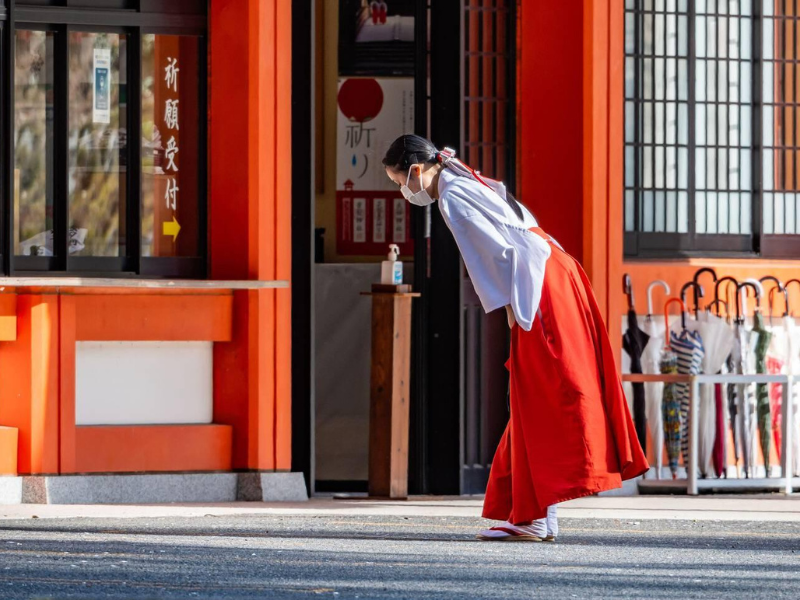
1. Do Bow as a Gesture of Respect
In Japan, bowing is a customary greeting and a gesture of respect, appreciation, or apology. A slight bow is appropriate in most situations, while a deeper bow shows extra respect for formal interactions. Learning to bow properly shows locals you are aware of and respect their culture.
2. Do Remove Your Shoes Indoors
Removing shoes when entering someone’s home, a temple, or traditional accommodations like ryokans is standard in Japan. This custom helps maintain cleanliness, and indoor slippers are usually provided for use inside. Being mindful of this rule will make a good impression and avoid any accidental faux pas.
3. Do Follow Proper Dining Etiquette
Dining in Japan comes with its own set of rules, especially when it comes to using chopsticks. Avoid sticking chopsticks upright in rice, as this resembles a funeral ritual, and never pass food directly from chopstick to chopstick. Saying “Itadakimasu” before meals and “Gochisousama deshita” afterward is a polite way to show gratitude.
4. Do Respect Public Spaces and Keep Noise to a Minimum
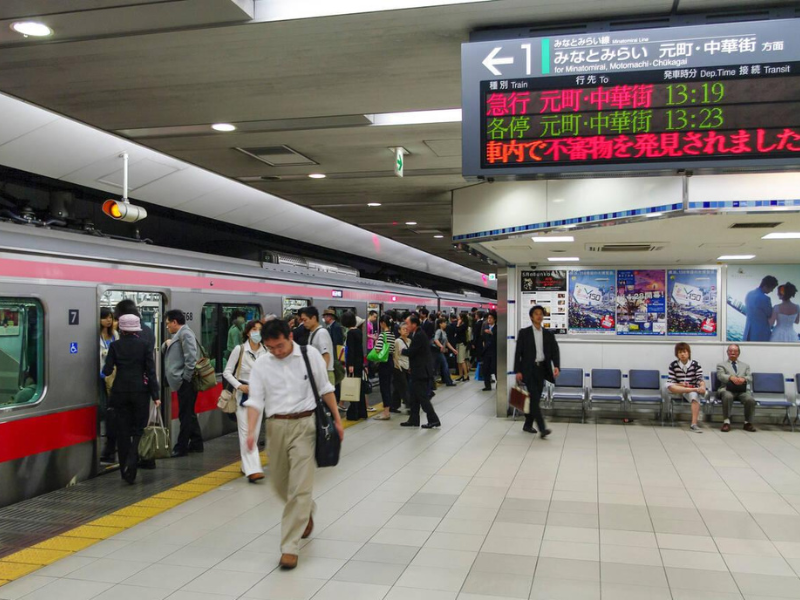
Japanese culture places a high value on peace and quiet in public spaces, especially on transportation. Talking loudly or taking phone calls on public transport is considered impolite, so keeping voices low is expected. Respecting others’ space by keeping noise to a minimum is a sign of good manners in Japan.
5. Do Practice Proper Bathing Etiquette in Onsens (Hot Springs)
Visiting an onsen is a unique part of Japanese culture, but it requires following certain rules. Washing thoroughly before entering the communal baths is essential to ensure cleanliness and maintain the onsen’s serenity. Avoid letting towels touch the water, as this is generally frowned upon, and remember to enjoy the onsen respectfully.
| Do’s | Description |
| Bow as a Gesture of Respect | Bowing is a customary greeting and a way to show respect in Japan. |
| Remove Your Shoes Indoors | Always take off your shoes before entering homes, temples, and traditional accommodations. |
| Follow Proper Dining Etiquette | Avoid sticking chopsticks upright in rice and passing food directly from chopstick to chopstick. |
| Respect Public Spaces | Keep noise to a minimum, especially on public transport. |
| Practice Proper Onsen Bathing Etiquette | Wash thoroughly before entering the hot spring and avoid letting towels touch the water. |
Don’ts for Cultural Etiquette in Japan
1. Don’t Tip in Restaurants or Other Service Venues
In Japan, tipping is not part of the culture, and it may even be seen as offensive. Instead, show appreciation for excellent service with a smile or by saying “Arigatou gozaimasu.” Your gratitude will be understood and appreciated without any additional money exchanged.
2. Don’t Point at People or Things
Pointing directly at people or objects is considered impolite in Japan, as it can come across as aggressive. If you need to indicate something, use an open hand gesture with your palm up. This small adjustment in body language is a respectful way to interact in Japanese society.
3. Don’t Walk While Eating or Drinking

Unlike in many other countries, eating or drinking while walking is generally avoided in Japan, especially in public places. People usually stand still or sit down to eat, and designated eating areas are common. By following this rule, you align with local customs and keep public areas clean and pleasant for everyone.
4. Don’t Enter Sacred Spaces Without Permission
Japan has many temples and shrines that are considered sacred spaces, and each one has its own rules. It’s important to check for signs or follow local cues about which areas are accessible to visitors. Observing these rules shows respect for the space and the traditions it represents.
5. Don’t Blow Your Nose in Public
Blowing your nose in public is viewed as unhygienic and inconsiderate in Japanese culture. If you must blow your nose, step aside or go to a private place to do so discreetly. This small gesture of consideration goes a long way in respecting Japanese customs.
| Don’ts | Description |
| Don’t Tip | Tipping is not customary in Japan and may even be considered rude. |
| Don’t Point at People or Things | Instead of pointing, use an open hand with the palm facing up. |
| Don’t Walk While Eating or Drinking | It’s customary to eat while sitting or standing still. |
| Don’t Enter Sacred Spaces Without Permission | Some areas in temples and shrines may be off-limits to visitors. |
| Don’t Blow Your Nose in Public | It’s considered impolite; step aside to do so discreetly. |
Frequently Asked Questions (FAQ)
1. What should I do if I accidentally offend someone in Japan?
Mistakes can happen, and Japanese people are usually understanding if you make an effort to apologize politely. A simple “Sumimasen” (excuse me or I’m sorry) with a respectful bow will convey your regret. Showing humility and respect will generally be appreciated and understood by locals.
2. Are there specific clothing norms I should follow in Japan?
Japan values modesty, especially when visiting temples, shrines, and other sacred places. Avoid overly revealing clothing, and opt for respectful attire in these areas. Dressing appropriately reflects an awareness of local customs and is generally appreciated by the community.
3. Is it acceptable to take photos in temples and public places?
Photography rules vary depending on the place, especially in temples and shrines where certain areas are considered sacred. Always look for signs indicating whether photography is allowed, and ask permission if in doubt. Following these guidelines will help you avoid misunderstandings and show respect for sacred spaces.
4. How can I show appreciation to my Japanese hosts?
In Japan, small, thoughtful gifts, known as “omiyage,” are a traditional way to express gratitude. These gifts don’t need to be expensive but should be chosen with thoughtfulness, ideally something from your home country. Offering a small gift can make a positive impression and show your appreciation for Japanese hospitality.
Sayonara with Style: Wrapping Up Your Cultural Etiquette Essentials
Japan’s unique etiquette offers a glimpse into a society that deeply values respect, humility, and consideration. Embracing these cultural norms will enhance your experience, allowing you to connect meaningfully with locals. With a little preparation, you’ll enjoy a smoother, more fulfilling journey through Japan, experiencing the country not just as a tourist but as a respectful visitor.