Welcome to the vibrant world of Cambodia, a land rich in history and culture. From the majestic temples of Angkor Wat to the bustling markets of Phnom Penh, Cambodia offers a tapestry of experiences waiting to be explored.
Discover the allure of ancient ruins, the warmth of Khmer hospitality, and the flavors of traditional cuisine. Unravel the mysteries of a country shaped by both triumphs and tribulations, where every corner tells a story of resilience and renewal. Let’s delve into the heart of Cambodia and uncover the treasures that make this Southeast Asian gem truly unique.
Understanding Ecotourism
Definition and Importance
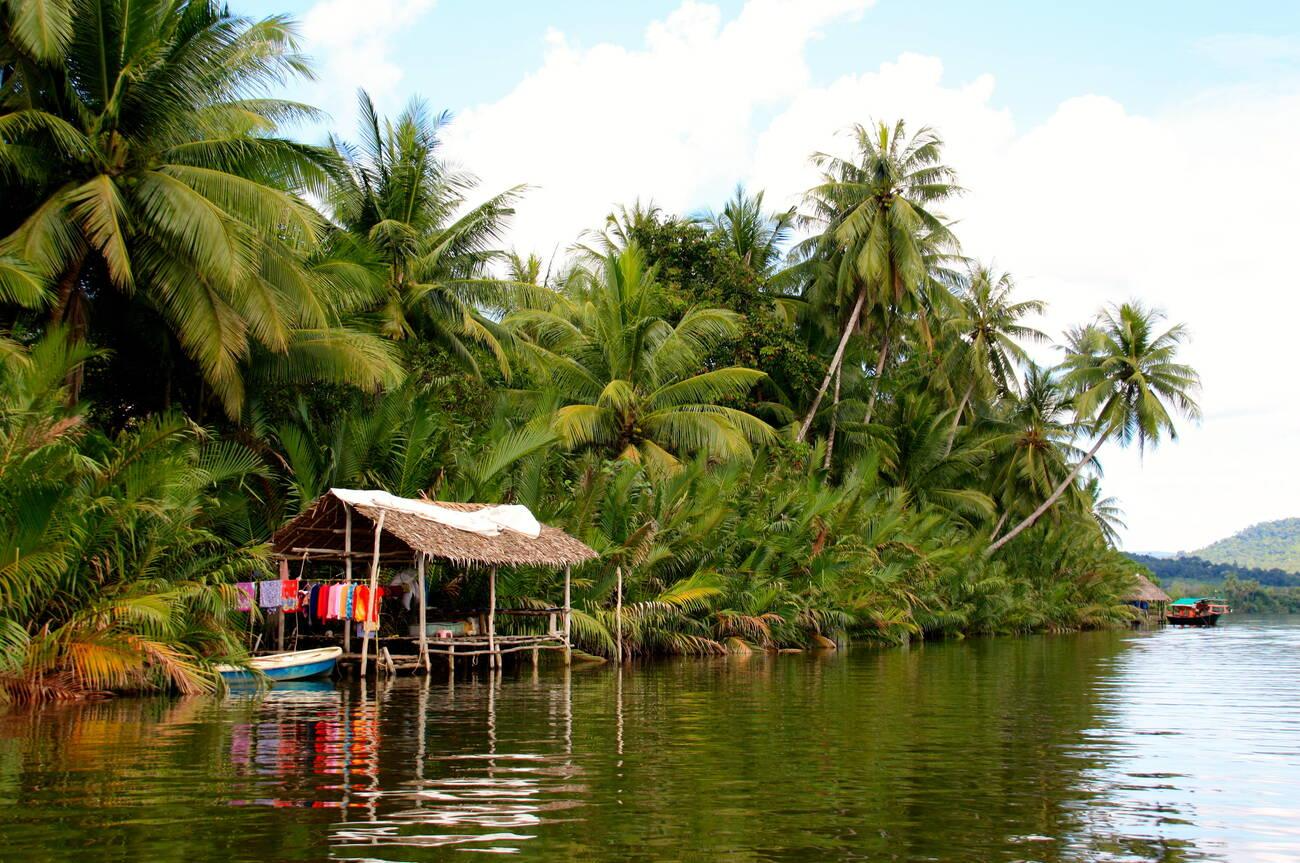 Ecotourism focuses on responsible travel to natural areas, conserving the environment, and improving the well-being of local people. It plays a crucial role in raising awareness about environmental conservation and sustainable practices. By promoting ecotourism, countries like Cambodia can protect their unique ecosystems while providing economic opportunities for local communities.
Ecotourism is vital as it helps preserve biodiversity, supports conservation efforts, and reduces the negative impacts of traditional tourism. It encourages travelers to engage with nature respectfully and educates them about the importance of protecting fragile ecosystems. This sustainable form of tourism also contributes to the overall well-being of local communities by creating jobs, supporting local businesses, and preserving cultural heritage.
Environmental Benefits
Ecotourism in Cambodia offers numerous environmental benefits such as protecting wildlife habitats, reducing carbon footprints, and promoting sustainable resource management. It helps conserve endangered species like the Irrawaddy dolphin in the Mekong River and supports reforestation projects to combat deforestation. The emphasis on low-impact activities and eco-friendly accommodations minimizes harm to natural environments, ensuring their long-term preservation.
- Preserves wildlife habitats
- Reduces carbon footprints
- Promotes sustainable resource management
Community Benefits
In Cambodia, ecotourism empowers local communities by providing alternative livelihoods, preserving traditional cultures, and fostering community-led conservation initiatives. It allows villagers to showcase their customs and traditions, creating a sense of pride and cultural exchange among visitors. By involving locals in decision-making processes and revenue-sharing mechanisms, ecotourism ensures that communities benefit directly from tourism activities.
- Provides alternative livelihoods
- Preserves traditional cultures
- Fosters community-led conservation initiatives
Top Ecotourism Destinations
Northeastern Treasures
Northeastern Cambodia boasts a plethora of ecotourism gems waiting to be explored. The Mondulkiri Province, with its lush forests and majestic waterfalls, offers a serene escape into nature. Visitors can witness the traditional lifestyle of indigenous communities like the Pnong people, adding a cultural touch to their eco-adventure. The Seima Protection Forest stands out as a biodiversity hotspot, home to various endangered species like elephants and gibbons.
Central Region Highlights
In the central region, Kratié is a hotspot for ecotourism enthusiasts. The Mekong River flowing through this province provides a picturesque backdrop for dolphin watching. Tourists can embark on boat tours to catch glimpses of the rare Irrawaddy dolphins in their natural habitat. The Sambor Prei Kuk Archaeological Site offers a blend of history and nature, showcasing ancient temples amidst lush greenery.
- Pros:
- Rich biodiversity
- Cultural immersion opportunities
- Cons:
- Limited infrastructure
- Seasonal variations in wildlife sightings
Coastal Adventures
 Heading to the coast, Koh Rong and Koh Rong Samloem islands beckon with their pristine beaches and vibrant marine life. Snorkeling and diving opportunities abound in the crystal-clear waters surrounding these islands, allowing visitors to explore colorful coral reefs teeming with marine biodiversity.
Wildlife Adventures
Bird Watching Spots
Cambodia offers exquisite bird watching spots for nature enthusiasts. The Prek Toal Bird Sanctuary, located in the Tonle Sap Biosphere Reserve, is a prime spot to witness various bird species. Visitors can observe the majestic sight of endangered birds like the spot-billed pelican and milky stork.
Key locations:
- Prek Toal Bird Sanctuary
- Ang Trapeng Thmor Sarus Crane Reserve
National Parks
 Exploring Cambodia’s national parks provides a unique opportunity to immerse in its diverse wildlife. Virachey National Park, located in the northeast, is home to rare species like the clouded leopard and sun bear. Visitors can trek through lush forests and witness the rich biodiversity firsthand.
Notable parks:
- Virachey National Park
- Botum Sakor National Park
Marine Life Encounters
Diving into Cambodia’s coastal waters unveils a vibrant marine ecosystem waiting to be explored. The waters around Koh Rong Island are perfect for snorkeling and diving adventures. Witness colorful coral reefs, tropical fish, and even rare species like seahorses in their natural habitat.
Must-visit sites:
- Koh Rong Island
- Koh Tang Island
Cultural Experiences
Village Tours
Explore Cambodia’s rural charm through immersive village tours. Witness daily life in local communities. Engage with villagers to understand their customs and traditions. Discover unique craftsmanship and traditional practices passed down through generations.
Immerse yourself in the vibrant atmosphere of bustling markets and serene countryside. Interact with friendly locals, gaining insights into their daily routines and cultural heritage. Experience the warmth and hospitality of Cambodian villagers as they welcome you into their homes.
Traditional Crafts
Discover the rich artistic heritage of Cambodia through traditional crafts. Witness skilled artisans creating intricate pottery, textiles, and wood carvings. Learn about the historical significance of these crafts in Cambodian culture.
Admire the craftsmanship and attention to detail in each handmade piece. Purchase authentic souvenirs directly from local artisans, supporting their livelihoods and preserving traditional craftsmanship for future generations.
Local Festivals
 Participate in colorful festivals that showcase Cambodia’s vibrant culture and traditions. Witness elaborate ceremonies, lively parades, and traditional performances. Immerse yourself in the festive spirit alongside locals, celebrating age-old customs and beliefs.
Experience the excitement of festivals such as Khmer New Year and the Water Festival. Indulge in delicious street food, enjoy traditional music and dance performances, and join in the joyful festivities that bring communities together.
Responsible Travel Tips
Support Local Economies
When traveling to Cambodia, consider buying souvenirs directly from local artisans to support local economies. By purchasing goods from local markets and small businesses, you contribute to the livelihood of Cambodian communities. Opt for accommodations that are locally owned, enabling your stay to have a more significant impact on the region’s economy.
Supporting local economies in Cambodia also involves participating in community-based tourism initiatives. These programs provide authentic experiences while directly benefiting local residents. Engaging in activities like homestays or guided tours led by community members ensures that your travel positively impacts the local economy.
Respect Wildlife
Respecting wildlife in Cambodia is crucial to preserving the country’s biodiversity. Avoid supporting attractions that exploit animals for entertainment, such as elephant rides or wildlife selfies. Instead, visit ethical sanctuaries and national parks that promote conservation efforts and responsible interactions with wildlife.
When exploring natural habitats in Cambodia, maintain a safe distance from animals and refrain from feeding them human food. By respecting wildlife’s natural behaviors and habitats, you help protect endangered species and contribute to sustainable ecotourism practices.
Eco-Friendly Practices
Embrace eco-friendly practices during your travels in Cambodia by minimizing single-use plastics and opting for reusable alternatives. Carry a refillable water bottle and use eco-friendly toiletries to reduce plastic waste and support environmental conservation efforts. Participate in beach clean-ups or tree planting initiatives to actively contribute to preserving Cambodia’s natural beauty.
Engage in sustainable transportation options like cycling or walking to explore Cambodia’s cities and countryside, reducing carbon emissions and promoting eco-friendly travel. Choose accommodations that prioritize sustainability, such as eco-lodges or hotels with green certifications, to minimize your environmental impact during your stay.
| Category | Highlights |
| Understanding Ecotourism | Focuses on conserving nature, reducing carbon footprints, and benefiting local communities. |
| Top Destinations | Mondulkiri (forests, waterfalls), Kratié (dolphin-watching), Koh Rong (marine life). |
| Wildlife Encounters | Irrawaddy dolphins (Mekong River), clouded leopards (Virachey National Park), bird species (Prek Toal Bird Sanctuary). |
| Responsible Travel Tips | Support local artisans, avoid animal exploitation, minimize waste, and engage in eco-friendly activities. |
FAQs for Ecotourism in Cambodia
What is ecotourism, and why is it important in Cambodia?
Ecotourism is responsible travel that focuses on conserving natural environments and benefiting local communities. In Cambodia, it helps protect biodiversity, support local livelihoods, and promote sustainable tourism practices.
What are the best ecotourism destinations in Cambodia?
Top spots include Mondulkiri for its lush forests and waterfalls, Kratié for dolphin-watching on the Mekong River, and Koh Rong for pristine beaches and vibrant marine life.
How can travelers practice responsible tourism in Cambodia?
Travelers can support local economies by purchasing goods from local artisans and staying in community-based accommodations. Respecting wildlife, avoiding exploitative attractions, and embracing eco-friendly practices like minimizing plastic waste are also essential.
What wildlife can be seen through ecotourism in Cambodia?
Visitors can spot endangered species like Irrawaddy dolphins in Kratié, clouded leopards in Virachey National Park, and diverse bird species at Prek Toal Bird Sanctuary. Marine life such as colorful corals and tropical fish can be explored around Koh Rong Island.
Final Remarks
You’ve now explored the essence of ecotourism, discovering top destinations, wildlife encounters, cultural immersion, and responsible travel tips. By embracing ecotourism, you not only witness the beauty of nature but also actively participate in its preservation. Remember, your choices as a traveler can make a significant impact on the environment and local communities.
As you plan your next adventure, consider how you can contribute positively to the places you visit. Whether it’s supporting conservation efforts, respecting local traditions, or minimizing your ecological footprint, every action counts. Let’s strive to be mindful travelers who leave destinations better than we found them. Your journey towards responsible and enriching travel starts now!