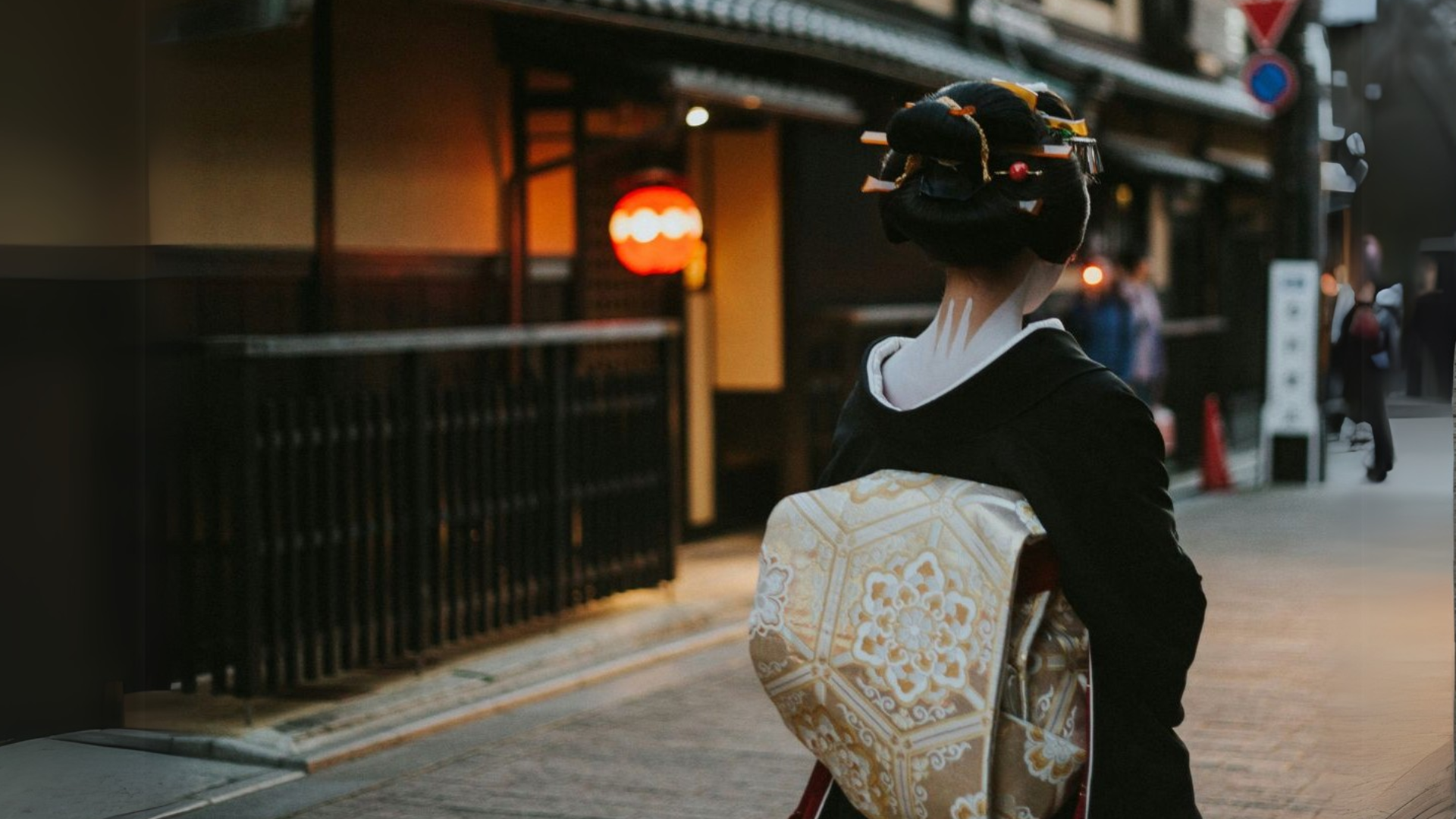
As dusk settles over Kyoto, the lantern-lit streets of Gion shimmer with an otherworldly glow. The rhythmic click of wooden geta sandals echoes softly along stone-paved alleyways, blending with the distant hum of a shamisen. Paper lanterns sway gently in the evening breeze, casting fleeting shadows upon centuries-old machiya townhouses. In this moment, time slows, and the spirit of old Japan awakens.
Gion is located at Gionmachi, Higashiyama Ward, Kyoto, 605-0074, Japan. It is a place where tradition is not merely preserved—it is lived. Here, geiko (the Kyoto term for geisha) and their apprentice maiko glide gracefully through the district, their silk kimono whispering as they move. Their presence is an art form in itself, embodying the refined customs and artistry of Japan’s cultural heritage. Beyond the allure of these elusive figures, Gion is a haven for artisans who have dedicated their lives to craftsmanship, from delicate porcelain and handwoven textiles to the intricate art of tea ceremony. To walk through Gion is to step into a living museum, where Kyoto’s rich traditions continue to thrive amidst the modern world.
From Pilgrims to Artistry: The Evolution of Gion
Photo from travel.rakuten.com
Gion’s story is one of transformation, from a simple rest stop to a world-renowned cultural hub. This district has evolved over centuries, yet its essence remains deeply tied to Kyoto’s past. Understanding its journey helps us appreciate the elegance and heritage that define it today
Humble Beginnings: A Pilgrim’s Rest Stop
Gion’s origins date back to the late 19th century, when it first emerged as a rest stop for weary travelers on their way to Yasaka Shrine. Nestled between bustling trade routes and sacred temple grounds, the district became a hub for merchants, artisans, and pilgrims seeking both spiritual fulfillment and physical respite. Small tea houses began to spring up, catering to those in need of a quiet place to rest before their journey continued.
Rise to Entertainment Epicenter
Over time, Gion’s reputation evolved beyond its role as a resting place. The tea houses that once welcomed pilgrims transformed into venues of entertainment, attracting skilled performers trained in traditional Japanese arts. This gave rise to the flourishing geisha culture, as Kyoto’s elite sought refined companionship, music, and dance performances in an atmosphere of elegance. Today, Gion remains one of Japan’s most prestigious geisha districts, preserving a centuries-old art form that continues to captivate visitors from around the world.
3 Architectural Marvels: A Walk Through Time
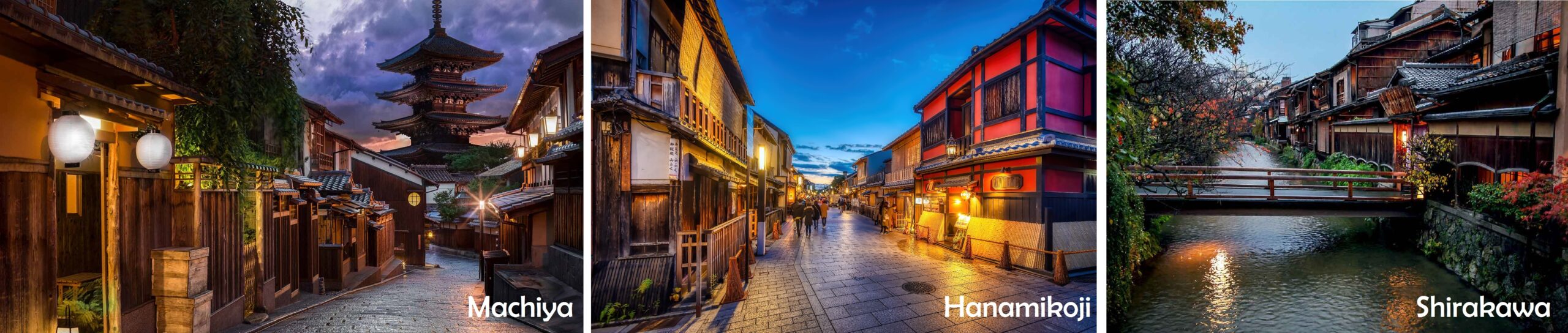
The charm of Gion isn’t just in its cultural heritage—it’s in the very structures that line its streets. From wooden townhouses to tranquil riverside settings, Gion’s architecture is a living testament to Kyoto’s past
1. Machiya Magic: Kyoto’s Quintessential Townhouses
Gion’s streets are lined with machiya, traditional wooden townhouses known for their narrow facades and deep interiors. These architectural gems, dating back to the Edo period, are a testament to Kyoto’s commitment to preserving its past. Many of these historic buildings have been restored and repurposed as teahouses, specialty shops, and high-end restaurants, allowing visitors to experience a slice of Kyoto’s history firsthand.
2. Hanamikoji Street: The Heartbeat of Gion
The bustling Hanamikoji Street is the district’s main thoroughfare, where visitors can witness the timeless elegance of geiko and maiko as they move between appointments. Lined with ochaya (teahouses) and exclusive ryotei (traditional restaurants), Hanamikoji exudes an atmosphere of refined charm. Walking down this historic street at twilight, when lanterns glow softly against the dark wooden facades, is a quintessential Gion experience.
3. Shirakawa Serenity: A Riverside Retreat
For those seeking a quieter side of Gion, the Shirakawa Area offers a tranquil escape. The Shirakawa Canal winds through this picturesque neighborhood, its banks adorned with weeping willow trees that sway gently in the wind. Small bridges cross over the water, leading to hidden ryotei and intimate teahouses. Dining by the canal, with the sound of flowing water and the scent of incense lingering in the air, is an unforgettable experience.
Cultural Encounters: Embracing Gion’s Traditions
Gion is more than just a place—it’s an experience. Here, time-honored traditions come alive through encounters with geiko, mesmerizing performances, and the timeless beauty of Kyoto’s heritage.
A. Geisha Glamour: Witnessing Living Art
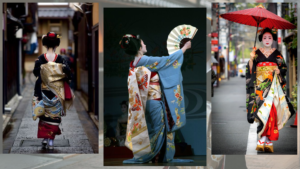
Photos from pinterest
To witness a geiko or maiko in Gion is to glimpse a world of grace, discipline, and artistry. These highly trained performers dedicate years to mastering classical dance, traditional music, and the art of conversation. Their skills are honed through a rigorous apprenticeship that includes daily lessons in shamisen playing, tea ceremony etiquette, and refined movement. Every gesture, from the tilt of a fan to the bow of their heads, is intentional and elegant.
For the best chance of seeing them, visit Hanamikoji Street in the early evening, when they make their way to exclusive engagements. However, these moments are fleeting, as geiko and maiko walk swiftly between appointments, avoiding unnecessary interactions. Remember to observe with respect—refrain from blocking their path or taking intrusive photographs. If you wish for a more intimate experience, consider attending a tea ceremony where a maiko will host, perform traditional dances, and engage in conversation with guests in a serene setting.
B. Stage Spectacles: Traditional Performances
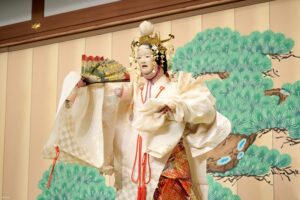
Photo from klook.com
For a deeper appreciation of Gion’s artistic heritage, attend a performance at Gion Corner, where multiple traditional arts—tea ceremony, koto music, ikebana (flower arranging), Kyogen (comic plays), and maiko dances—are showcased in a single sitting. This is one of the most accessible ways for visitors to experience Kyoto’s classical arts in a short but immersive format.
For more information, please find the details about Gion Corner below:
- Address: 570-2 Gionmachi Minamigawa, Higashiyama Ward, Kyoto, 605-0074, Japan
- Phone: +81-(0)75-561-1119
- Website: https://www.kyoto-gioncorner.com/global/en.html
- Ticket Fee: ¥3,300 – ¥6,600 depending on the seat
- Regular Performance: Monday-Sunday, 6:00pm – 7:00pm
- Winter Performances: Tuesday to Friday on December 1st to March 14th. 6:00pm – 7:00pm
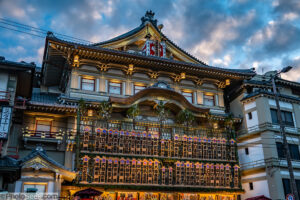
Photo from photoseek.com
Those interested in kabuki theater can visit Minami-za Theatre, Kyoto’s oldest kabuki playhouse, which has been staging performances for over 400 years. Kabuki is a dramatic form of classical Japanese theater featuring elaborate costumes, exaggerated expressions, and powerful storytelling. The performances at Minami-za bring Japan’s classical tales to life, offering a spectacular fusion of history, art, and emotion. For first-time visitors, English audio guides and subtitles are often available to help follow the intricate narratives.
If you’re interested in watching a performance, please find the details about Minami-za Theatre below.
- Address: 198 Nakanomachi, Shijodori Yamatooji Nishiiru, Higashiyama-Ku, Kyoto 605-0075 Kyoto Japan
- Phone: +81 75-561-1155
- Program : Varies each month
- Ticket Fee : Depends on the program offered
- Website: https://www.kabukiweb.net/theatres/minamiza/
2 Sacred Spaces: Spiritual Sanctuaries in Gion
Amidst the energy of Gion’s streets lie sacred spaces that offer moments of reflection and spiritual connection. These historical sites tell the story of Kyoto’s deep-rooted traditions.
1. Yasaka Shrine: Guardian of Gion

Photo from Tripadvisory.com
Located at the eastern edge of Gion, Yasaka Shrine has stood as a guardian of the district for over a thousand years. This vibrant Shinto shrine is particularly famous for hosting the Gion Matsuri, Kyoto’s most celebrated festival. Visitors can explore its striking vermilion torii gates and peaceful inner sanctuaries while soaking in its spiritual significance.
If you’re interested in visiting, please find the details about Yasaka Shrine below:
- Address: 625 Gion-cho Kitagawa, Higashiyama-ku, Kyoto City, Kyoto Prefecture , 605-0073
- Phone: 075-561-6155
- Website: https://www.yasaka-jinja.or.jp/
- Admission: Free
- Business Hours: Daily, 24 hours
- Reception hours at the shrine office: 9:00am – 5:00pm
- Reception hours for prayers: 9:00am – 4:00pm
2. Kenninji Temple: Zen Amidst the Bustle
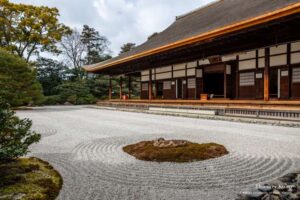
Photo from Discover Kyoto website
A short walk from Gion’s lively streets leads to Kenninji Temple, Kyoto’s oldest Zen temple. Established in 1202, the temple is a haven of tranquility, featuring meticulously maintained gardens and breathtaking artworks, including the iconic twin dragon ceiling painting. Here, visitors can experience the meditative stillness that defines Zen Buddhism.
If you’re interested in visiting, please find the details about Kenninji Temple below:
- Address: 584 Komatsucho, Higashiyama-ku, 605-0811 Kyoto Japan
- Phone: 075-561-0190.
- Website: https://www.kenninji.jp/
- Admission Fee: Adults 800 yen and Students 500 yen
- Business Hours: Monday-Sunday 10:00am – 4:30pm (reception closes at 5:00pm)
Savoring Kyoto: Gion’s Culinary Delights

Photos from pinterest
No visit to Gion is complete without indulging in its unique culinary traditions. Kyoto’s food scene is deeply tied to its history, with dishes that reflect the city’s refined aesthetics, seasonal ingredients, and delicate flavors.
| Dish Name | Description | Best Way to Enjoy |
| Kaiseki Ryori | A multi-course meal emphasizing seasonal ingredients and presentation. | In a traditional ryotei (Japanese restaurant), where each dish is served with artistry and precision. |
| Yudofu | Simple yet flavorful boiled tofu, often enjoyed with dipping sauces. | At a specialist tofu restaurant in the winter months, such as in the Nanzenji area, where natural spring water enhances the flavor. |
| Matcha Sweets | Confections infused with Kyoto’s renowned green tea powder. | Paired with a bowl of whisked matcha tea at a historic tea house like Tsujiri or Ippodo. |
| Yatsuhashi | Kyoto’s signature sweet, made from glutinous rice flour, sugar, and cinnamon, available in soft (nama) or crispy varieties. | Fresh (nama yatsuhashi) with a sweet bean filling, or crunchy as a souvenir snack from shops along Shijo Street. |
| Gion Sushi | Kyoto-style sushi, often featuring lightly seasoned or marinated fish instead of raw toppings. | At a sushi counter where chefs prepare each piece with delicate care, focusing on Kyoto’s subtle flavors. |
Festive Spirits: Celebrations in Gion
Gion is known for its vibrant festivals, where history and tradition come to life. Throughout the year, lively parades, elegant dances, and ancient rituals can be witnessed. These events offer a rare chance to experience Kyoto’s rich cultural heritage.
A. Gion Matsuri: Kyoto’s Grand Festival
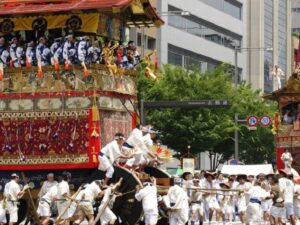
Photo from www.jrailpass.com
Every July, Gion becomes the epicenter of Gion Matsuri, one of Japan’s most revered festivals. Featuring grand float processions, traditional music, and lively street festivities, this month-long celebration is a spectacle of Kyoto’s rich cultural heritage. To fully enjoy the festival, plan your visit early and immerse yourself in the revelry.
B. Miyako Odori: Dance of the Capital
Each April, the Miyako Odori offers a rare glimpse into the world of Kyoto’s geiko and maiko through elegant dance performances. Held at the Gion Kobu Kaburenjo Theater, this event showcases the poise and artistry of Gion’s most celebrated performers, making it a must-see for culture enthusiasts.
If you’re interested in watching a performance, please find the details about Gion Kobu Kaburenjo Theater below.
- Address: 570-2 Minami-gawa Gion-cho, Higashiyama-ku, Kyoto City, Kyoto Prefecture, 605-0074 Japan
- Phone: 075-541-3391 (Weekdays 10:00-17:00)
- Website: https://miyako-odori.jp/
Practical Tips for Exploring Gion
A visit to Gion is a step into Kyoto’s past. To respect its traditions, certain etiquette should be followed. With proper planning, the experience can be more enjoyable and immersive.
Getting There
Gion is easily reached from Kyoto Station by bus, train, or even bicycle.
- By Bus: The Kyoto City Bus #100 or #206 stops at Gion (Gion-Shijo Station). Buses run frequently, but they can be crowded, especially during peak seasons.
- Via Train: The Keihan Line stops at Gion-Shijo Station, just a short walk from the district. The Hankyu Line also connects via Kawaramachi Station, a 10-minute walk away.
- On Foot: Walking from Kiyomizudera or Yasaka Shrine is a scenic option. Gion’s narrow alleys and historic streets are best explored at a leisurely pace.
- Using a Bicycle: Cycling is a great way to explore Kyoto, but riding inside Gion’s busiest areas is discouraged. Bicycles should be parked in designated areas before entering the district.
Proper Etiquette for Visiting Gion: Show Respect & Appreciation
Respecting Gion’s traditions enhances the experience and helps preserve its cultural heritage. Follow these simple guidelines for a mindful visit.
- Respect Geiko and Maiko – Do not follow, block, or photograph them without permission.
- Follow Photography Rules – Observe “No Photography” signs and avoid flash.
- Keep Noise Levels Low – Speak softly, especially in residential and evening hours.
- Do Not Touch Buildings – Avoid leaning on or entering historic machiya townhouses.
- Avoid Eating While Walking – Enjoy food at designated restaurants or tea houses.
- Be Mindful of Traffic – Stay on sidewalks and avoid blocking narrow streets.
- Dispose of Trash Properly – Carry your waste, as public bins are limited.
- Dress Modestly at Temples – Wear appropriate clothing and behave respectfully.
Please take note: When visiting Gion, respect for its people, traditions, and cultural heritage should always come first. By following proper etiquette, visitors can help preserve the district’s beauty for future generations. When in doubt, simply ask—kindness and mindfulness go a long way in ensuring a meaningful and respectful experience.
Conclusion: A Timeless Experience
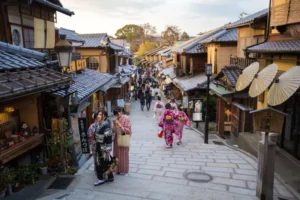
Photo from dreamstime.com
To visit Gion is to step into a world where the past lingers in every shadow and tradition breathes in every moment. As dusk settles, paper lanterns cast a warm glow upon cobbled streets, and the faint melody of a shamisen drifts through the air. Geiko and maiko glide gracefully between centuries-old teahouses, their silk kimono whispering stories of artistry and refinement. Every turn reveals a piece of Kyoto’s soul—whether in the quiet beauty of Shirakawa’s riverside, the delicate flavors of kaiseki cuisine, or the meditative hush of Yasaka Shrine at dawn.
Here, history is not just preserved—it is lived. To wander Gion is to become part of its story, to feel its magic in every step, and to carry its enchantment long after you leave. Let Gion awaken your senses, inspire your spirit, and invite you to return to its timeless embrace.
Frequently Asked Questions (FAQ) About Gion, Kyoto
When is the best time to visit Gion?
Gion is magical year-round, but the best times to visit are during spring (cherry blossom season) and autumn (when the leaves turn vibrant shades of red and gold). The Gion Matsuri festival in July is also a major highlight.
Is there an entrance fee to visit Gion?
No, Gion is a public district, so walking through the streets is free. However, experiences like tea ceremonies, cultural performances, and dining at a tea house come with a fee.
Can I book a tea ceremony with a geisha or maiko in Gion?
Yes, but these experiences are exclusive and often require reservations through ryotei (traditional restaurants) or cultural experience programs. Some tea houses offer performances by maiko for visitors.
What is the difference between a geiko and a maiko?
A maiko is an apprentice geisha, typically younger, wearing elaborate kimono and decorative hairstyles. A geiko is a fully trained geisha, known for their refined performances and understated elegance.
Can I wear a kimono while exploring Gion?
Absolutely! There are many kimono rental shops in Kyoto where you can dress in traditional attire and stroll through Gion for an immersive experience.
Can I take a guided tour of Gion?
Yes! Many local guides offer walking tours, including history-focused tours, night tours, and even geisha culture experiences. Booking a tour can provide deeper insights into the district’s heritage.