Nestled in the heart of Kyoto, Ryoan-ji Temple is a sanctuary of serenity, a place where time slows down, and the mind finds stillness. This UNESCO-listed Zen temple is famous for its enigmatic rock garden, a masterpiece of minimalism that has intrigued visitors for centuries. Unlike other lavishly decorated temples in Kyoto, Ryoan-ji embraces simplicity, allowing the viewer’s imagination to take center stage. The garden’s true meaning remains a mystery, sparking countless interpretations. Some believe it represents islands floating in the sea, others see a tiger leading her cubs, while some view it as an abstract reflection of Zen philosophy. Whatever the interpretation, its quiet beauty captivates all who visit, making it one of Kyoto’s most thought-provoking destinations.
Why You Simply Can’t Miss This Zen Oasis
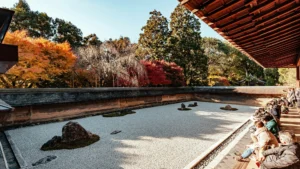
Photo from Discover Kyoto website
Ryoan-ji’s Zen Rock Garden is unlike any other in the world. It embodies Japan’s deep-rooted Zen philosophy, where simplicity speaks volumes. While Kyoto is home to many stunning gardens, this one stands out because of its abstraction. There are no vibrant flowers, koi ponds, or towering trees—just stones and gravel, yet it leaves an unforgettable impression.
Visitors come not just to see the garden but to experience it—its stillness, balance, and harmony encourage deep reflection. The garden teaches an unspoken lesson: beauty and meaning can be found in the simplest things. Unlike Kyoto’s other grand temples, Ryoan-ji offers a quiet, intimate space where nature and human design coexist in perfect tranquility. A visit here is not just a sightseeing stop but a meditative journey into the essence of Zen.
Find the details below for more information:
- Address: 13, Ryoanji Goryonoshitacho, Ukyo-ku Kyoto-shi, Kyoto, 616-8001, Japan
- Phone: +81754632216
- Website: http://www.ryoanji.jp/smph/eng/
- Admission Fee: 600 yen for adults, 500 yen for high school students, and 300 yen for elementary and junior high school students.
- Business Hours: Open from 8:00 AM to 5:00 PM from March to November and from 8:30 AM to 4:30 PM from December to February.
A Stroll Through Time: The History of Ryoan-ji
Originally an aristocrat’s villa, Ryoan-ji was transformed into a Zen temple in the late 15th century under the Hosokawa clan’s rule. The temple has withstood the test of time, surviving wars, fires, and reconstructions. The origins of the famous rock garden remain uncertain, adding to its mystique. Some believe it was designed by a Zen monk, while others credit an anonymous artist. The lack of a definitive history fuels its intrigue, as visitors ponder whether it was intentionally created with a hidden message or if its meaning emerged over time.
Despite its simple appearance, this garden has drawn scholars, artists, and philosophers from around the world, earning its place as a UNESCO World Heritage Site. Today, it stands as a symbol of Japan’s cultural depth, inviting travelers to immerse themselves in its meditative embrace.
A Masterpiece in Stone: The Zen Rock Garden
With just 15 carefully placed stones on a bed of meticulously raked white gravel, the garden is the epitome of Zen aesthetics. Unlike traditional gardens that celebrate nature’s vibrancy, this one strips away excess, leaving only what is essential. The stones are strategically placed in small clusters, with the gravel meticulously raked into precise patterns. Its asymmetrical layout challenges conventional design, encouraging contemplation. Each stone has been positioned with purpose, though its true intention remains a mystery. As visitors gaze upon the garden, they are invited to clear their minds, appreciate its simplicity, and find their own interpretation of its meaning.
Symbolism and Interpretations
Is it a tiger crossing a river? Islands floating in a vast ocean? Or something deeper? The beauty of Ryoan-ji’s garden lies in its ambiguity. The simplicity forces the mind to wander, seeking patterns and meaning within the randomness. In Zen Buddhism, such exercises encourage enlightenment through contemplation. Some believe the garden symbolizes the impermanence of life, while others see it as a metaphor for the universe’s vastness. Whatever the interpretation, the experience is deeply personal, making every visit unique.
The Mind-Bending Illusion: The Hidden Stone Mystery
One of the garden’s most fascinating features is its optical illusion. No matter where you stand, you can never see all 15 stones at once—at least one is always hidden from view. Some say this symbolizes the idea that perfection is unattainable, reinforcing Zen teachings that encourage us to embrace imperfection. This mind-bending trick keeps visitors engaged, returning time and time again to unlock its secrets.
How to Enjoy the Garden Like a Zen Master
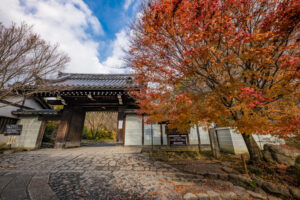
Photo from https://www.travelcaffeine.com
Experiencing Ryoan-ji’s Zen Rock Garden at the right time transforms a simple visit into a moment of true mindfulness.
Best Times to Visit for a Serene Experience
- Morning (8:00 AM – 10:00 AM): A peaceful time for quiet reflection. The soft morning light enhances the contrast between the stones and gravel, creating a tranquil atmosphere.
- Evening (3:30 PM – 5:00 PM): A golden hour experience. The warm light casts long shadows, adding depth and mystery. Fewer visitors make this an ideal time for contemplation.
How to Mindfully Experience the Garden
- Find a spot on the wooden veranda. Choose a place where you feel comfortable and sit quietly.
- Breathe deeply and relax. Let go of distractions and focus on your breathing.
- Observe the stones and gravel. Notice how they are arranged, the space between them, and how the raked patterns flow around them.
- Appreciate the changing light. Observe how the sunlight and shadows shift, creating different moods throughout the day.
- Reflect on its meaning. Ask yourself what the garden represents to you. There is no right or wrong interpretation.
- Follow proper etiquette. Speak softly, avoid using phones or loud cameras, and respect the peaceful atmosphere.
A Garden for All Seasons
- Spring: Cherry blossoms frame the garden in delicate pink hues, adding a fleeting beauty.
- Summer: Lush greenery contrasts with the stark simplicity of the stones, bringing a refreshing ambiance.
- Autumn: Fiery maple leaves create a stunning backdrop, adding a burst of warmth and depth.
- Winter: A dusting of snow enhances the garden’s meditative atmosphere, offering a scene of pure stillness.
Practical Travel Tips for Your Visit
How to Get There
- Bus Option: Kyoto City Bus #59 provides a direct and convenient route from Kyoto Station, taking approximately 30 minutes. This is a great option for those who prefer a straightforward journey.
Train Route: The Keifuku Kitano Line offers a more scenic alternative. Disembark at Ryoan-ji Station, followed by a short and pleasant 7-minute walk to the temple grounds. - Walking from Kinkaku-ji: If you’re visiting the iconic Golden Pavilion first, consider taking a leisurely 20-minute stroll to Ryoan-ji. The path is lined with seasonal beauty, making the walk an enjoyable part of the experience.
Mastering the Art of a Peaceful Visit: Essential Tips for Ryoan-ji
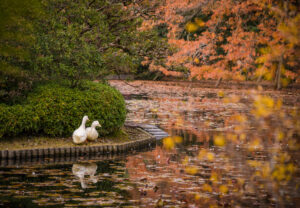
Photo from https://www.travelcaffeine.com
Visiting Ryoan-ji isn’t just about seeing a garden—it’s about immersing yourself in its tranquility. A few simple tips can help you experience its serenity to the fullest.
- Arrive Early or Late: To fully appreciate the tranquility, visit in the early morning or late afternoon when crowds are smaller.
- Silence is Golden: Maintain a quiet atmosphere to respect the Zen spirit of the garden. Avoid loud conversations and put phones on silent.
- Take Your Time: Don’t rush your visit. Sit on the wooden veranda, observe the garden, and let the stillness settle in.
- Follow Photography Etiquette: Photos are allowed, but avoid excessive picture-taking—this is a place for mindfulness, not just snapshots.
- Be Mindful of the Weather: The garden is outdoors, so check the forecast and dress accordingly. An umbrella or light jacket can be useful during rainy or chilly days.
- Wear Comfortable Shoes: Exploring Ryoan-ji involves walking, so comfortable footwear will make your visit more enjoyable.
3 Beyond the Rocks: What Else to Explore Nearby
Kyoto is a city rich in history, culture, and breathtaking landscapes. After immersing yourself in the tranquility of Ryoan-ji’s Zen Rock Garden, take the opportunity to explore these nearby attractions, each offering a unique glimpse into Japan’s timeless beauty.
1. Kinkaku-ji (The Golden Pavilion) – 1.5 km away from the garden
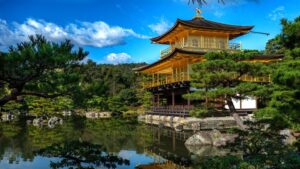
Photo from https://www.japan-guide.com
One of Kyoto’s most iconic landmarks, Kinkaku-ji is a stunning Zen temple covered in brilliant gold leaf, reflecting beautifully in the surrounding pond. This UNESCO World Heritage Site is especially enchanting in autumn when the vibrant maple leaves contrast against the golden structure. Despite being a popular tourist spot, its meticulously designed gardens and peaceful setting make it a must-visit.
Find the details below for more information:
- Address: 1 Kinkakuji-cho, Kita-ku, Kyoto City, Kyoto Prefecture 603-8361 Japan
- Phone: 075-461-0013
- Website: https://www.shokoku-ji.jp/
- Admission Fee: Adults is 500 yen while junior high school elementary students is 300 yen
- Business Hours: Monday-Sunday 9:00AM – 5:00PM
2. Ninna-ji – 1.2 km away from the garden

Photo from https://gaijinpot.scdn3.secure.raxcdn.com
A historic temple with a magnificent five-story pagoda, Ninna-ji is known for its stunning cherry blossoms in spring, particularly the late-blooming Omuro sakura. The temple complex is expansive, featuring beautiful traditional architecture and a tranquil garden, making it an ideal stop for those who appreciate both nature and history.
Find the details below for more information:
- Address: 33 Omuro-Ouchi, Ukyo-ku, Kyoto City, Kyoto Prefecture, 616-8092
- Phone: 075-461-1155
- Website: https://ninnaji.jp/
- Admission Fee: 500-800 yen (450-720 yen for groups) while free for students
- Business Hours: 9:00 AM to 5:00 PM (March to November) and 9:00 AM to 4:30 PM (December to February), with the ticket booths closing 30 minutes before closing.
3. Myoshin-ji – 2.5 km away from the garden
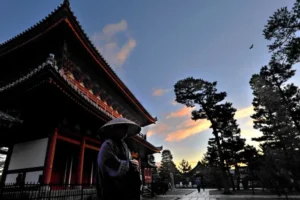
Photo from https://res-1.cloudinary.com
A hidden gem for those seeking a more off-the-beaten-path experience, Myoshin-ji is a sprawling Zen temple complex with over 40 sub-temples. While some require special permission to enter, the main grounds are open to the public and offer a peaceful retreat from Kyoto’s busier attractions. Walking through its quiet pathways, you’ll feel as though you’ve stepped back in time.
Find the details below for more information:
- Address: 616-8035 Kyoto City, Ukyo Ward, Hanazono Myoshinji-cho 1 Japan
- Phone: 075-461-5226
- Website: https://www.myoshinji.or.jp/
- Admission Fee: 500 yen for adult and 200 yen to junior high and elementary students
- Business Hours: 9:00 to 16:00 (Ticket sales close at 15:30)
Each of these destinations adds a different dimension to your Kyoto adventure, blending history, nature, and spirituality into an unforgettable journey.
Savor Kyoto: 7 Must-Try Foods Near Ryoan-ji
Taste Ryoan-ji’s Zen Rock Garden must-try foods to complete your visit.
| Food Name | Description & Taste | Best Way to Eat |
| 1. Yudofu (Tofu Hot Pot) | A simple yet elegant dish of tofu simmered in a light kombu broth. It’s smooth, delicate, and absorbs the umami flavors of the broth. | Best enjoyed in a traditional tofu restaurant. Dip the tofu in ponzu sauce for extra flavor. |
| 2. Yatsuhashi (Cinnamon Rice Crackers or Soft Mochi) | A famous Kyoto sweet that comes in two forms: crispy and baked or soft and chewy. Both versions have a delightful hint of cinnamon. | Try the fresh, soft version filled with red bean paste for an authentic Kyoto treat. |
| 3. Matcha & Wagashi | Rich, slightly bitter matcha is paired with delicate wagashi, which are often made from sweet bean paste. The contrast in flavors is perfectly balanced. | Sip the matcha slowly and savor the sweetness of the wagashi between sips. |
| 4. Saba-zushi (Mackerel Sushi) | A Kyoto specialty, this pressed sushi features vinegared mackerel on a block of seasoned rice. It has a slightly tangy and umami-rich taste. | Best eaten with a bit of pickled ginger to cleanse the palate between bites. |
| 5. Shojin Ryori | A vegetarian meal rooted in Buddhist traditions, featuring tofu, seasonal vegetables, and delicate flavors. It’s healthy, balanced, and deeply connected to Kyoto’s Zen culture. | Experience it in a temple or specialty restaurant for the most authentic flavors. |
| 6. Tsukemono | Kyoto is famous for its wide variety of pickles, from crunchy daikon radish to bright purple shibazuke. They add a refreshing contrast to any meal. | Enjoy as a side dish with rice or a palate cleanser between bites. |
| 7. Dango | These chewy rice dumplings, skewered on a stick, come in different flavors, including mitarashi (soy sauce glaze) and matcha. | Eat them fresh off the grill while strolling through Kyoto’s streets. |
No visit to Kyoto is complete without indulging in its exquisite food culture.
Final Thoughts: A Journey of Mindfulness
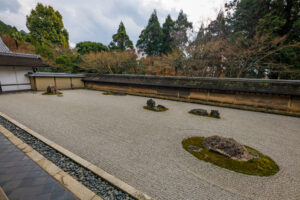
Photo from https://www.travelcaffeine.com
Ryoan-ji’s Zen Rock Garden is more than just a destination—it’s a rare opportunity to pause, reflect, and embrace the beauty of simplicity. In a world filled with noise and distractions, this timeless sanctuary reminds us of the power of stillness. Whether you seek inspiration, inner peace, or simply a moment of quiet, the garden invites you to slow down and see the world differently.
So, when you find yourself in Kyoto, don’t just visit—experience it. Sit on the wooden veranda, breathe deeply, and let the tranquility of Ryoan-ji wash over you. Let its mystery spark your imagination and its silence speak to your soul. Take this moment to be fully present, and you may just leave with more than photographs—you’ll carry home a sense of Zen that lingers long after your journey ends.
Frequently Asked Questions (FAQ)
Is photography allowed in the Zen Rock Garden?
Yes, photography is allowed, but visitors should avoid using flash and be mindful of others by keeping noise and movement to a minimum. Tripods are not permitted to maintain the peaceful atmosphere.
How long should I spend at Ryoan-ji?
Most visitors spend 30 to 45 minutes at Ryoan-ji, but those seeking a deeper meditative experience may choose to stay longer, sitting quietly and contemplating the garden.
Is Ryoan-ji wheelchair accessible?
Yes, Ryoan-ji is partially wheelchair accessible. The main pathway to the rock garden and some areas of the temple are accessible, but some traditional wooden walkways and gravel paths may be challenging to navigate.
Can I sit and meditate at Ryoan-ji’s rock garden?
Yes, visitors are encouraged to sit on the wooden veranda overlooking the garden and quietly reflect or meditate. However, please be mindful of other visitors and keep noise to a minimum.
Is Ryoan-ji suitable for children?
Yes, but since it is a place of quiet reflection, young children may find it less engaging. It’s best for older children who can appreciate its peaceful ambiance and enjoy exploring the temple grounds.
Does Ryoan-ji offer guided tours?
Ryoan-ji does not typically offer official guided tours, but audio guides and English brochures are available. Many private Kyoto tour guides include Ryoan-ji in their itineraries.