Heian Shrine, an iconic symbol of Kyoto, is a captivating blend of history, culture, and natural beauty. Established in 1895, the shrine honors Emperor Kammu and Emperor Kōmei, who played significant roles in Kyoto’s history. It stands proudly as a testament to the Heian period, a time that shaped much of Japan’s artistic and cultural identity. As one of Kyoto’s top attractions, the shrine draws visitors from around the world, offering them a glimpse into the city’s spiritual heart.
This breathtaking shrine not only serves as a place of worship but also as a major tourist destination. Its vibrant colors, elegant architecture, and tranquil gardens create a peaceful atmosphere that invites contemplation. Whether you’re a history buff or simply seeking serenity, Heian Shrine will surely leave an impression on your Kyoto journey.
History and Architecture: A Walk Through Time
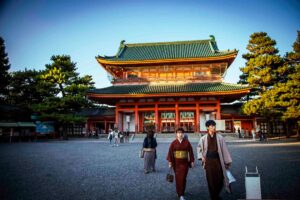
Photo from https://cdn.sanity.io
Heian Shrine’s history traces back to the Heian period (794-1185), marking an era when Kyoto became the capital of Japan. The shrine was built to celebrate the 1,100th anniversary of the Heian-kyo capital, making it a significant piece of Japan’s cultural heritage. The design of the shrine echoes the grandeur of the period, with its striking architectural features resembling the Kyoto Imperial Palace.
The shrine’s most notable feature is its imposing torii gate, one of the largest in Japan, symbolizing the boundary between the sacred and the secular. The main hall, or honden, is a beautiful example of classical Shinto architecture, with vibrant vermilion colors that stand out against the surrounding greenery. The layout of the shrine reflects the grandeur of Kyoto’s past, inviting visitors to connect with Japan’s rich traditions.
What to See and Do: More Than Just a Shrine
Heian Shrine is not only a spiritual site but also a place rich with history, culture, and natural beauty. While the main shrine itself is awe-inspiring with its striking architecture and cultural significance, there are many other features and activities within the shrine grounds that make it a must-visit destination in Kyoto. From exploring the serene gardens to experiencing traditional rituals, there’s so much to discover.
1. Visit the Main Shrine
The main shrine, or honden, is the heart of Heian Shrine and a stunning example of traditional Shinto architecture. The bright vermillion-colored structure, with its sweeping roofs and intricate details, offers a glimpse into the grandeur of the Heian period, when Kyoto was the imperial capital. The shrine is dedicated to Emperor Kammu and Emperor Komei, who are enshrined within the structure. Visitors can approach the main hall, where you can observe Shinto rituals, make offerings, or simply take in the sacred atmosphere that surrounds this iconic building.
2. Stroll in the Shinsenen Garden:

Photo from https://kyoto.travel
Located behind the main shrine, the Shinsenen Garden is a tranquil retreat featuring serene ponds, stone paths, and a variety of seasonal flowers. This peaceful garden changes with the seasons, offering different experiences throughout the year. In spring, cherry blossoms create a beautiful spectacle, while summer brings lush greenery and autumn paints the landscape with vibrant colors. It’s a perfect place for a leisurely stroll, offering a quiet escape from the more crowded areas.
3. Dive in the Historical Connection to the Kyoto Imperial Palace
Heian Shrine holds a deep historical connection to the Kyoto Imperial Palace, reflecting the traditions of the city’s imperial past. The shrine was built in 1895 to commemorate the 1,100th anniversary of the founding of Kyoto. Its architectural design mirrors the grandeur of the Kyoto Imperial Palace, offering visitors a chance to explore the royal heritage of the city. This connection enhances the cultural richness of the shrine, allowing visitors to learn more about Kyoto’s role as Japan’s capital during the Heian period.
4. Join the Aoi Matsuri Festival
 One of Kyoto’s most famous festivals, the Aoi Matsuri (Aoi Festival) is held annually in May and brings Heian Shrine’s traditions to life. The festival features a grand procession where participants, dressed in Heian-era court costumes, retrace the route of the imperial court. This colorful and vibrant event offers visitors a glimpse into the past, showcasing the ceremonial practices of the time. It’s an incredible opportunity to experience Kyoto’s cultural heritage and witness the beauty of historical Japanese rituals.
5. Exploring the Gardens
Beyond Shinsenen Garden, Heian Shrine features beautifully landscaped grounds with ornamental plants, trees, and serene water features. Visitors can wander the paths, enjoy the seasonal changes, and find spots for quiet reflection. The gardens embody the Japanese principle of harmony with nature, providing a peaceful setting for those seeking a more contemplative experience.
6. Observing Rituals and Ceremonies
Heian Shrine is an active place of worship, and visitors can observe traditional Shinto rituals and ceremonies throughout the year. These include prayers, offerings, and purification rites. Whether you visit during a festival or on a quieter day, there’s always a chance to witness the spiritual practices that are central to the shrine’s significance. Observing these ceremonies allows visitors to connect with Japan’s rich spiritual traditions and appreciate the deeper cultural practices that take place at the shrine.
7. Soaking in the History:
The historical significance of Heian Shrine is evident in its architecture, design, and role in Kyoto’s spiritual and cultural landscape. The shrine was constructed to honor the emperors who played key roles in the history of Japan, and its grand design is a reflection of the cultural heights reached during the Heian period. As you explore the shrine, you’ll gain insight into the history of Kyoto as the former capital and the traditions that continue to shape Japanese society today.
Each of these experiences enhances your visit to Heian Shrine, offering a well-rounded journey through history, culture, spirituality, and nature.
Best Time to Visit: Timing Is Everything

Photo from https://japanrailandtravel.com
The best time to visit Heian Shrine depends on what kind of experience you’re after.
- Spring (March to May):
Spring is ideal for seeing the cherry blossoms in full bloom. The delicate flowers create a magical atmosphere, making it one of the most photographed moments in Kyoto. - Autumn (September to November):
Autumn offers stunning foliage, with vibrant red, orange, and yellow leaves. This adds a warm glow to the shrine’s gardens, making the visit especially picturesque. - Off-Peak Seasons (Early Winter or Late Summer):
For a quieter experience, visiting during the off-peak seasons can help you avoid crowds. These times offer a more peaceful atmosphere, allowing for a more relaxed visit. - Mornings (Especially on Weekdays):
Mornings, particularly on weekdays, provide a tranquil atmosphere before the tourist rush begins. It’s a great time to enjoy the shrine in a more serene setting.
No matter the season, Heian Shrine’s beauty is ever-present.
Etiquette and Cultural Tips: How to Be a Respectful Visitor
When visiting Heian Shrine, it’s important to follow a few cultural guidelines to show respect for the sacred space.
Proper Conduct When Visiting Shinto Shrines
- Dress Modestly: It’s respectful to wear modest clothing when visiting Shinto shrines. Avoid overly casual attire such as shorts or tank tops, particularly during religious ceremonies or festivals.
- Be Quiet and Respectful: When entering the shrine, maintain a quiet and reverent demeanor. This is a place of worship, and loud talking or disruptive behavior can disturb others’ spiritual practices.
- Take Off Your Hat and Sunglasses: As a sign of respect, remove your hat and sunglasses when entering the main shrine building.
How to Participate in Rituals:
- Making an Offering: At the main shrine, visitors can make a small offering. To do so, approach the offering box, toss a coin into it (usually a 5-yen coin for good luck), bow deeply, clap twice, and then bow once more. This is a traditional way of showing respect to the spirits enshrined at the shrine.
- Cleansing Ritual (Temizu): Before entering the shrine, it’s customary to purify yourself at the temizuya (purification fountain). Use the ladle to scoop water and rinse your left hand, followed by your right hand, and then pour water into your left hand to rinse your mouth. Finally, clean the ladle’s handle by rinsing it with the remaining water. This ritual symbolizes the purification of mind and body before entering sacred spaces.
Respectful Photography and Guidelines on Behavior
- Ask Before Taking Photos: While photography is generally allowed in most outdoor areas, it’s important to be respectful of others’ space and privacy, especially during ceremonies. Always ask if you’re unsure about whether it’s okay to take pictures in specific areas, particularly inside the main shrine.
- Avoid Disrupting Rituals: When ceremonies or rituals are taking place, it’s best to avoid taking photos or videos. Respect the spiritual practices of those involved, and refrain from stepping into areas where participants are actively engaged in worship.
- No Flash Photography: If you do take photos, ensure that you turn off your flash, especially in indoor or sacred spaces, as it can be disruptive and disrespectful.
By following these guidelines, you’ll help preserve the sanctity of Heian Shrine and enjoy a more meaningful, respectful visit that aligns with the cultural values of the shrine and Japan’s Shinto traditions.
Practical Information: Getting There and Getting Around
Planning Your Visit? Here’s What You Need to Know About Heian Shrine:

hoto from https://gaijinpot.scdn3.secure.raxcdn.com
Heian Shrine is one of Kyoto’s most iconic landmarks, offering a rich blend of history, culture, and natural beauty. Here’s what you need to know before you go:
- Address: 06-8341 97 Nishitennocho Okazaki, Sakyo Ward, Kyoto City
- Phone: 075-761-0221
- Website: https://www.heianjingu.or.jp/
- Business Hours: Monday-Sunday, 6:00am-5:00pm while the garden open from 8:30 AM to 5:00 PM (or 5:30 PM depending on the season)
- Admission Fee : Entry to the main shrine is free, but Shinsenen Garden cost 600 yen
How to Get There: Transportation Options to Reach Heian Shrine
- By Train:
The nearest JR station is Kyoto Station, which is well-connected to the rest of the city and other regions. From Kyoto Station, you can take a Kyoto City Bus to the Heian Shrine stop for a quick and direct route to the shrine. Alternatively, Keage Subway Station is nearby, which is a convenient option if you’re traveling by subway. It’s just a short walk from the station to the shrine. - Via Bus:
You can take the Kyoto City Bus and alight at the Heian Shrine stop, which is conveniently located near the entrance. Buses in Kyoto are a great way to get around the city and connect to many major attractions. - In Car:
While driving is an option, keep in mind that parking around Heian Shrine can be limited. It’s generally better to use public transportation, but there are a few paid parking areas available nearby. - Riding the Subway:
The nearby Keage Station on the Tozai Line is a short walk from the shrine. - Other Options:
Bicycles are also a popular way to get around Kyoto. You can rent a bike and enjoy cycling through the city’s scenic routes, including those near Heian Shrine.
Accessibility and Visitor Facilities
Wheelchair Accessibility:
Heian Shrine is wheelchair accessible, ensuring that all visitors can enjoy the beautiful grounds and main shrine comfortably. There are ramps available for easy access to various areas of the shrine.
Visitor Facilities:
The shrine offers essential facilities to enhance your visit, including restrooms and souvenir shops where you can purchase traditional items and keepsakes. These amenities are conveniently located around the grounds to ensure a comfortable experience.
8 Practical Tips When Visiting Heian Shrine
- Arrive Early for a Peaceful Visit: Visit early in the morning to enjoy a quieter and more peaceful atmosphere.
- Wear Comfortable Shoes: The expansive grounds require a lot of walking, so wear comfortable shoes.
- Respect the Sacred Space: Maintain a respectful demeanor, keeping noise levels low during rituals or ceremonies.
- Bring Cash for Offerings: Bring a 5-yen coin for offerings at the shrine and cash for souvenirs.
- Check for Special Events or Festivals: Plan around events like the Aoi Matsuri to experience unique cultural activities.
- Carry a Water Bottle: Stay hydrated by bringing a water bottle, especially on warm days.
- Respect Photography Guidelines: Ask before taking photos, avoid flash, and respect others’ space.
- Use Public Transport or Rent a Bike: Take public transport or rent a bike, as parking is limited.
3 Nearby Attractions: A Culture Lover’s Dream
While Heian Shrine is a destination in itself, there are several nearby attractions that offer a deeper dive into Kyoto’s rich cultural heritage:
1. Philosopher’s Path (Approx. 15-minute walk)
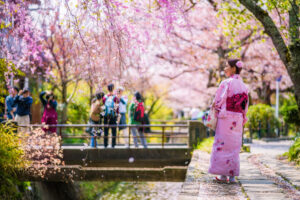
Photo from https://www.travelcaffeine.com
Just a short walk from Heian Shrine, the Philosopher’s Path is a serene canal-side walk lined with hundreds of cherry trees. This peaceful pathway offers a reflective atmosphere, especially in spring when the cherry blossoms create a stunning display of pink petals. Along the path, you’ll find traditional stone bridges, small shrines, and teahouses, making it a perfect escape from the bustle of the city. Whether you’re contemplating in nature or enjoying the vibrant colors of autumn, the Philosopher’s Path offers a tranquil experience ideal for nature lovers and those seeking solitude.
Stroll the Path located at Tetsugaku No Michi, Sakyo Ward, Kyoto, Japan. Admission is free, and the temple grounds are open 24 hours a day.
2. Kyoto Municipal Museum of Art (Approx. 10-minute walk)

Photo from Kyoto Municipal Museum of Art Website
Located nearby, the Kyoto Municipal Museum of Art is a cultural gem that celebrates Japan’s artistic history. The museum is housed in a beautifully designed building that itself is a work of art, blending traditional and modern architectural elements. With a wide range of exhibitions featuring both traditional Japanese art and contemporary works, the museum provides an insightful look into Kyoto’s artistic legacy. It’s an enriching stop for art lovers, with collections that span from ancient to modern Japan, showcasing the city’s important role in shaping the nation’s artistic development.
To explore the Kyoto City KYOCERA Museum of Art,check the information below:
- Address: 124 Okazaki Enshojicho, Sakyo Ward, Kyoto, 606-8344, Japan
- Phone: 075-771-4334
- Website: https://kyotocity-kyocera.museum/
- Business Hours: Tuesday-Sunday, 10:00AM – 6:00PM
- Admission Fee: 500 yen for adults (high school students and above) and 300 yen for elementary and junior high school students.
3. Ginkaku-ji : Silver Pavilion (Approx. 20-minute walk)

Photo from https://gaijinpot.scdn3.secure.raxcdn.com/app/uploads/sites/6/2016/05/Ginkaku-ji-Temple.jpg
Not far from Heian Shrine, Ginkaku-ji (the Silver Pavilion) is one of Kyoto’s most iconic Zen temples. Although it was never actually covered in silver, the temple’s understated elegance and its serene gardens are what make it famous. The temple is known for its beautiful Zen gardens, including a meticulously raked sand garden and a tranquil moss garden. The surrounding landscape provides a peaceful and reflective environment, perfect for visitors seeking a quiet retreat. Ginkaku-ji is an excellent place for anyone interested in Zen Buddhism and the beauty of traditional Japanese temple architecture.
To plan your visit to Heian Shrine, check the information below:
- Address: 2 Ginkakujicho, Sakyo Ward, Kyoto, 606-8402, Japan
- Phone: 075-771-5725
- Website : https://www.shokoku-ji.jp/ginkakuji/
- Admission Fee : Adults (high school students and above) are charged 500 yen, while elementary and junior high school students pay 300 yen, with no group discounts available.
- Business Hours : From March 1st to November 30th, the shrine is open from 8:30 AM to 5:00 PM, and from December 1st to the end of February, it operates from 9:00 AM to 4:30 PM.
Food to Enjoy at Heian Shrine: A Taste of Kyoto
| Food | Description | Best Way to Enjoy It |
| Yatsuhashi | A sweet treat made from rice flour, often filled with red bean paste | Perfect for a quick snack as you explore the shrine grounds |
| Kyo-Sweets | Traditional Kyoto sweets made with local ingredients like matcha and azuki beans | Pair with a warm cup of tea while relaxing in the gardens |
| Matcha Ice Cream | Creamy, green tea-flavored ice cream | Ideal for a refreshing treat during the warmer months |
Be sure to enjoy a local delicacy while you’re there, whether it’s sweet or savory!
Final Thoughts: A Journey Worth Taking

Photo from https://www.kyoto-to-do.com
Heian Shrine offers more than a glimpse into Japan’s cultural past—it provides a peaceful, reflective experience that connects visitors with Kyoto’s spiritual and historical heritage. With stunning architecture, tranquil gardens, and meaningful rituals, it’s a must-see on any Kyoto itinerary. Don’t miss the chance to experience this serene oasis, taking home memories of a place that embodies the timeless beauty of Japan.
Visiting Heian Shrine invites you to slow down, connect with nature, and reflect on Kyoto’s rich traditions. It’s an opportunity to gain a deeper appreciation for Japanese culture while enjoying a peaceful escape from the bustling city.
Frequently Asked Questions (FAQs)
Is Heian Shrine wheelchair accessible?
Yes, Heian Shrine is fully wheelchair accessible with ramps for easy access.
Can I take photos at Heian Shrine?
Photography is allowed, but it’s important to be respectful, especially during rituals or in sacred spaces.
Are there guided tours available at Heian Shrine?
Guided tours may be available, and you can inquire at the shrine’s visitor center for more information.
Can I visit Heian Shrine with children?
Yes, the shrine is family-friendly, and children can enjoy the gardens and the peaceful surroundings.
Can I bring my pet to Heian Shrine?
Pets are not typically allowed on the shrine grounds, except for guide dogs.