In recent years, the digital nomad lifestyle has gained significant traction. The allure of working from exotic destinations, setting your own hours, and being your own boss seems irresistible. But, as with most things, there’s more than meets the eye. While it’s easy to imagine sunny beaches and free-spirited living, is being a digital nomad truly as liberating and beneficial as it seems? Or does this lifestyle come with a fair share of hidden drawbacks? Let’s take a deep dive into the various aspects of this occupation and assess the pros and cons.
The Freedom to Explore: Is It a Blessing or a Curse?

Photo from https://digitaldirtroads.com
One of the primary reasons people are drawn to the digital nomad lifestyle is the freedom it offers. The ability to travel anywhere in the world while continuing to earn an income sounds like the perfect dream. But is this freedom all it’s cracked up to be?
The Good Side:
There’s no denying the appeal of location independence. As a digital nomad, you get to decide where you want to live and work, without being tied to a traditional office. Whether you choose a bustling city, a quiet beach town, or the mountains, the world is your office. This freedom can lead to increased happiness, a sense of adventure, and a lifestyle that’s rich in diverse experiences. For many, this lifestyle becomes an escape from the monotony of the 9-to-5 grind.
Moreover, the ability to explore new cultures, meet different people, and constantly refresh your surroundings can spark creativity and motivation. No more boring commutes or endless office meetings – you’re free to shape your day however you want.
The Other Side:
But what happens when the allure of freedom starts to wear thin? The constant moving from one place to another can quickly become exhausting. While it’s exciting at first to experience new places, there can be a sense of instability that creeps in over time. The effort of finding a new place to live, getting set up with reliable internet, and adjusting to a new culture can take a toll on your mental and emotional well-being.
There’s often a sense of disconnection that arises from not having a “home base.” Moving frequently means you don’t have the opportunity to establish deep, long-lasting relationships, and that can leave you feeling isolated.
Work-Life Balance: The Tightrope Walk
For many digital nomads, the appeal of being their own boss comes with the ability to set their own work hours. This flexibility can be freeing, but it also raises the question: can you truly balance work and life when there are no boundaries?
The Good Side:

Photo from https://insights.quantuvos.com
Flexibility is arguably one of the best aspects of the digital nomad lifestyle. With no set office hours, you can structure your day in a way that works best for you. Want to work in the morning and have afternoons free for sightseeing? Or perhaps you’re more productive late at night? The power to decide when and where you work is in your hands. This kind of autonomy can increase job satisfaction and allow for a healthier work-life balance.
Additionally, many digital nomads find that without the pressure of commuting and office politics, they experience less stress and more freedom. This can lead to increased productivity during work hours, as there are fewer distractions from colleagues or managers.
The Other Side:
However, the lack of a structured schedule can sometimes work against you. Many digital nomads struggle with separating work from leisure, as their “office” is often the same place they relax. It can be easy to overwork when your laptop is always within reach. Without clear boundaries, it’s easy to fall into the trap of working late into the night or constantly checking emails during your time off. This can quickly lead to burnout.
The absence of regular work hours also makes it harder to maintain a routine. And for those who thrive on consistency and structure, this lack of routine can lead to feelings of frustration or disorganization.
Financial Freedom or Financial Fears?
While the idea of earning money while living in lower-cost countries is certainly enticing, it’s important to consider the financial realities of being a digital nomad.
The Good Side:
One of the major draws for digital nomads is the ability to earn money while living in countries with a much lower cost of living. If you’re making money in a strong currency like the US dollar or euro, it can go a long way in places like Southeast Asia, Eastern Europe, or Latin America. This allows digital nomads to enjoy a higher standard of living, while saving more money compared to what they would in a home country with a high cost of living.
Additionally, working remotely often means you have more control over your schedule and the number of clients or projects you take on, giving you the potential for increased earnings. You can diversify your income streams, whether through freelancing, running a business, or monetizing a blog.
The Other Side:

Photo from https://www.travelinglifestyle.net
However, this financial freedom isn’t without its challenges. Income as a digital nomad can be unstable and unpredictable. Freelancers and remote workers often face periods of feast and famine, with some months being lucrative and others lacking in work. Without a regular paycheck, it’s easy to experience financial anxiety.
Another consideration is the lack of job security or benefits. Most digital nomads don’t have health insurance, retirement plans, or paid time off. These benefits, which come with traditional employment, are something many nomads forgo in exchange for the freedom to work from anywhere.
Social Connections: Connecting or Disconnecting?
The digital nomad lifestyle promises opportunities for meeting people from all over the world. But while you may encounter new faces constantly, are you truly able to connect with others in a meaningful way?
The Good Side:
Living in different countries and cities exposes you to a wide variety of people and cultures. You may meet other like-minded digital nomads, locals, or travelers, and form a sense of community. Many nomads gather in co-working spaces, digital nomad meetups, or online forums to share experiences and collaborate on projects.
In addition to professional connections, you also get the chance to immerse yourself in local cultures, meet new friends, and form international relationships that wouldn’t be possible in a more stationary lifestyle. It’s not all business – you can truly embrace the idea of “work hard, play hard” in an international setting.
The Other Side:

Photo from https://cms.supportiv.com
However, the transient nature of the lifestyle can make it difficult to form deep, long-term connections. Constantly moving means you’re often saying goodbye to people before meaningful relationships can develop. And while digital nomads meet many people, they may not always find the same level of support and camaraderie that comes from being part of a close-knit community back home.
Over time, this can lead to feelings of loneliness, especially for those who are used to having a strong social network. Relationships can feel fleeting, and the lack of a permanent place to call home can amplify feelings of isolation.
Locality and Economics: How Does Your Lifestyle Affect the Places You Visit?
Living as a digital nomad doesn’t just affect you—it has a significant impact on the places you visit as well.
The Good Side:
Digital nomads often bring much-needed income to local economies, especially in areas with lower costs of living. In popular nomad destinations like Bali, Chiang Mai, or Lisbon, nomads contribute to the local economy by renting apartments, dining out, and spending money on activities. The presence of digital nomads also leads to the development of co-working spaces, cafes, and other businesses catering to remote workers.
Additionally, the influx of international talent can help spread innovative ideas, create job opportunities, and even foster cultural exchange between locals and nomads.
The Other Side:

Photo from https://www.planetizen.com
However, the growing influx of digital nomads has led to some controversial economic effects. In some cities, the demand for accommodation has driven up rental prices, making it more difficult for locals to afford housing. This can lead to gentrification, as traditional residents are priced out of their own neighborhoods. Some cities are beginning to regulate the digital nomad population, limiting the number of visas issued or creating restrictions on long-term stays in an effort to protect local communities.
Mental and Physical Health: Are You Thriving or Surviving?
The digital nomad lifestyle sounds glamorous, but what’s the true impact on your well-being? Does it leave you feeling healthier or stressed?
The Good Side:

Photo from https://www.bworldonline.com
Traveling and working from different locations can be invigorating. Many digital nomads find that they feel healthier and more energized by their lifestyle. The freedom to live in places with better weather, healthier food, and more outdoor activities can promote a better work-life balance.
Plus, you can integrate exercise into your daily routine by taking long walks, hiking, or visiting local gyms. Swapping a long commute for a stroll through nature or a jog on the beach makes it easier to stay active. Being exposed to new environments also keeps your mind engaged and can lead to greater overall well-being.
The Other Side:
But this lifestyle can also bring about some health challenges. Moving frequently can disrupt your sleep schedule, diet, and exercise routine. Without a fixed routine, it’s easy to fall into unhealthy habits, such as eating too much fast food or skipping workouts. The constant adjustment to new time zones and environments can also take a toll on your mental health, leading to stress and fatigue.
That Side of Digital Nomadism: Ethics, Economy, and Sustainability
While the digital nomad lifestyle is often celebrated for offering unparalleled freedom, it also stirs up significant ethical and economic debates. As more people embrace this lifestyle, questions about its long-term sustainability and fairness are becoming increasingly relevant.
Economic Disparity

Photo from https://equitablegrowth.org
One of the most pressing issues surrounding digital nomadism is the economic disparity it can create between nomads and local populations. Digital nomads, often working remotely for companies based in wealthier countries, earn wages that are significantly higher than the average income in many of the destinations they choose to live in. In countries with lower living costs, this can result in a high standard of living for nomads, while local residents continue to earn comparatively less.
This wage inequality can exacerbate the gap between locals and foreigners, with some nomads able to afford luxury housing, fine dining, and leisure activities that are out of reach for the native population. As more digital nomads flood into popular cities, they can unintentionally drive up prices for everything from rent to basic goods and services, making it harder for locals to afford life in their own neighborhoods.
Gentrification and Housing Crisis
In some cities, the influx of digital nomads has fueled a process known as gentrification. As nomads seek affordable housing in vibrant urban areas, landlords may seize the opportunity to raise rents, targeting foreigners willing to pay more for a prime location. This can push out lower-income residents, contributing to a shortage of affordable housing and further entrenching economic inequality.
For instance, in cities like Bali and Lisbon, housing markets have been affected by the demand for short-term rentals catering to digital nomads, leaving locals struggling to find affordable homes. This dynamic raises questions about whether digital nomads are inadvertently pricing out the very communities that make these places unique.
Impact on Local Economies
While digital nomads certainly contribute to the local economy by spending on housing, food, and services, there are concerns about the sustainability of this economic model. The rise of digital nomad visas, designed to encourage foreign workers to live and work in certain countries, reflects the growing demand for remote work. However, some argue that these visas are often issued without considering the long-term implications for the local economy and community.
For example, while digital nomads might spend money at cafes and co-working spaces, they often do not contribute in the same way to local industries or infrastructure. In some cases, they may not pay taxes or contribute to the social welfare systems that support the local population. The lack of direct involvement in the broader economy can create an imbalance, where locals bear the costs of providing services to nomads without reaping the full economic benefits.
Ethical Considerations and Social Responsibility

Photo from https://encrypted-tbn0.gstatic.com
Beyond the economics, there are also ethical considerations to keep in mind. As digital nomads, we have the privilege of choosing where we work and live, but with that privilege comes responsibility. It’s important for nomads to be mindful of their impact on the communities they join. Are we taking more from these places than we’re giving back? Are we supporting local businesses in a meaningful way, or are we simply enjoying the advantages of a cheaper cost of living without contributing to the social fabric?
Furthermore, nomads who are not careful in their approach can sometimes perpetuate a sense of cultural appropriation, treating local customs, food, and traditions as mere experiences to be consumed rather than valued.
The Bigger Picture: Is This a Sustainable Way of Life?
As the digital nomad lifestyle continues to grow in popularity, it’s crucial to consider whether it’s a sustainable way of life for both individuals and the places they inhabit. While it’s easy to view it through a lens of personal freedom and adventure, the long-term consequences on local economies, communities, and cultures should not be ignored. Being a digital nomad means striking a balance between enjoying the privileges of a location-independent lifestyle and being mindful of how our presence affects the places we call home—if only temporarily.
The rise of digital nomadism challenges us to rethink the concept of travel, work, and global mobility in the modern age. The challenge now is to embrace this freedom in a responsible, sustainable way, ensuring that our travels leave behind more than just footprints.
Is Being a Digital Nomad Worth It?
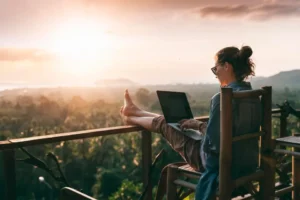
Photo from https://imageio.forbes.com
Ultimately, the digital nomad lifestyle is neither purely helpful nor harmful. It all depends on how you approach it. For those who value independence, adventure, and a non-traditional way of working, it can be an incredibly rewarding experience. However, it’s important to be mindful of the challenges that come with constant travel, financial instability, and social disconnection.
If you’re considering becoming a digital nomad, be sure to weigh both the benefits and the potential drawbacks. With careful planning and a strong sense of adaptability, you can create a lifestyle that suits your goals and aspirations. But don’t forget that, like any career choice, it’s not for everyone. The key is knowing yourself and understanding what you truly want from your life and work.
Frequently Asked Questions (FAQs)
Is the digital nomad lifestyle truly sustainable long-term?
While many enjoy the freedom and flexibility of being a digital nomad, it raises concerns about long-term sustainability. The impact on local economies, communities, and cultures should be considered to ensure it remains a viable way of life.
Are digital nomads contributing to gentrification?
Yes, in some places, the influx of digital nomads has contributed to gentrification. This can result in higher rent prices, displacing locals, and making it harder for them to afford life in their own communities.
Do digital nomads pay taxes in the countries they live in?
This depends on the visa and tax laws of the country they’re staying in. Some countries require digital nomads to pay taxes, while others do not.
How do digital nomads affect local cultures and traditions?
While some nomads embrace local cultures, others may inadvertently exploit them for personal enjoyment. It’s essential for digital nomads to engage respectfully and responsibly with the communities they visit.
What are the ethical concerns of being a digital nomad?
Ethical concerns include the potential for economic inequality, contributing to gentrification, and exploiting local resources without giving back to the community.
What are the ethical concerns of being a digital nomad?
Ethical concerns include the potential for economic inequality, contributing to gentrification, and exploiting local resources without giving back to the community.