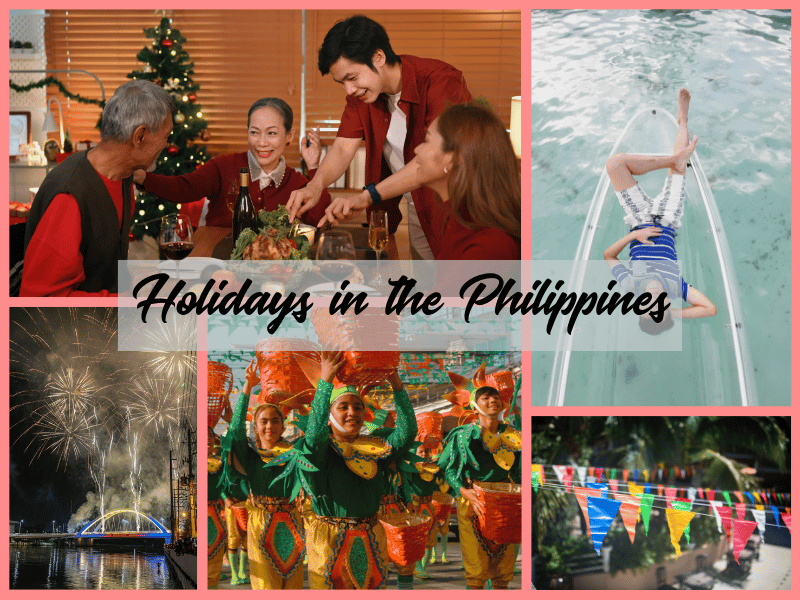
Celebrating Holidays in the Philippines: Cultural, Economic, and Societal Dynamics
In the Philippines, the year does not feel like a plain run from January to December. It feels like a loop of build ups, pauses, and big shared moments. Holidays are not a side note here. They shape school plans, work weeks, traffic, travel, and family life.
Many countries celebrate. The Philippines celebrates a lot, and it often celebrates together. That “together” part is the key. A holiday is not only time off. It is also a public signal that tells people when to slow down, gather, travel, pray, or join a town party.
The “Ber Months” Build Up Feels Like A Season
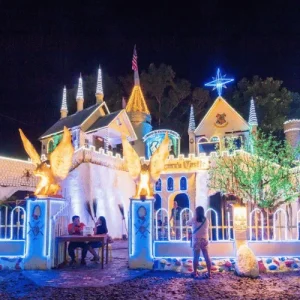 By September, many Filipinos already feel Christmas starting. People call it the “ber months,” since September to December all end in “ber.” Stores shift their displays early. Homes begin planning food, gifts, and reunions weeks ahead. [1]
This long runway matters because it changes behavior. People do not plan for “one big day.” They plan for a stretch of weeks. The season affects spending, time off requests, school events, and travel choices.
It also shapes mood. Even if you do not buy gifts early, you still feel the public build up. Music, lights, and holiday talk become part of daily life long before December.
Holidays Are A Shared Schedule For The Whole Country
In many places, the holiday calendar acts like a shared schedule. Families use it to plan trips. Schools use it to plan exams and breaks. Employers use it to plan staffing and deadlines.
This is why people pay attention when the official holiday list is announced. It affects pay rules, work days, and long weekends. It also affects everything from hotel prices to how crowded bus terminals will be. [2]
Even a single added day can change plans. A Monday holiday can turn into a long weekend. A midweek holiday can split a work week and shift deadlines.
Why So Many Holidays Exist In The First Place
There is no single reason. It is a mix of faith, history, and local life.
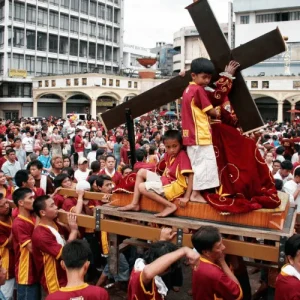
Religion is a big driver. The Philippines has deep Christian traditions, and many major observances are tied to Catholic practice. Some events are not small church gatherings. They can become huge public processions that fill streets and bring cities to a stop. [3]
Local identity is another driver. Many towns have fiestas tied to patron saints or local history. These are not “extra” to many communities. They are how a place shows pride, culture, and belonging.
Then there is the simple human need for time. Many Filipino families are spread across islands. Some family members work far from home, or abroad. A holiday becomes a rare window for reunions and homecomings.
You Can See Holidays In Real Numbers, Not Just Feelings
 Holidays are not only about meaning. You can see them in crowd size, travel volume, and spikes in shopping. Here are a few figures from the sources that show the scale.
- Black Nazarene procession in Manila: one report described millions joining, with the procession route stretching about 6 kilometers and the crowd swelling to about 6.5 million. [3]
- Holy Week sea travel in 2024: Philstar reported close to 2.5 million sea travelers during Holy Week. [4]
- Christmas and New Year airport pressure: BusinessMirror reported a forecast of about 4.3 million passengers for the holiday period, with an increase versus the prior season. [5]
- Holiday online shopping: one BusinessWorld report cited findings like 57% increasing online shopping budgets and 43% keeping budgets below PHP 10,000. [6]
- Sinulog in Cebu: Philstar reported about 100,000 foreign tourists celebrating Sinulog in 2023. [7]
These numbers help explain why holidays shape the country’s rhythm. They move people in large waves. They change how money flows. They also create pressure points, like crowd control, transport demand, and higher costs in peak weeks.
The Debate: Blessing, Burden, Or Both
Because holidays are powerful, they also bring tradeoffs. A day off can mean rest and family time. It can also mean lost output for some work, higher labor costs for some employers, and heavier demand on transport systems.
Some sectors earn more during holidays. Travel, hotels, food, malls, and events can see a lift. Other sectors may struggle because work stops, deadlines shift, or staffing becomes harder.
This is why the “too many holidays” topic comes up often in public talk. A country that celebrates a lot is also a country that must manage the cost of those pauses. [8]
The goal of this guide is not to argue for fewer holidays or more holidays. The goal is to explain what is happening, and why. Once you see the full picture, the calendar looks less random.
What This Guide Will Cover Next
This pillar post will go beyond listing dates. It will explain the holiday system in plain terms, including how regular holidays and special non working days work in practice. [2]
It will also walk through the year like a seasonal map. You will see why Christmas feels like a long season, why Holy Week can feel like a national pause, and why fiestas stay strong. [4]
By the end, you should be able to do two things. You can plan around the holiday calendar with fewer surprises. You can also understand why so many Filipinos protect these days as more than “time off.”
The Philippine Holiday System: What Counts As A Holiday
The holiday calendar in the Philippines is not just a list of fun dates. It is a set of official rules that affects pay, work schedules, school plans, and travel peaks. The key is that not all holidays work the same way.
The two main labels you will see are Regular Holidays and Special Non Working Days. These labels shape what happens if a person works, and what happens if a person does not work.
A good way to understand the system is to start with the official holiday proclamations and lists. These tell the country what dates are in, and what type each date is. [2]
Regular Holidays Versus Special Non Working Days
Both types can close offices and change routines. The difference shows up most in pay rules and work expectations.
Here is the plain meaning.
Regular Holidays
Regular holidays are the bigger category in terms of legal pay rules. They are treated as national rest days tied to major events, like New Year’s Day and Independence Day, plus key religious dates.
 What matters for many workers is the pay rule. A common explanation in HR guidance is:
- If the employee does not work, they still get paid their basic daily wage.
- If the employee does work, they get premium pay on top of the basic daily wage.
This is why regular holidays are often seen as “paid holidays” in everyday talk. [9]
Regular holidays also tend to trigger big travel waves. Holy Week is a good example of how a regular holiday period can cause mass movement, not just a quiet day off.
Special Non Working Days
Special non working days can still feel like “big” holidays to families. People use them for rest, trips, and gatherings. But the pay rule is usually treated differently than a regular holiday.
A common HR explanation is:
- If the employee does not work, pay is often no work, no pay, unless the company policy says otherwise.
- If the employee does work, they get a premium, but the base rule is not the same as a regular holiday.
So in practice, special non working days can be great for time. But they may not be a paid rest day for every worker. [9]
This is one reason people watch the labels closely. Two dates can look the same on a calendar, but they can feel very different in the paycheck.
Why The Labels Matter In Real Life
If someone works in an office that closes on holidays, the question is simple: “Are we closed?” If someone works in retail, food, security, health care, transport, or hotels, the question is often: “Are we open, and what is the pay rate?”
The label affects:
- staffing plans
- overtime cost
- shift swapping
- deadline timing
- whether workers expect pay even if they stay home
These effects are part of why the “how many holidays is too many” debate keeps coming up. One report framed it as a national question because the calendar changes costs and output, not just celebration time. [8]
What Official Lists Usually Include
The official list usually includes:
- Regular holidays (national)
- Special non working days (national)
- sometimes special working days (these are not paid like a rest day)
- local holidays (city or province level, often for a fiesta or charter day)
The national list is the baseline. Local holidays sit on top of it, which is one reason the calendar can feel extra packed in some places.
The government list is usually shared through official announcements and news releases. One example is the holiday list coverage published by PNA. [2]
How Many Holidays Are We Talking About
 People often argue about the number because “holiday count” depends on what you include. Some people count only national days. Others count local days too.
A few figures from the sources show why the topic sticks:
- One public summary described the Philippines as having an average of around 18 public holidays a year, before adding many local holidays. [10]
- Other reporting and commentary have cited higher totals when local holidays and added special days are included, which is part of why the “too many holidays” debate shows up in news and policy talk. [8] [10]
The main point is not the exact number. The main point is that the calendar is big enough to shape planning across the whole year.
Why Some Holidays Move
Some Philippine holidays are fixed on a date, like December 25. Others can be moved, often to create long weekends or reduce midweek breaks.
This practice is often linked to what people call “holiday economics,” where holidays may be shifted to support local travel and spending patterns. It has been discussed in Philippine news for years, including older coverage and later commentary. [11]
When a holiday moves, it can change:
- hotel demand and price spikes
- bus and ferry crowding
- leave requests in offices
- school schedules
- shopping and sale periods
It can also change how people experience the holiday itself. Some communities prefer fixed dates because of tradition. Others like long weekends because travel becomes easier.
Why Some Dates Get Added
Some dates get added for a few common reasons:
- A one time event or milestone
A special day may be declared for a major national moment. - A declared special day near a major season
Extra days sometimes appear around Christmas and New Year, when travel and family time are already high. - Local reasons
Cities and provinces may have declared days for a fiesta, a charter day, or a local history event.
Official lists and announcements are where these changes show up first. [2]
A Quick Look At How The System Shows Up On The Ground
It helps to connect the labels to real behavior. The Philippines is a strong example because holiday seasons often show clear spikes in movement and spending.
Travel And Transport Pressure
 During peak seasons, travel numbers jump fast. The Holy Week sea travel figure of about 2.5 million in 2024 is one clear sign of how holiday breaks turn into mass movement. [4]
Holiday crowding is not only on ships. Major gateways feel it too. BusinessMirror reported a forecast of about 4.3 million passengers during the Christmas and New Year period, compared with about 3.86 million the prior season. [5]
Those figures help explain why holiday labels matter even for people who do not travel. Crowding affects price, delay risk, and planning stress.
Spending And Shopping Shifts
Holidays also shape spending patterns. A BusinessWorld report on holiday shopping cited figures like 57% increasing online shopping budgets and 43% keeping budgets below PHP 10,000. [6]
Even if a person does not shop online, these trends can still affect daily life. They can change delivery demand, sale timing, and small business planning.
How To Read A Holiday List Fast
When looking at an official holiday list, the fastest approach is to scan for three things:
- the date
- the label (regular or special non working)
- whether the date is fixed or movable
If the goal is planning work and pay impact, the label matters most. If the goal is planning travel, the timing matters most. If the goal is planning family events, both matter.
The Holiday Year At A Glance: A Seasonal Map
The Philippines does not feel like it has “holiday days” spread out evenly. It feels like clusters. Some months are quiet, then a stretch hits where travel, crowds, and spending jump fast.
A seasonal view helps more than a plain calendar list. It shows when the country speeds up, when it slows down, and when roads, ports, and airports get tested.
How To Use This Map
Think of each season as a pattern, not a single date. One holiday can be big on its own. But the real impact often comes from the days around it, like the weekend before, the days after, and the long breaks created by holiday schedules.
If planning is the goal, focus on two things for each season:
- what usually gets busy
- what usually gets expensive
Season 1: New Year And Fresh Starts
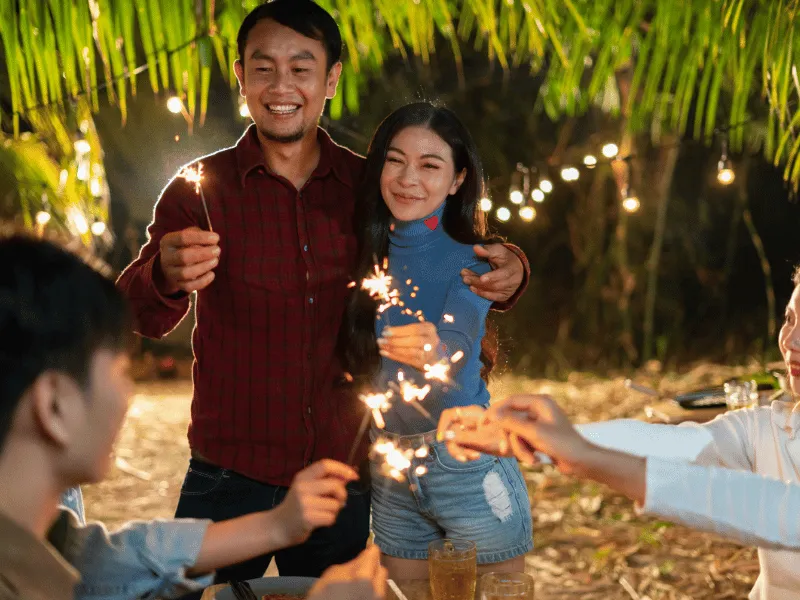 The year opens with a reset mood. Many people come out of long family time and return to work or school routines. Some families still stay in reunion mode in the first week, especially if they traveled.
What Gets Busy
Travel can still be heavy right after New Year. Airports and terminals can stay crowded because many people return to Manila or other work hubs.
One report on the Christmas and New Year stretch projected around 4.3 million passengers for the holiday period at the main gateway, higher than the prior season’s around 3.86 million. That helps explain why the “return trip” part of the season can feel just as intense as the “going home” part. [5]
What Often Changes
Budgets can feel tight after year end spending. People start cutting back. Some shops run clearance sales, while families focus on bills and school needs.
Season 2: Early Year Devotion And City Rhythm
After the New Year rush, the calendar moves into major faith moments in some places. These do not always become national days off in the same way Christmas does, but they can still reshape cities.
The Big Example: Black Nazarene
The Black Nazarene feast in Manila is one of the clearest examples of how devotion can become mass movement. Streets close, routes change, and crowd control becomes a major task.
What Gets Busy
- major roads and side streets near the route
- public transport reroutes and long waits
- street vendors, food, and quick stops
- safety planning and crowd control
Season 3: Holy Week Peak
Holy Week is a major pivot point in the year. For many families, it is both faith time and travel time. For many businesses, it is a shutdown week or a reduced service week.
What Gets Busy
This is one of the biggest travel surges of the year.
Some people travel to go home. Others travel for beaches and resorts. Many do both, like going home first, then taking a short trip.
What Gets Expensive
Costs often rise because demand jumps in a short window:
- ferry tickets and bus seats sell out faster
- hotels raise rates in peak areas
- food and essentials cost more in tourist zones
- last minute bookings can be much higher
What Often Slows Down
Many offices and some services slow down. In some areas, even normal entertainment and night life feels quieter. The country mood can shift into “pause” mode.
Season 4: Summer Break And Local Movement
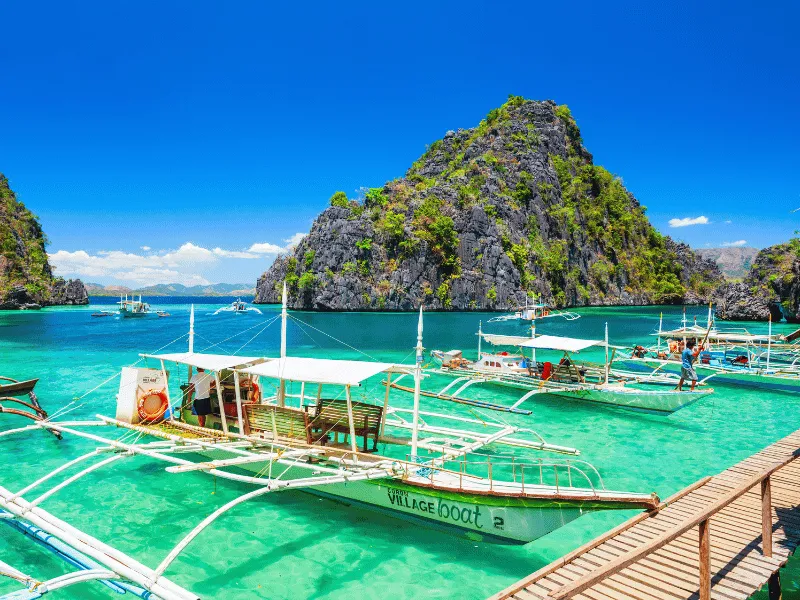 After Holy Week, the country often shifts into a warmer, more mobile part of the year. School schedules, vacations, and family trips shape how people move.
This season is not always one big national holiday block, but it still feels like a travel season. It is also when many people plan shorter trips that do not need a long break.
What Gets Busy
- beach towns on weekends
- inland resorts and water parks
- family events like reunions and weddings
- malls and dining during school breaks
A Quiet Trend That Still Matters
Even outside the biggest holidays, online shopping and sale cycles can shape spending. One report on holiday shopping cited figures like 57% increasing online shopping budgets and 43% staying below PHP 10,000. While those numbers are tied to the holiday shopping season, the behavior pattern helps explain why spending peaks now show up online too, not only in malls. [6]
Season 5: Fiesta Months And Regional Festivals
Fiestas can show up in many months. Some places have a clear festival season, while others have big events tied to a patron saint or a city anniversary.
This part of the year is where culture becomes visible fast. Streets fill with food, music, dance, and visitors. Some fiestas are mostly local. Others become tourism magnets.
The Big Example: Sinulog In Cebu
Sinulog is one of the best known festivals in the country. A report said about 100,000 foreign tourists celebrated Sinulog in 2023. That number helps explain why hotels, transport, and restaurants feel the pressure. [7]
What Gets Busy
- hotel bookings and peak room rates
- airport and seaport traffic in host cities
- restaurants and street food sales
- local transport and ride demand
- crowd control and safety planning
Fiestas also change the “feel” of a place. Even people who do not join events can be affected by road closures, noise, and packed public areas.
Season 6: The Ber Months And The Long Christmas Run
This is the most unique season in the Philippines for many visitors. The Christmas build up starts early. It is not only a December story.
A report described Filipinos kicking off the longest Christmas season through the “ber months.” That is a simple idea, but it has big real effects on planning and spending. [1]
What Gets Busy
- malls, sales, and weekend traffic
- gift buying and delivery demand
- school programs, reunions, and office events
- transport hubs as people head home
This is also where the pressure shows up in travel systems again.
What Often Changes In Spending
Shopping patterns shift early. One report on holiday shopping said 57% increased online budgets. It also said 43% kept budgets below PHP 10,000. That mix shows both excitement and limit. People want to spend, but many still watch the ceiling. [6]
Cultural Roots: Faith, History, And Community
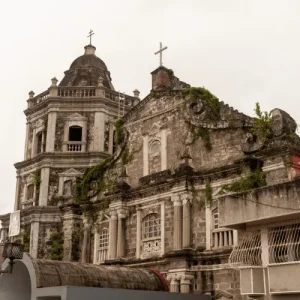 Holidays in the Philippines are not only “days off.” They are also shared habits that help people feel connected. Many of these habits are tied to faith, history, and local life.
A big reason is religion. The Philippines is a mostly Christian country, with a large Catholic majority. One report notes that about 80% of Filipinos are Catholic. [3]
That faith shows up in the calendar. It also shows up in streets, food, family routines, and the way people mark time. Some holidays feel like a national pause because so many people treat them as sacred.
Why Spanish Era Influence Still Shows Up
A lot of the holiday structure is linked to Spanish rule and the spread of Catholic practice. One report describes the Philippines as having been a Spanish colony for more than 300 years. [3]
That history helped shape which days became major dates. It also shaped the kind of celebrations people kept, like saints’ feasts, processions, and church seasons. Over time, these practices became part of local identity, not just religion.
This is why many “religious” holidays also feel cultural. Even people who are not deeply religious may still join family meals, town events, or home traditions linked to the day.
How Local Culture Blends With Faith
Philippine holiday life is rarely just one thing. It is not only church, and it is not only party. It is often both, mixed with local style.
In many towns, a religious day can include:
- a church service or mass
- a procession in the streets
- food shared with visitors
- music, dance, or a community program
This blend helps explain why traditions stay strong. They meet spiritual needs, but they also meet social needs. They give people a reason to gather and to feel proud of where they are from.
Why Processions Stay Strong
Processions are one of the clearest signs that faith is public in the Philippines. They turn belief into action that people can see and join. They also create a shared story for a community.
It becomes a city scale moment that changes traffic, safety planning, and public movement.
Processions also hold meaning for many devotees. People join to ask for help, to give thanks, or to keep a promise. That kind of personal reason can be stronger than convenience.
Why Novenas Keep Coming Back Each Year
A novena is a series of prayers over several days. In practice, it also becomes a routine that pulls people into a season. It turns a holiday into a long build up, not a one day event.
This pattern shows up clearly in the long Christmas season. A report describes Filipinos starting the Christmas season early through the “ber months,” with Christmas activity rising well before December. [1]
A long build up does two things. It gives people time to prepare. It also builds a shared mood across weeks, which is why Christmas can feel like the country’s longest cultural season.
Why Holy Week Feels Like A National Pause
Holy Week is one of the biggest examples of faith shaping public life. For many families, it is a time for church, reflection, and quiet routines. For many others, it is also a major travel window.
The travel scale helps explain why the week feels so large.
That number points to mass movement, not just a few trips. It helps explain why ports, ferries, and roads can feel packed. It also explains why many people plan far ahead for tickets and lodging.
Holy Week also shapes business rhythms. Some offices close. Some towns become quiet. Tourist areas may get crowded, while business districts slow down.
Patron Saints And Why Fiestas Feel Personal
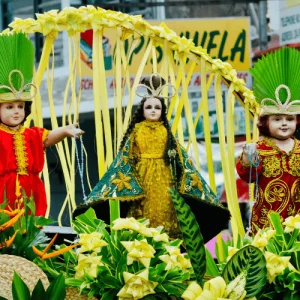 Fiestas are where faith and local pride often meet. Many fiestas are linked to a patron saint, and the celebration becomes part of how a town tells its story.
A fiesta is not just entertainment. It is often a “home” moment. People return to their hometown. Relatives visit. Neighbors open their doors. Even families with tight budgets may still try to prepare something, because hospitality is part of the culture.
Fiestas also carry identity. People say, “This is our celebration.” That feeling keeps the tradition alive, even when life gets more modern and busy.
A Big Example Of Local Pride: Sinulog
Some fiestas grow into major tourism events. Sinulog in Cebu is one of the best known examples.
A report said about 100,000 foreign tourists joined Sinulog in 2023. [7]
That figure helps explain why the event affects hotels, transport, and crowd control. It also helps explain why local governments and businesses pay close attention to festival dates.
For locals, the meaning is not only tourism. It is faith and tradition tied to the Santo Niño. For visitors, it is culture made visible through dance, music, costume, and street energy.
Why Community Celebrations Matter Beyond Religion
Even when a holiday is religious, the social role is huge. Holidays create shared time. They give people a reason to visit older relatives. They help keep family ties active.
They also help communities care for each other. Holiday seasons often include giving traditions, charity drives, and simple acts like feeding visitors. In many towns, people still measure a celebration by how well it welcomes others.
This is part of why holidays stay strong. They are not only beliefs in the head. They are habits that make life feel more human.
Why The Calendar Can Feel So Full
Because holidays carry deep meaning, people often support keeping them. But the packed calendar also creates tradeoffs. This is why the topic becomes a debate in public discussion.
One report framed the Philippines’ large number of holidays as a national question, weighing cultural value against economic costs and work disruption. [8]
A calendar with many holidays can boost travel and spending. It can also raise labor costs for some employers and reduce output for some sectors. The balance looks different depending on where a person works and how a family earns.
How These Roots Show Up In Daily Choices
These cultural roots shape simple decisions people make each year. Many choices are not only practical. They are emotional and social too.
Common patterns include:
- saving money early for Christmas season needs
- booking travel around Holy Week and year end peaks
- returning home for a town fiesta even for a short visit
- joining processions or masses because of a family promise
When millions follow the same patterns, the impact becomes visible. Crowds grow, tickets sell out, roads fill up, and prices shift.
The crowd scale in the Black Nazarene feast, the Holy Week travel figure, and the Sinulog tourist count are all examples of this shared movement at scale. [7]
The Core Idea To Keep In Mind
Holidays in the Philippines often work like anchors. They hold faith, memory, and family habits in place. They also keep local identity visible in a fast changing world.
That is why the celebrations can look intense from the outside. They are not only “events.” They are how many people mark what matters, year after year.
Christmas Season: The World’s Long Build Up
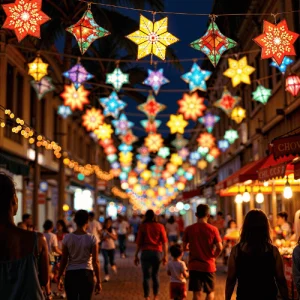 Christmas in the Philippines is not a short sprint. It is a long runway that starts early, builds week by week, and peaks in late December. Many people treat it as a full season, not a single day.
A big reason is culture and habit. Filipinos often say Christmas starts in the “ber months,” beginning in September. One report described Filipinos kicking off the world’s longest Christmas season through the “ber months.” [1]
Why The Season Starts So Early
The early start is not only about decor. It is about planning. Families think ahead because the season can include travel, reunions, school events, office parties, gift buying, and higher food costs.
In many homes, the planning starts small. People begin saving, making lists, and setting dates with relatives. The longer the lead time, the easier it is to manage costs.
The early start also spreads the load. Instead of cramming everything into December, people stretch it out. That makes the season feel bigger, but also more manageable.
What Changes First: Mood, Music, And Public Spaces
The first shift often happens in public spaces. Malls and shops put up lights early. Christmas music starts playing earlier than many visitors expect. Even people who do not celebrate in a religious way still feel the season through the public mood.
This matters because Christmas in the Philippines is very social. It is not only a private home event. It shows up in neighborhoods, offices, schools, and town centers.
One report described Christmas displays and business activity rising during the season, with preparation and sales becoming part of the public build up. [1]
The Family Planning Layer: Reunions And “When Are You Coming Home”
A long season makes reunions more possible. Families need time to line up schedules, especially when relatives live in other provinces or work overseas. Even a small change in dates can affect who can attend.
People also plan around crowding. They watch peak travel days. They avoid last minute tickets because prices jump and seats sell out.
Holiday travel pressure is not a small issue. One report projected passenger traffic at the main gateway reaching about 4.3 million during the Christmas and New Year period, higher than the prior season’s 3.86 million. [5]
The Faith Layer: Why Simbang Gabi Matters
For many Filipino Catholics, Christmas is not only a date. It is a season of preparation. One of the best known traditions is Simbang Gabi, the series of dawn masses leading up to Christmas.
A public explainer describes Simbang Gabi as a tradition that runs from December 16 to 24. It is also described as a practice tied to faith, family, and preparation for Christmas. [12]
Even for people who do not complete all nights, Simbang Gabi shapes routines. People sleep earlier. They adjust work and school timing. They plan rides or walks to church before sunrise.
How Simbang Gabi Works In Real Life
In simple terms, Simbang Gabi is repeated attendance over several days. The repetition is the point. It turns Christmas into a build up, not a last minute rush.
Common patterns include:
- families going together before sunrise
- friends meeting at church, then eating after
- people choosing a nearby church if travel is hard
- some people completing all nights as a personal vow
The tradition is also tied to food culture. The post mass snacks often become part of the memory, not just the service. For many, that shared food is where the season feels most alive.
A public explainer describes Simbang Gabi as a Christmas tradition with strong family and community ties. [12]
The Social Layer: School Programs And Office Parties
Even for families that do not attend church, the season still fills up fast. Schools often hold Christmas programs, parties, gift exchanges, and outreach drives. These events usually start well before December 25.
Office culture has its own version of the season. Many workplaces plan a Christmas party, team meals, raffles, and small gifts. Some companies time these events earlier to avoid peak traffic and packed venues.
This is one reason the “ber months” start matters. A long season gives schools and offices room to schedule events without piling everything into the last week of December.
Gift Norms: Why Small Gifts Still Feel Big
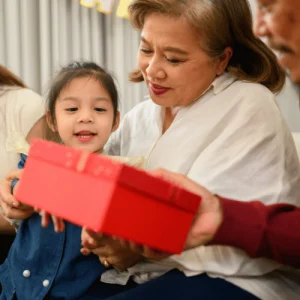 Gift giving in the Philippines often leans practical. Many people give food, small items, or simple treats. The goal is not always to impress. The goal is to show you remembered.
Common gift norms include:
- exchange gifts in schools and offices
- small gifts for close family
- food packs for neighbors or helpers
- tokens for teachers, drivers, or guards
When budgets are tight, gifts still happen, but they change form. People may give homemade food, a small cash gift, or a useful item like soap, towels, or snacks.
Charity Drives And “Giving Season” Habits
Christmas is also a common time for charity drives. Some are organized by companies or schools. Others are informal, like helping a neighbor or bringing food to someone in need.
These habits are part of why Christmas feels like a community season. It is a time when people expect generosity, even in small ways.
Some public reporting highlights the “giving” theme during the Christmas period, including reminders around customary practices and benefits tied to the season. [13]
Food Culture: Why Meals Become A Big Budget Item
Food is often the biggest cost of Christmas. Families plan for noche buena, reunions, and “handa” meals when relatives visit. Even if gifts are simple, food is usually treated as non negotiable.
Food planning also starts early because prices can rise. People buy ingredients ahead, especially shelf stable items. Some families plan menus around what they can afford, then add one “special” dish for the main night.
This is another reason Christmas stretches out. Planning food early helps reduce stress.
How The Season Changes Spending
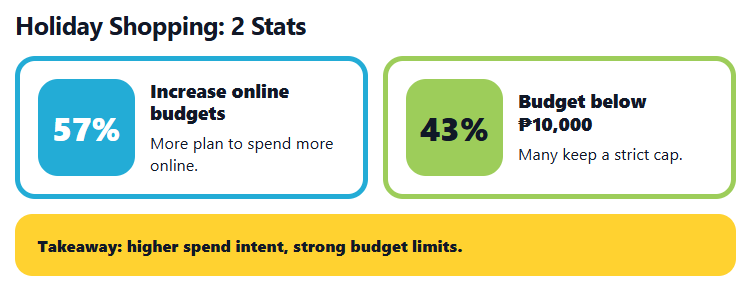 Christmas spending does not only happen in stores. It shows up in travel bookings, party costs, school requirements, food budgets, and small daily purchases that add up.
One report on holiday shopping behavior cited survey findings like:
- 57% of holiday shoppers increasing online shopping budgets
- 43% having less than PHP 10,000 as their budget
Those numbers point to two truths at the same time. Many people want to spend more during the season, but many also stay within a clear limit. [6]
Online shopping also changes timing. People buy earlier to avoid delivery delays. They watch sales and bundles. They compare prices more than they did before.
Where The Money Often Comes From: Bonuses And Remittances
Many families time big purchases around expected cash boosts. Two common boosts are:
- end of year bonuses, including the 13th month pay for many workers
- remittances from relatives working abroad
Public guidance and reporting around Christmas season benefits often mentions the 13th month pay context during the season. [13]
There is also reporting that holiday spending can line up with changes in remittance patterns. One report linked holiday spending with overseas remittances reaching a three month peak. [14]
Not every family receives these boosts, so the season can also create pressure. People may feel expected to join parties, give gifts, and host meals even when money is tight.
Travel Choices: Homecoming Versus Vacation
Christmas travel often splits into two types.
One type is homecoming. People return to their hometowns to be with parents, grandparents, and extended family. The other type is vacation travel, like beach trips or resort stays.
Both types can happen in the same week. Some families go home first, then take a short trip after Christmas or before New Year.
What Visitors Often Notice First
For visitors, the biggest surprise is usually the length. Christmas feels present for months. It shows up in malls, music, and public decor early.
The second surprise is how family centered it is. Many businesses slow down. Many families prioritize home time. Even in busy cities, the rhythm changes as people travel out.
A report describing the long “ber months” season helps explain why the public build up feels so strong to outsiders. [1]
Simple Planning Tips That Match Real Patterns
To avoid the worst stress points, a few habits help. These are based on the patterns shown by travel and spending figures.
If travel is part of the plan:
- book early for peak windows, especially late December
- expect crowds at airports and terminals during the return wave too
- keep buffer time for delays
If shopping is part of the plan:
- set a budget ceiling early and stick to it
- start earlier to avoid last minute price jumps
- expect online shopping to peak, based on survey figures like 57% increasing budgets [6]
Why The Long Season Stays Strong
The long Christmas season survives because it meets many needs at once. It supports faith routines like Simbang Gabi. It supports family reunions. It supports community habits like giving and hosting.
It also spreads the load. A long runway helps people plan travel, manage budgets, and schedule events without cramming everything into one week.
When the season is viewed as a full build up, it makes more sense why the “ber months” idea is so common. It is a practical way many Filipinos manage a holiday that carries big meaning and big logistics. [1]
Fiestas And Regional Festivals: Place, Pride, And Tourism
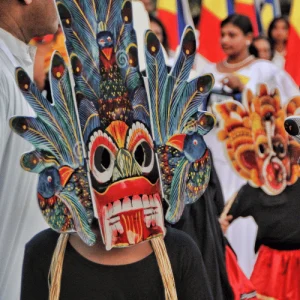 Fiestas are one of the clearest ways the Philippines shows local pride. A fiesta is not only a party. It is a community “home day” where a place tells its story through faith, food, and welcome.
Many fiestas are tied to a patron saint. Others mark a city founding, a charter day, or a local milestone. But even when the reason is different, the feel is often the same. People prepare, invite, and gather.
Why Patron Saints Matter
In many towns, the patron saint is treated like a protector of the community. The feast day becomes a yearly promise. Families plan around it because it is one of the few times when everyone expects to be home, or at least to show up.
This tradition sits inside the country’s strong Catholic roots. One report notes that about 80% of Filipinos are Catholic, which helps explain why saint based celebrations remain common and widely supported. [3]
A patron saint fiesta often includes religious parts, but it rarely stays only inside the church. It spills into streets and homes. It becomes visible to everyone, even people who do not attend services.
The Basic Fiesta Structure In Many Towns
Fiestas look different depending on the place. Some are small and local. Some pull crowds from other provinces. But many follow a similar pattern.
1) A Religious Core
This can include:
- a mass or series of masses
- a procession through streets
- prayers, novenas, or special services
Some religious events can reach huge crowd levels.
Not every fiesta reaches that scale. But the same idea often applies. Religious meaning sits at the center, then the community builds around it.
2) A Public Program Layer
Many towns hold community programs, which can include:
- dance shows and school performances
- contests, pageants, or sports events
- concerts or band shows
- parades and street dancing
This part helps explain why fiestas feel like a shared calendar. Schools, offices, and local groups often plan months ahead because the program list can run for days.
3) The Home And Food Layer
This is where fiesta culture becomes very Filipino. Many families cook extra food and welcome visitors. Some homes keep their doors open for relatives, friends, and even “friends of friends.”
Hospitality is the point. People often say, “Come eat.” It can happen even when budgets are tight. The meal is treated as part of the community duty.
Why Fiestas Are So Social
A fiesta is a reason to return home. For people who moved to big cities for work, it becomes a link back to their roots. It is also a reason for relatives to visit each other without needing a separate excuse.
Fiestas also help keep community ties alive. Neighbors see each other. Old classmates meet again. Families reconnect with people they have not seen in years.
This is why fiestas can feel personal. They are not only events. They are memory markers.
How Fiestas Drive Tourism And Local Money
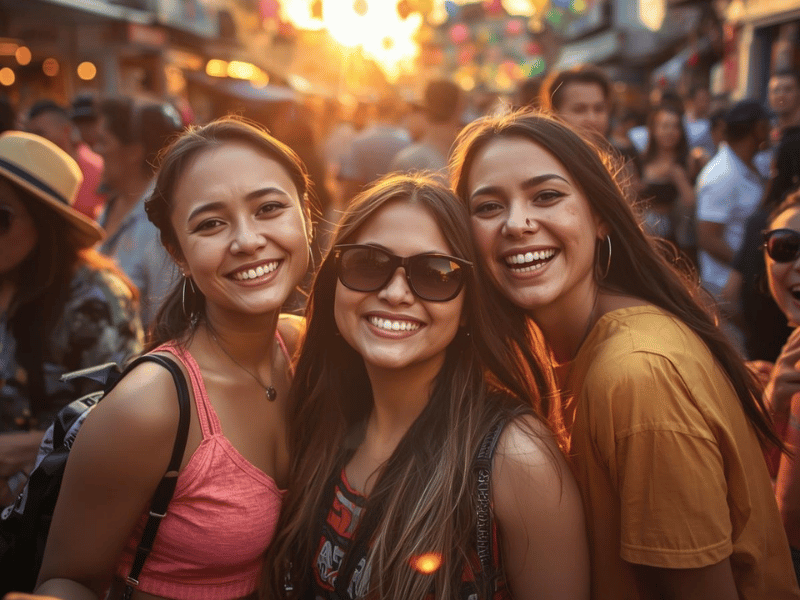 When a fiesta grows, it starts to pull visitors. Visitors spend money. That spending can be small per person, but large in total because crowds grow fast.
The impact usually shows up in a few places.
Hotels And Short Stay Rentals
Tourism heavy festivals push demand for rooms. When demand rises, prices usually rise too. Even if the festival is only a few days, visitors often arrive early or stay after to avoid travel stress.
This is why local tourism offices and businesses watch festival dates closely. A festival can become a “peak week” in the same way a national holiday can.
Food Sales And Street Vendors
Fiestas are food events. People eat in homes, but they also eat outside. Street vendors often do well because crowds stay out longer and move through public areas.
Food spending often spreads across:
- street snacks and quick meals
- restaurants and cafes
- groceries and wet market runs
- water, ice, and other basics for hosting
Even small sellers can benefit if foot traffic is heavy.
Local Jobs And Extra Income
Festival periods often create short term work. People may earn money through:
- food stalls and pop up stands
- transport services and delivery
- event setup, lights, and sound systems
- cleaning, security, and crowd support
- tours, guides, and small souvenir sales
Not every festival creates big jobs. But in busy festivals, the extra income can be meaningful for locals.
Sinulog As A Clear Example Of Culture And Tourism
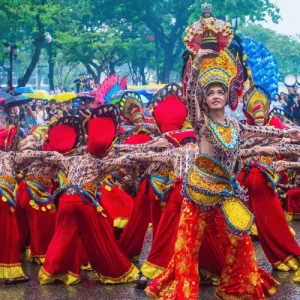 Sinulog in Cebu is one of the most known festivals in the country. It is linked to devotion to the Santo Niño, and it is also famous for street dance, costumes, and large crowds.
A Philstar report said about 100,000 foreign tourists celebrated Sinulog in 2023. That figure helps explain the pressure on hotels, transport, and services during the event. [7]
When a festival pulls that many foreign visitors, it also pulls many local visitors. That means more demand for:
- rooms and short stays
- flights and ferry seats
- taxis, rides, and local transport
- food, water, and quick supplies
It also means more planning work for the city, especially for traffic and safety.
Why Sinulog Feels Like More Than A Party
For many locals, Sinulog is devotion and tradition. For many visitors, it is culture made visible. Those two sides can exist at the same time.
This mix is common in Philippine fiestas. A religious core sits underneath, then a public celebration grows around it.
The strong Catholic base in the country helps explain why faith linked festivals stay strong. [3]
What A Big Festival Does To Movement
Festivals do not only fill streets. They reshape movement patterns. Roads may close. Public transport routes change. People walk more because cars cannot pass.
This is similar to what happens in large devotion events in Manila, where crowd size can reach millions and the route itself becomes a major public space. [3]
Even in smaller festivals, the same idea holds. When people gather, the city plan changes for the day.
How Festivals Fit Into The Bigger Holiday Rhythm
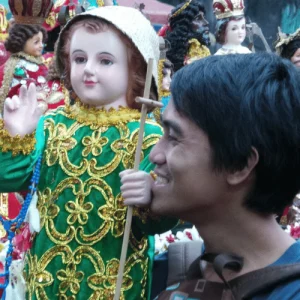 Fiestas often sit on top of the national holiday calendar. That is part of why the year can feel packed. A national holiday might already bring a long weekend. A local fiesta can add another layer of activity.
This is why the official holiday list matters. It sets the baseline that people plan around, then local festivals fill in the gaps. [2]
Festival timing can also overlap with other peak seasons. For example, the “ber months” Christmas build up adds pressure to travel and spending for months. A report described Filipinos starting early through the “ber months,” which helps explain why late year festivals can feel even more intense. [1]
Respectful Travel Behavior During Fiestas
Fiestas are welcoming, but visitors should still move with respect. Many festivals are tied to faith. Many also involve crowded public spaces where safety depends on basic behavior.
Simple Respect Rules That Help
- Dress respectfully for church events and processions.
- Ask before taking close up photos of devotees.
- Do not block routes or push into lines during religious parts.
- Keep voice and behavior calm inside churches.
Crowd Basics That Matter
Large gatherings can turn unsafe fast when people panic or push. Even when the mood is happy, crowd pressure is real. Some Philippine devotion events reach extreme scale, like the Black Nazarene crowd described at about 6.5 million people.
Basic crowd habits:
- Keep water with you.
- Plan a meeting point if separated from companions.
- Avoid tight bottlenecks when possible.
- Follow local marshals and police instructions.
- Leave early if the crowd feels too dense.
Money And Local Support
If joining a fiesta as a visitor, spending choices matter. Buying from local sellers and small eateries helps the community more directly. Paying fair prices and tipping when appropriate also supports local work during peak days.
In tourism heavy festivals like Sinulog, where reporting mentioned about 100,000 foreign tourists, the visitor economy becomes very real for locals. Small choices add up when crowds are large. [7]
Why Fiestas Stay Strong
Fiestas last because they do many jobs at once. They honor faith. They protect local identity. They bring families back together. They also create a burst of income for many local workers.
The Philippines celebrates in public. That is why festivals can feel big, loud, and intense. They are not only entertainment. They are how many communities stay connected, year after year.
The Economic Impact: Who Gains, Who Pays, And When
Holidays move money. They shift when people buy, travel, eat out, and take time off. They also change who gets paid more, who earns less, and who carries extra costs.
Some people see holidays as a boost. Others feel the strain. Both can be true at the same time, depending on the job, the business, and the season.
The Basic Economic Tradeoff
A holiday is a pause for many offices. It is also a peak period for many services. That creates a simple tradeoff:
- some sectors earn more because people are out spending
- other sectors lose output because work stops or slows
- many employers pay more for staffing because of holiday pay rules
- many workers earn more if they work, but may earn less if they do not and their pay is “no work, no pay”
Holiday economics is not only about “more holidays” or “fewer holidays.” It is about who benefits from the pause and who absorbs the cost of it. [8]
Where Money Usually Goes During Holiday Seasons
Holiday spending is not one big bucket. It splits into a few clear channels. The biggest ones are travel, food, and retail.
Travel Spending: Tickets, Hotels, And Local Transport
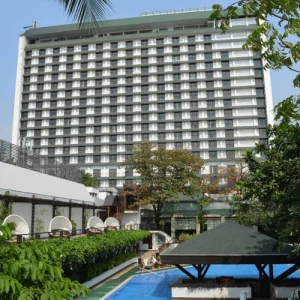 Travel is one of the most visible holiday industries. When people move, they spend on more than tickets. They also spend on food on the road, rides, and short stays.
The numbers show how large the movement can get.
At year end, airport pressure is another clear signal. A BusinessMirror report projected about 4.3 million passengers for the Christmas and New Year season, up 11.7% from about 3.86 million the past season. [5]
When airports and ports fill like that, money spreads outward:
- airlines and shipping lines sell more seats
- hotels and rentals fill up faster
- restaurants and convenience stores near hubs see more foot traffic
- ride services, taxis, and buses get higher demand
- small sellers in terminals often do well
The same rush can also raise prices. When demand spikes, the last seats and last rooms can cost far more than normal.
Food Spending: Home Meals, Handaan, And Eating Out
Food is one of the biggest holiday costs for households. Many families may keep gifts small, but still spend more on meals. Hosting relatives often means larger grocery runs and more cooking.
Food spending also rises outside the home. Families meet in restaurants. Friends go out after church events. People buy snacks while traveling.
During big crowd events, food sellers can see a strong lift.
Retail And Shopping: Gifts, Deals, And Online Budgets
Retail often treats holiday season as peak season. People buy gifts, clothes, home items, and party needs. Many also buy early because of sales and delivery timing.
Online shopping is now a major part of that story. A BusinessWorld report cited survey results that 57% of holiday shoppers increased online shopping budgets, while 43% kept their budget below PHP 10,000. [6]
Those figures show two sides at once. There is strong intent to spend, but many households still have a hard cap. That cap affects which products sell, what bundles work, and how price sensitive people are.
Online shopping also moves money earlier in the season. People buy in advance to avoid stock outs and delivery delays. That shifts cash flow for both shoppers and sellers.
Who Gains The Most During Holiday Peaks
Certain sectors tend to gain more than others. These gains are usually strongest during Holy Week and the Christmas to New Year stretch.
Tourism And Hospitality
Hotels, resorts, rentals, tour services, and restaurants in tourist zones often gain. They benefit from:
- full rooms and higher occupancy
- higher restaurant traffic
- add on services like tours and transport
Festival tourism can also be a big driver. Philstar reported about 100,000 foreign tourists celebrating Sinulog in 2023. Large visitor numbers like that can lift hotel demand, food sales, and local transport use. [7]
Retail, Malls, And Delivery
Retail gains come from gift buying, party needs, and sales events. Online sellers and delivery services gain from higher order volumes, especially when many shoppers move online.
The holiday shopping survey figures help explain why delivery demand rises. If more than half of shoppers increase online budgets, delivery systems feel the pressure quickly. [6]
Transport Services
Transport firms gain from higher volume, but also face strain. When passenger counts surge, companies must manage queues, delays, and staffing.
Who Pays More During Holidays
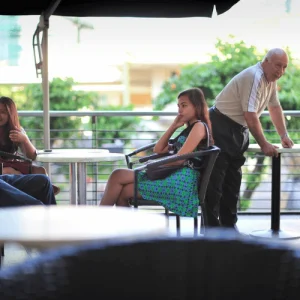 Holiday gains are real. Holiday costs are also real. These costs show up in labor, closures, and lost work time.
Employers Paying Holiday Premiums
Many businesses must operate on holidays. Hospitals, security, transport, hotels, restaurants, and many retail shops cannot fully stop. That means employers pay premiums and manage more complex schedules.
A payroll guide explains holiday pay computation and premium rates, showing why holiday staffing can cost much more than a regular day. [9]
For large employers, this becomes a budget line. For small businesses, it can be a major stress. Some choose to close to avoid the extra cost, but closing also means lost sales.
Small Businesses And “Close Or Stay Open” Choices
Small businesses face a hard choice during holidays:
- stay open and pay higher labor cost
- close and lose sales for the day
- open with reduced staff and risk service issues
The “right” answer depends on what the business sells. A food stall near a crowd event may earn more by staying open. A small office service firm may lose money if it opens.
Lost Work Time And Output Debates
When a country has many holidays, output debates show up. Some people argue that too many holidays reduce productivity. Others argue that rest supports wellbeing and spending, which helps the economy in a different way.
This tension is part of why the number of holidays becomes a public debate. One news report framed the country’s high holiday count as a possible burden as well as a cultural benefit. [8]
How The Costs And Gains Change By Season
Holiday impact depends on timing. Holy Week and Christmas season tend to be the two strongest peaks.
Holy Week: Travel And Shutdown At The Same Time
Holy Week can produce a strong travel boom while many offices close. That means:
- tourist areas can earn more
- business districts can slow down
- transport hubs get crowded
- local shops in travel corridors do well
The 2.5 million sea travel figure in 2024 helps show the travel intensity. It also helps explain why ports, ferry routes, and nearby vendors can see a big lift in sales. [4]
Christmas To New Year: Long Spending Season And Heavy Movement
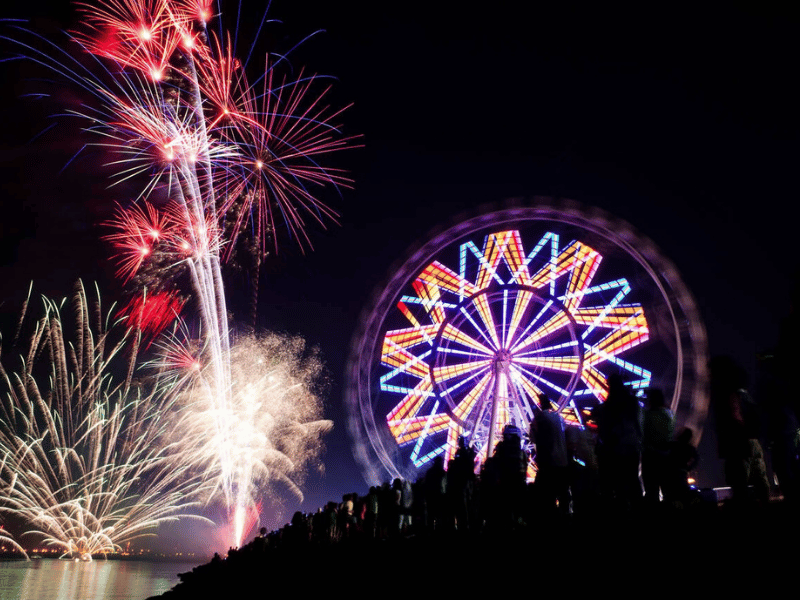 The Christmas season is long, and spending spreads over months. It includes food, gifts, travel, and events.
The airport passenger forecast of 4.3 million for the season, up 11.7% from about 3.86 million, is a clear signal of how heavy year end movement can be. [5]
Shopping behavior also shows the spread. The survey results showing 57% increasing online budgets suggests that spending does not only peak in physical stores. It also peaks online, which shifts who earns from holiday money. [6]
Where Holiday Money Comes From
Holiday spending often rises because households have extra cash at certain times, or they expect it.
Two common sources are bonuses and remittances. Reporting has linked holiday spending with overseas remittances reaching a three month peak. [14]
When these inflows rise, retail and food spending can rise too. When inflows are weak, households still try to celebrate, but they may shift to cheaper options.
Why The Same Holiday Can Feel “Good” Or “Bad” Economically
The same date can lift one group and strain another.
A hotel in a tourist area may be full and happy. A factory may lose a production day. A mall may earn more. A small office may miss deadlines. A worker on a holiday shift may earn more pay. A daily wage worker who does not work may earn less if their setup is “no work, no pay.”
This is why holiday impact is hard to summarize with one sentence. It depends on who you are, where you live, and how you earn.
Practical Guide: Planning, Etiquette, And Safety
Holiday seasons in the Philippines can be smooth and fun. They can also be hot, crowded, and stressful if plans are last minute. A few simple habits help a lot, especially during peak travel and big public events.
The Two Biggest Peak Windows To Plan Around
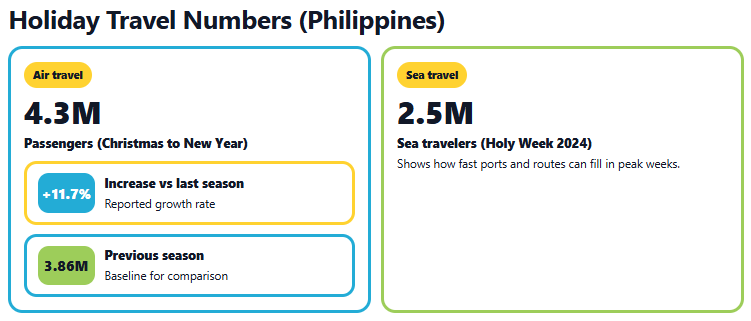 Two seasons tend to create the biggest pressure on transport and crowds.
Holy Week can trigger mass movement across islands.
Christmas to New Year can push airports into peak load. BusinessMirror reported a forecast of about 4.3 million passengers for the holiday period at the main gateway, higher than about 3.86 million the past season. [5]
These figures matter because they explain why “normal” travel habits may fail during peak weeks. Seats sell out. Lines get long. Delays become more likely.
Planning And Booking: When To Lock It In
Last minute booking can still work in quiet months. In peak windows, it often costs more and creates more stress.
Best Times To Book Flights And Sea Travel
For Holy Week travel, the earlier the better. The sea travel volume reported for 2024 shows how fast routes can fill. [4]
For Christmas to New Year travel, plan for two waves:
- the “going home” wave
- the “return to work” wave
Practical habits:
- book tickets as soon as dates are clear
- choose earlier departure times when possible
- avoid tight connections or back to back transfers
- build in buffer time for delays
Best Times To Book Hotels
Hotels and rentals usually jump in price when demand is high. Demand climbs in:
- beach and resort areas during Holy Week
- city centers during major festivals
- tourist hubs during Christmas and New Year
Festival tourism can raise pressure fast. A report said about 100,000 foreign tourists celebrated Sinulog in 2023, which helps explain why rooms get scarce in host cities. [7]
Practical habits:
- book a refundable rate early, then recheck prices later
- stay slightly outside the center if prices spike
- confirm check in rules if arriving late because traffic can be heavy
When Prices Often Jump
Prices often jump when three things hit at once:
- a long weekend or holiday block
- a festival or major religious event
- school breaks or peak season travel
If a destination matches two or three of these, expect:
- higher room rates
- fewer transport slots
- bigger crowds
- more expensive last minute options
Getting Around During Peak Weeks
 Crowds can make simple tasks harder. Travel days can also get exhausting because of heat, lines, and noise.
Simple Rules For Holiday Travel Days
- arrive earlier than usual at terminals
- keep water and a snack
- carry a small power bank
- keep a printed or offline copy of tickets
- pick a clear meeting point if traveling with a group
Sea Travel Tips For Holy Week
Sea travel is common in the Philippines. During Holy Week, volume can spike into the millions. [4]
Practical habits:
- avoid the last ferry of the day if possible
- pack light for easier movement on crowded docks
- keep rain cover even in summer because weather can change
- follow safety instructions and do not rush boarding lines
Etiquette For Religious Events
Many holiday events are faith based. Even if you are not religious, simple respect goes a long way.
Church Basics That Keep Things Smooth
- dress modestly for masses and church visits
- keep voices low inside churches
- do not block aisles or doorways
- avoid flash photos during prayer
Processions: How To Act In Dense Crowds
In any dense procession:
- do not push into moving lines
- keep bags small and close to your body
- avoid bringing small kids into the tightest zones
- step out early if the crowd feels too dense
- follow marshals and police instructions
If filming, stay aware of people around you. In tight crowds, raising arms for long periods can block others and create tension.
Taking Photos With Respect
A good rule is to treat religious moments like a private space, even when they are public.
- ask before taking close photos of devotees
- avoid mocking captions or poses
- do not step into prayer spaces for a better angle
- do not climb barriers or sacred platforms
Etiquette For Fiestas And Festivals
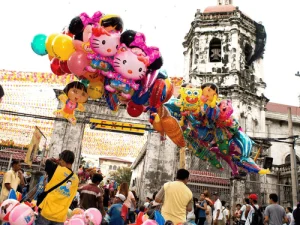 Fiestas are welcoming, but they are still “home events” for locals. Visitors should act like guests, not owners of the space.
Simple Guest Behavior That Locals Appreciate
- greet people politely and keep tone friendly
- do not treat religious parts as a show
- respect road closures and do not argue with marshals
- keep trash with you until you find a bin
Spending In Ways That Help Locals
During big festivals, money flows fast. In Sinulog, reporting mentioned about 100,000 foreign tourists. That level of tourism can benefit many locals, especially small sellers. [7]
Helpful spending habits:
- buy from local stalls and small eateries
- pay fair prices and avoid aggressive haggling
- tip when service is good and the setup supports tipping
- choose local tours and guides when possible
Safety: Heat, Crowds, And Basic Risk
Holiday events can be fun, but they can also be physically hard. Heat and crowds are the main issues.
Heat And Hydration Basics
In many parts of the Philippines, heat can feel intense. Crowds make it worse because airflow drops.
Simple habits:
- drink water before you feel thirsty
- wear light clothes and comfortable shoes
- bring a cap or umbrella for sun cover
- take breaks in shade or indoors
If someone feels dizzy, weak, or confused, treat it as a warning sign. Step out of the crowd and cool down.
Crowd Safety: Know When To Leave
Huge crowds can turn risky when movement gets stuck. Events described at multi million scale show how fast density can rise. [3]
Simple safety rules:
- avoid tight bottlenecks like narrow streets and bridges
- keep a clear exit path in mind
- do not force your way forward
- leave early if the crowd starts pushing
If traveling with kids, set rules early. Agree on a meeting point. Use bright clothing so they are easier to spot.
Theft And Personal Items
Crowds can attract pickpockets. This is true in many countries, not just the Philippines.
Simple habits:
- keep phones in front pockets or a zipped bag
- avoid flashing cash
- use a crossbody bag worn in front
- keep one card and small cash in an easy pocket, and the rest hidden
Money Planning: How To Avoid Overspending
Holiday pressure can lead to overspending, especially in the “ber months” build up. One shopping report found 57% increased online budgets, while 43% kept budgets below PHP 10,000. [6]
That mix is a good reminder. It is normal to want to spend. It also helps to set limits.
Practical habits:
- set one total budget number for the season
- split it into food, gifts, travel, and extras
- buy early for key items to avoid last minute price jumps
- keep a small buffer for surprise costs
Quick Checklist For A Smooth Holiday Trip
Before Leaving
- confirm tickets and booking details
- pack light and keep essentials easy to reach
- download offline maps or save key addresses
- set a meeting point plan for your group
On The Day
- leave early and expect lines
- hydrate and take breaks
- keep valuables secured
- be patient with staff and locals
Peak figures at year end show why patience matters. Systems are handling huge volume, and delays can happen even with good planning. [5]
Frequently Asked Questions
What Is The Difference Between A Regular Holiday And A Special Non Working Day
A regular holiday usually comes with stronger pay protection. Many workers are paid even if they do not report to work, and premium rates apply if they do work.
A special non working day often follows a “no work, no pay” setup unless a company policy says otherwise, with different premium rules if a person works.
Why Do Some Philippine Holidays Move Each Year
Some holidays get moved to create long weekends or to reduce midweek breaks. This practice is often discussed under “holiday economics,” where shifting dates may support local travel and spending.
Why Is The Christmas Season So Long In The Philippines
Many Filipinos treat Christmas as a season that starts in the “ber months,” beginning in September. One report described the Philippines as having the world’s longest Christmas season through these months.
The long build up also helps with planning for reunions, food, and travel during the busiest part of the year.
Is Holy Week A Good Time To Travel In The Philippines
It can be, but it is one of the busiest travel periods. Philstar reported close to 2.5 million sea travelers during Holy Week in 2024.
What Is Simbang Gabi And Do You Need To Be Catholic To Join
Simbang Gabi is a series of dawn masses held from December 16 to 24 as part of Christmas preparation.
People attend for faith, family tradition, or curiosity. Visitors are usually welcome, as long as they dress modestly and act respectfully.
What Happens During The Black Nazarene Feast
The Black Nazarene feast in Manila includes a major procession that draws huge crowds. One report described the crowd swelling to about 6.5 million along a route of around 6 kilometers.
Which Festivals Bring The Most Tourists
Big regional festivals can pull large visitor numbers, especially when they are well known nationally and overseas. For example, a report said about 100,000 foreign tourists celebrated Sinulog in 2023.
Do Holidays Help Or Hurt The Economy Overall
Both effects can happen at once. Holidays can boost travel, food, and retail spending, while also raising labor costs and disrupting normal work output.
Year end travel pressure, like a forecast of about 4.3 million passengers at the main gateway, shows how holiday peaks can drive spending while also stressing systems.
Conclusion: What The Holiday Calendar Really Shows
The holiday calendar in the Philippines is more than a schedule. It is a public map of what people protect: faith, family, and shared time. It also shows how a country makes space for meaning, even when daily life is busy.
Some holidays are quiet and personal. Others become massive public events that reshape cities.
The calendar also shows how movement happens in waves. During Holy Week, travel becomes a national pattern, not a small spike. Philstar reported close to 2.5 million sea travelers during Holy Week in 2024. [4]
At the end of the year, the same pattern appears in airports.
These peaks explain the tradeoff. Holidays create joy, reunion, and community life. They also bring crowds, higher prices, heavier workloads for some workers, and real costs for many employers. The “too many holidays” debate keeps coming up for that reason, because the calendar can boost spending while also disrupting work. [8]
The upside is clear too. Holidays keep traditions alive across generations. They help towns hold onto local pride through fiestas and festivals. In Cebu, Sinulog was reported to draw about 100,000 foreign tourists in 2023, showing how culture can also pull tourism and income. [7]
Used as a yearly reference, the holiday map makes planning easier. It also makes the rhythm of the Philippines easier to understand, because celebration here is not just a break from life. It is part of how life is organized.
Sources:
[1] Filipinos kick off world’s longest Christmas season with ‘ber months’ | Arab News
[2] Palace bares list of holidays for 2024 | Philippine News Agency
[3] Millions of Filipino Catholics join Black Nazarene procession | The Straits Times
[4] 2.5 million sea travelers logged during Holy Week | Philstar.com
[5] NNIC predicts surge in passengers to 4.3M for Christmas-New Year holidays | Ma. Stella F. Arnaldo
[6] Increased holiday shopping budgets for online purchases seen among Filipinos – BusinessWorld Online
[7] 100 thousand foreign tourists celebrate Sinulog 2023 | The Freeman
[8] Manila Bulletin – Philippines’ abundance of national holidays: A blessing or a burden?
[9] Holiday Wages in the Philippines: Rules and Guidelines for employers on employee holiday wage payment , article from Mazars Philippines Accounting Firm Mazars Accounting firm in the Philippines, Audit firm in the Philippines, payroll services, HR services and corporate services company for doing business in the Philippines and investing in the Philippines – Forvis Mazars – Philippines
[10] Public holidays in the Philippines
[11] Manila Bulletin – Holiday economics has become a policy
[12] Simbang Gabi: An enduring Filipino Christmas tradition | Philippine News Agency
[13] DOLE reminds employers: Give 13th month pay before Christmas | Philippine News Agency
[14] Manila Bulletin – Holiday spending drives overseas remittances to 3-month peak