
The Kyoto National Museum stands as a timeless symbol of Japan’s rich cultural heritage, preserving centuries of art, craftsmanship, and tradition. Stepping inside feels like entering a living history book, where each exhibit tells a story of Japan’s past. With its vast collection of artifacts—ranging from ancient samurai armor to beautiful Buddhist art—the museum provides a fascinating glimpse into the traditions and craftsmanship that have shaped Japan’s identity over the centuries.
Located near other historic landmarks, the museum is a must-see for anyone interested in understanding the essence of Kyoto. What makes it truly special is how it effortlessly blends old with new. The exhibits showcase a mix of ancient treasures and contemporary art, while the building itself merges traditional Japanese architecture with modern design. This creates a serene, almost reflective atmosphere, perfect for those who want to appreciate the timeless beauty of Japanese culture.
Whether you’re an art enthusiast or just passing through, the Kyoto National Museum is an unforgettable experience. It invites you to pause, reflect, and truly connect with the rich heritage that continues to define this incredible city. Don’t miss out on this captivating journey through time.
It’s a Must to Visit Because this is Where History Meets Heritage

Photo from https://www.travelcaffeine.com
The Kyoto National Museum is a must-see for anyone in the city. It offers a fascinating glimpse into Japan’s cultural heritage, from samurai armor to Buddhist sculptures. The museum isn’t just about artifacts—it’s about connecting with the traditions that shaped Kyoto. With its perfect blend of ancient and modern design, it provides a unique atmosphere where history comes to life. Plus, its central location makes it an easy stop while exploring Kyoto’s other historic gems. Whether you’re a history buff or a casual traveler, this museum offers an unforgettable cultural experience.
A Journey Through Time – Museum Layout & Highlights
The Kyoto National Museum is divided into three main sections: the Heisei Chishinkan Wing, the Meiji Kotokan Hall, and the museum’s lush Gardens & Outdoor Sculptures. Each space tells its own story and invites you to explore the rich tapestry of Japanese culture.

Photo from https://www.kyohaku.go.jp
1. Heisei Chishinkan Wing
This wing serves as the main exhibition hall of the Kyoto National Museum and is dedicated to showcasing a vast array of rotating exhibits that span Japan’s rich cultural and historical heritage. The exhibits often feature masterpieces from various periods, allowing visitors to explore the depth of Japan’s past. Some of the key highlights include:
- Samurai Armor and Weaponry: The hall often features impressive displays of samurai armor, swords, and other weaponry, offering a glimpse into Japan’s feudal era and the code of bushido.
- Ancient Calligraphy: You can admire beautiful examples of Japanese calligraphy from different periods, some of which are considered national treasures due to their historical significance.
- Buddhist Relics: As Buddhism has played a major role in shaping Japanese culture, this section often displays Buddhist relics and art, such as ancient sutras, scrolls, and statues that showcase the religious art and iconography of the time.
2. Meiji Kotokan Hall
The Meiji Kotokan Hall is a historical building that provides a stunning contrast between traditional and modern architecture. Originally built during the Meiji period (1868-1912), it combines Western-style design elements with traditional Japanese construction, creating a unique architectural experience. This hall is primarily used for special exhibits and events, providing a venue for temporary exhibitions that often focus on specific themes related to Japanese culture, art, and history. The beauty of the building itself enhances the exhibition experience, with the intricate wooden details and historical atmosphere.
- Exhibits and Events: You might find special collections that focus on Meiji-era artifacts, modern Japanese art, or collaborative exhibitions with other museums. The Meiji Kotokan Hall’s distinctive design also makes it a perfect place for events such as lectures, performances, and workshops related to Japanese culture.
3. Gardens & Outdoor Sculptures
The museum’s gardens offer a serene and peaceful environment for visitors to unwind and reflect on the exhibits. The carefully curated garden is a beautiful example of traditional Japanese landscaping, blending natural elements such as water features, rocks, and plants with outdoor sculptures. Some of the highlights include:
- Japanese Garden Design: Inspired by the aesthetic principles of wabi-sabi, the gardens focus on simplicity and the beauty of imperfection. This tranquil setting is ideal for a leisurely walk, allowing visitors to experience nature’s calming effect.
- Sculptures and Art Installations: Scattered throughout the garden are various outdoor sculptures and modern art installations that create a dialogue between nature and art. These pieces often complement the historical and cultural themes of the museum’s exhibits, offering a blend of traditional and contemporary creativity.
- Reflection Areas: The garden’s layout invites visitors to pause and reflect. Whether it’s near a koi pond, under the shade of a tree, or beside a stone lantern, these spaces are designed to help visitors find a sense of peace and connection with both the art and nature.
The combination of history, culture, art, and nature at the Kyoto National Museum provides a truly immersive experience, inviting visitors to appreciate Japan’s past while reflecting in a tranquil, beautiful environment.
Must-See Exhibits
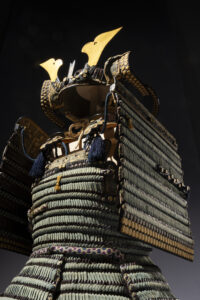
Photo from https://www.kyohaku.go.jp
One of the most captivating parts of the Kyoto National Museum is the diverse range of artifacts, which span the entire history of Japan. Among the must-see treasures are:
- Samurai Armor & Swords: The museum features exquisite samurai armor and swords, showcasing Japan’s martial history. These pieces, including intricately designed helmets and protective gear, reflect the status and artistry of the samurai class. Notable exhibits include elaborate katana swords, which exemplify traditional Japanese metalworking techniques.
- Buddhist Art: The museum holds a significant collection of Buddhist art, including scrolls, statues, and ritual objects. These artworks illustrate the deep influence of Buddhism in Japan, featuring serene depictions of deities like Kannon and scenes from the Buddha’s life. Items such as kakemono scrolls and wooden or bronze statues highlight Japan’s rich spiritual heritage.
- Ceramics & Pottery: Kyoto’s pottery exhibits display the country’s rich ceramic tradition, from ancient to modern pieces. Notable styles include Raku ware, known for its irregular shapes and glazes, and traditional Japanese porcelain, such as Imari ware. These works reflect both functional and aesthetic craftsmanship, celebrating Japan’s long history of ceramic artistry.
Special Exhibitions & Events
The museum regularly hosts special exhibitions that bring new and exciting elements to its collection. From ancient Japanese scrolls to modern art, there’s always something fresh to explore. Keep an eye on their website for event updates, as exhibitions change seasonally.
Architecture & Atmosphere – Where Tradition Meets Modernity

Photo from https://www.kyohaku.go.jp
The architecture of the Kyoto National Museum is as much a part of the experience as its exhibits. The Heisei Chishinkan Wing, designed with sleek, minimalist lines, creates a serene and modern atmosphere. Its clean, understated design contrasts with the more ornate Meiji Kotokan Hall, a building from the Meiji era. This older structure, with its historical charm, evokes the industrial age and provides a window into Japan’s transition to modernization.
Together, these two architectural styles form a conversation between Japan’s past and present. The traditional Meiji Kotokan Hall serves as a reminder of the nation’s early industrial efforts, while the Heisei Chishinkan Wing symbolizes Japan’s forward-thinking, contemporary approach. This blend of old and new reflects the evolving cultural identity of Kyoto, where tradition and innovation are constantly in dialogue. The transition between the two wings creates a seamless narrative, inviting visitors to reflect on the rich history and the dynamic future of Japan.
Visitor Information & Practical Tips
Planning ahead ensures a smooth and enjoyable visit at the Museum. From transportation options to facilities and tour choices, here’s everything you need to know.
Planning to Visit? More information below:
- Address: 527 Chaya-cho, Higashiyama-ku, Kyoto, Japan 605-0931
- Website: https://www.kyohaku.go.jp/eng/
- Email: goiken_kyohaku@nich.go.jp
- Phone: 075-525-2473
Admission Fee and Tickets Information
| Admission Type | Details / Dates | Hours | Admission Fee |
| Museum Garden Admission | March 25–April 17, 2025; June 17–July 6, 2025; August 26–September 18, 2025; November 18–December 14, 2025; March 24–April 16, 2026 | 9:30 AM–5:00 PM (entrance until 4:30 PM) Fridays: 9:30 AM–8:00 PM (entrance until 7:30 PM) | Adult: 300 yen, University Student: 150 yen |
| Special Admission | High school students, youths (0-17 years old), seniors (70+), visitors with disabilities and one caretaker, campus members (ID required) | 9:30 AM–5:00 PM (entrance until 4:30 PM) Fridays: 9:30 AM–8:00 PM (entrance until 7:30 PM) | Free |
| Accepted Payment Methods | Visa, Mastercard, JCB, AMEX, PayPay, and other payment methods | ||
For complete details on admission and other specifics, it’s always a good idea to check the museum’s official website or ask at the entrance.
Getting There – Your Gateway to Japan’s Past
- By Train – The nearest train station is Keihan Sanjo Station, just a short walk from the museum. From here, you can easily reach the museum in about 10 minutes. This station is well-connected to Kyoto’s public transport network, so it’s a great option if you’re coming from other parts of the city.
- Via Bus – If you’re coming from Kiyomizu-dera Temple, you can hop on a bus to Higashiyama Station, which is just a few minutes away from the museum. Several bus lines run through the area, making it an accessible choice for those already exploring Kyoto by bus.
- On Foot – For those exploring Kyoto on foot, the museum is also an excellent stop between nearby landmarks like Sanjusangen-do Temple and Chishaku-in Temple. It’s a peaceful walk that allows you to enjoy Kyoto’s beautiful streets.
7 Visitor Tips & Etiquette
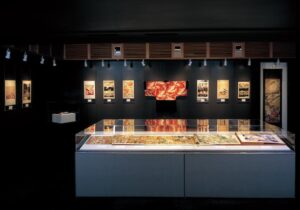
Photo from https://www.kyohaku.go.jp
Here are some key visitor tips and etiquette for the Kyoto National Museum:
- Respect the Art: Photography is typically not allowed in most exhibition halls, so enjoy the art with your eyes and avoid using flash photography.
- Quiet Reflection: This museum is a space for contemplation. Keep voices low and take time to reflect on the exhibits’ cultural significance.
- Plan Ahead: Check the museum’s website for any special exhibits or events. Some may require a separate ticket, so plan your visit accordingly.
- Dress Comfortably: Wear comfortable shoes, as the museum’s layout is expansive and requires a fair amount of walking.
- Respect the Space: Avoid leaning on displays or touching artifacts to protect delicate pieces.
- Phone Etiquette: Silence your phone to maintain a peaceful environment and avoid disruptions.
- Be Mindful of Time: The museum can be busy, especially during peak hours. Be mindful of others’ time and space in each exhibit room.
Best Time to Visit
To avoid the crowds, try to visit early in the morning or on weekdays. This offers a more serene experience, allowing you to fully absorb the museum’s beauty without the weekend rush.
Accessibility & Facilities: A Comfortable Visit for All
The Kyoto National Museum is committed to providing an accessible and comfortable experience for all visitors. The museum offers several features to ensure ease of access:
- Wheelchair Access: The museum is fully accessible to visitors with mobility impairments, with ramps and elevators available throughout the facility. Wheelchairs are available for free at the Information Desk.
- Rest Areas: There are designated rest areas throughout the museum for visitors to take a break and relax during their visit. This includes benches in galleries and outdoor areas.
- Facilities for Visitors with Disabilities: The museum provides special services for visitors with disabilities, including accessible restrooms and parking spaces.
- Audio Guides: Available for visitors who are blind or have low vision, the audio guides offer in-depth descriptions of the exhibits.
- Family-Friendly Facilities: The museum offers baby-changing facilities and other services for families with young children to ensure a comfortable visit for all ages.
- Cafés and Restrooms: Several cafés and well-maintained restrooms are available throughout the museum for convenience.
3 Nearby Attractions & What to Do After Your Visit
After your journey through the museum, there are several nearby attractions to continue your cultural exploration:
1. Sanjusangen-do Temple
Located just a short walk from the Kyoto National Museum, Sanjusangen-do Temple is renowned for its stunning array of 1,001 life-sized statues of Kannon, the goddess of mercy. These statues, meticulously arranged in long rows, create a breathtaking and spiritual atmosphere. The temple, originally built in the 12th century, is also famous for hosting the annual “Tōshiya” archery contest, where participants attempt to shoot arrows from one end of the temple’s long hall to the other. The temple’s serene environment and rich history make it a must-see for those interested in Japanese Buddhist art and culture.
Plan your visit with these details:
- Address: 657 Sanjusangendo-mawaricho, Higashiyama Ward, Kyoto City 605-0941
- Phone: 075-561-0467
- Website: https://www.sanjusangendo.jp/
- Admission Fee: General 600 yen , Junior-Senior High School Students 400 yen and Elementary Students 300 yen.
- Business Hours: April 1st to November 15th , 8:30-17:00 – November 16th – March 31st, 9:00-16:00
2. Chishaku-in Temple
Chishaku-in Temple is a peaceful retreat located near the museum, known for its tranquil atmosphere and beautiful gardens. It is part of the Jodo sect of Buddhism and features exquisite religious art and architecture. The temple’s main hall, with its intricate designs and traditional tatami-mat flooring, offers a sense of spiritual serenity. The lush gardens, with their ponds, trees, and seasonal flowers, make it a perfect place for quiet reflection. The temple also houses several significant Buddhist treasures, including scrolls, statues, and paintings.
Plan your visit with these details:
- Address: 605-0951 964 Higashikawarachō Higashiyama Ward, Kyoto City, Kyoto Prefecture
- Phone: +81-75-561-3216.
- Website: https://chisan.or.jp/en
- Admission Fee: General admission starts at 500 yen
- Business Hours: Open daily from 9:00 AM to 5:00 PM.
3. Kiyomizu-dera
Just a short distance from the museum, Kiyomizu-dera is one of Kyoto’s most iconic landmarks. This UNESCO World Heritage Site is famous for its massive wooden stage that juts out over the hillside, offering stunning views of the city and the surrounding mountains, particularly during cherry blossom season and the autumn foliage. The temple is dedicated to Kannon, the goddess of mercy, and the surrounding area is filled with historical significance. Visitors can also explore the nearby Jishu Shrine, known for its “love stones,” and the Otawa Waterfall, where visitors can drink from three streams of water believed to offer health, longevity, and success in love.
Plan your visit with these details:
- Address: 1-294 Kiyomizu, Higashiyama Ward, Kyoto
- Phone: +81755511234
- Website: https://www.kiyomizudera.or.jp/en/
- Admission Fee: Adult 400 Yen and Children under 15 years old are free of charge
- Business Hours: 6:00 AM – 6:00 PM (varies during special events)
These attractions, along with the Kyoto National Museum, offer a deep dive into Japan’s rich spiritual, cultural, and historical heritage, making them the perfect additions to your visit.
Final Thought – Kyoto National Museum is Worth Visiting

Photo from tripadvisor.com
The Kyoto National Museum is more than just a place to view artifacts—it’s a journey into the heart of Japan’s rich cultural and historical legacy. Whether you’re drawn to its exquisite samurai armor, Buddhist art, or centuries-old ceramics, the museum offers something for every type of visitor. Beyond its remarkable exhibits, the museum’s beautiful architecture and tranquil atmosphere create the perfect setting for reflection and discovery.
With nearby temples and serene gardens, it provides a comprehensive and immersive experience of Kyoto’s past and present. If you’re visiting Kyoto, the museum is an essential stop that will deepen your understanding of Japan’s timeless beauty and heritage. Don’t miss the chance to experience it for yourself—plan your visit today!
Frequently Asked Questions (FAQs)
Is the Kyoto National Museum accessible to visitors with disabilities?
Yes, the museum is fully accessible with ramps, elevators, and wheelchairs available for free at the information desk.
Can I take photographs inside the museum?
Photography is not allowed in most exhibition halls. Visitors are encouraged to enjoy the art with their eyes and respect the space.
Can I visit the Kyoto National Museum if I don’t speak Japanese?
Yes! The museum offers information in English, and audio guides are available for non-Japanese-speaking visitors.
How long should I plan to spend at the Kyoto National Museum?
A typical visit lasts around 2 to 3 hours, but you may want to plan more time if you’re interested in exploring every exhibit in detail.
Does the Kyoto National Museum offer guided tours?
Yes, the museum offers guided tours, which can be booked in advance. Check the website for details on availability and pricing.
Can I bring my backpack into the museum?
Large bags and backpacks are not allowed in the galleries but can be left in the designated lockers provided at the museum entrance.
How can I get information about upcoming special exhibits or events?
Information about special exhibits and events is available on the museum’s official website and social media channels. You can also sign up for updates or newsletters.