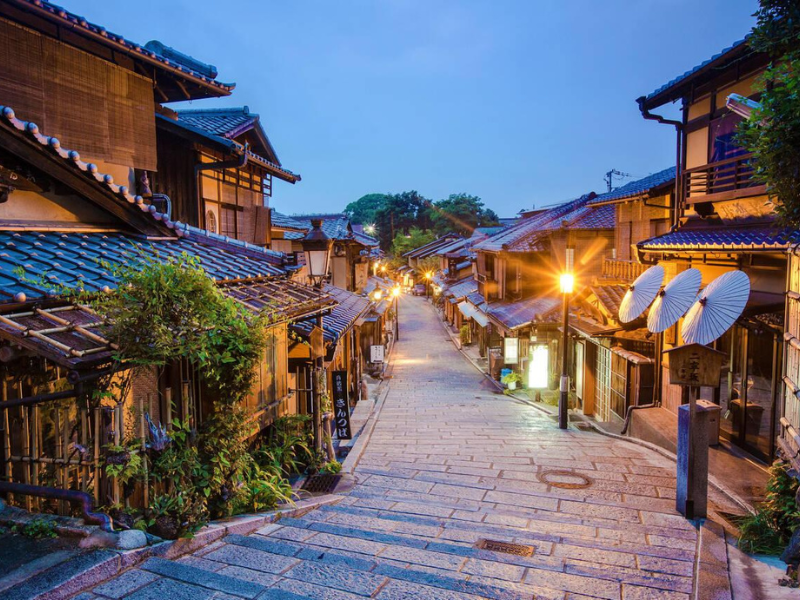
Did you know that Kyoto, a city in Japan, boasts over 1,600 Buddhist temples and Shinto shrines? Beyond its ancient cultural sites, Kyoto offers a blend of traditional and modern experiences that captivate visitors from around the globe. From serene bamboo forests to bustling market streets, Kyoto’s charm lies in its ability to transport you through time while embracing the present. Let’s delve into the rich tapestry of history, art, and culinary delights that make Kyoto a must-visit destination for travelers seeking a harmonious blend of past and present.
Iconic Temples in Kyoto
Golden Pavilion Highlights
 The Golden Pavilion, officially known as Kinkaku-ji, showcases a stunning three-story structure covered in gold leaf. Visitors can admire the reflection of the pavilion in the tranquil pond surrounding it. The temple’s top two floors are adorned with exquisite architecture and historical artifacts.
- Reflective pond surrounding the pavilion
- Exquisite architecture and historical artifacts
Ryoanji Temple Features
Ryoanji Temple is famous for its Zen rock garden, a masterpiece of simplicity and tranquility. The garden consists of 15 carefully placed rocks on raked white gravel. Visitors can contemplate the arrangement’s deeper meanings while enjoying the peaceful ambiance.
- Zen rock garden with 15 carefully placed rocks
- Raked white gravel creating a serene atmosphere
Tofukuji Temple Insights
 At Tofukuji Temple, visitors are captivated by the vibrant autumn foliage during the fall season. The temple’s renowned wooden bridge provides a picturesque view of the surrounding maple trees ablaze with colors. The vibrant hues create a mesmerizing sight for all visitors.
- Vibrant autumn foliage during fall season
- Picturesque view from the wooden bridge surrounded by colorful maple trees
Heian-jingu Overview
Heian-jingu is a prominent Shinto shrine known for its spacious grounds and grand torii gate. The shrine’s architecture reflects a mix of ancient Japanese design and intricate craftsmanship. Visitors can witness traditional ceremonies and festivals throughout the year.
- Spacious grounds and grand torii gate
- Blend of ancient Japanese design and intricate craftsmanship
Must-Visit Shrines
Fushimi Inari Shrine
 Fushimi Inari Shrine, established in 711 AD, is renowned for its thousands of vibrant torii gates. Visitors can explore the scenic trails leading to Mount Inari while encountering fox statues symbolizing the shrine’s deity.
Yasaka Shrine Details
Yasaka Shrine, founded in the 7th century, stands out with its festivals like Gion Matsuri. The shrine’s architecture and serene gardens offer a glimpse into Kyoto’s rich cultural heritage.
Kamigamo Jinja Guide
Kamigamo Jinja, one of the oldest Shinto shrines in Kyoto, dates back to the 7th century. Its tranquil atmosphere and annual Aoi Matsuri festival attract numerous visitors seeking spiritual solace.
Kitano Tenmangu Shrine
Kitano Tenmangu Shrine, built in 947 AD, honors Sugawara no Michizane, a revered scholar and deity of learning. Visitors can witness traditional rituals and purchase good luck charms at this historic site.
| Shrine | Description | Highlights |
| Fushimi Inari Shrine | Established in 711 AD, this iconic shrine is famous for its thousands of vermillion torii gates, leading to the sacred Mount Inari. | Scenic hiking trails, fox statues symbolizing Inari, and panoramic views of Kyoto. |
| Yasaka Shrine | Dating back to the 7th century, Yasaka Shrine is a cultural landmark known for hosting Kyoto’s grand Gion Matsuri festival. | Elegant shrine architecture, serene gardens, and vibrant seasonal festivals. |
| Kamigamo Jinja | One of Kyoto’s oldest Shinto shrines, founded in the 7th century, offering a peaceful retreat for visitors. | Annual Aoi Matsuri parade, sacred purification rituals, and historical significance. |
| Kitano Tenmangu Shrine | Built in 947 AD, this shrine honors Sugawara no Michizane, the deity of learning, attracting students and scholars. | Plum blossom gardens, traditional Shinto rituals, and good luck charms for academic success. |
Practical Travel Tips
Transportation Options
When visiting Kyoto, travelers can opt for efficient public transportation like buses and trains. The city’s extensive bus network covers major attractions, while the subway system provides quick access to different areas. Renting bicycles is also a popular choice, offering flexibility and a unique way to explore the city at a leisurely pace.
Best Times to Visit
Kyoto experiences four distinct seasons, each offering a unique charm to visitors. Spring, particularly April, is renowned for the stunning cherry blossoms that blanket the city in pink hues. Fall, around November, showcases vibrant autumn foliage, creating picturesque landscapes. To avoid crowds and enjoy pleasant weather, consider visiting during the shoulder seasons of late spring or early fall.
Entry Requirements
Travelers to Kyoto need to ensure they have a valid passport with at least six months’ validity remaining. Most visitors are eligible for visa-free entry for stays up to 90 days, depending on their nationality. It’s essential to check specific requirements based on your country of origin before planning your trip.
Costs and Fees
Exploring Kyoto can be done on various budgets, with options ranging from budget-friendly hostels to luxurious ryokans. Entrance fees to popular attractions like temples and gardens vary, so it’s advisable to purchase a Kyoto sightseeing pass for discounted entry. Dining options cater to all budgets, from affordable street food stalls to upscale restaurants serving traditional kaiseki cuisine.
Scenic Spots in Kyoto
Arashiyama Bamboo Grove
 Arashiyama Bamboo Grove, located in western Kyoto, is a serene natural attraction popular for its towering bamboo stalks. Visitors can stroll along the peaceful pathways amidst the rustling bamboo.
The mesmerizing sound of the swaying bamboo creates a tranquil ambiance, offering a unique experience in harmony with nature. The grove is especially enchanting during early mornings or late afternoons.
Philosopher’s Path
Philosopher’s Path is a picturesque stone path alongside a canal, lined with hundreds of cherry trees. This scenic walk is particularly stunning during the cherry blossom season in spring.
Visitors can enjoy a leisurely stroll while admiring the blooming cherry blossoms, creating a captivating pink canopy overhead. The path is named after a famous Japanese philosopher who used to contemplate life while walking here.
Kiyomizu-dera Views
Kiyomizu-dera, an iconic Buddhist temple in Kyoto, offers breathtaking views of the city from its wooden terrace. The panoramic vistas of Kyoto’s skyline are especially stunning during sunset.
Visitors can witness the city lights twinkling below as they overlook the historic district of Higashiyama. The temple’s architecture and surrounding nature create a harmonious blend of beauty and spirituality.
Maruyama Park
Maruyama Park, known for its majestic cherry trees, is a popular spot for hanami (cherry blossom viewing) picnics. Visitors can relax under the blooming trees and soak in the festive atmosphere.
The park comes alive with food stalls, lanterns, and traditional performances during the cherry blossom season. It’s a perfect place to experience the vibrant celebration of spring in Japan.
Enhancing Your Visit
Local Cuisine
When exploring Kyoto, don’t miss trying traditional dishes like Kaiseki and Yudofu in local restaurants. Enjoy the delicate flavors of Kyoto cuisine, known for its emphasis on seasonal ingredients and presentation.
Cultural Etiquette
Respect Kyoto’s customs by bowing slightly when greeting locals or entering temples and shrines. Remember to remove your shoes before entering traditional establishments to honor Kyoto’s cultural norms.
Seasonal Events
Experience the vibrant culture of Kyoto by attending events like the Gion Matsuri in July. Witness the breathtaking beauty of cherry blossoms during the Hanami season in spring.
Guided Tours
Join guided tours to explore Kyoto’s historical sites with knowledgeable local guides. Learn about the rich history and significance of landmarks like Kinkaku-ji and Fushimi Inari Shrine.
Closing Thoughts
You’ve now got the inside scoop on Kyoto’s iconic temples, must-visit shrines, practical travel tips, and scenic spots. Enhance your visit by immersing yourself in the beauty and tranquility of this historic city. Remember, a trip to Kyoto is not just about ticking off landmarks; it’s about experiencing the soul of Japan through its rich culture and traditions.
ack your bags, grab your camera, and get ready to explore Kyoto like a local. Whether you’re savoring matcha in a traditional tea house or wandering through bamboo groves, make every moment count. Let Kyoto weave its magic on you, leaving you with unforgettable memories and a newfound appreciation for the wonders of this enchanting city.