Cambodia, often called the “Kingdom of Wonder,” is an amazing place to visit. This beautiful country in Southeast Asia is filled with rich history, vibrant culture, and stunning landscapes. From the incredible temples of Angkor to the bustling streets of Phnom Penh, Cambodia offers a mix of experiences that will leave you in awe. This travel guide is here to help you uncover the best of Cambodia, with all the tips and information you need to have a great trip.
Why Visit Cambodia?
Rich Historical Legacy
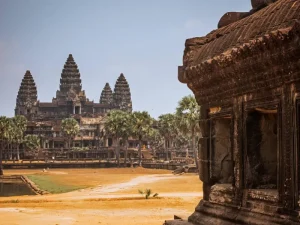 Cambodia’s history is both fascinating and complex. The country is home to Angkor Wat, one of the most famous archaeological sites in the world. This huge temple complex, a UNESCO World Heritage site, attracts millions of visitors each year and showcases the grandeur of the ancient Khmer Empire. Beyond Angkor, Cambodia’s history includes periods of colonization, conflict, and revival. Learning about this history offers a deep insight into the resilience and spirit of the Cambodian people.
Vibrant Culture
Cambodia’s culture is a colorful mix of tradition, religion, and art. Buddhism is central to Cambodian life, influencing everything from architecture to daily customs. You can immerse yourself in local traditions by watching a traditional Apsara dance performance or joining in the celebrations during a local festival like Khmer New Year. The warmth and hospitality of the Cambodian people add to the richness of the cultural experience.
Stunning Natural Beauty
Cambodia is blessed with diverse and stunning natural beauty. Whether you’re exploring the pristine beaches of Sihanoukville, the idyllic islands of Koh Rong and Koh Rong Samloem, or the lush jungles and wildlife sanctuaries of the Cardamom Mountains, there’s something for every nature lover. Whether you’re seeking adventure or relaxation, Cambodia’s natural wonders provide the perfect backdrop.
Embracing Cambodian Hospitality
Accommodation Options
Cambodia offers a wide range of accommodation options to suit all budgets. From luxury hotels and boutique resorts to budget hostels and guesthouses, you’ll find something that fits your needs. In cities like Phnom Penh and Siem Reap, international hotel chains provide high-end comfort, while eco-friendly lodges and homestays offer a more local and sustainable experience.
Dining and Nightlife
 Cambodian cuisine is a delightful mix of flavors and influences. Traditional dishes such as amok (coconut fish curry), lok lak (stir-fried beef), and num pang (Cambodian sandwich) are must-tries. Street food stalls and local markets offer a taste of everyday Cambodian life, while fine dining restaurants present refined versions of classic dishes. The nightlife in Cambodia varies from lively bars and clubs in Phnom Penh and Siem Reap to relaxed beach bars in Sihanoukville.
A Glimpse into Cambodia’s History and Culture
Cambodia’s history and culture are deeply intertwined, creating a unique and fascinating narrative that spans centuries. Understanding this rich heritage enhances the travel experience, offering insights into the country’s present-day customs and traditions. This section delves into Cambodia’s storied past and vibrant cultural tapestry.
Early History and Ancient Civilizations
Cambodia’s history dates back to prehistoric times, with archaeological evidence suggesting that the region has been inhabited for thousands of years. Early settlements were primarily agrarian communities, and over time, these groups developed complex societies.
The Funan and Chenla Kingdoms
Around the 1st century AD, the powerful Funan Kingdom emerged, centered around the Mekong Delta. Funan was a significant trade hub, engaging in commerce with India and China. By the 6th century, Funan gave way to the Chenla Kingdom, which further expanded its influence across the region. These early kingdoms laid the groundwork for the rise of the Khmer Empire, contributing to the cultural and religious landscape of ancient Cambodia.
The Khmer Empire
The Khmer Empire, which flourished from the 9th to the 15th century, is considered Cambodia’s golden age. It was during this period that some of the most magnificent architectural feats were accomplished, including the construction of Angkor Wat. The empire was marked by its sophisticated system of irrigation, which allowed for agricultural prosperity and population growth.
Angkor Wat and Other Temples
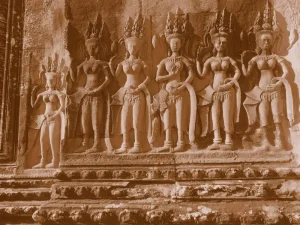 Angkor Wat, built in the early 12th century by King Suryavarman II, is the largest religious monument in the world. Initially dedicated to the Hindu god Vishnu, it later became a Buddhist temple. The Angkor complex, which includes numerous other temples such as Bayon and Ta Prohm, showcases the architectural and artistic prowess of the Khmer civilization. These structures are not only religious sites but also represent the political and cultural zenith of the empire.
French Colonial Period
In the mid-19th century, Cambodia became a protectorate of France. The French colonial period, which lasted until 1953, brought significant changes to Cambodian society. The French introduced new administrative systems, infrastructure projects, and Western education. While the colonial period was marked by economic exploitation, it also facilitated the preservation of Cambodia’s ancient monuments, including extensive restoration work at Angkor Wat.
Impact on Culture and Society
The French influence extended to various aspects of Cambodian life, including cuisine, architecture, and language. French colonial architecture can still be seen in Phnom Penh, characterized by its grand boulevards and colonial-era buildings. The French also introduced baguettes, which have become a staple in Cambodian cuisine, often served as num pang, a local sandwich.
The Road to Independence and Modern History
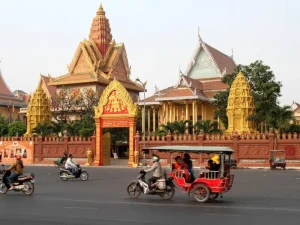 The mid-20th century was a tumultuous time for Cambodia. After World War II, a strong nationalist movement emerged, leading to the country’s independence from France in 1953. King Norodom Sihanouk played a pivotal role in the independence movement and became a central figure in Cambodia’s modern history.
The Khmer Rouge Era
One of the darkest chapters in Cambodia’s history occurred between 1975 and 1979, when the Khmer Rouge, led by Pol Pot, took control of the country. The regime sought to transform Cambodia into a classless agrarian society, resulting in the deaths of an estimated 1.7 million people through forced labor, starvation, and execution. The impact of this brutal period is still felt today, with many Cambodians continuing to heal from the trauma.
Rebuilding and Revival
Following the fall of the Khmer Rouge, Cambodia faced decades of political instability and economic challenges. However, the country has made significant strides in rebuilding and development. Today, Cambodia is a constitutional monarchy with a growing economy, largely driven by tourism, textiles, and agriculture. The revival of cultural traditions and the preservation of historical sites have played crucial roles in the nation’s recovery and identity.
Cambodian Culture Today
Religion and Spirituality
Buddhism, specifically Theravada Buddhism, is the dominant religion in Cambodia, practiced by over 90% of the population. Monasteries, or pagodas, are central to community life, serving as places of worship, education, and social gatherings. Religious festivals, such as Pchum Ben and Khmer New Year, are widely celebrated and provide a glimpse into the spiritual life of the Cambodian people.
Arts and Crafts
Cambodia has a rich artistic heritage, with traditional arts such as silk weaving, pottery, and wood carving being passed down through generations. The art of Apsara dance, characterized by its graceful movements and elaborate costumes, is a significant cultural symbol. Contemporary Cambodian artists are also gaining recognition, blending traditional techniques with modern themes.
Festivals and Celebrations
Cambodia’s calendar is filled with vibrant festivals and celebrations. Khmer New Year, celebrated in April, marks the end of the harvest season and is a time for family gatherings, games, and religious rituals. The Water Festival, or Bon Om Touk, held in November, celebrates the reversal of the Tonle Sap River and features boat races, music, and fireworks. These festivals offer visitors a chance to experience the joyous and communal spirit of Cambodian culture.
Cambodia has such a rich history and culture and it’s very worth it to be knowledgeable of it. Part of any culture in any country is the cuisine that is unique to them. Let’s dive into the different dishes Cambodia is known for.
Culinary Delights of Cambodia
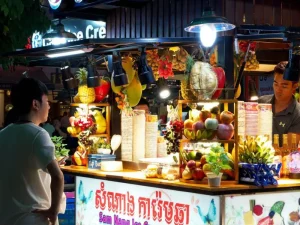 Cambodian cuisine, often overshadowed by its Thai and Vietnamese neighbors, is a hidden gem that deserves more attention. Rich in flavors, textures, and aromas, Cambodian food reflects the country’s history, geography, and cultural influences. This section explores the culinary delights of Cambodia, from traditional dishes to street food, and offers insights into where and how to enjoy these gastronomic treasures.
Introduction to Cambodian Cuisine
A Fusion of Influences
Cambodian cuisine, or Khmer cuisine, is a blend of indigenous flavors and techniques with influences from neighboring countries, as well as French and Chinese culinary traditions. The result is a unique and diverse array of dishes that highlight the best of Southeast Asian cooking. Rice and fish are staples, with fresh herbs, spices, and condiments playing a crucial role in enhancing flavors.
The Role of Rice
Rice is the cornerstone of Cambodian meals, often served with various side dishes. The fertile plains and abundant water sources of the Mekong River and Tonle Sap Lake regions make rice cultivation a vital part of the Cambodian diet and economy. Rice is not only consumed as a main dish but also used in desserts and snacks.
Must-Try Traditional Dishes
Amok
Amok is one of Cambodia’s most iconic dishes. This fragrant and flavorful fish curry is made with freshwater fish, coconut milk, and a blend of spices including lemongrass, kaffir lime leaves, and turmeric. The mixture is traditionally steamed in banana leaves, resulting in a custard-like consistency. Amok is often garnished with fresh herbs and served with rice.
Lok Lak
Lok Lak is a popular Cambodian stir-fry dish featuring marinated beef or chicken served with a tangy dipping sauce made from lime juice, black pepper, and salt. The meat is typically served over a bed of lettuce, tomatoes, cucumbers, and onions, with a side of rice and a fried egg on top. Lok Lak is known for its bold flavors and satisfying combination of textures.
Bai Sach Chrouk
Bai Sach Chrouk, or grilled pork with rice, is a beloved breakfast dish in Cambodia. Thinly sliced pork is marinated in garlic and coconut milk, then grilled to perfection. It is served over a bed of fluffy white rice, accompanied by pickled vegetables and a bowl of clear chicken broth. This simple yet delicious dish is a staple of Cambodian street food culture.
Street Food Adventures
Num Pang
Num Pang, the Cambodian version of a sandwich, is a delightful fusion of flavors and textures. It typically features a baguette filled with various ingredients such as grilled meat, pickled vegetables, fresh herbs, and a spicy chili sauce. Num Pang reflects the French influence on Cambodian cuisine and is a popular street food item.
Lort Cha
Lort Cha is a stir-fried noodle dish made with short rice noodles, vegetables, and meat, often topped with a fried egg. The dish is seasoned with soy sauce and chili, creating a savory and slightly spicy flavor profile. Lort Cha is commonly found at street food stalls and night markets, offering a quick and tasty meal option for locals and visitors alike.
Kralan
Kralan, or bamboo sticky rice, is a traditional Cambodian snack made from sticky rice mixed with black beans, grated coconut, and coconut milk. The mixture is packed into bamboo tubes and roasted over an open flame. Once cooked, the bamboo is peeled away to reveal a delicious and slightly sweet treat. Kralan is often enjoyed during festivals and special occasions.
Dining in Cambodia
 Restaurants and Local Eateries
 Restaurants and Local Eateries
Cambodia offers a wide range of dining options, from upscale restaurants to humble local eateries. In cities like Phnom Penh and Siem Reap, you’ll find an array of international and fusion cuisine alongside traditional Khmer dishes. Fine dining establishments often put a modern twist on classic recipes, while local eateries provide a more authentic and budget-friendly experience.
Markets and Street Food Stalls
Markets and street food stalls are the heart and soul of Cambodian culinary culture. Visiting these bustling hubs offers a chance to sample a variety of dishes and snacks, often at very affordable prices. Central Market in Phnom Penh and the Night Market in Siem Reap are popular spots where you can try everything from grilled meats to fresh fruit smoothies.
Unique Culinary Experiences
Cooking Classes
For those interested in learning more about Cambodian cuisine, taking a cooking class is a fantastic way to gain hands-on experience. Many cooking schools in Phnom Penh, Siem Reap, and Battambang offer classes that include a market tour to buy fresh ingredients, followed by a guided cooking session where you can prepare and enjoy traditional dishes.
Food Tours
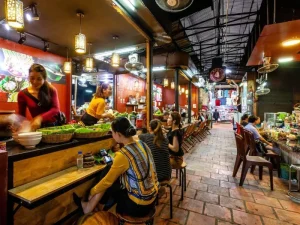 Food tours are another great way to explore Cambodian cuisine. Guided tours often take you to local markets, street food stalls, and hidden gems that you might not discover on your own. These tours provide insights into the history and culture behind the dishes, making for a more enriching culinary adventure.
Farm-to-Table Experiences
Some restaurants and eco-lodges in Cambodia offer farm-to-table dining experiences, where you can learn about sustainable farming practices and enjoy meals made with fresh, locally-sourced ingredients. These experiences often include tours of the farm or garden, giving you a deeper appreciation for the ingredients and the effort that goes into producing them.
As you savor the culinary delights of Cambodia, you’ll find that each dish tells a story of the country’s rich heritage and vibrant culture. The flavors, aromas, and textures of Khmer cuisine provide a sensory journey that complements the visual and historical wonders you’ll encounter throughout the country. Now that we’ve explored the tastes of Cambodia, let’s dive into its diverse tourist destinations. From the bustling capital of Phnom Penh to the ancient temples of Angkor Wat, the serene beaches of Sihanoukville and Kep, and the artistic hub of Battambang, each location offers unique experiences and attractions that make Cambodia a must-visit destination. Let’s embark on this journey to discover the highlights of these remarkable places.
Exploring Cambodia’s Top Tourist Destinations
Cambodia is a country rich in history, culture, and natural beauty. Each of its key destinations offers unique experiences that capture the essence of this fascinating nation. From the vibrant streets of Phnom Penh to the ancient wonders of Angkor Wat, the serene beaches of Sihanoukville and Kep, and the artistic charm of Battambang, there is something for every traveler. Let’s dive into the highlights of these top tourist destinations.
Phnom Penh: The Vibrant Capital
Royal Palace and Silver Pagoda
The Royal Palace, a striking complex of buildings, serves as the residence of the King of Cambodia. Within its grounds lies the Silver Pagoda, named for its gleaming silver floor tiles. This pagoda houses a revered emerald Buddha statue and other national treasures. The intricate architecture and lush gardens make it a must-visit.
Tuol Sleng Genocide Museum
A stark reminder of Cambodia’s tragic past, the Tuol Sleng Genocide Museum was once a high school turned into a torture and interrogation center by the Khmer Rouge. Today, it serves as a powerful memorial to the victims, offering visitors a somber yet essential insight into the country’s history.
Wat Phnom
Wat Phnom, the city’s namesake temple, sits atop a small hill in the heart of Phnom Penh. It is a popular spot for both locals and tourists, offering a peaceful escape and a chance to participate in traditional Buddhist practices. The temple’s history dates back to 1373, making it one of the oldest religious sites in the city.
Central Market and Riverside Promenade
The Central Market, housed in a stunning Art Deco building, is a bustling hub of activity where you can find everything from jewelry and clothing to local snacks. Nearby, the Riverside Promenade offers a scenic stroll along the Tonle Sap River, with numerous cafes and restaurants where you can relax and watch the world go by.
Sihanoukville and Kep: Coastal Charms
Sihanoukville
Sihanoukville is Cambodia’s premier beach destination, offering a mix of lively beaches and tranquil islands. Key attractions include:
- Otres Beach: Known for its laid-back vibe and pristine sands, Otres Beach is perfect for relaxation and water activities.
- Koh Rong and Koh Rong Samloem: These islands are famous for their crystal-clear waters, vibrant marine life, and unspoiled beaches. Koh Rong is more developed with nightlife options, while Koh Rong Samloem offers a more peaceful retreat.
Kep
Kep is a charming coastal town known for its serene environment and historical significance. Must-visit spots include:
- Kep National Park: Ideal for hiking and nature walks, the park offers trails that wind through lush forests and provide stunning views of the coastline.
- Crab Market: Renowned for its fresh seafood, particularly the famous Kampot pepper crab, the market is a culinary highlight.
- Rabbit Island (Koh Tonsay): A short boat ride from Kep, Rabbit Island offers quiet beaches and rustic bungalows, perfect for a day trip or overnight stay.
Angkor Wat: The Ancient Wonder
History and Significance
 History and Significance
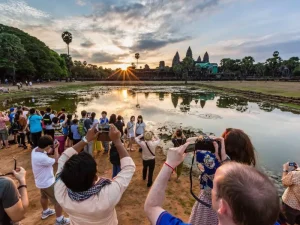
Angkor Wat, built in the early 12th century by King Suryavarman II, is the largest religious monument in the world. Originally dedicated to the Hindu god Vishnu, it gradually transformed into a Buddhist temple by the end of the 12th century. This temple complex is renowned for its stunning bas-reliefs, massive towers, and intricate carvings that depict various mythological and historical scenes.
Main Temples to Explore
- Angkor Thom: The last capital of the Khmer Empire, Angkor Thom is known for the Bayon Temple with its enigmatic stone faces and the Terrace of the Elephants.
- Ta Prohm: Famous for its overgrown trees and roots enveloping the ruins, Ta Prohm offers a unique, almost mystical atmosphere. It gained international fame as a filming location for the movie “Tomb Raider.”
- Banteay Srei: Often referred to as the “Citadel of Women,” Banteay Srei is renowned for its detailed pink sandstone carvings, considered some of the finest in Cambodia.
Tips for Visiting Angkor Wat
To fully appreciate the grandeur of Angkor Wat, plan to visit over multiple days. Sunrise and sunset visits offer spectacular views and cooler temperatures. Hiring a knowledgeable guide can enhance your experience by providing historical context and pointing out hidden details.
Battambang: The Artistic Heart
Phare Ponleu Selpak Circus
Battambang is home to Phare Ponleu Selpak, an extraordinary circus that combines acrobatics, theater, and music to tell compelling Cambodian stories. The circus is a social enterprise that supports local youth through arts education, making it a must-see performance.
Bamboo Train
The Bamboo Train, or Norry, is a unique and fun way to experience the Cambodian countryside. This makeshift rail vehicle, constructed from bamboo and powered by a small engine, offers a bumpy yet exhilarating ride through rural Battambang.
Art Galleries and Studios
Battambang is known for its vibrant arts scene. Numerous galleries and studios showcase the work of local artists, offering a mix of traditional and contemporary pieces. The Romcheik 5 Art Space is particularly notable for its collection of modern Cambodian art.
Historical Sites
- Wat Banan: Often compared to a smaller Angkor Wat, Wat Banan is an ancient temple located on a hilltop, offering panoramic views of the surrounding landscape.
- Wat Ek Phnom: A partially collapsed 11th-century temple, Wat Ek Phnom is surrounded by lush greenery and features a giant Buddha statue.
Exploring the Countryside
Battambang’s countryside is dotted with charming villages, rice paddies, and traditional stilt houses. Cycling tours are a popular way to explore the area, providing an intimate look at rural Cambodian life and an opportunity to interact with local communities.
As you explore Cambodia’s vibrant cities, ancient temples, serene beaches, and artistic hubs, you’ll immerse yourself in a rich tapestry of history and culture. To ensure your trip is smooth and enjoyable, being well-prepared is crucial. From understanding visa requirements and currency exchanges to packing the right gear and staying healthy, practical travel tips are essential. In the next section, we provide comprehensive advice covering everything you need to know for your Cambodian adventure. Whether you’re a seasoned traveler or a first-time visitor, these insights will help you navigate Cambodia with ease and confidence.
| Section | Key Points |
| Why Visit Cambodia? | Rich history (Angkor Wat), vibrant culture, stunning landscapes (beaches, mountains) |
| Cambodian History & Culture | Khmer Empire, French colonial influence, Khmer Rouge era, cultural traditions |
| Culinary Delights | Amok, Lok Lak, Bai Sach Chrouk, street food like Num Pang & Lort Cha |
| Top Destinations | Phnom Penh (Royal Palace, markets), Angkor Wat, Sihanoukville (beaches), Battambang (arts) |
| Practical Travel Tips | Visa requirements, currency (USD & Riel), health/safety, packing, transportation |
Practical Travel Tips and Advice
Preparing for your trip to Cambodia involves more than just booking flights and accommodations. Being well-informed about local customs, health precautions, and essential items to pack will help ensure a smooth and enjoyable experience. Here are some practical travel tips to help you make the most of your visit to the Kingdom of Wonder.
Visa Requirements and Entry Regulations
Getting a Visa
Most travelers to Cambodia will need a visa, which can be easily obtained upon arrival at major airports and border crossings. The tourist visa is typically valid for 30 days and can be extended if needed. To streamline the process, you can also apply for an e-visa online before your trip. Make sure your passport is valid for at least six months from your entry date and that you have a recent passport-sized photo and cash (usually US dollars) to pay the visa fee.
Entry Requirements
Check the latest entry requirements before you travel, as these can change. Ensure you have all necessary documents, including proof of onward travel and sufficient funds for your stay. It’s also wise to carry copies of important documents, such as your passport and visa, in case of loss or theft.
Currency and Money Management
Currency
The official currency of Cambodia is the Cambodian Riel (KHR), but the US Dollar is widely accepted, especially in larger cities and tourist areas. It’s a good idea to carry small denominations of both currencies, as change is often given in Riel when you pay in dollars.
ATMs and Credit Cards
ATMs are readily available in major cities like Phnom Penh, Siem Reap, and Sihanoukville, dispensing both Riel and US Dollars. However, it’s advisable to have some cash on hand when traveling to more remote areas. Credit cards are accepted in many hotels, restaurants, and larger stores, but smaller businesses and markets typically prefer cash.
Health and Safety Tips
Vaccinations and Health Precautions
Before traveling to Cambodia, check with your healthcare provider about recommended vaccinations. Common ones include Hepatitis A and B, typhoid, and tetanus. If you plan to visit rural areas, consider malaria prophylaxis. Carry a basic first aid kit, including insect repellent, sunscreen, and any personal medications.
Water and Food Safety
Drink only bottled or filtered water, as tap water is not safe for consumption. Be cautious with street food, opting for stalls that are busy and appear clean. Peel fruits and vegetables to avoid contamination and ensure hot food is thoroughly cooked.
Packing Essentials
 Clothing
 Clothing
Cambodia’s tropical climate means light, breathable clothing is essential. Pack comfortable clothes for hot and humid weather, as well as a light jacket or sweater for cooler evenings. When visiting temples or religious sites, dress modestly by covering your shoulders and knees.
Gear and Accessories
A good pair of walking shoes is essential, especially for exploring temple complexes and cities. Other useful items include a hat, sunglasses, a reusable water bottle, and a small daypack. Don’t forget power adapters for your electronic devices, as Cambodia uses Type A, C, and G outlets.
Communication and Connectivity
Language
While Khmer is the official language of Cambodia, English is widely spoken in tourist areas. Learning a few basic Khmer phrases can enhance your travel experience and help you connect with locals. Simple greetings like “Hello” (Soursdey) and “Thank you” (Arkun) are appreciated.
Staying Connected
SIM cards with data plans are affordable and easy to purchase at airports and in cities. Major providers include Smart, Cellcard, and Metfone. Having a local SIM card ensures you can stay connected for maps, translations, and communication.
Transportation Tips
Getting Around
Cambodia offers various transportation options, including buses, taxis, tuk-tuks, and motorcycles. Buses are the most economical for long-distance travel, while tuk-tuks are convenient for short trips within cities. If you plan to rent a motorcycle or bicycle, ensure you have adequate insurance and are familiar with local traffic rules.
Safety
Always wear helmets when riding motorcycles and be cautious of traffic, especially in busy urban areas. Use registered taxis or reputable ride-hailing apps like Grab for safe and reliable transportation.
FAQ
What is the best time to visit Cambodia?
The best time to visit Cambodia is between November and April, during the dry season when the weather is cooler and more comfortable for sightseeing. This period is ideal for exploring temples, beaches, and other attractions.
Do I need a visa to travel to Cambodia?
Yes, most travelers need a visa to enter Cambodia, which can be obtained on arrival or through an online e-visa application. Ensure your passport is valid for at least six months and bring a passport-sized photo and cash for the fee.
What are must-try dishes in Cambodian cuisine?
Amok (fish curry), Lok Lak (stir-fried beef), and Bai Sach Chrouk (grilled pork with rice) are iconic Cambodian dishes you shouldn’t miss. Street food like Num Pang sandwiches and Lort Cha noodles also offer delicious and authentic flavors.
What are the top attractions in Cambodia?
Angkor Wat, the Royal Palace in Phnom Penh, and the beaches of Sihanoukville are some of Cambodia’s top attractions. For a unique experience, visit the floating villages on Tonle Sap Lake or the artistic town of Battambang.
In conclusion, Cambodia, the “Kingdom of Wonder,” offers an enriching blend of history, culture, and natural beauty. From the magnificent temples of Angkor Wat and the vibrant streets of Phnom Penh to the serene beaches of Sihanoukville and Kep, and the artistic charm of Battambang, each destination provides unique experiences that captivate and inspire. The flavors of Cambodian cuisine further enhance the journey, offering a taste of the country’s rich heritage through its diverse dishes and street food.
To make the most of your Cambodian adventure, being well-prepared with practical travel tips is essential. Understanding visa requirements, managing currency, and taking health precautions ensure a smooth trip. Packing appropriately for the tropical climate, learning basic Khmer phrases, and navigating transportation options will help you explore Cambodia with ease and confidence. Embrace the wonder of Cambodia, a land where ancient history and vibrant culture come together to create unforgettable memories.