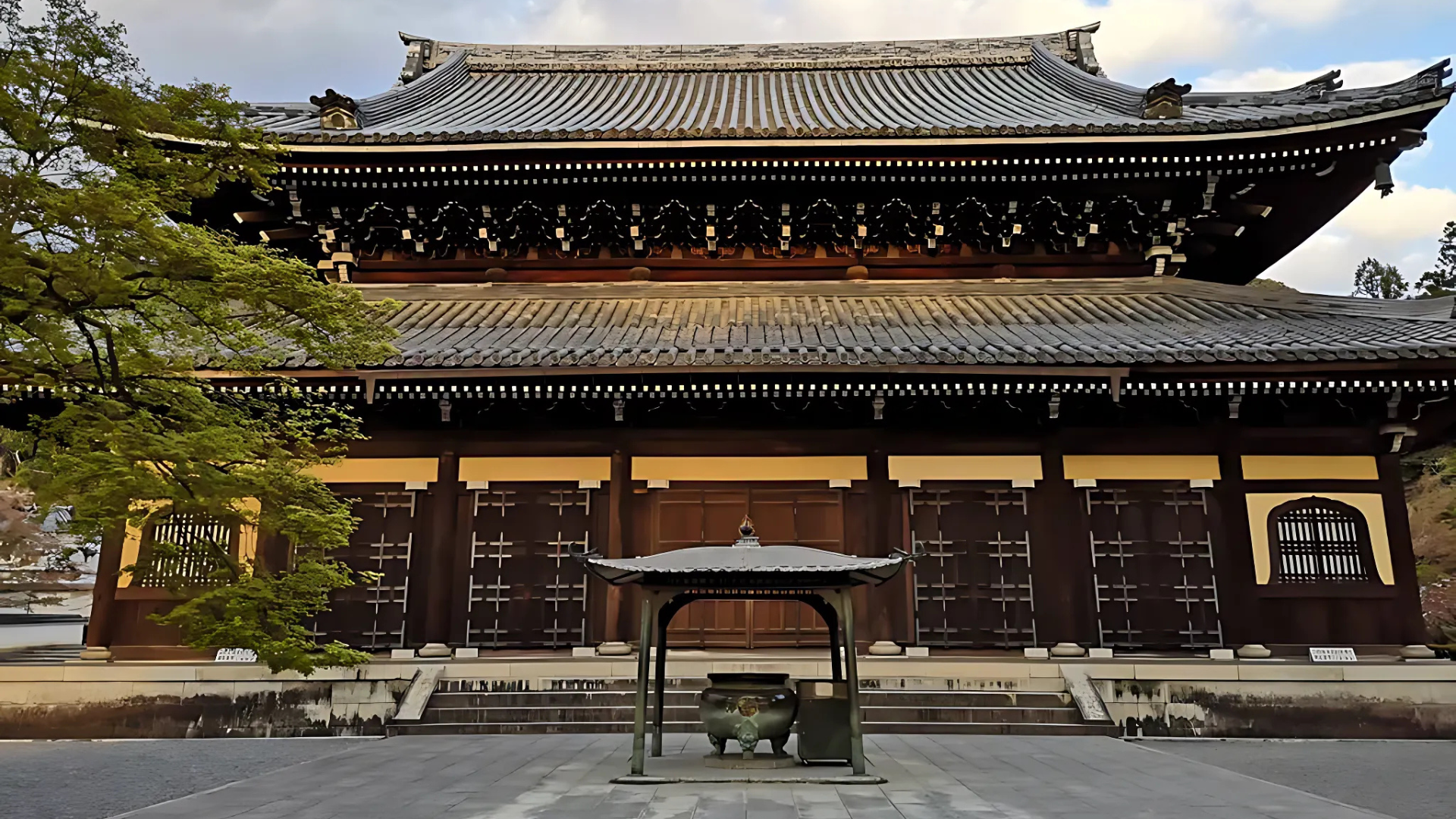
Nestled in the heart of Kyoto, Nanzen-ji Temple stands not just as a place of worship, but as a monument to the city’s rich spiritual legacy. This historic temple, founded in the 13th century, serves as the head temple of the Rinzai sect of Zen Buddhism. Its serene atmosphere offers a deeply calming experience for visitors seeking a peaceful retreat from the modern hustle.
As you wander through the temple grounds, it’s impossible to ignore the echoes of history that resonate within its walls. The creation of Nanzen-ji not only symbolizes the dedication to Zen teachings, but also reflects a pivotal moment in Japan’s cultural and religious evolution. It showcases the artistry and commitment of the monks who continue to preserve this sacred space.
What makes visiting this temple special is the feeling of connection to the past. Each stone and wooden beam tells a story, and every flower in the garden seems to whisper a reflection of centuries gone by. Did you know that many notable figures, including samurai and emperors, have walked these grounds? It’s like stepping into a time machine where you can witness the slow yet powerful transformation of Japanese society.
Discovering the 13th Century Origins
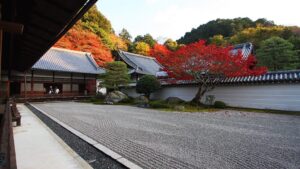
Photo from https://www.travelcaffeine.com
Traveling back in time, we land in 1291 when Nanzen-ji was established by the monk Emperor Kameyama. As the king sought a place to explore Zen teachings, he chose this beautiful location at the base of the Higashiyama Mountains. The temple quickly blossomed into a center for zen training, attracting monks and seekers from across Japan.
The original structure has seen alterations and renovations over the years, yet it remains dedicated to its founding principles of peace and meditation. As you stroll through the temple, you might sense the weight of these ancient stories drifting through the air like cherry blossom petals on a spring breeze. Each visit imparts a deep sense of gratitude for those who chose to cultivate spirituality here.
Key Historical Events That Shaped the Temple
Nanzen-ji’s journey through history is filled with significant events that highlight its evolution. For example, during the Heian Era, the temple served as a hub for cultural and intellectual exchange, hosting poets, artists, and thinkers who shaped the landscape of Japanese thought. The temple’s imperial patronage also enabled it to flourish, leading to the construction of important features like the Sanmon Gate and the Hojo.
However, not all experiences were peaceful. Several restoration projects occurred after the temple faced decline due to political strife and civil unrest. In these turbulent times, the resilience of Nanzen-ji shines bright, standing strong against adversity while embracing change. This complex history enriches your visit, inviting you to reflect on humanity’s journey through time.
Architectural Wonders: Marveling at the Design
Kyoto’s temples are not only places of spiritual reflection but also masterpieces of architectural brilliance, with structures like the majestic Sanmon Gate offering a glimpse into Japan’s rich cultural heritage.
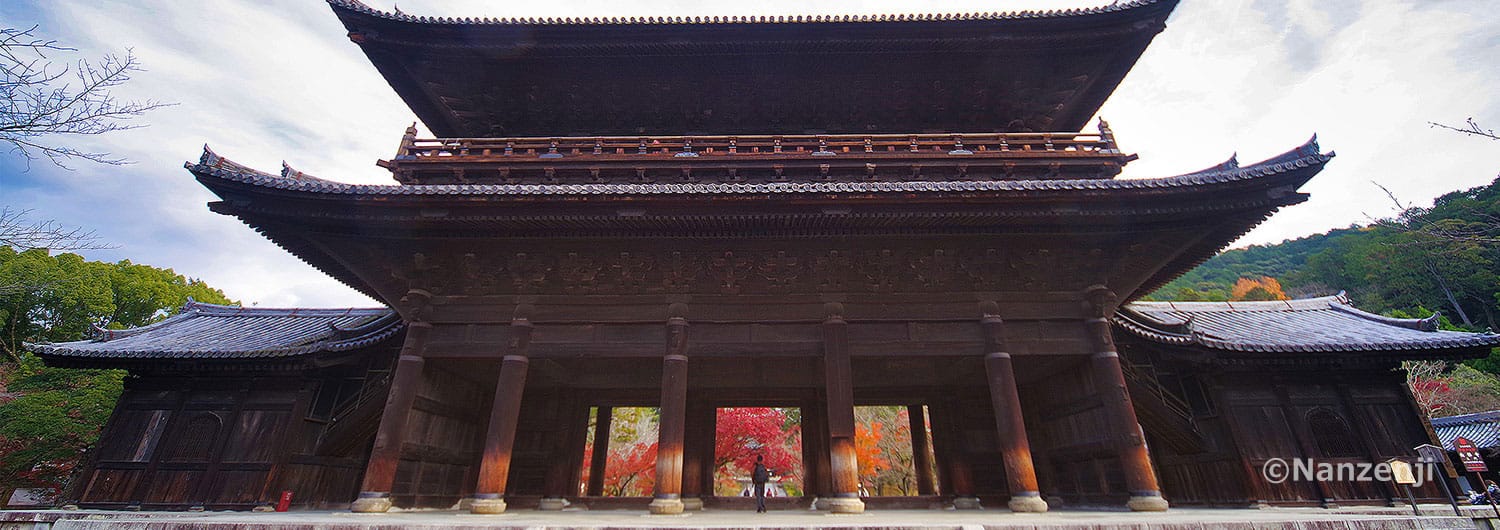
Photo from https://www.japan-guide.com
The Majestic Sanmon Gate
Upon entering the temple grounds, visitors are immediately greeted by the awe-inspiring Sanmon Gate. Standing tall at 22 meters, this grand structure invites all who pass beneath it to reflect on the spiritual journey ahead. Dating back to the 17th century, the gate combines strength and beauty, standing as a sentry to centuries of tradition.
This remarkable entryway features two impressive statues of guardian deities, whose fierce expressions remind us of the diligence required to embark on the path of enlightenment. Be sure to take a moment to appreciate the intricacies of the carvings and the sprawling views from the upper platform. Imagine the countless visitors who have taken the same steps, each carrying their hopes for peace and clarity.
Exploring the Hojo Main Hall
Continuing your journey, the Hojo Main Hall awaits. This sacred space is not just an architectural treasure; it exudes tranquility. Here, you can find exquisite paintings on sliding doors, depicting scenes from nature that resonate with Zen philosophy. Wandering through the hall, notice how the harmony of space and artwork encourages a meditative state.
As you stand in the Hojo, take a moment to find your center. Breathe deeply and observe how the sunlight filters softly through the paper screens. This ethereal beauty encapsulates the Zen philosophy of living in the present moment, leaving you refreshed and more attuned to the world around you.
The Unique Aqueduct: A Visual Delight
One of the temple’s most striking features is the Nanzen-ji Aqueduct, an iconic structure built in the 19th century. This Western-style stone aqueduct adds unexpected charm to the serene temple grounds. As you walk along its side, marvel at the engineering ingenuity that highlights a blend of Eastern and Western influences.
With each step beside the aqueduct, experience the contrast of rugged stone against delicately manicured gardens. This area encourages exploration and photography, making it a perfect spot to celebrate the intersection of architecture and nature. Snap a photo as a keepsake and remember your time spent in this picturesque setting.
Zen and the Art of Spiritual Reflection
At Nanzen-ji Temple, spirituality and architecture intertwine, creating a sanctuary where visitors can immerse themselves in the profound teachings of Zen Buddhism.
Understanding Zen Buddhism at Nanzen-ji
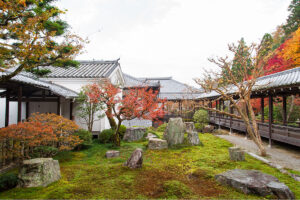
Photo from https://ueyakato.jp
Nanzen-ji Temple holds a deeper significance than just its architectural marvels. Here, the teachings of Zen Buddhism unfold in rich layers. As you learn about the various practices observed here, you may feel the call to engage in meditation. This practice encourages individuals to explore the nature of their minds, revealing the path to inner peace.
From tranquil gardens to serene halls, every element of Nanzen-ji invites reflection. Take the time to observe monks engaging in their rituals or witness visitors finding quiet moments beneath the trees. Each experience offers an invitation to connect with something larger than oneself—a testament to the enduring power of spirituality.
Cultural Significance in Japanese Society
The impact of Nanzen-ji extends beyond its walls. It serves as a beacon for those across Japan who seek solace and wisdom. The temple influences modern Japanese culture in countless ways—from art and literature to philosophy. Understanding this cultural significance enhances your experience as you take in the surroundings while pondering the teachings it has imparted over the centuries.
Being entrenched in such a profound aspect of Japanese identity sheds light on the values shaped by Zen thought. Visitors often leave with more than just beautiful memories; they carry insights on simplicity, mindfulness, and the harmony that persists in nature. Is there any better takeaway than that?
Serene Gardens and Natural Beauty Awaits
With every step, the gardens of Nanzen-ji invite you to pause and reflect, offering a peaceful sanctuary where the ever-changing natural beauty mirrors the Zen practice of living in the present moment.
The Tranquil Surroundings of Nanzen-ji
One of the highlights of a visit to Nanzen-ji is undeniably the beautiful gardens. These meticulously maintained green spaces provide a delightful escape into nature. Strolling through carefully placed stepping stones and rustic bridges, immerse yourself in the calming ambiance of the gardens, each corner meticulously curated to inspire peace.
Take note of the seasonal variations; not only do the flowers bloom in colorful bursts, but the foliage transforms dramatically throughout the year. The gardens breathe life into the temple’s teachings by reminding visitors of the continuous cycles that shape our existence.
Seasonal Splendor: A Year-Round Retreat
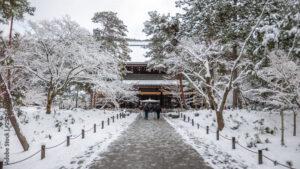
Photo from https://as1.ftcdn.net/jpg/02/52/64/98/1000_F_252649826_LUi9Ga1bv6s6apxLAZuzLJOt3xJ855vH.jpg
Each season at Nanzen-ji offers a different perspective, encapsulated in nature’s colors and sounds. Spring welcomes vibrant cherry blossoms, while in summer, the lush greenery creates a densely shaded sanctuary. Autumn transforms the landscape into a fiery canvas of red and orange, drawing visitors from afar to witness the beauty of change. In winter, a blanket of snow creates a serene and tranquil atmosphere that beckons for reflection.
Regardless of the time of year, a visit to these gardens promises inspiration and rejuvenation. It’s the perfect place to pause and take a deep breath. Ask yourself: how does each season reflect the teachings of Zen?
Visitor Experience: Tips for a Memorable Journey
Planning ahead ensures a smooth and enjoyable visit at the Temple. From transportation options to facilities and tour choices, here’s everything you need to know.
Planning to Visit? More information below:
- Address: 86 Nanzenji Fukuchicho, Sakyo Ward, Kyoto, 606-8435, Japan
- Phone: (075) 771-0365
- Website: https://nanzenji.or.jp/
Admission Fee and Tickets Information
| Location | General | High School | Elementary/Middle School | Group (30 or more) |
| Hojo Garden | 600 yen | 500 yen | 400 yen | 500 yen |
| Sanmon Gate | 600 yen | 500 yen | 400 yen | 500 yen |
| Nanzen-in | 400 yen | 350 yen | 250 yen | 350 yen |
Note: If you are disabled and present your disability certificate, you and one accompanying person may visit the temple free of charge. There are many stairs and slopes within the temple grounds. If you are in a wheelchair, we ask that you be accompanied by a caregiver whenever possible.
Visiting Period and Time
| Dates | Hours |
| December 1st to February 28th | 8:40am – 4:30pm |
| March 1st to November 30th | 8:40 a.m. to 5:00 p.m. |
Take Note: Please note that the prices and visiting hours listed may change at any time. For the most up-to-date information, kindly check the official website regularly.
Best Times to Visit and Navigate the Temple
To fully appreciate the tranquility of Nanzen-ji, plan your visit during quieter hours—early mornings or weekdays often provide a more intimate experience. Take advantage of the slow strolls as you explore the vast temple grounds. Get lost in the contemplative gardens without the distractions of a busy crowd.
Navigating the temple can feel like embarking on an adventure. With multiple halls and pathways to explore, it’s beneficial to have a map on hand. Not to worry, friendly staff are usually around to assist you with anything you might need. They share the passion for their temple’s history, making your visit even more enriching.
How to Get There:
Nanzen-ji Temple is located in Kyoto’s Higashiyama district and is accessible via multiple transportation methods:
By Train: From Kyoto Station:
- Take the JR Tōkaidō Sanyō Main Line to Yamashina Station (approximately 5 minutes).
- At Yamashina Station, transfer to the Kyoto Municipal Subway Tōzai Line and travel to Keage Station (approximately 5 minutes).
- From Keage Station, it’s a 10-minute walk to Nanzen-ji Temple.
Via Bus:
- From Kyoto Station, take City Bus number 5 or 100 and alight at the Nanzen-ji Eikando-michi bus stop.
- The temple is a short walk from the bus stop.
On Foot:
- If you’re near Ginkaku-ji (the Silver Pavilion), you can walk along the Philosopher’s Path, which leads directly to Nanzen-ji Temple.
Additional Notes:
- Keage Station on the Tozai Subway Line is wheelchair accessible, making it a convenient option for visitors with mobility concerns.
- Be aware that Kyoto’s buses can be crowded, especially during peak tourist seasons.
For the most accurate and up-to-date information, please refer to the official Nanzen-ji website.
Recommendations for Enjoying Your Visit
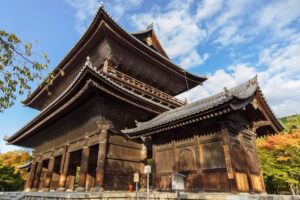
Photo from https://www.japantriptips.com
When visiting Nanzen-ji, consider participating in zazen meditation sessions if they are available. Engaging with the practice adds an enriching layer to your experience. Bring a light snack or picnic to enjoy in the gardens, but remember to be respectful of the sacred atmosphere.
Lastly, don’t miss the opportunity to engage with the local art and crafts sold at nearby shops. Supporting artisans helps to preserve the area’s cultural heritage and offers a unique souvenir to remember your temple experience.
3 Nearby Attractions: Crafting Your Kyoto Adventure
1. Philosophers’ Path: A Stroll of Reflection
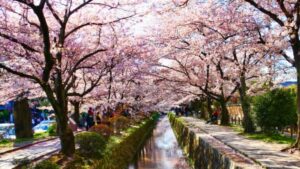
Photo from www.travelcaffeine.com
After exploring Nanzen-ji, it’s highly recommended to continue your journey by visiting the Philosophers’ Path. This scenic walkway runs alongside a cherry-tree-lined canal, providing a perfect setting for a peaceful stroll. Named after a famous philosopher who often meditated while walking here, this path brings to life the essence of Zen reflection.
As you walk, pause to appreciate various art galleries, cafés, and shrines that dot the route. Each stop offers an opportunity to delve deeper into the beauty of Kyoto’s spirituality and creative culture. Here’s what you need to know before you go:
- Address: Nanzen-ji Temple is located at Tetsugaku No Michi, Sakyo Ward, Kyoto, Japan.
- Admission Fee: None
- Open 24 hours a day.
2. Eikan-do Zenrin-ji: A Neighboring Gem
Just a short distance from Nanzen-ji lies Eikan-do Zenrin-ji, another essential stop on your Kyoto journey. Famous for its stunning gardens and striking autumn foliage, this temple is a sight to behold. It stands as a symbol of harmony between architecture and nature, showcasing the principles of Zen throughout its design.
Explore the main hall, Daiseido, home to an impressive Amida Buddha statue, which draws visitors for both its beauty and significance.
Here’s what you need to know before you go:
- Address: 48 Eikandocho, Sakyo Ward, Kyoto, 606-8445, Japan
- Phone: 075-761-0007
- Website: https://www.eikando.or.jp/
- Admission Fee: ¥600 for adults and ¥400 for elementary, junior high, and high school students. Groups of 30 or more receive a discounted rate of ¥500 for adults and ¥350 for students.
- Business Hours: Monday-Sunday, 9:00am – 5:00pm
3. Kyoto Imperial Palace: History at Your Fingertips
Lastly, round off your exploration with a trek to the Kyoto Imperial Palace. This regal site, once the heart of Japan’s imperial power, offers a glimpse into the country’s history. Wander through its expansive gardens and contemplate the grandeur of the structures that once housed emperors.
Each of these attractions complements your experience at Nanzen-ji, enriching your understanding of Kyoto’s historical and cultural tapestry. Here’s what you need to know before you go:
- Address:3 Kyotogyoen, Kamigyo Ward, Kyoto, 602-0881, Japan
- Phone: 075-211-1215
- Website: https://kyoto-gosho.kunaicho.go.jp/en
- Admission : Free
- Business Hours: Tuesdat to Sunday, 9:00 AM to 5:00 PM
- Closed days: Mondays, December 28 to January 4
Why Nanzen-ji Is the Heart of Kyoto’s Temple Scene

Photo from
https://gaijinpot.scdn3.secure.raxcdn.com/app/uploads/sites/6/2016/06/Nanzenji-Temple-Gate-.jpg
The unique blend of Zen and nature is what sets Nanzen-ji apart, ensuring that it remains a beloved destination for visitors seeking peace. The architectural brilliance combined with natural beauty creates a harmonious balance that captures the essence of Zen. The thoughtful placement of rock gardens, the sound of rustling leaves, and the gentle babbling of water truly envelop all who visit.
As you transition between spaces, a deep sense of peace unfolds, allowing one to reflect on their journey through life. Imagine finding this incredible atmosphere right in the heart of a bustling city; it’s a treasure that cannot be overstated.
Final Thought: A Must-Visit Destination for Peace Seekers
In conclusion, Nanzen-ji Temple leaves a lasting impression on anyone fortunate enough to visit. Its rich history, breathtaking architecture, and serene surroundings present a refreshing escape into a world where tradition meets tranquility. Whether you are a history buff, art lover, or simply someone on a quest for inner peace, this sacred site offers a little bit of everything.
So, pack your bags and head to Kyoto. Make sure that Nanzen-ji is on your itinerary. It promises not only a spiritual experience but a connection to the beauty of life itself. Discover the serene charm that keeps travelers returning to this remarkable temple, time after time.
Frequently Asked Questions (FAQs)
Is the temple wheelchair accessible?
Some areas have stairs and uneven pathways, making accessibility limited. However, Keage Station (the nearest subway stop) is wheelchair-friendly, and visitors with disabilities can receive free admission to ticketed areas.
Can I participate in a Zen meditation session at Nanzen-ji?
While regular meditation sessions are not always available to the public, some sub-temples occasionally offer zazen (seated meditation) experiences.
Are there any restaurants or shops near the temple?
Yes! You can find traditional tea houses, local restaurants, and souvenir shops nearby
Do I need to book a guided tour in advance?
No reservation is needed to explore Nanzen-ji Temple, but guided tours are available for those who want a deeper understanding of its history and Zen teachings.
Can I explore Nanzen-ji Temple at night?
No, Nanzen-ji Temple is open only during daytime hours, and the temple grounds close in the evening. However, some nearby temples and gardens offer special nighttime illumination events during cherry blossom and autumn foliage seasons.