Kyoto is full of historic wonders, but Nijo Castle stands out as a symbol of Japan’s feudal past. Built in 1603 as the official residence of Tokugawa Ieyasu, the first shogun of the Edo Period, this magnificent castle played a crucial role in shaping Japan’s history. It was here, within its grand halls, that the Tokugawa shogunate tightened its grip on power, and centuries later, it was within these same walls that the shogunate officially ended. Walking through Nijo Castle is like stepping back in time, where the echoes of samurai footsteps and imperial ceremonies still seem to linger in the air.
But history is just one part of Nijo Castle’s magic. As you explore its stunning architecture, delicate artwork, and serene gardens, you’ll find yourself immersed in a world of grandeur and elegance. From the moment you enter its massive gates, flanked by imposing stone walls and deep moats, you’ll sense the power and prestige that once defined this extraordinary place. Whether you’re a history enthusiast, an architecture lover, or simply someone who enjoys experiencing Japan’s cultural heritage, Nijo Castle is a must-visit destination that will leave you awestruck.
What Makes Nijo Castle Unique?
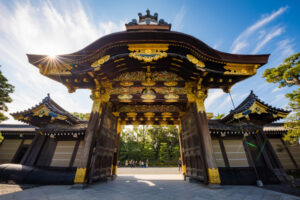
Photo from https://www.travelcaffeine.com/
Nijo Castle isn’t just another historic landmark—it’s a living testament to Japan’s shifting eras. Unlike the towering, battle-ready fortresses like Himeji or Matsumoto, Nijo Castle was never meant for war. Instead, it was built as a grand statement of power, showcasing the dominance of the Tokugawa shogunate. Walking through its lavish interiors, visitors can see how the shoguns projected their authority—not through towering walls, but through exquisite artistry, intricate woodwork, and gold-leaf-covered rooms that exude prestige.
What truly sets Nijo Castle apart is its dual identity. It’s one of the few places in Japan where you can witness the transition from samurai rule to imperial restoration. This very castle saw the rise of the Tokugawa shogunate and, centuries later, hosted the historic declaration that returned power to the emperor, marking the dawn of modern Japan. Visitors don’t just see history here—they feel it. From the iconic nightingale floors that once protected the shogun from assassins to the symbolic paintings of fierce tigers and wise pine trees, every detail tells a story. Nijo Castle teaches visitors about power, artistry, and the ever-changing tides of history, making it an unforgettable experience that connects past and present.
A Walk Through Time: Nijo Castle’s History & Cultural Significance
Nijo Castle is more than just a beautiful relic—it is a symbol of Japan’s evolution from samurai rule to imperial restoration. Its walls have witnessed political intrigue, power struggles, and cultural transformation, making it one of Kyoto’s most significant historical sites.
From Shogunate Power to Imperial Change
Built to assert the dominance of the Tokugawa shogunate, Nijo Castle was a place where power was displayed with grandeur. The intricate paintings, lavish interiors, and vast gardens all reflected the authority of the shoguns. However, in 1867, this very castle became the stage for a pivotal moment in Japan’s history—the official declaration of the end of the shogunate. It was here that Tokugawa Yoshinobu, the last shogun, relinquished his rule, marking the beginning of the Meiji Restoration. The castle then transitioned into an imperial property, symbolizing the return of power to the emperor and the dawn of modern Japan.
Restoration & UNESCO World Heritage Status

Photo from www.jrailpass.com
Centuries of history have left their mark on Nijo Castle, but preservation efforts have ensured that its grandeur endures. In the late 19th and early 20th centuries, the imperial family took measures to maintain the castle’s beauty. Over time, extensive restorations were carried out to protect its delicate artwork and architectural integrity. Recognizing its immense cultural value, UNESCO designated Nijo Castle as a World Heritage Site in 1994. Today, visitors can walk through its halls and gardens, experiencing the same awe and reverence that once surrounded Japan’s most powerful leaders. The castle remains not only a testament to Kyoto’s rich past but also a cherished cultural treasure for future generations.
Architectural Marvel: The Beauty of Nijo Castle’s Design
Nijo Castle isn’t just a historic site—it’s a masterpiece of Japanese architecture that reflects the power and refinement of the Tokugawa shogunate. Every element, from its grand palaces to its serene gardens, tells a story of both military strategy and imperial elegance.
Ninomaru Palace’s Nightingale Floors
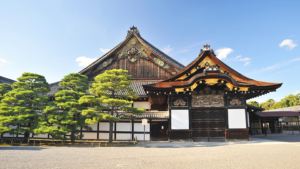
Photo from nijo-jocastle.city.kyoto.lg.jp
Step carefully! These wooden floors were ingeniously designed to chirp like nightingales whenever someone walks on them. This wasn’t just for aesthetics—it was a security feature meant to detect intruders, ensuring that no one could approach the shogun unnoticed. The soft, melodic sound adds to the castle’s mystique, making it a truly unique experience for visitors.
Traditional Japanese Castle Layout
Unlike the towering defensive castles of Japan, such as Himeji or Osaka, Nijo Castle follows a flatland design—built on level ground rather than atop a hill. It consists of multiple concentric rings of protection, with the most important structures at the center. This layout allowed for both security and ease of movement, making it an ideal residence for the shogunate’s high-ranking officials.
Combination of Samurai & Imperial Aesthetics
Nijo Castle is one of the few places in Japan where samurai strength meets imperial elegance. Originally a military base, it later took on a more refined, aristocratic character after becoming an imperial property. The sturdy stone walls and moats reflect its samurai heritage, while the lavish gold-leaf interiors and delicate paintings reveal the influence of Kyoto’s imperial court. This unique blend makes it a fascinating place where two distinct worlds coexist.
Honmaru Palace: A Glimpse into Imperial Life

Photo from nijo-jocastle.city.kyoto.lg.jp
Honmaru Palace, once reserved for the imperial family, offers a rare look at Japan’s imperial architecture and lifestyle. Though it is not always open to the public, its exterior showcases the refined elegance of the imperial court. The surrounding gardens and structures create a sense of serenity, setting it apart from the more politically charged Ninomaru Palace.
Gardens: A Masterpiece of Nature
Designed by the legendary landscape artist Kobori Enshu, Nijo Castle’s gardens are a stunning fusion of nature and artistry. The Ninomaru Garden, in particular, is a classic example of a Japanese strolling garden, featuring a carefully arranged pond, islands, and stone bridges. Whether you visit during cherry blossom season, the lush greenery of summer, or the fiery hues of autumn, the gardens provide a breathtaking backdrop to the castle’s historic charm.
A Feast for the Eyes: Artistic Treasures & Paintings
it’s also a gallery of breathtaking art that reflects the power and prestige of the Tokugawa shogunate. Inside its grand halls, visitors can admire exquisite paintings, intricate wood carvings, and symbolic motifs that tell deeper stories of authority, nature, and spirituality.
Kano School Paintings – A Golden Touch
Step into Ninomaru Palace, and you’ll be surrounded by shimmering gold-leaf paintings created by the renowned Kano school, one of Japan’s most influential art dynasties. These masterpieces aren’t just for decoration—they were designed to impress and intimidate. The grand halls feature majestic tigers, soaring hawks, and tranquil landscapes, all painted in vivid detail against a gold backdrop. This luxurious aesthetic symbolized the shogun’s strength and dominance while creating an atmosphere of refined elegance.
Intricate Wood Carvings & Sliding Doors
Beyond the paintings, every corner of Nijo Castle showcases exceptional craftsmanship. The fusuma (sliding doors) and ranma (transom panels) are adorned with intricate wood carvings, depicting scenes from nature and mythology. These details weren’t just artistic flourishes—they reinforced the authority of the shogunate by surrounding visitors with symbols of prosperity and control. Even the finest details, such as the delicate floral patterns carved into the wooden beams, reflect the extraordinary skill of Edo-period artisans.
Symbolism in the Artwork
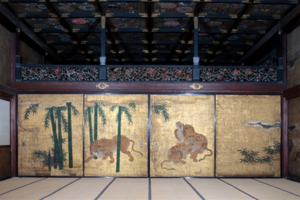
Photo From https://nijo-jocastle.city.kyoto.lg.jp
Nothing in Nijo Castle’s artwork is random—every image carries deep meaning. The tiger, often depicted prowling through bamboo groves, represents strength and authority, mirroring the Tokugawa shogunate’s dominance. Cranes, known for their long lifespans, symbolize longevity and good fortune. Meanwhile, pine trees stand for resilience and unyielding power, a metaphor for the enduring rule of the Tokugawa clan. By understanding these symbols, visitors can gain deeper insight into the values and beliefs that shaped this extraordinary period of Japanese history.
4 Main Highlights & Must-See Attractions
Nijo Castle is filled with remarkable sights, each offering a glimpse into its rich past. From grand palaces to tranquil gardens and towering fortifications, every corner holds a story waiting to be discovered. Here are the top highlights you won’t want to miss.
1. Ninomaru Palace – The Heart of Nijo Castle
Step inside Ninomaru Palace, the centerpiece of Nijo Castle and the former official residence of the Tokugawa shoguns. This is where some of Japan’s most pivotal historical moments took place, including the official declaration of the end of the shogunate in 1867. The lavish interiors boast gold-leaf paintings, intricate woodwork, and the famous nightingale floors, which once safeguarded the shogun from assassins. Walking through these halls, you can almost feel the weight of history in the air.
2. Honmaru Garden & Palace – A Rare Imperial Gem
Unlike Ninomaru Palace, which reflects samurai authority, Honmaru Palace exudes a more imperial elegance. Originally a Tokugawa residence, it later became a home for the imperial family. Though access to the palace interior is limited, its surrounding Honmaru Garden offers a breathtaking view of Kyoto’s refined landscaping traditions. The garden’s perfectly manicured trees, seasonal flowers, and scenic walkways create an atmosphere of serenity, making it an ideal place to pause and take in the beauty of your surroundings.
3. Ninomaru Garden – A Zen Escape

Photo from https://nijo-jocastle.city.kyoto.lg.jp
Designed by master landscape architect Kobori Enshu, Ninomaru Garden is a classic example of a Japanese strolling garden, meant to be appreciated from multiple angles. The carefully placed rocks, serene pond, and elegant bridges create a sense of harmony and balance. Each season brings a new charm—cherry blossoms in spring, lush greenery in summer, fiery maple leaves in autumn, and a dusting of snow in winter. Whether you’re looking for a peaceful retreat or the perfect photo backdrop, this garden is a must-see.
4. Castle Walls & Moats – Walk Through History
Encircling the castle are massive stone walls and deep moats, remnants of its strategic design. Walking along these fortifications, you’ll gain panoramic views of the castle grounds and Kyoto beyond. The stonework itself is a marvel—each block was precisely cut and stacked without mortar, a testament to the engineering brilliance of the Edo period. As you explore, imagine the samurai who once patrolled these walls, ensuring the safety of this historic stronghold.
Best Time to Visit: Seasonal Magic at Nijo Castle

Photo from hyakkei
Nijo Castle’s beauty changes with the seasons, offering unique experiences throughout the year. Here’s what to expect:
- Spring: A Cherry Blossom Wonderland
In spring, sakura (cherry blossoms) blanket the gardens in soft pink hues, creating a dreamlike setting. Ninomaru and Honmaru Gardens are especially stunning, though this is peak season—arrive early to enjoy the scenery with fewer crowds. - Autumn: A Fiery Tapestry of Colors
Fall brings vibrant red, orange, and gold foliage, turning the castle into an autumn masterpiece. Maple trees and garden reflections make for breathtaking views, best enjoyed in the late afternoon light. - Off-Peak Tips: Beat the Crowds
For a quieter visit, come early morning or late afternoon when crowds are thinner. Weekdays are also less busy, giving you more space to take in the details. - Day vs. Night Visits: A Different Experience
Daytime highlights the castle’s grandeur, with natural light illuminating the artwork and architecture. Nighttime illuminations (during seasonal events) add a magical touch, transforming the gardens and palace into a glowing wonderland.
Visitor Information & Practical Tips
Planning ahead ensures a smooth and enjoyable visit to Nijo Castle. From transportation options to facilities and tour choices, here’s everything you need to know.
Planning to Visit? More information below:
- Address: 541 Nijojocho, Nakagyo Ward, Kyoto, 604-8301, Japan
- Phone: 075-841-0096
- Website: https://nijo-jocastle.city.kyoto.lg.jp/
- Business Hours: 8:45am – 4pm (closes at 5pm)
- Closed Days: Year-end December 29th to 31st
Admission Fee and Tickets Information
| Ticket Type | General | Groups (30+ people) | Junior High & High School | Elementary School |
|---|---|---|---|---|
| Castle Admission Ticket | 800 yen | 700 yen | 400 yen | 300 yen |
| Castle Admission + Ninomaru-goten Palace Ticket | 1,300 yen | 1,100 yen | – | – |
| Honmaru-goten Palace Ticket (advance reservation required; castle admission ticket required separately) | 1,000 yen | – | 300 yen | 200 yen |
| Painting Gallery Ticket (castle admission ticket required separately) | 100 yen | – | – | – |
Notes:
- Children under elementary school age enter free.
- Prices may change—please check the official website for the latest information.
Getting There: Convenient Access from Anywhere in Kyoto
Nijo Castle is easily accessible by public transport, bike, or on foot:
- Subway: The Tozai Line takes you straight to Nijojo-mae Station, just a short walk from the castle entrance. This is the fastest and most convenient option.
- Bus: Several Kyoto City Bus routes stop nearby, making it easy to reach from various parts of the city. Check local bus schedules for the best route.
- Bike/Walk: Renting a bike or walking from central Kyoto is a scenic and enjoyable option, letting you explore nearby streets and shrines along the way.
Accessibility & Facilities: A Comfortable Visit for All
Nijo Castle is well-equipped for visitors:
- Restrooms are located throughout the site.
- Lockers are available for storing large bags, allowing for a more comfortable experience.
- A café near the entrance offers light snacks and refreshments—perfect for a break before or after exploring.
- Wheelchair accessibility is available in most areas, though some historical sections may have limited access due to preserved architecture.
Guided vs. Self-Guided Tours: Choose Your Experience
- Guided Tours: A guided tour is highly recommended for history lovers. Local guides provide fascinating insights into the castle’s art, architecture, and hidden details, bringing its rich past to life.
- Self-Guided Exploration: If you prefer flexibility, exploring at your own pace allows you to soak in the atmosphere, admire the artwork, and take photos at your leisure. Audio guides and English information signs make navigation easy.
Where to Stay Near Nijo Castle? Here are 3 of our Recommendations
Staying near Nijo Castle lets you experience Kyoto’s charm with ease. Whether you prefer a stylish boutique hotel, a spacious apartment, or a traditional ryokan, there’s an option for every traveler.
1. Kaya Kyoto – A Blend of Tradition & Modern Comfort

Photo from travel weekly
For those seeking a sophisticated yet authentic Kyoto experience, Kaya Kyoto offers beautifully designed rooms that fuse traditional Japanese aesthetics with modern amenities. Expect tatami flooring, elegant wooden interiors, and a warm, intimate atmosphere—perfect for travelers who appreciate style and comfort.
For more details, please check the information below:
- Address: 50 Daimonji-cho Marutamachi-Sagaru, Aburanokoji-dori, Nakagyo-ku, Kyoto-shi, Kyoto 604-0071 Japan
- Phone: +(81)-75-223-0606
- Email: info-scbw-kyoto@bwhotels.jp
- Website: https://www.hotel-kaya-kyoto.com/en/
- Check-in 3:00 PM
- Check-out 11:00 AM
2. Mimaru Kyoto – Ideal for Families & Long Stays

Photo from agoda
If you’re traveling with family or staying in Kyoto for an extended period, Mimaru Kyoto is an excellent choice. These spacious apartment-style accommodations feature kitchenettes, cozy living spaces, and a home-like atmosphere, making them perfect for groups or those who prefer to cook their own meals.
For more details, please check the information below:
- Address: 249 Tsuboya-cho, Rokkaku-sagaru, Horikawa-dori, Nakagyo-ku, Kyoto 604-8255
- Phone: 075-585-5516
- Website: https://mimaruhotels.com/en/hotel/nijo-castle/
- Email: nijo-castle@chm.cigr.co.jp
- Check-in: 3:00PM
- Check-out: 11:00AM
3. Other Nearby Stays – Options for Every Traveler
Kyoto has a variety of accommodations near Nijo Castle, catering to different budgets and preferences:
- Cozy ryokan (traditional Japanese inns) offer a chance to experience Kyoto’s heritage with tatami rooms, futon bedding, and kaiseki dining.
- Luxury hotels provide top-tier service, stunning city views, and indulgent spa experiences for a more refined stay.
- Mid-range hotels and guesthouses balance affordability and comfort, making them great choices for solo travelers and couples.
Cultural Etiquette & Respect
Respecting Nijo Castle’s history ensures a meaningful visit. Keep these etiquette tips in mind:
- Remove Your Shoes – Before entering Ninomaru Palace, take off your shoes to protect the wooden floors. Wearing socks is recommended.
- No Flash Photography – Flash can damage gold-leaf paintings and wood carvings, so it’s strictly prohibited inside the palace.
- Keep Noise Levels Low – Maintain a quiet, respectful atmosphere to preserve the castle’s peaceful ambiance.
- Stay on Marked Paths – Restricted areas help protect the architecture and gardens—stick to designated walkways.
- Ask Before Touching – Many artifacts are fragile; always check for signs or ask staff before interacting with displays.
- Do Not Eat or Drink Inside – Food and drinks are not allowed in palace buildings to prevent spills and preserve the interiors.
- Respect Photography Rules – Some areas may prohibit all photography. Always follow posted signs and staff instructions.
Dispose of Trash Properly – Kyoto values cleanliness, so carry your trash with you if no bins are available.
3 Nearby Attractions – Make the Most of Your Visit
Nijo Castle is just the beginning of your Kyoto adventure. Nearby, you’ll find historical landmarks, cultural hubs, and vibrant markets that perfectly complement your visit. Here are three must-see attractions to explore after Nijo Castle:
| Attraction | What to Expect | Why Visit? | Distance From the Nijo Castle |
| 1. Kyoto Imperial Palace | Once home to Japan’s emperors, this grand palace is set within Kyoto Gyoen National Garden, surrounded by peaceful greenery. Address:3 Kyotogyoen, Kamigyo Ward, Kyoto, 602-0881, Japan | Walk through the elegant halls and serene gardens that once hosted imperial ceremonies. A must for history lovers. | 2 km away from Nijo Castle |
| 2. Nishiki Market | A bustling, covered shopping street lined with over 100 food stalls and specialty shops. Address: 609 Nishidaimonjicho, Nakagyo Ward, Kyoto, 604-8055, Japan | Savor Kyoto’s best street food, from fresh seafood and matcha sweets to regional delicacies like yuba (tofu skin). | 3 km away from Nijo Castle |
| 3. Kyoto International Manga Museum | A unique museum with a massive collection of manga, featuring everything from classic works to modern hits. Address: 452 Kinbukicho, Nakagyo Ward, Kyoto, 604-0846, Japan Please note that operating hours and closure dates are subject to change. | Immerse yourself in Japan’s rich manga culture, browse rare editions, and even get a portrait drawn by a professional manga artist. | 2.5 km away from Nijo Castle |
Each of these attractions offers a different perspective on Kyoto’s history, food, and culture. Whether you’re a history buff, foodie, or pop culture fan, there’s something to enjoy!
What to Eat Near Nijo Castle
Exploring Nijo Castle is bound to work up an appetite, and Kyoto’s rich culinary scene offers plenty of delicious options nearby. Whether you’re craving something sweet, savory, or uniquely Kyoto, here are some must-try local specialties:
- Yatsuhashi (Cinnamon Rice Sweets) – One of Kyoto’s most famous treats, these delicate sweets come in two forms: crispy, baked cookies or soft, chewy mochi-like triangles filled with sweet red bean paste. The hint of cinnamon makes them incredibly aromatic and addictive.
- Kyoto-Style Sushi – Unlike traditional sushi, Kyoto’s version (known as oshi-zushi or pressed sushi) features lightly marinated fish, often paired with vinegared rice and wrapped in kombu (kelp). A must-try for sushi lovers looking for a local twist!
- Matcha-Flavored Treats – Kyoto is famous for its high-quality matcha, and you’ll find everything from matcha soft-serve ice cream to fluffy matcha pancakes and rich matcha chocolates. Perfect for tea lovers!
- Tofu Dishes – Kyoto’s tofu is silky, delicate, and packed with umami. Try yudofu (hot tofu in broth) at a specialty tofu restaurant, or enjoy tofu-based kaiseki (multi-course) meals at a traditional ryokan.
- Wagashi (Japanese Sweets) – Beautifully crafted and often enjoyed with tea, these traditional sweets come in seasonal varieties featuring flavors like red bean, chestnut, and sakura. They’re as much a feast for the eyes as they are for the palate!
From Samurai to Sovereigns: Why Nijo Castle Belongs on Your Bucket List

Photo from istockphoto.com
Nijo Castle isn’t just a historic landmark—it’s a gateway to Japan’s shogunate and imperial past. Whether you love history, art, or architecture, this castle offers an unforgettable glimpse into Kyoto’s rich heritage. For history lovers, Nijo Castle is where the Tokugawa shogunate cemented its power and where Japan’s return to imperial rule was declared. Walking its corridors, you’ll feel the weight of history in every step. Art enthusiasts will be captivated by the gold-leaf Kano School paintings, intricate wood carvings, and beautifully crafted sliding doors—all reflecting the power and refinement of the Tokugawa era.
Architecture fans will marvel at the castle’s ingenious design, from the nightingale floors that chirp underfoot to the seamless fusion of samurai fortifications and imperial elegance. The balance of palaces, gardens, and moats makes it a true masterpiece.
A visit to Nijo Castle is a journey through time, offering a deeper understanding of Japan’s evolution. Don’t miss the chance to walk in the footsteps of shoguns and emperors.
Frequently Asked Questions (FAQs) About Visiting Nijo Castle
Is there an audio guide or guided tour available?
Yes! You can rent an audio guide in multiple languages or join a guided tour to learn more about the castle’s rich history.
How long does it take to explore Nijo Castle?
Plan for 1.5 to 2 hours to see the main palace and gardens, or longer if you want a more relaxed visit.
Is Nijo Castle wheelchair accessible?
Some areas are wheelchair accessible, but certain historical sections, like Ninomaru Palace, have steps and uneven floors.
Are there restaurants or cafes nearby?
Yes, there are cafes and restaurants near the entrance, and plenty of dining options in the surrounding area.
Can I buy souvenirs at Nijo Castle?
Yes! There’s a gift shop near the entrance selling Japanese crafts, postcards, and exclusive Nijo Castle souvenirs.
Is there a special event or illumination at Nijo Castle?
Yes, Nijo Castle hosts seasonal night illuminations during cherry blossom season and autumn, creating a magical atmosphere.
Can I re-enter the castle after leaving?
No, re-entry is not allowed, so be sure to explore everything before exiting.