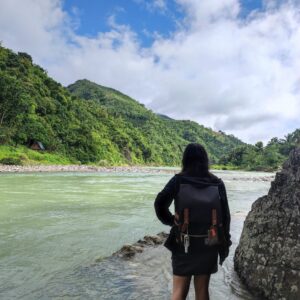
As a travelpreneur living abroad, managing your finances can be a challenge. However, smart money planning is key to achieving your goals and living the life you dream of. This guide will help you navigate the world of digital nomad finance, covering essential strategies like geoarbitrage, earning from multiple locations, and making the most of your income. Whether you’re just starting or already have experience, you’ll find practical tips to save money, build wealth, and enjoy your travels with greater financial freedom. Let’s dive in and discover how to make your money work for you while you explore the world!
The Financial Landscape for Modern Travelpreneurs

Photo from freepik.com
Travelpreneurs face unique financial challenges that require strategic planning. Unlike traditional jobs, income can fluctuate depending on projects, clients, or seasons. Additionally, managing finances across borders adds complexity, with varying currencies, tax laws, and expenses in different countries. Each new destination brings fresh financial considerations, making it essential to stay organized and adaptable.
To thrive, travelpreneurs need a flexible financial plan that accounts for these uncertainties. It’s crucial to track income and expenses, minimize currency conversion fees, and understand tax obligations in each country. By developing strong financial habits, setting clear goals, and leveraging the right tools, you can maintain stability and focus on long-term success. Being proactive in managing finances allows you to enjoy the benefits of travel without financial stress.
Unique Financial Challenges of the Nomadic Lifestyle
Nomadic living brings distinct financial hurdles. Income is often inconsistent, depending on project availability or seasonal changes. Managing money in different countries with diverse currencies and tax systems further complicates matters. To succeed, travelpreneurs must stay ahead by mastering financial planning and adapting to fluctuating income and global finance systems.
Inconsistent Income Patterns
Inconsistent income is a major challenge for travelpreneurs. Without a regular paycheck, earnings can vary month-to-month due to project cycles or client demand. To manage this, you need to create flexible budgets, save during high-earning periods, and cut back when necessary. Building a financial cushion and tracking cash flow are key to staying on track.
Multi-Currency Management
Managing money across multiple currencies is a challenge for travelpreneurs. Conversion fees, international bank charges, and fluctuating exchange rates can erode your income. Using multi-currency accounts like Wise or Revolut can minimize fees and simplify transfers. Tracking exchange rates and optimizing currency exchanges ensures you avoid unnecessary losses.
The Importance of Financial Planning While on the Move
Effective financial planning is vital for travelpreneurs. Without it, overspending, poor savings, and missed investment opportunities become common pitfalls. A clear plan helps you manage expenses, set savings goals, and make smart investments. Automating savings and preparing for unexpected expenses ensure you can maintain financial stability while living abroad.
Essential Money Moves for Travelpreneurs

Photo from freepik.com
To succeed as a travelpreneur, it’s essential to set clear financial goals. Whether it’s saving for a trip, investing while traveling, or building steady income, your goals should align with your unique lifestyle. Without clear objectives, it’s easy to lose focus or make impulsive financial decisions. Break your goals into manageable milestones to stay motivated and track your progress. This clarity will keep you on course and accountable.
Once your goals are set, create a flexible plan that works for your nomadic life. A solid strategy will help you manage fluctuating income, varying costs, and the complexities of living abroad. Stay organized and adaptable to maintain financial stability. Build an emergency fund for unexpected expenses and regularly update your plan based on changes in your circumstances or opportunities. This proactive approach ensures long-term financial success while you travel.
Setting Clear Financial Goals as a Travelpreneur
Start by setting clear financial goals. This means understanding what you want to achieve both now and in the future. Having a vision will guide your money decisions and ensure you stay on track.
Short-Term vs. Long-Term Financial Objectives
Short-term goals might include saving for a trip or paying off debt. Long-term objectives could involve investing while traveling or planning for retirement. Differentiating between these helps you prioritize and create a balanced financial strategy.
Creating a Flexible Financial Roadmap
Your financial plan as a travelpreneur needs to be flexible. Since your income and expenses can change frequently, your plan should be adaptable to various financial situations and locations, ensuring you stay financially stable no matter where you are.
Adapting Plans to Different Countries
Living or traveling in different countries means considering local costs, taxes, and regulations. Geoarbitrage—living in low-cost countries while earning in high-cost ones—can be an effective strategy to save money.
Here’s how the financial picture can change in different settings:
| Financial Consideration | High-Cost Country | Low-Cost Country |
| Cost of Living | High expenses (housing, food, transport) | Lower costs, saving up to 50% |
| Currency Exchange | Favorable rates can boost buying power | Unfavorable rates can reduce savings |
| Tax Implications | Higher tax liabilities | Potential tax savings through geoarbitrage |
8 Financial Strategies for Travelpreneurs
Living abroad as a travelpreneur is exciting, but it also comes with financial responsibilities. To make your journey sustainable, you’ll need practical strategies to save without missing out on the experience.
1. Saving Money Abroad: Easy Strategies for Fat Wallets and Fewer Worries

Photo from heritagebankna.com
Saving money while living abroad doesn’t have to feel like a chore. In fact, with the right strategies in place, you can save more without sacrificing your travel lifestyle. Here’s how:
- Embrace Geoarbitrage: The power of geoarbitrage is real. By choosing to live in countries with a lower cost of living, you can stretch your income significantly. Countries like Thailand, Mexico, and Portugal offer comfortable living at a fraction of the cost of major cities in the U.S. or Europe.
- Live Like a Local: Stop overpaying for “tourist” services. Shop at local markets, use public transportation, and stay in affordable Airbnb or local rentals instead of expensive hotels.
- Cut Unnecessary Expenses: Dine out less often and cook your meals, opt for free or low-cost activities, and limit impulse purchases that add up quickly.
- Transportation Hacks for Budget-Conscious Nomads – Transport costs can add up. Use budget airlines, public transport, or carpool. For long trips, try rail passes or buses. Being flexible with travel plans can save a lot of money.
- Track Your Spending: Use budgeting apps like YNAB (You Need A Budget) or Mint to keep track of your expenses and find areas where you can cut back.
By being intentional about how you spend, you can easily save money without missing out on experiences.
2. Investing While Traveling: Grow Your Wealth on the Road

Photo from freepik.com
Investing while living a nomadic lifestyleThe Ultimate Guide to Digital Nomad Visas for Remote Work might seem overwhelming at first, but it’s more manageable than it appears. Thanks to digital tools and remote-friendly platforms, travelpreneurs now have access to a wide range of investment options that don’t require a fixed location. With the right approach, you can grow your wealth steadily—even while crossing borders, chasing projects, or working from tropical cafés. The key is to choose strategies that match your lifestyle and automate as much as possible.
Some investment options suitable for travelpreneurs:
- Index Funds and ETFs: These are low-maintenance, diversified investment options that don’t require you to be in one place. You can invest in global markets from anywhere and watch your wealth grow without the stress of daily management.
- Robo-Advisors: If you don’t have the time or expertise to pick stocks, consider platforms like Betterment or Wealthfront. These services automatically manage your investments based on your risk profile and goals.
- Real Estate Crowdfunding: Want to invest in real estate without being tied to one location? Platforms like Fundrise allow you to invest in properties across different regions.
- Cryptocurrency: While volatile, cryptocurrency can be a good option for travelpreneurs who want to stay ahead of the curve. Platforms like Coinbase let you buy, sell, and store crypto while traveling—just be sure you understand the risks involved.
The key to successful investing as a nomad is automation. Set up recurring contributions, diversify your portfolio, and check in regularly to ensure everything aligns with your goals.
3. Planning for Retirement: Yes, You Can Retire While Traveling the World

Photo from freepik.com
Retirement planning might not be top of mind when you’re living in the moment, but it’s essential if you want to enjoy freedom later without financial worry. Just because you’re not tied to a traditional job doesn’t mean you can’t build a strong retirement fund. In fact, the earlier you start, the more flexibility you’ll have in the future.
Self-Directed IRA or Solo 401(k): As a travelpreneur, you’re likely working independently or freelancing. Setting up a self-directed IRA or Solo 401(k) allows you to contribute pre-tax income and invest in stocks, bonds, or even real estate—helping your money grow while reducing your tax burden.
Pension Plans for Expats: Some countries offer pension schemes for long-term foreign residents. If you’re staying somewhere long enough, research whether you can enroll and benefit from local retirement options.
Private Retirement Plans: Consider private, globally-accessible retirement plans that offer tax-deferred or tax-free growth. Some financial institutions cater specifically to international clients and digital nomads.
Start small, stay consistent, and automate contributions whenever possible. Retirement might feel far off, but the sooner you begin, the better. No matter where you are in the world, your future self will thank you for planning ahead.
4. Geoarbitrage: How to Live Large for Less in Low-Cost Countries
Geoarbitrage isn’t just a buzzword; it’s a lifestyle hack that allows you to earn in high-income countries while living in places with a lower cost of living. Here’s how to take full advantage:
- Research Cost-Effective Destinations: Cities like Bali, Mexico City, and Chiang Mai are well-known hotspots for digital nomads because they offer a high quality of life at a lower cost.
- Optimize Your Housing: In many countries, you can rent beautiful apartments or even villas for the price of a cramped studio in a major city. Look for long-term rental deals for even bigger savings.
- Benefit from Local Services: Health care, transportation, and dining out can cost a fraction of what you’d pay back home. Look for local alternatives to global brands to stretch your budget.
Top Destinations for Cost-Effective Living

Photo from freepik.com
Many places worldwide are affordable and offer a good life. Here are some top spots:
Southeast Asia Hotspots –
Thailand, Vietnam, and Cambodia are cheap but have a lot to offer. You can live well in cities like Chiang Mai or Hanoi.
Eastern Europe Opportunities – Poland, Hungary, and Bulgaria are affordable and have a good quality of life. Cities like Krakow and Budapest are favorites among expats.
Latin American Hubs – Mexico, Colombia, and Peru are vibrant and cheap. Medellín and Lima are great for expats because of their nice weather and modern life.
Calculating Your Geoarbitrage Advantage
To get the most from geoarbitrage, compare costs between your home and destination. Look at housing, food, transport, and health care.
| Expense Category | Home Country (USD) | Destination Country (USD) | Savings |
| Rent | $1,500 | $500–$1,000 | $500–$1,000 |
| Food | $500–$800 | $200–$300 | $200–$300 |
| Transportation | $200–$250 | $100–$150 | $50–$100 |
| Healthcare | $200–$500 | $50–$300 | $150–$450 |
Notes:
- Rent: In many Southeast Asian countries, rent is significantly lower than in Western countries. For example, in Thailand, a one-bedroom apartment in the city center can cost around $300–$600 per month .
- Food: Eating local cuisine can be very affordable. In Vietnam, a meal at a local restaurant might cost as little as $2–$3 .
- Transportation: Public transportation and motorbike rentals are common and inexpensive. In Indonesia, renting a motorbike can cost around $35–$70 per month .
- Healthcare: Costs vary widely depending on the country and type of care. In Thailand, a basic doctor’s visit at a private clinic might cost $15–$45 . However, for more comprehensive health insurance, expats might pay $600–$1,500 annually .
These estimates are general and can vary based on lifestyle choices, specific locations, and personal health needs. Always research and plan according to your individual circumstances.
Geoarbitrage isn’t just about saving money; it’s about enjoying a better quality of life without the financial strain. Choose wisely, and you’ll live large for less.
5. Financial Tools for International Lifestyles: Manage Money Like a Pro

Photo from freepik.com
Managing money while constantly on the move can feel overwhelming, but with the right tools, it becomes much easier to stay organized and on top of your finances. These financial tools are designed to help digital nomads and travelpreneurs manage everything from income and expenses to currency conversions and healthcare coverage. Here are some must-have financial tools:
- Multi-Currency Bank Accounts: For those who travel frequently or live in multiple countries, holding multiple currencies can be a logistical challenge. Fortunately, banks like Wise (formerly TransferWise) and Revolut offer multi-currency accounts that allow you to hold and manage different currencies in one place. These platforms also provide low-cost currency conversion and international transfers, which can save you money on transaction fees.
- International Health Insurance: Healthcare coverage can differ greatly from one country to the next, and as a travelpreneur, you need protection no matter where you are. International health insurance plans from providers like SafetyWing or World Nomads are tailored specifically for digital nomads and travelers, offering worldwide coverage for emergencies, routine checkups, and more. A global insurance plan ensures that you’re covered in case of illness or injury while abroad.
- Accounting Software: When you’re juggling multiple income streams from different sources or countries, keeping track of your finances can get complicated. Accounting software like QuickBooks or Xero can help streamline this process by tracking your income, expenses, and taxes in real-time. These tools make it easier to manage your books, send invoices, and stay compliant with tax regulations, no matter where you are.
With these financial tools, you’ll be able to manage your money efficiently, reduce stress, and keep your finances in check while you focus on your work and travel.
6. Building Multiple Streams of Income: Don’t Rely on Just One Source
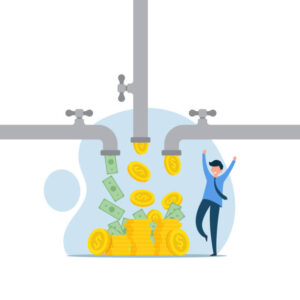
Photo from freepik.com
As a travelpreneur, relying on one income source is risky. Diversifying your income streams can give you financial stability and flexibility. Here’s how:
- Freelance Work: Use your skills in writing, design, programming, or marketing to earn money while traveling. Platforms like Upwork and Fiverr make it easy to find freelance gigs.
- Digital Products: If you have expertise in a niche, create digital products like eBooks, online courses, or stock photos. These can generate passive income.
- Affiliate Marketing: Promote products or services through affiliate links on your blog, website, or social media and earn a commission.
- Remote Jobs: Many companies are hiring remote workers for full-time positions. Explore job boards like We Work Remotely and Remote OK to find opportunities.
With multiple streams of income, you’ll have more financial freedom and peace of mind.
7. Navigating Currency Exchange and Inflation: Protect Your Money Across Borders

Photo from freepik.com
Currency exchange and inflation are two of the biggest threats to your finances when living or traveling abroad. Without careful management, they can erode your purchasing power and savings. But don’t worry—by being strategic, you can protect your money and keep it working for you, no matter where you are. Here’s how to navigate them:
Use Credit Cards with No Foreign Transaction Fees: Many travel-friendly credit cards, like the Chase Sapphire Preferred or Revolut, offer no foreign transaction fees. This helps you avoid extra charges when making purchases abroad, saving you up to 3% per transaction.
Watch Currency Exchange Rates: Use apps like XE or Revolut to keep track of currency fluctuations and Apps like XE and Revolut allow you to track currency fluctuations and get the best exchange rates. Avoid exchanging money at airports or tourist hotspots, as rates there are often poor and costly.
Plan for Inflation: Some countries experience high inflation, so it’s essential to track your spending and adjust your budget as needed. Keep your savings in stable currencies or assets like gold or real estate.
By staying informed and strategic, you can minimize the impact of currency exchange and inflation while keeping your finances intact abroad.
8. Emergency Funds and Safety Nets: Financial Security on the Road
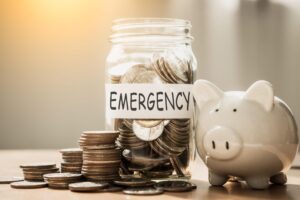
Photo from hfsfcu.org
No matter how carefully you plan, emergencies happen. Whether it’s a medical issue, a canceled flight, or an unexpected expense, it’s crucial to be financially prepared. Here’s how you can safeguard yourself:
- Build an Emergency Fund: Aim to save at least 3–6 months of living expenses in a highly liquid account, like a savings account or money market fund. This gives you financial stability if you face unexpected events like medical bills or a loss of income, especially in countries with less reliable social safety nets.
- Travel Insurance: Comprehensive travel insurance is essential for digital nomads. Providers like SafetyWing and Allianz offer policies that cover medical emergencies, cancellations, lost luggage, and trip interruptions. These policies provide peace of mind so that unexpected situations won’t ruin your trip or your finances.
- Emergency Cash: It’s always wise to keep a small amount of emergency cash in local currency, especially in countries with unreliable banking systems or areas where card payments may not be accepted.
By taking these steps, you ensure you have a financial safety net to handle life’s unexpected moments without derailing your travels.
11 Benefits of Smart Financial Strategies for Travelpreneurs
- More Financial Flexibility: Save money and live well by choosing affordable places to stay.
- Grow Your Wealth: Invest in easy-to-manage options like ETFs, robo-advisors, and crypto while traveling.
- Secure Your Future: Plan for retirement, even on the go, so you can enjoy financial freedom later.
- Easy Money Management: Use tools like multi-currency accounts and international insurance to stay organized abroad.
- Be Ready for Emergencies: Have an emergency fund and travel insurance to handle unexpected situations.
- Save While Traveling: Cut costs on food, transport, and entertainment to save money without missing out.
- Build Multiple Income Streams: Freelancing, digital products, and remote jobs help you earn from anywhere.
- Protect Your Savings: Watch exchange rates and inflation to keep your money safe.
- Adapt to Different Lifestyles: Geoarbitrage helps you live in low-cost countries while still earning high.
- Tax Benefits: Take advantage of tax-deferred retirement plans and savings options for self-employed workers.
- Financial Independence: By saving, investing, and diversifying income, you can gain more freedom and control over your life.
Conclusion: Mastering Your Financial Freedom as a Travelpreneur

Photo from freepik.com
Managing finances as a travelpreneur is key to long-term success and stress-free adventures. By using strategies like geoarbitrage, smart saving, income diversification, and retirement planning, you can ensure financial stability while enjoying life on the road. The right tools and mindset will allow you to focus on what matters most: exploring the world and living freely.
With a solid financial plan, you can make the most of your nomadic lifestyle, from budgeting and investing wisely to having a safety net in place. Financial security isn’t just about money—it’s about peace of mind and the freedom to embrace your journey.
Start today by implementing these strategies, setting clear goals, and aligning your finances with your dreams. The world is yours to explore, and with financial control, you can live it to the fullest.
Frequently Asked Questions (FAQs)
What are the most effective ways to manage finances as a digital nomad?
Use digital banking like Wise, Revolut, or N26. They help with money across borders. Make a budget and track your spending to keep your finances in check.
How can I optimize my housing costs while living abroad?
Look into house sitting, co-living, or cheap places in low-cost countries. Use top house sitting sites and pick local areas over tourist spots.
How can I minimize currency exchange fees and protect my assets from inflation?
Use a multi-currency account or card to cut exchange fees. Time your exchanges right. Diversify your investments to fight inflation and consider digital assets.
What are some strategies for building multiple streams of income while living abroad?
Start a digital business, offer online services, or coach. Use passive income like content creation to boost your earnings.
How can I plan for retirement as a digital nomad?
Look into portable pension plans and social security for expats. Diversify your investments to make a strong retirement plan.
What are the key considerations for tax optimization as a global citizen?
Know tax rules, like the 183-day rule. Find out about foreign income tax breaks. Follow international tax laws to avoid double taxes.
How can I create a robust emergency fund as a digital nomad?
Figure out how much to save based on your travel. Get insurance for health, travel, and business. Plan for emergencies to stay safe financially.