Japanese onsens offer one of the most serene, rejuvenating experiences imaginable. With a deep cultural significance, onsens have drawn visitors for centuries, serving as a gateway to relaxation and wellness.
Understanding Onsens: Types and Etiquette
 Japanese onsens are more than just hot springs; they are an integral part of Japanese culture. Onsens can be divided into natural hot springs, private baths, and mixed-gender options, each offering a unique experience.
Understanding onsen etiquette is essential for a respectful and enjoyable visit. Simple practices like washing thoroughly before entering and keeping voices low ensure the peaceful atmosphere remains intact.
Diverse Onsen Landscapes Across Japan
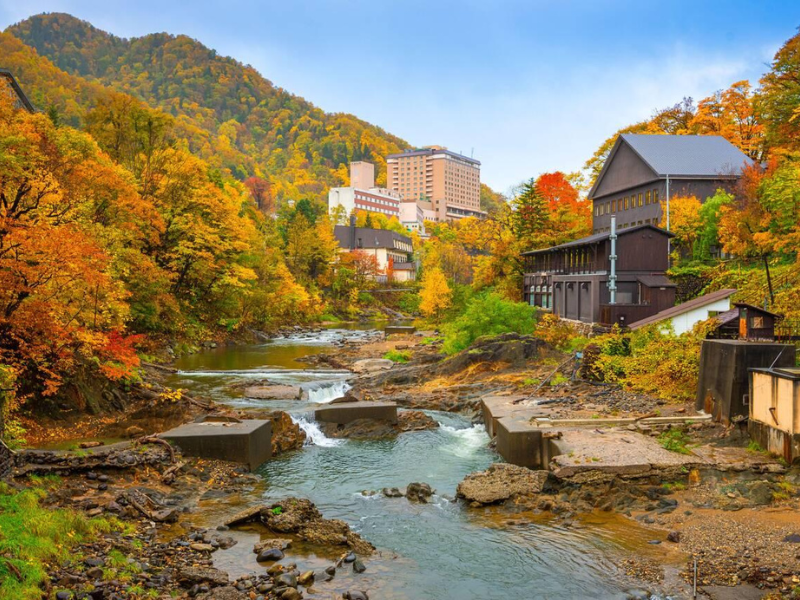
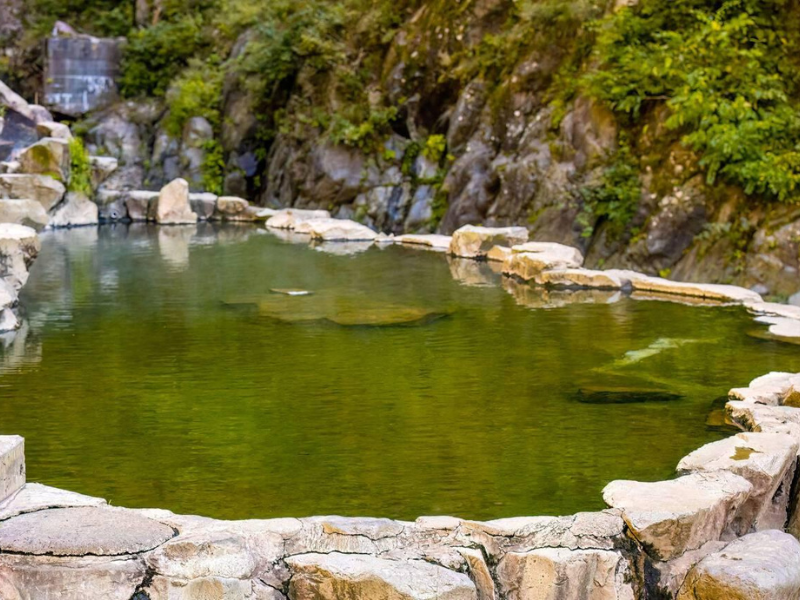
 Mountain Onsens: The mountainous regions of Japan, such as Hakone and Nikko, offer breathtaking backdrops that add to the tranquility of onsen baths. These destinations let visitors soak in mineral-rich water while admiring lush forests and scenic peaks.
Coastal Onsens: For a stunning contrast, visit coastal onsens in places like Beppu and Atami, where visitors can soak while watching the ocean waves. The mix of sea air and mineral water creates a refreshing, rejuvenating experience.
Snowy Onsens: Winter brings a unique charm to onsens, especially in snowy regions like Hokkaido and Nagano. Bathing in hot springs surrounded by snow-covered landscapes is a magical experience, providing a warm escape amidst winter’s chill.
Famous Tourist Spots Near Popular Onsens
Hakone: Known for its sweeping views of Mount Fuji, Hakone is a favorite for both its onsens and tourist attractions. From scenic cable cars to art museums, Hakone offers plenty to do beyond soaking.
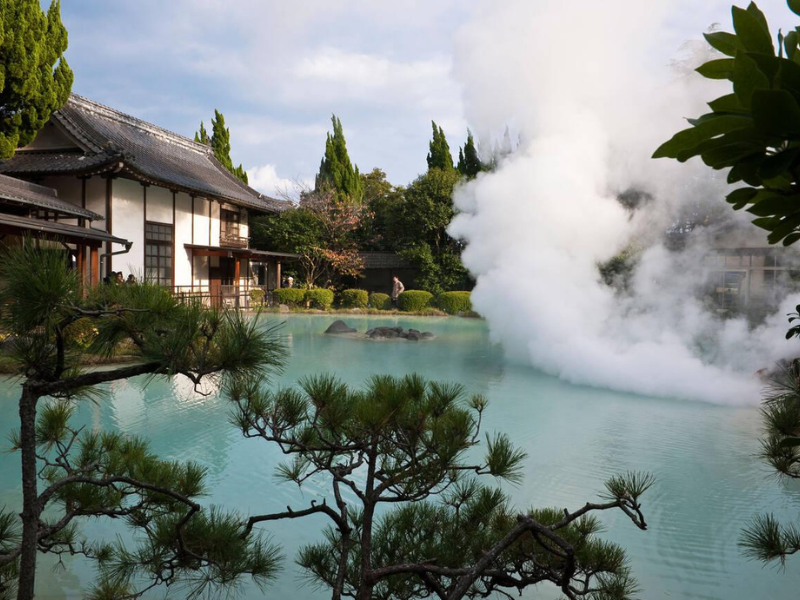
Kyushu’s Beppu: Beppu is famous for its “Hells of Beppu,” a collection of vibrant hot springs in various colors and temperatures. These unique hot springs are a visual treat and a must-see for any visitor.
Kusatsu: The Yubatake, or “hot water field,” is one of Kusatsu’s most iconic sites, producing impressive clouds of steam. With its photogenic setting and vibrant hot spring water, Kusatsu remains a highlight for onsen lovers.
| Location | Highlight |
| Hakone | Stunning views of Mount Fuji, scenic cable cars, and art museums. |
| Beppu (Kyushu) | Famous for the “Hells of Beppu,” a collection of colorful and unique hot springs. |
| Kusatsu | The Yubatake, a hot water field producing dramatic steam clouds, making it a must-visit spot. |
Things to Do Beyond the Onsens
 Local Festivals: Many onsen towns hold annual festivals, bringing added excitement to the experience. The Kinosaki Onsen Lantern Festival, for example, fills the streets with soft, glowing lights in the evening, creating a magical atmosphere.
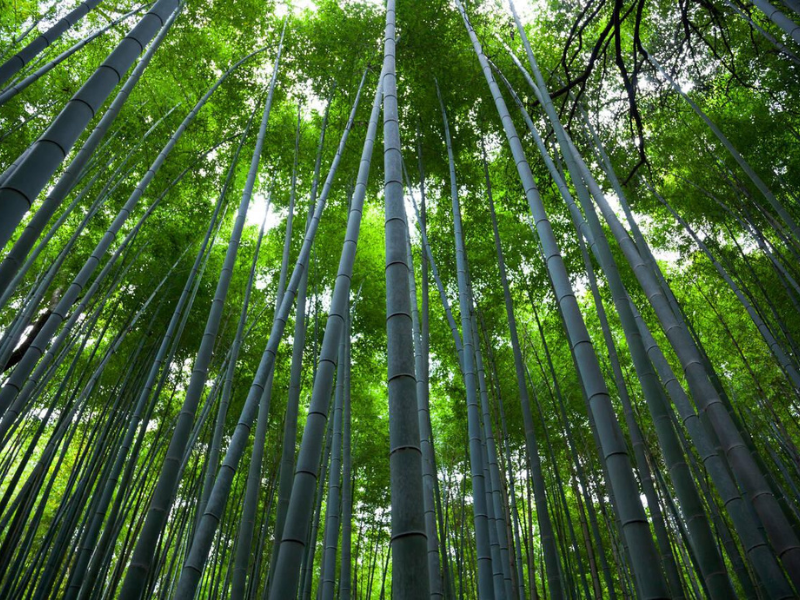
Nature Walks: Surrounding trails in onsen regions offer scenic walks and hikes that complement a day at the springs. Discover hidden waterfalls, lush forests, and serene lakes that enhance the natural beauty of each onsen area.
Tea Ceremonies and Cultural Experiences: Onsen towns often provide a variety of cultural activities, such as traditional tea ceremonies. Participating in these experiences adds depth to your onsen trip, offering insight into Japan’s cultural heritage.
Shopping Destinations for Onsen Lovers
Local Markets and Shops: In towns like Arima Onsen and Kurokawa, markets and specialty shops offer a range of traditional souvenirs. Handmade crafts and local delicacies make thoughtful mementos to bring home.
Onsen-Themed Souvenirs: Many visitors like to bring a piece of the onsen experience home with them, like bath salts or Japanese skincare products. Look for these in shops around famous onsen towns to recreate the spa experience.
Wellness and Skincare Boutiques: Japan is famous for its beauty products, and onsen towns feature unique skincare lines. Visit local wellness boutiques to find Japanese products that will enhance your skincare routine with natural minerals.
Essential Tips for Onsen-Goers
 Tip #1: Plan for Different Seasons
Japan’s onsens offer different experiences depending on the season, with spring cherry blossoms or winter snowfall adding a unique touch. Seasonal changes affect not only the scenery but also the onsen’s atmosphere, making each season special.
Tip #2: Book Private Onsens for More Privacy
For travelers seeking solitude or family time, many resorts offer private onsen baths. These are perfect for enjoying the onsen experience at your own pace and are particularly beneficial for first-time visitors.
Tip #3: Prepare with Japanese Bathing Essentials
Carrying a small towel, soap, and body wash can make your onsen experience smoother, though many facilities provide these items. However, having your own essentials is handy, especially for more remote onsens.
Tip #4: Know the Health Benefits
Different onsens contain minerals known to benefit skin, circulation, and muscle relaxation. Research the mineral properties of each onsen beforehand to find a hot spring that suits your wellness goals.
FAQ Section
Do I need to bring my own towel and toiletries to an onsen?
Many onsens provide towels and toiletries, but bringing your own can be convenient. Check with the onsen beforehand if you’re unsure.
Are tattoos allowed in all Japanese onsens?
Not all onsens permit tattoos due to traditional cultural beliefs, though some accept them or provide cover-up options. It’s best to check policies ahead of time if you have visible tattoos.
Is it okay to bring children to an onsen?
Many onsens welcome families, but age policies vary, especially for mixed-gender baths. Private baths are a great option for families with young children.
Are there any dietary considerations when visiting onsen resorts?
Some onsen resorts serve traditional meals, so inform the staff if you have dietary preferences. Many resorts cater to vegetarian and dietary needs if requested in advance.
Conclusion
A visit to Japan’s onsens combines relaxation, wellness, and cultural immersion in a way few experiences can match. Whether you’re exploring coastal springs or snowy mountain baths, the beauty and tranquility of Japanese onsens will leave you feeling refreshed and inspired.