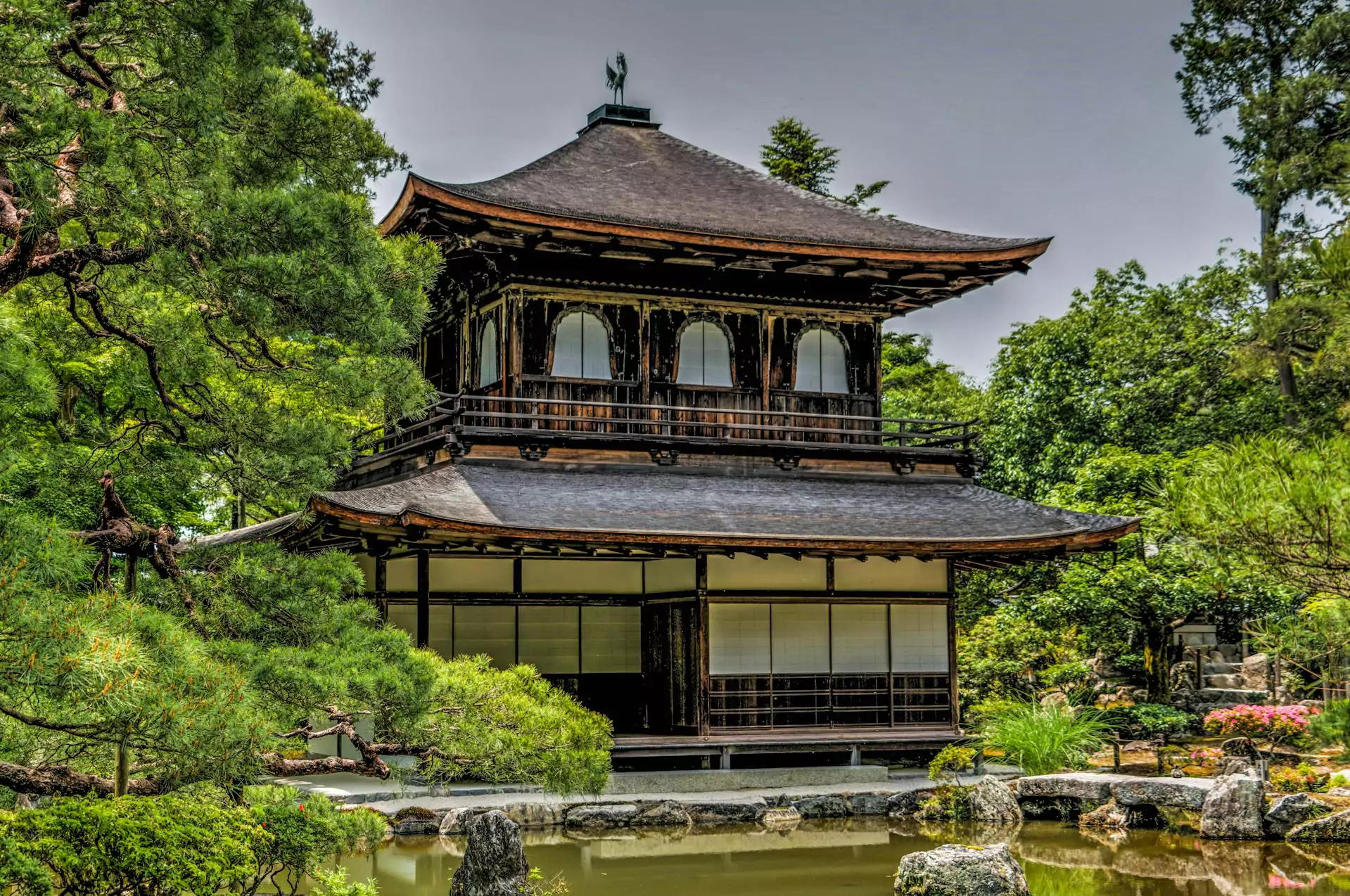
Ginkaku-ji, also known as the Silver Pavilion, is one of Kyoto’s most treasured Zen temples, offering a completely different charm from its more famous golden counterpart, Kinkaku-ji. Instead of dazzling visitors with lavish gold leaf, Ginkaku-ji embraces a more understated beauty, with its weathered wooden exterior blending effortlessly into the tranquil gardens that surround it. This temple embodies the essence of wabi-sabi, the Japanese philosophy of finding beauty in imperfection and simplicity.
If you’re planning a trip to Kyoto, Ginkaku-ji is a must-visit destination, not just for its historical significance but for the serene atmosphere that invites quiet reflection.
A Brief History of Ginkaku-ji
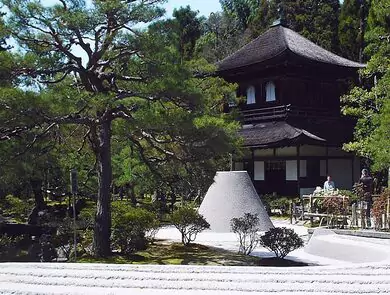
Photo by https://www.japan-guide.com/e/e3907.html
Originally built in 1482 by Shogun Ashikaga Yoshimasa, Ginkaku-ji was intended as a retreat inspired by Kinkaku-ji.
Although the temple was meant to be covered in silver leaf, the decoration was never completed, resulting in its natural wooden aesthetic that embodies the wabi-sabi (imperfect beauty) philosophy.
Despite its unfinished silver coating, Ginkaku-ji remains a masterpiece of Muromachi period architecture and Zen culture.
The temple grounds were later converted into a Zen Buddhist temple after Yoshimasa’s death.
Must-See Spots Inside Ginkaku-ji
As you wander through Ginkaku-ji, you’ll quickly realize that it’s an experience. Every turn reveals something special, from the elegant simplicity of the Silver Pavilion to the mesmerizing patterns of the sand garden and the peaceful moss-covered trails.
1. Ginkaku (Silver Pavilion)
The main temple structure, the Silver Pavilion, was meant to be covered in silver leaf, but its natural wooden finish has become its defining characteristic. The architecture reflects the aesthetics of the Muromachi period, emphasizing simplicity and harmony with nature.
2. Ginshadan (Sea of Silver Sand)
A meticulously raked sand garden that represents waves and the vast ocean. The smooth, flowing patterns contrast with the rigid structure of the temple, creating a serene Zen atmosphere.
3. Kogetsudai (Moon Viewing Platform)
A conical mound of sand that symbolizes Mount Fuji. It is carefully crafted to enhance moonlight reflection at night, an important element of traditional Japanese aesthetics.
4. Moss Garden & Walkway
A lush, moss-covered landscape surrounding the temple, featuring stone pathways and small ponds. It’s a great place to experience Japan’s love for nature and tranquility.
5. Panoramic Viewpoint
An elevated area at the back of the temple grounds provides breathtaking views of both Ginkaku-ji and the Kyoto cityscape. It’s one of the best spots for photography.
| Attraction | Location | Opening Hours | Opening Dates | Rates | Contact Information | Tips |
| Ginkaku (Silver Pavilion) | Central temple area | 8:30 AM – 5:00 PM (Mar – Nov) / 9:00 AM – 4:30 PM (Dec – Feb) | Open daily | 500 yen (Adults), 300 yen (Students) | +81 75-771-5725 | Best viewed from the sand garden for a stunning contrast with nature. |
| Ginshadan (Sea of Silver Sand) | In front of the Silver Pavilion | Same as temple hours | Open daily | Included in entry fee | N/A | Visit in the morning to see the sand patterns undisturbed by foot traffic. |
| Kogetsudai (Moon Viewing Platform) | Near the sand garden | Same as temple hours | Open daily | Included in entry fee | N/A | A great spot to take in the Zen atmosphere and surrounding landscape. |
| Moss Garden & Walkway | Surrounding the temple grounds | Same as temple hours | Open daily | Included in entry fee | N/A | Take your time strolling along the moss-covered paths for a tranquil experience. |
| Panoramic Viewpoint | At the top of the garden trail | Same as temple hours | Open daily | Included in entry fee | N/A | Offers a breathtaking view of Ginkaku-ji and Kyoto’s cityscape. |
Note: Opening hours, admission rates, and contact details may change without prior notice. Please verify the details before your visit.
Practical Information for Visitors
- Location: 2 Ginkakujicho, Sakyo Ward, Kyoto
- Opening Hours: 8:30 AM – 5:00 PM (Mar – Nov) / 9:00 AM – 4:30 PM (Dec – Feb)
- Contact: 81757715725
- How to Get There:
- Take Bus #5, #17, or #100 from Kyoto Station (approx. 40 minutes)
- Nearest subway station: Keage Station, then a short bus ride
Best Time to Visit Ginkaku-ji
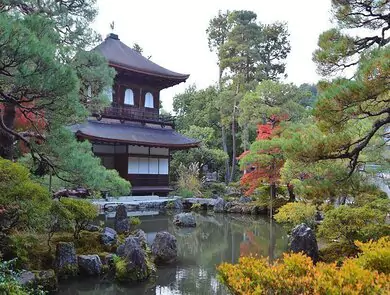
Photo by https://www.japan-guide.com/e/e3907.html
Just like Kinkaku-ji, Ginkaku-ji transforms beautifully throughout the seasons:
- Spring (March – May): Cherry blossoms add a delicate beauty to the temple grounds.
- Summer (June – August): Lush green moss gardens create a serene and refreshing atmosphere.
- Autumn (September – November): Vibrant red and orange maple leaves enhance the temple’s Zen aesthetic.
- Winter (December – February): A dusting of snow over the Silver Pavilion is a rare but breathtaking sight.
To enjoy a more peaceful visit, plan to arrive early in the morning or later in the afternoon when crowds are thinner. Weekdays tend to be less busy than weekends, offering a more relaxed atmosphere to explore the temple.
Nearby Attractions
If you have extra time, consider visiting these nearby attractions:
| Attraction | Location | Opening Days | Opening Hours | Contact Details | Admission Rates | Tips |
| Philosopher’s Path | Tetsugaku No Michi, Sakyo Ward, Kyoto | Open daily | 24 hours | N/A | Free | Best visited during cherry blossom season for a scenic walk. |
| Nanzen-ji Temple | 86 Nanzenji Fukuchicho, Sakyo Ward, Kyoto | Open daily | 8:40 AM – 5:00 PM (Mar – Nov) / 8:40 AM – 4:30 PM (Dec – Feb) | +81 75-771-0365 | Free (Main Grounds), ¥600 (Sanmon Gate), ¥500 (Hojo Garden) | Climb the Sanmon gate for a panoramic view of Kyoto. |
| Eikan-do Temple | 8 Eikandocho, Sakyo Ward, Kyoto | Open daily | 9:00 AM – 5:00 PM | +81 75-761-0007 | ¥600 (Regular), ¥1,000 (Autumn Season) | Visit in autumn for stunning maple foliage. |
Note: Opening hours, admission rates, and contact details may change without prior notice. Please verify the details before your visit.
Final Thoughts
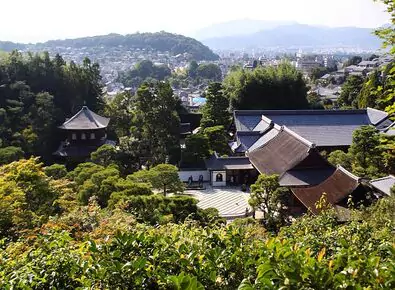
Photo by https://www.japan-guide.com/e/e3907.html
Ginkaku-ji, or the Silver Pavilion, is one of Kyoto’s most revered Zen temples, offering a stark yet harmonious contrast to the golden splendor of its famous counterpart, Kinkaku-ji (the Golden Pavilion).
The temple’s architecture is a brilliant example of wabi-sabi, a traditional Japanese aesthetic that embraces simplicity, imperfection, and the beauty of natural aging.
Unlike Kinkaku-ji, which is coated in gold leaf, Ginkaku-ji is understated, with its wooden structure standing elegantly in harmony with its surroundings. The building itself is a graceful example of minimalist Zen design, focused on creating a sense of peace and tranquility rather than ostentatious display.
With this guide, you’re ready to make the most of your trip to Ginkaku-ji. Enjoy your journey through Kyoto’s Silver Pavilion!
Frequently Asked Questions
Is Ginkaku-ji the same as Kinkaku-ji?
No, Ginkaku-ji and Kinkaku-ji are two different temples. Ginkaku-ji, also known as the Silver Pavilion, is located in eastern Kyoto and is famous for its understated beauty. Kinkaku-ji, or the Golden Pavilion, is in northern Kyoto and is known for its gold-leaf-covered exterior.
How do I get to Ginkaku-ji from Kyoto Station?
From Kyoto Station, you can take Kyoto City Bus #100 or #206 and get off at the Ginkaku-ji-michi bus stop, then walk about 10 minutes to the temple. Alternatively, you can take a taxi, which takes around 25 minutes.
Are there any special events or festivals held at Ginkaku-ji?
While Ginkaku-ji doesn’t host large-scale festivals, it is known for special events during the cherry blossom season in spring and autumn foliage season. These times offer a serene atmosphere for visitors to experience the temple in its seasonal beauty.
Can I participate in any spiritual or meditation activities at Ginkaku-ji?
Ginkaku-ji is primarily a historical and cultural site, and it does not offer specific spiritual or meditation activities for visitors. However, you can enjoy the peaceful Zen gardens and reflect on the tranquil atmosphere that the temple provides.
Are there any cafes or restaurants near Ginkaku-ji?
Yes, there are several cafes and restaurants near Ginkaku-ji, especially along the Philosopher’s Path. These places offer traditional Japanese snacks, tea, and meals, where visitors can relax and enjoy local specialties after their visit to the temple.
Can I buy souvenirs at Ginkaku-ji?
Yes, there are souvenir shops near the temple where you can purchase traditional Kyoto items such as postcards, tea, incense, and other cultural souvenirs. These make great mementos from your visit.
Is Ginkaku-ji wheelchair accessible?
Ginkaku-ji has some areas that are accessible to wheelchair users, though the temple’s grounds are slightly hilly and the pathways can be narrow in some parts. It’s best to check with the temple’s staff for assistance if needed.
What should I bring when visiting Ginkaku-ji?
While there’s no specific requirement, it’s a good idea to bring comfortable walking shoes, a camera, and water. If you’re visiting during peak seasons, like cherry blossom or autumn, you may also want to bring sunscreen and a hat for protection from the sun.