Hidden in the quiet countryside of Northamptonshire, Apethorpe Palace is one of England’s most overlooked historic gems. Rich with royal connections and adorned with Jacobean architecture, it offers a timeless charm that’s hard to resist. Once a favorite retreat of monarchs like James I and Elizabeth I, the palace echoes with stories of England’s regal past.
Visiting Apethorpe Palace is a far cry from the crowds of Windsor or Hampton Court. Instead, it promises a peaceful, intimate experience—one that feels like stepping into a well-kept secret. Among the many beautiful England castles, this one stands out for its serenity, elegance, and quiet grandeur.
Where Royals Once Roamed: The History of Apethorpe Palace
Apethorpe Palace history stretches back to the 15th century, with each era leaving its mark on this magnificent estate. It rose to prominence during the 16th and 17th centuries, becoming a royal favorite—especially of King James I, who added luxurious state apartments. Both James I and Charles I spent time here, and some believe Apethorpe was James’s most beloved countryside retreat.
Over time, the palace passed through many hands and sadly fell into decline during the 20th century. Thankfully, English Heritage stepped in to restore it. Today, Apethorpe Palace is privately owned, but it opens to the public on special guided tours. Walk its halls, and you’ll feel history come to life.
Why This Palace Steals the Show
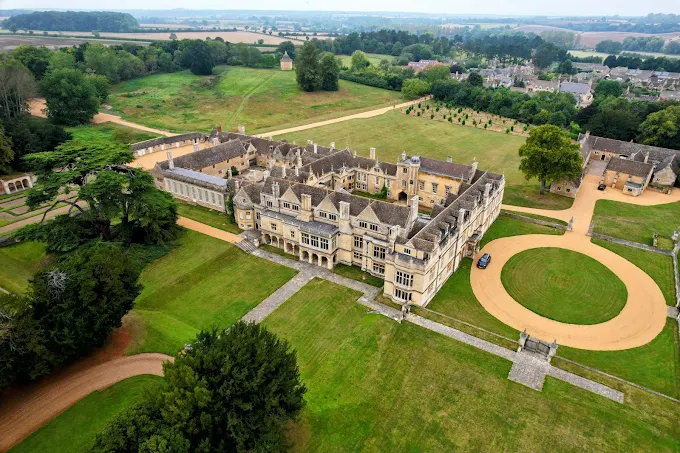
Photo from https://listings.cabdispatchers.com
So, what makes Apethorpe Palace stand out from other historic homes in England? To start, it’s the remarkable royal connection. Few places can claim to have hosted not just one, but several monarchs. King James I loved it so much, he added lavish state rooms. Charles I also stayed here, making it a true royal favorite. Then, there’s the architecture. It’s a breathtaking blend of Tudor and Jacobean styles, filled with carved ceilings, elegant staircases, and even hidden passageways that whisper stories from the past.
But the real magic lies in its exclusivity. Visits are limited and always guided, which means no crowds, no noise—just a peaceful, immersive experience. Each tour feels personal, almost like stepping into a private royal residence. If you’re looking to explore English history off the beaten path, Apethorpe delivers with quiet grandeur, timeless beauty, and unforgettable charm.
Peek Behind the Palace Walls: What to See and Do
A guided tour is the only way to explore the palace—and that’s actually a bonus. These tours are led by passionate experts who bring the building to life with stories, secrets, and historical gems. Here’s what you’ll see:
1. The State Apartments: A Glimpse into Royal Grandeur

Photo from https://rodneymelvilleandpartners.com
Step into rooms that once welcomed kings and queens. The State Apartments are vast, elegant, and filled with character. As you walk across creaking floors and past tall windows, you can almost hear the whispers of courtly intrigue.
Each room is designed to impress—from high ceilings to lavish fireplaces. Notice how natural light floods the spaces, making the decorative details shine. Although the furnishings are sparse, the walls and architecture speak volumes. These spaces weren’t just beautiful; they were political, social, and ceremonial stages. Today, they offer a powerful connection to centuries past, where the lines between private life and royal duty blurred.
2. Ceiling Carvings and Fireplaces: Artistic Details Everywhere

Photo from https://cdn.mos.cms.futurecdn.net
Look up. Then look around. The craftsmanship here is something special. Elaborate plaster ceilings show off the skill and artistry of the past. No two are quite the same. Some ceilings swirl with floral designs, while others display coats of arms and historic patterns. Below, the fireplaces are equally striking. Carved stone mantels with intricate details once warmed royal toes and noble hearts. These features weren’t just functional—they were statements of wealth and taste. Together, they tell stories of changing styles, eras, and the people who lived here. They’re easy to overlook, but once you notice them, you’ll start spotting beauty in every corner.
3. The Courtyard and Gardens: A Breath of Fresh Air
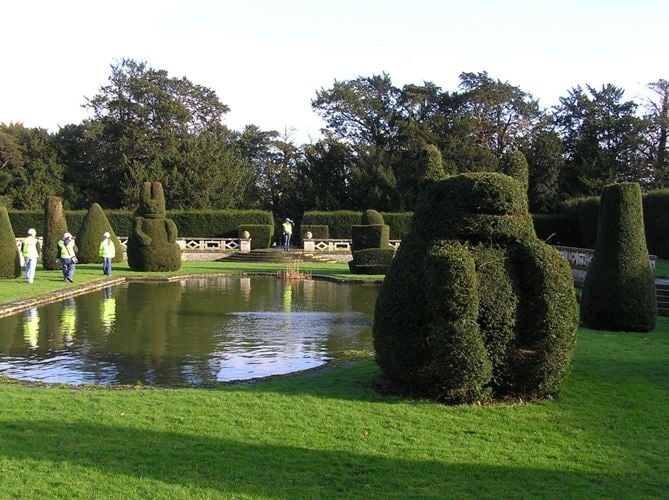
Photo from https://historicengland.org.uk
Step outside for a moment of peace. The central courtyard is simple but striking, framed by elegant stone and symmetry. It’s a great place to take in the scale of the building and imagine carriages rolling in long ago. Beyond the walls, the small gardens offer greenery and quiet charm. While they don’t compete with palace-sized estates, they perfectly match the intimate feel of Apethorpe. You might see seasonal blooms, shady spots, and birds fluttering nearby. It’s a lovely contrast to the structured interiors—natural, relaxed, and reflective. Pause here before heading back inside. It’s a calming way to soak in the surroundings.
4. Restoration Features: Where Past Meets Present
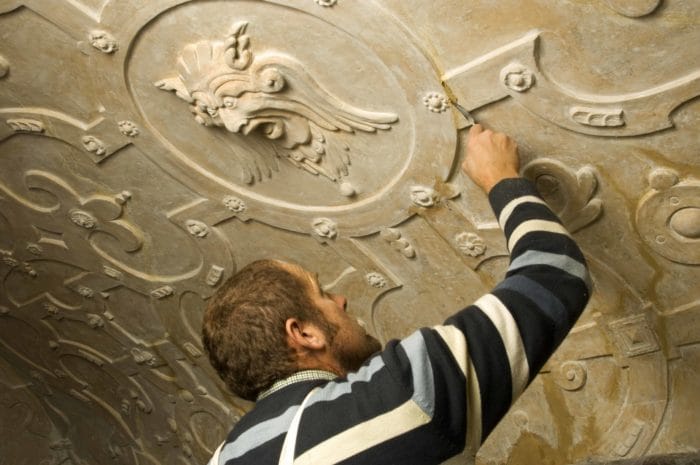
Photo from https://www.synergyllp.co.uk
Apethorpe Palace wouldn’t be standing today without a massive restoration effort. And it shows—in the best way. As you tour, you’ll notice a careful blend of old and new. Original beams are supported by modern materials. Ancient walls now have discreet reinforcements. English Heritage did more than just patch things up—they respected the palace’s character. Your guide will point out clever fixes and tell stories of the restoration journey. It took vision, skill, and a whole lot of patience. Seeing these features makes you appreciate how fragile and valuable these places are. It’s history preserved, not just remembered.
Mind Your Manners: Tips and Etiquette
Because tours are guided and spaces are limited, it’s important to be respectful during your visit.
- Book in Advance: Tours fill quickly, especially during summer.
- Be Punctual: Arrive early so you don’t miss your time slot.
- Photography: Ask your guide before snapping photos—some areas may be restricted.
- Stay with the Group: For safety and preservation reasons, stick to the designated areas.
- Wear Sensible Shoes: There’s a bit of walking and some uneven flooring.
Quiet appreciation is the name of the game. Apethorpe is more about reflection than recreation.
What You Need to Know: Tickets, Address, and Details
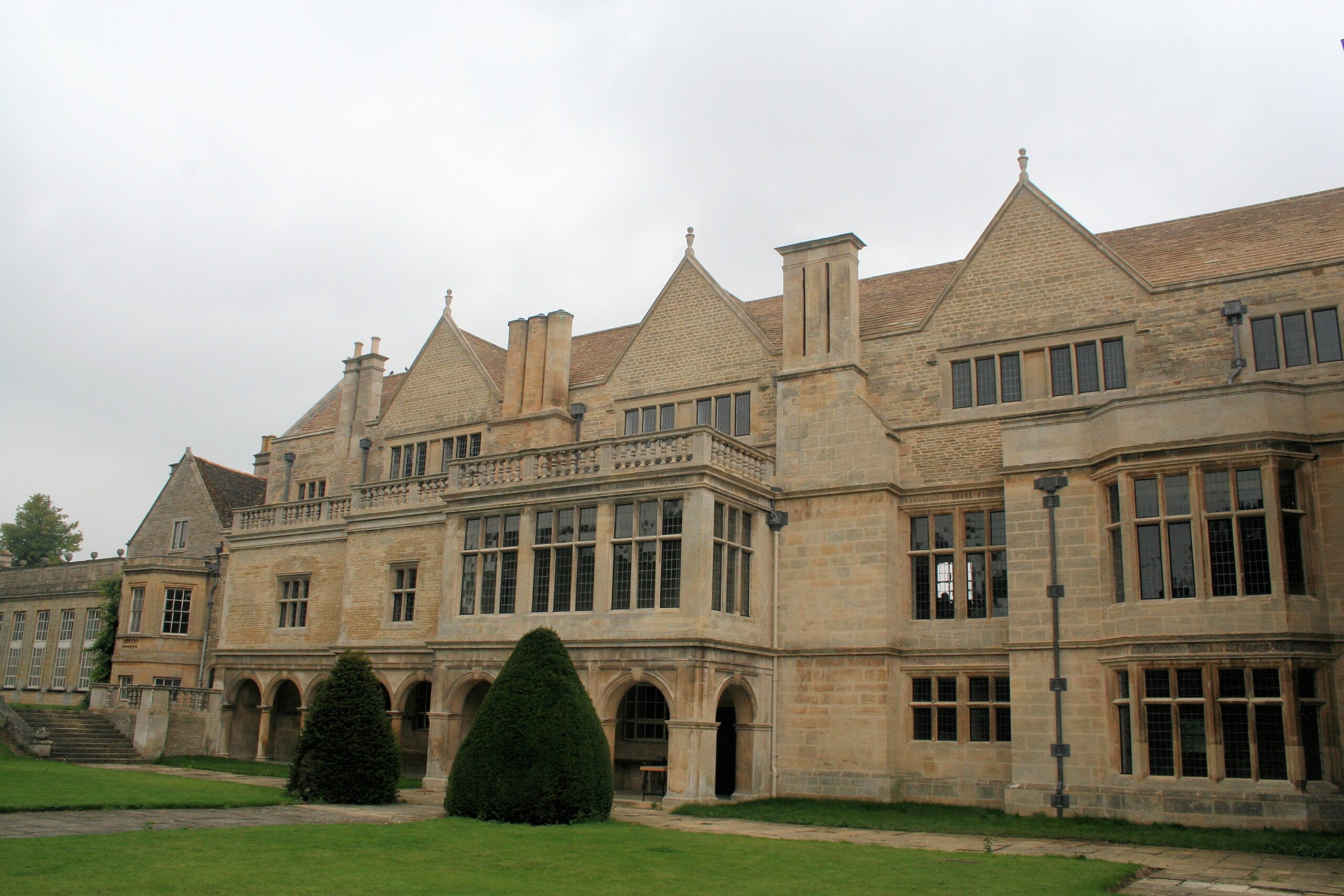
Photo from https://upload.wikimedia.org
Apethorpe Palace isn’t open daily. It opens for pre-booked guided tours during certain periods of the year.
- Address: Apethorpe Palace, Hunting Way, Apethorpe, Peterborough PE8 5DJ, United Kingdom
- Phone: 0370 333 1181
- Website: https://www.english-heritage.org.uk/visit/places/apethorpe-palace/
- Tour Schedule: Tours usually run from late spring to early autumn (check English Heritage or owner’s website).
- Admission Fee: Pre-booked guided tours in July and August have varying admission fees: £10 for English Heritage members and £11.20 for adults (£11.50 with a donation).
Prices may change, so please check the website for the latest information. - Booking: Essential. You can book online through the palace’s dedicated website or English Heritage listings.
Always check for updates before planning your trip, as tour availability can change.
Getting There: A Countryside Escape
Getting to Apethorpe Palace is part of the adventure—tucked away in the Northamptonshire countryside, it offers a peaceful and scenic journey. Here’s how to get there:
- By Car: The easiest and most flexible option. Just 15 minutes from Oundle or 25 minutes from Peterborough. Free parking is typically available on-site. Great for those who enjoy countryside drives.
- Riding a Train: Peterborough is the nearest major train station. From there, take a taxi or pre-book a car hire to reach the palace. A good choice if you’re coming from London or other large cities.
- By Bus: Public transport is limited in the area. Some connections are possible from nearby towns, but not always direct. Best suited for adventurous travelers who don’t mind planning ahead.
Tip: Since it’s a rural area, don’t rely on frequent buses or taxis—plan your route ahead of time for a smooth and stress-free visit.
When to Go: Best Seasons and Tours
The best time to visit Apethorpe is late spring through early autumn. The weather is mild, the gardens are in bloom, and more tours are usually available.
| Season | Highlights | What to Expect |
| Spring (April–June) | Blooming gardens, peaceful atmosphere | Fewer visitors, ideal for photography and quiet tours. Great for flower lovers. |
| Summer (July–August) | Most tour dates, best weather | Peak season with more availability for tours. Ideal for first-time visitors. Book early! |
| Autumn (September–October) | Colorful foliage, cooler days | Quieter period with stunning views. A relaxed, crowd-free experience. |
Guided Tours at a Glance:
Planning your visit to Apethorpe Palace? Choosing the right season can make your experience even more magical, with each time of year offering its own unique charm.
- Duration: 1.5 to 2 hours
- Booking: Must be booked in advance via the official English Heritage site or event partner.
- Group Size: Small and intimate, often 10–15 people
- Special Events: Occasionally held and announced online—these may include behind-the-scenes access or seasonal experiences.
3 Nearby Gems: Places to Visit Around Apethorpe
If you’re making the trip, why not make a day—or a weekend—of it? Here are three lovely spots nearby:
1. Fotheringhay Village and Church

Photo from https://nenevalley.net
Just a 10-minute drive from Apethorpe Palace, Fotheringhay is a must-visit for history lovers. This peaceful village holds powerful stories—it was the birthplace of Richard III and the site where Mary, Queen of Scots was tragically executed. Today, you can wander the ruins of the old castle mound and visit the impressive church, which stands proudly above the Nene River. The setting is peaceful and scenic, ideal for quiet reflection or photography. Add in the rolling countryside views and riverside walks, and you’ve got a perfect companion stop to your Apethorpe visit.
For inquiries or more details, contact us below:
- Address: St Mary’s and All Saints, Church, Fotheringhay Rd, Tansor, Fotheringhay, Peterborough PE8, United Kingdom
- Phone: 01832 226322
- Website: https://www.nationalchurchestrust.org/church/st-mary-all-saints-fotheringhay
- Opening Hours: The church is open daily from 9am to 5pm.
2. Lyveden New Bield

Photo from https://nt.global.ssl.fastly.net
If you love mysterious and unfinished landmarks, Lyveden New Bield is a fascinating place to explore. Just a short drive from Apethorpe, this National Trust property is an Elizabethan summer house like no other. It was never completed, giving it a haunting yet beautiful atmosphere. Built by Sir Thomas Tresham—father of one of the Gunpowder Plot conspirators—Lyveden is rich in symbolism and secrets. You’ll find spiral staircases, hidden religious messages, and moated gardens. It’s a peaceful place for a walk, a picnic, or simply to soak in the strange beauty of something left unfinished. Don’t forget your camera!
For inquiries or more details, contact us below:
- Address: National Trust – Lyveden, Lyveden New Bield, Lyveden PE8 5AT, United Kingdom
- Phone: 01832205259
- Email: lyveden@nationaltrust.org.uk
- Website: https://www.nationaltrust.org.uk/visit/leicestershire-northamptonshire/lyveden
- Opening Hours: Opens daily from 10:00AM – 5:00PM
- Admission Fee: Adult (18+) is £12.10, Child (5-17) is £6.10 under 5s free
3. Oundle
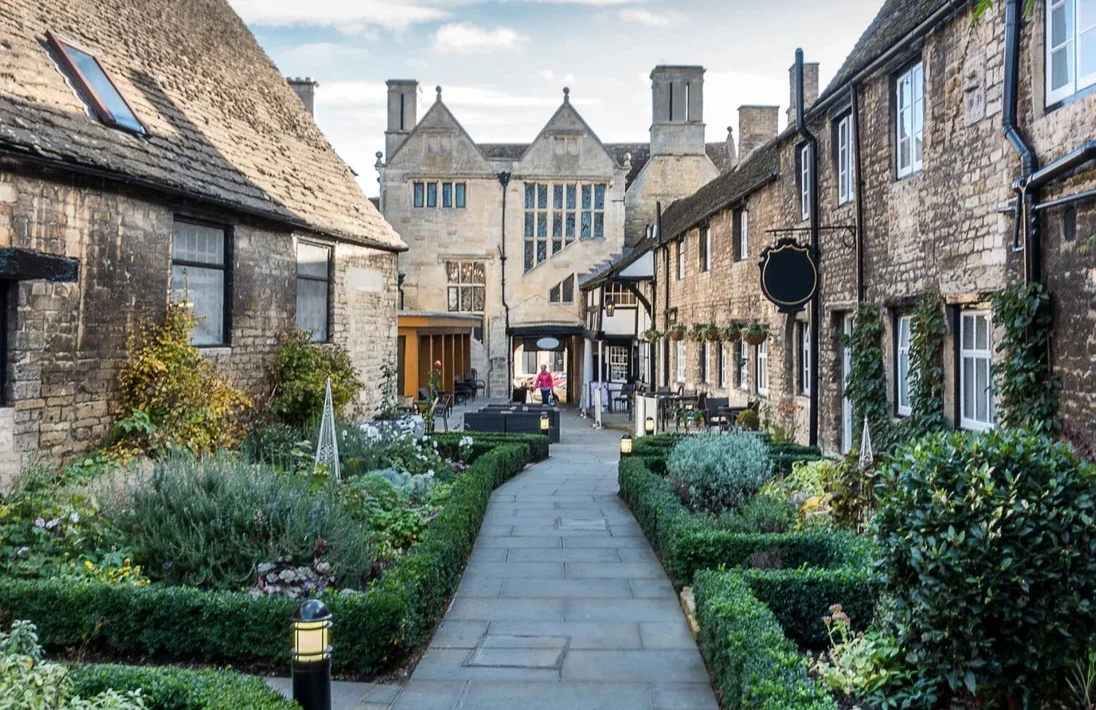
Photo from https://garringtoneastmidlands.co.uk
Looking to unwind after exploring castles and history? Head over to Oundle, Peterborough, UK , just 15 minutes away. This charming market town is full of character, with independent shops, cafés, and lovely riverside walks along the River Nene.
The town’s architecture is also a treat—think Georgian facades and cobbled streets with a timeless feel. Oundle is perfect for a relaxed lunch, browsing local boutiques, or enjoying an afternoon coffee in a cozy tearoom. It’s a great way to balance your historic visit to Apethorpe with a bit of modern charm and small-town warmth.
The Final Word: Why Apethorpe Palace Is Worth Every Step

Photo from https://discover-northamptonshire.co.uk
Apethorpe Palace may not have the global fame of larger royal residences, but that’s exactly what makes it so special. It’s intimate, rich in authentic history, and lovingly restored. Nestled in the countryside, it feels like a private window into the past. With limited guided tours and a peaceful setting, it offers a rare kind of visit—exclusive, personal, and quietly magical.
Whether you’re a history enthusiast, an architecture admirer, or just love discovering beautiful England castles, this place is a true gem. Visiting Apethorpe Palace is like uncovering a royal secret. So go ahead—book your tour, charge your camera, and enjoy a day exploring a slice of English history that feels uniquely yours.
Frequently Asked Questions About Visiting Apethorpe Palace
Is Apethorpe Palace open to the public?
Yes, but only on special guided tours. The palace is privately owned and not open daily, so tours must be booked in advance.
Who owns Apethorpe Palace now?
Apethorpe Palace is privately owned, though it was previously rescued and restored by English Heritage. It is no longer in public ownership but is occasionally accessible for pre-arranged visits.
How long is the tour of Apethorpe Palace?
Guided tours usually last around 1.5 to 2 hours. You’ll explore key rooms, architectural highlights, and learn about its royal history.
Do I need to book in advance?
Yes, advance booking is required. Tours are limited in availability and group size, so it’s best to check the official site or tour providers for upcoming dates.
Is Apethorpe Palace suitable for children?
While the palace is fascinating for older children interested in history, the guided format and limited open areas may not be ideal for very young kids.
Can I take photos during the tour?
Photography is usually allowed in designated areas, but check with your tour guide first, as some sections may be restricted to protect historic interiors.
Is the palace accessible for wheelchairs or those with mobility needs?
Unfortunately, due to its historic structure and layout, accessibility may be limited. Contact the tour organizers in advance for details on mobility support.