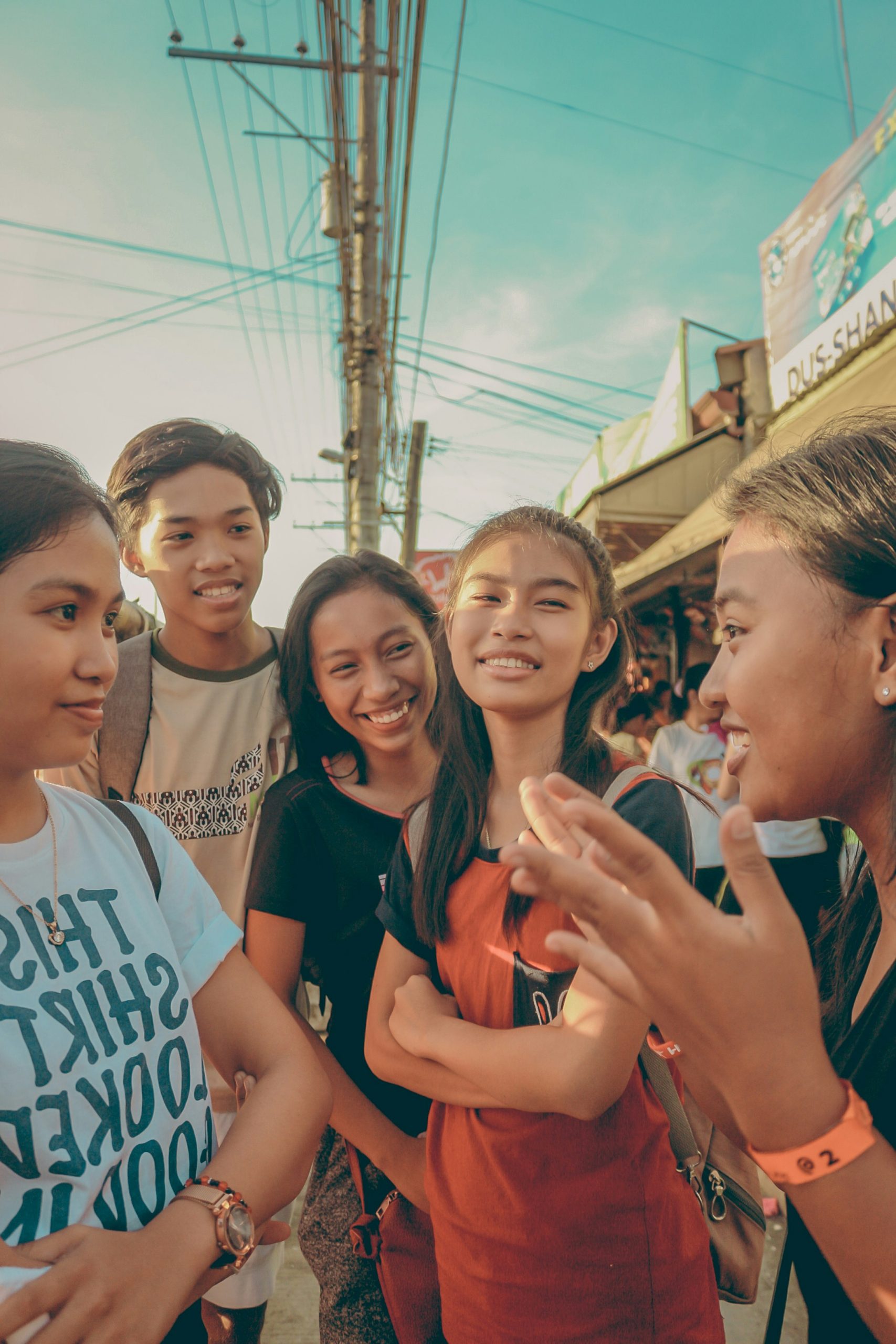
Planning a trip to Davao City? You’re in for a treat! This bustling metropolis, located on the southern island of Mindanao, offers a perfect mix of urban excitement and natural beauty.
From pristine beaches and lush mountains to vibrant festivals and a rich cultural heritage, Davao City is a top destination for tourists seeking a unique blend of adventure and tradition. But to make the most of your visit, it’s important to respect and understand the local customs and etiquette.
Understanding cultural norms is essential for any traveler. Here’s what you should keep in mind while exploring Davao City:
The Dos and Don’ts

Photo by https://www.davaocatholicherald.com/wp-content/uploads/2020/04/Davao-City-Hall.jpg
Do’s:
- Learn Basic Phrases: Simple greetings in the local language can go a long way. Try saying “Maayong buntag” (Good morning) or “Salamat” (Thank you).
- Respect Elders: Always show respect to the elderly by addressing them with titles like “Tatay” (father) or “Nanay” (mother). This is a common sign of respect in Filipino culture.
- Try the Local Cuisine: Davao City is known for its delicious local dishes, so don’t be afraid to try them. Must-tries include the famous durian fruit and seafood delicacies like grilled tuna and kinilaw (raw fish marinated in vinegar).
- Be Mindful of Personal Space: Filipinos are generally friendly and hospitable, but they also value personal space. Always ask for permission before taking photos or entering someone’s home.
- Follow Dress Code at Religious Sites: If you plan on visiting temples or churches, make sure to dress modestly. Avoid wearing revealing clothing as a sign of respect for the religious site.
- Be Aware of Tipping Customs: Tipping is not a common practice in Davao City, but it is appreciated for exceptional service. A 10% tip or rounding up the bill is sufficient.

Photo by https://artpictures.club/autumn-2023.html
Don’ts:
- Point with Your Feet: In Filipino culture, pointing at someone or something with your feet is considered rude. Use your hand instead.
- Forget to Remove Your Shoes: It’s customary to remove your shoes before entering someone’s home. This keeps the house clean and shows respect for the homeowner.
- Show Public Displays of Affection (PDA): While holding hands in public is acceptable, kissing and other forms of PDA are frowned upon. So save the affection for private moments.
- Haggle at Established Stores: Haggling is common in local markets, but it’s not acceptable at established stores or malls. Always pay the listed price unless it’s a small market or street vendor.
- Take Photos Without Permission: As a sign of courtesy, always ask for permission before taking photos of people or their property. This is especially important when visiting indigenous communities.
Dining and Food Etiquette

Photo by https://anaffairwithfood.sg/2018/08/12/10-foods-try-davao-philippines/
Filipinos are known for their hospitality, especially when it comes to food. If you’re invited to a local’s home for a meal, here are some tips:
- Wait to Be Seated: It’s polite to wait until you are shown where to sit.
- Respect the Hosts: Compliment the food and try everything that is offered to you.
- Use Utensils Correctly: Filipinos often use a spoon and fork, with the spoon serving as the primary utensil. Chopsticks are rarely used.
Filipinos consider sharing meals as a way to build and strengthen relationships, so be sure to appreciate this aspect of their culture.
Dress Code
While Davao City is generally casual, it’s important to dress appropriately for different occasions. Lightweight, breathable fabrics are ideal for the warm climate, but here are some specific guidelines:
- Casual Outings: T-shirts, shorts, and sandals are perfect for daily activities.
- Formal Events: Opt for smart casual or formal attire, depending on the occasion.
- Religious Sites: Wear modest clothing that covers your shoulders and knees.
Visiting Religious Sites
Davao City is home to various religious sites, including churches, mosques, and temples. Here’s how to show respect when visiting:
- Remove Shoes: Always take off your shoes before entering, especially in mosques and temples.
- Stay Quiet: Keep noise levels down to maintain the sanctity of the place.
- Photographs: Always ask for permission before taking photos, particularly inside religious buildings.
Engaging with Locals

Photo by https://davaotoday.com/davao-city/in-photos-a-parade-of-davaos-strength-and-diversity/
Building positive relationships with locals can make your experience in Davao City even more enriching. Here are some tips:
- Be Polite: Use “po” and “opo” in conversations to show politeness, especially when speaking to elders.
- Share Stories: Filipinos love storytelling. Sharing your experiences and listening to theirs can foster mutual respect and understanding.
- Participate in Festivities: Join local festivals like Kadayawan to immerse yourself in the culture and community spirit.
Expanding Your Cultural Experience
Davao City offers a wide range of cultural experiences, from traditional festivals and local markets to tribal villages and historical sites. Here are some ways to immerse yourself in the local culture:
- Attend Festivals: Davao City is home to various lively festivals throughout the year, such as the Kadayawan Festival and Araw ng Dabaw. These celebrations showcase the unique traditions and customs of the different ethnic groups in the region.
- Visit Local Markets: Explore traditional markets like Bankerohan Public Market or Agdao Public Market, where you can find an array of fresh produce, handcrafted souvenirs, and authentic Filipino cuisine. This is a great way to support local businesses and interact with the friendly locals.
- Join Cultural Tours: Guided tours are available for those who want a deeper understanding of Davao City’s history and culture. These tours often include visits to museums, heritage sites, and cultural villages where you can learn about traditional customs and practices.
- Volunteer in Indigenous Communities: If you want to make a positive impact while learning about different cultures, consider volunteering in Indigenous communities. Various organizations offer opportunities to work with these communities, providing an eye-opening experience like no other.

photo by https://davaotoday.com/davao-city/in-photos-a-parade-of-davaos-strength-and-diversity/
| Situation | Expected Behavior | Alternative Options | Why It’s Important |
|---|---|---|---|
| Greeting Locals | A simple nod, smile, or “Maayong buntag” (Good morning) is polite. | Handshakes are acceptable but not required. | Dabawenyos appreciate respect and friendliness. |
| Asking for Directions | Approach with a polite “Excuse me” and say “Pwede mangutana?” (May I ask?). | If unsure, ask a security guard, as they are commonly stationed around the city. | People are helpful but appreciate courtesy. |
| Dining with Locals | Wait for the host to invite you to eat. Saying “Kaon ta” (Let’s eat) is a friendly gesture. | If dining alone, be mindful of restaurant customs, such as self-service in carinderias (local eateries). | Respecting mealtime traditions fosters good connections. |
| Handling Money in Markets | Use small bills when buying from street vendors or small stores. | Carry a mix of cash and e-wallets (like GCash) as some places accept digital payments. | Many small vendors may not have change for large bills. |
| Taking Photos in Public Places | It’s fine to take photos in tourist spots and parks. Always ask permission before photographing locals. | Some markets and cultural sites may prohibit photography—check for signs or ask first. | Respecting privacy and local customs avoids conflicts. |
| Using Public Transport | Prepare exact fare when riding jeepneys and taxis. Say “Lugar lang” to signal a stop on jeepneys. | Use ride-hailing apps like Grab for more convenient transport. | Public transport follows informal but structured rules. |
| Visiting Churches & Cultural Sites | Wear modest clothing, especially in religious sites like San Pedro Cathedral. | If wearing casual attire, bring a scarf or jacket to cover shoulders. | Religious sites are sacred spaces that require respect. |
| Shopping & Bargaining | Polite haggling is accepted in street markets, but do so with a smile. | If unsure, observe how locals negotiate before trying. | Being too aggressive can be seen as rude. |
Note: Davao City is known for its strict regulations on smoking, drinking, and cleanliness, so visitors should always check local rules to avoid fines or misunderstandings.
Final Thoughts
Exploring Davao City offers an unmatched cultural experience, but understanding and respecting local customs will undoubtedly make your visit smoother and more enjoyable. Following these tips, you’ll not only avoid unintentional faux pas but also forge meaningful connections with the vibrant local community. Ready to experience Davao like a pro? Start planning your trip today and immerse yourself in the beautiful tapestry of its culture.
Frequently Asked Questions
What is a traditional way to greet someone in Davao?
A common greeting among Dabawenyos is “Maayong adlaw,” which means “Good day.” It reflects the friendly and warm nature of the locals.
How should tourists dress when visiting religious sites in Davao City?
Tourists should wear modest clothing that covers their shoulders and knees when visiting religious sites. This demonstrates respect for the sanctity of these places and aligns with local customs.
Is it appropriate to take photos of locals in Davao City?
It is important to ask for permission before taking photos of people or their property. This shows respect for their privacy and cultural norms, especially in Indigenous communities.
What is the significance of using “po” and “opo” in conversations?
Using “po” and “opo” is a sign of respect when speaking to elders or those in authority. Tourists should incorporate these polite forms into their conversations to build rapport with locals.
Are there specific dining etiquette rules tourists should follow?
Yes, when dining with locals, it’s polite to wait for your host to invite you to sit and try all the food offered to you. Complimenting the meal is also appreciated.
What should tourists avoid doing in public spaces?
Tourists should avoid public displays of affection, such as kissing, as they are frowned upon in Filipino culture. Simple gestures like holding hands are acceptable, but more intimate actions should be reserved for private settings.
What is the proper etiquette when entering a local’s home?
Tourists should remove their shoes upon entering a local’s home. This custom helps maintain cleanliness and shows respect for the homeowner’s space.
How is the concept of family important to Dabawenyos?
Family ties are highly valued in Dabawenyo culture, often extending beyond immediate relatives. Tourists should be respectful of family gatherings and the emphasis on collective decision-making.