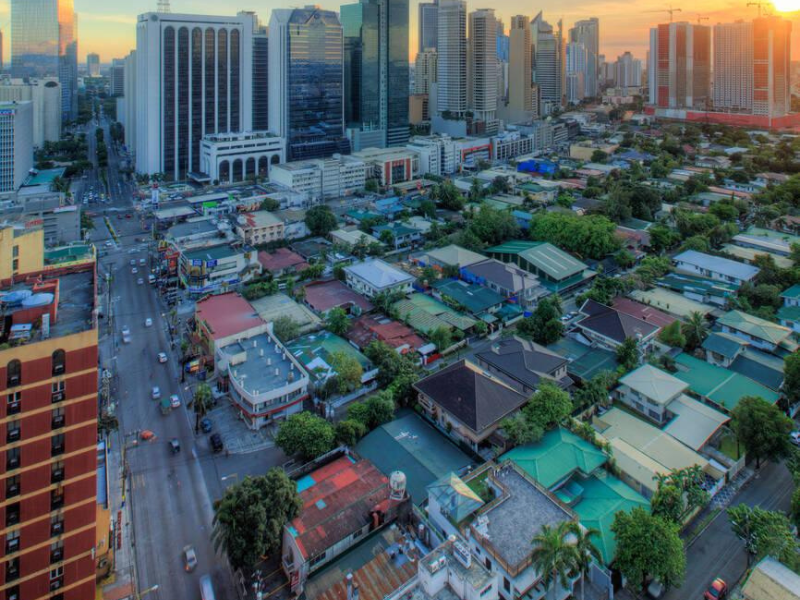
Welcome to Manila, the vibrant capital of the Philippines, a city that pulsates with color, culture, and history. This metropolis, known as the “Pearl of the Orient,” marries old-world charm with the pulse of modern urban life. Whether you’re wandering through its bustling streets, sampling its unparalleled culinary scene, or uncovering its eclectic mix of traditions, Manila offers a captivating tapestry that invites exploration.
Manila is not just a destination; it’s an experience that leaves an imprint on every traveler’s heart. From the energetic rhythms of its nightlife to the tranquility found in cultural landmarks, the city has a way of making every moment count. For anyone considering a visit, there’s so much to absorb, and here’s a guide to help navigate the many facets that make Manila a must-see destination.
Top Landmarks to Experience Manila’s Rich History
 When you think about Manila, iconic landmarks come to mind. The Intramuros, an old walled city, transports you back in time. Walking through its cobbled streets, with the San Agustin Church, a UNESCO World Heritage Site, and the storied walls of Fort Santiago to your side, it feels like you’ve stepped into a different era. Here are some highlights worth visiting:
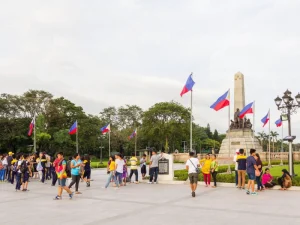
- Rizal Park: This massive urban park features the Rizal Monument, commemorating the Philippines’ national hero, José Rizal. The gardens and open spaces offer a respite from the bustling city.
- National Museum Complex: Comprising several museums, including the National Museum of Fine Arts, it is a treasure trove of Philippine artistry and history.
- Manila Cathedral: Known for its magnificent architecture and stained glass windows, this cathedral draws visitors with its history and serene atmosphere.
Visiting these landmarks not only educates you about the Philippines’ historical struggles and triumphs but also places you in the heart of its cultural evolution. Be prepared for a stroll filled with engaging tales and breathtaking sights, an adventure that sparks curiosity and admiration.
Culinary Delights: Must-Try Dishes in Manila
If there’s one thing that unites the people of Manila, it’s their love for food. The local culinary scene offers an array of flavors, histories, and traditions that cater to all palates. Here’s a list of must-try dishes:
- Adobo: Often regarded as the national dish, this savory marinated meat is simmered with soy sauce, vinegar, garlic, and spices. Each household has its own twist, making it a dish worth trying multiple times.
- Sinigang: This tamarind-based sour soup is a delightful comfort food, typically featuring pork, shrimp, or fish along with a variety of vegetables. Perfect for a rainy day!
- Lechon: This roasted whole pig is a centerpiece for special occasions. The crispy skin and tender meat create a mouthwatering experience that no feast is complete without.
- Halo-Halo: As you venture out in Manila’s heat, cool down with this famous dessert that combines crushed ice, sweet beans, fruits, jellies, and topped with a scoop of ice cream.
- Pancit: A noodle dish that symbolizes long life, pancit is a staple at gatherings. The various versions, including Pancit Canton and Pancit Bihon, are rich in flavor and history.
Manila’s restaurants and food stalls, from roadside vendors to upscale dining establishments like Ninyo Fusion Cuisine and Restaurant 101, offer these delicacies. So prepare your taste buds for a journey that tantalizes the senses and celebrates Filipino heritage.
Hidden Gems: Off-the-Beaten-Path Spots in the City
 While the landmarks are a must-see, exploring the hidden gems of Manila adds a unique flavor to your trip. Consider diving into these lesser-known locales that reveal the authentic side of the city:
- Bambike Ecotours: Riding bamboo bikes around Intramuros introduces travelers to both sustainability and the city’s history. Enjoying the sights while supporting local artisans creates meaningful memories.
- The Mind Museum: Located in Bonifacio Global City, this science museum offers engaging exhibits that merge education and fun, showcasing Filipino creativity and innovation.
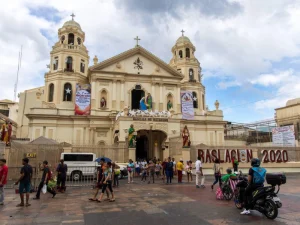
- Quiapo Church and the Quiapo Market: This vibrant area is a sensory delight. The church itself boasts beautiful architecture, while the market pulses with the rhythm of local life, offering everything from fresh produce to spiritual artifacts.
These spots allow a deeper dive into the daily life of locals, making your visit even more engaging as you uncover Manila’s hidden treasures.
Navigating Manila: Tips for a Smooth Journey
Understanding how to navigate a city can often make or break your travel experience. Here’s a straightforward guide to help you traverse Manila with ease:
- Use Public Transport: The LRT (Light Rail Transit) and MRT (Metro Rail Transit) are great ways to bypass traffic and reach major destinations quickly. Grab a contactless card to make travel seamless.
- Ride-sharing Apps: Services like Grab offer a safe and reliable way to get around the city, especially if you want to avoid crowded public transport.
- Plan for Traffic: Manila is notorious for its heavy traffic. It’s best to plan your journey during off-peak hours and allow extra time when attending events or meetings.
- Stay Hydrated: The tropical climate can be draining. Always carry a bottle of water, especially during city tours.
- Be Aware of Local Customs: Understanding local customs, such as respectful dressing when visiting churches and being polite in interactions, can enhance your experience.
By taking these tips into account, you’re setting yourself up for an incredibly smooth journey through the wonders of Manila.
When to Visit: The Best Times for Your Manila Trip
Choosing the right time to visit can significantly enhance your experience in Manila. The dry season, from November to April, is the ideal window for travelers, offering pleasant weather and outdoor events. If you aim to immerse yourself in colorful festivals, consider planning between January and February, when celebrations like the Feast of the Black Nazarene and the Chinese New Year give the city a pulsating vibe.
On the other hand, if you prefer fewer crowds, visiting during the wet season (from May to October) can offer the same magic at a much quieter pace. Just be prepared for some rainfall and occasional downpours.
Exploring Manila’s Vibrant Nightlife
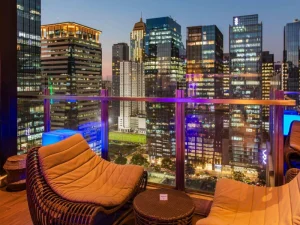 As the sun sets, Manila transforms into a playground for nightlife enthusiasts. Bonifacio Global City (BGC) and Makati are popular areas teeming with bars, clubs, and entertainment. Explore Poblacion, known for its hip venues where vintage meets modern.
Experience the rhythms of live music in the many local bars or enjoy a more laid-back atmosphere at rooftop bars like The Nest and Sky Deck. The nightlife in Manila caters to diverse tastes—whether you’re in the mood for lively dancing or simply unwinding with a scenic view while sipping on a cocktail.
A Shopper’s Paradise: Markets and Malls in Manila
Shopping enthusiasts are in for a treat in Manila, known for its bustling markets and sprawling malls. Visit Divisoria Market for an immersive experience, where haggling is expected, and endless bargains abound. For a more modern shopping experience, you can’t miss SM Mall of Asia, one of the largest malls in Asia, which hosts everything from high-end brands to unique Filipino goods.
Here’s a brief rundown of places to shop:
| Location | Specialty |
| Greenhills Shopping Center | Local crafts and tailored goods |
| Bonifacio High Street | Trendy boutiques and upscale brands |
| Market! Market! | A mix of local handicrafts and fresh produce |
Manila truly is a shopper’s paradise, with something for everyone!
Cultural Events and Festivals to Experience in Manila
Experiencing local events brings a dynamic aspect to your travels. Manila’s cultural calendar is filled with various festivals throughout the year. Sinulog celebrated in January, honors the Santo Niño with vibrant parades and street dancing. Another notable event is the Pahiyas Festival in May, showcasing colorful rice decorations and local food, though celebrated in nearby provinces, the excitement spills into the city as people gather in admiration.
These events offer a fantastic opportunity to engage with local traditions while experiencing Manila’s culture in full bloom.
Staying Safe: Essential Travel Tips for Manila
 Safety should always be a priority while traveling. Here are essential tips to ensure a secure visit to Manila:
- Stay Alert: Keep your belongings secure and maintain awareness while navigating busy areas.
- Use Trusted Transportation: Stick to reputable taxi services or rideshare apps to avoid scams.
- Health Precautions: Drink bottled water only. Familiarize yourself with local health facilities in case of emergencies.
By taking these precautions, you can explore Manila’s beauty with peace of mind.
Photos to Capture: Instagrammable Spots in Manila
Manila boasts a plethora of breathtaking spots perfect for capturing memories. Consider these Instagram-worthy locations:
- Intramuros: The beautifully preserved architecture creates a stunning backdrop for photos.
- Sunset at Manila Bay: The sunset over the bay offers a spectacular display of colors, perfect for capturing magical moments.
- National Museum: The intricate exteriors and lush gardens provide picturesque settings worth documenting.
Make sure to plan your shoots during golden hours for the best lighting!
Frequently Asked Questions (FAQs) About Visiting Manila
What are the must-visit historical landmarks in Manila?
Manila is rich in history, with must-visit landmarks including Intramuros, where you can explore Fort Santiago and San Agustin Church, a UNESCO World Heritage Site. Other notable sites include Rizal Park, honoring the country’s national hero, and the National Museum Complex, which showcases Filipino art and history.
What are the best Filipino dishes to try in Manila?
Manila’s culinary scene offers a wide variety of flavors. You must try Adobo, a savory dish made with meat marinated in soy sauce and vinegar, and Sinigang, a tamarind-based sour soup. Other favorites include Lechon (roast pig), Halo-Halo (a refreshing dessert with crushed ice and mixed ingredients), and Pancit (noodles symbolizing long life).
What’s the best time of year to visit Manila?
The ideal time to visit Manila is during the dry season, from November to April, when the weather is pleasant for sightseeing and outdoor activities. For a cultural experience, consider visiting in January or February to witness Chinese New Year celebrations and the Feast of the Black Nazarene.
How can tourists get around Manila efficiently?
Manila’s traffic can be challenging, so using the LRT (Light Rail Transit) and MRT (Metro Rail Transit) is a great way to avoid congestion. Ride-sharing apps like Grab provide a safe and convenient alternative to taxis. If traveling long distances, plan for extra time and consider off-peak hours to avoid heavy traffic.
Why Manila Should Be on Every Traveler’s Bucket List
In summary, Manila is a captivating city that combines cultural richness, culinary delights, and historical significance in a single setting. Its diverse experiences, from bustling markets and serene beaches to high-energy streets filled with the aroma of delicious food, make it a worthy addition to any travel itinerary.
So, whether you’re an adrenaline junkie seeking adventures or a history buff on a discovery journey, Manila promises memories that linger long after your visit. Embrace the heart and soul of the Philippines with open arms, and don’t miss out on your chance to create unforgettable experiences. Manila awaits!