Step into the captivating world of Japan, a country steeped in rich history and vibrant culture. From the serene temples of Kyoto to the bustling streets of Tokyo, Japan offers a unique blend of tradition and modernity. Dive into the fascinating tales of samurais and geishas, explore ancient castles, and savor the exquisite flavors of Japanese cuisine. Discover the land of cherry blossoms and bullet trains, where every corner holds a new adventure waiting to unfold.
Overview of Kumano Kodo
Historical Significance
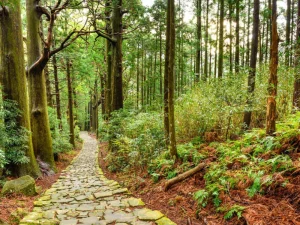 The Kumano Kodo pilgrimage routes have a rich history dating back over 1000 years. Emperor Uda was the first to trek these paths in 995 AD, setting the precedent for pilgrims seeking spiritual enlightenment.
The routes served as a sacred journey for emperors, samurais, and commoners, fostering a deep connection with nature and spirituality. They were designated as UNESCO World Heritage Sites in 2004, preserving their cultural importance.
Main Routes
The Nakahechi Route, the most popular trail, spans 40 kilometers from Tanabe to Kumano Hongu Taisha. This route features lush forests, ancient shrines, and serene hot springs for weary travelers.
The Kohechi Route, a challenging path connecting Kumano with Mount Koya, offers stunning mountain views and a profound sense of accomplishment for hikers. Pilgrims can experience the beauty of rural Japan along this route.
Key Highlights
Nachisan, home to the iconic Nachi Taisha Grand Shrine and the majestic Nachi Falls, is a must-visit spot along the Kumano Kodo. Pilgrims find solace in the spiritual aura of this sacred site.
Visitors can also explore the Kumano Hayatama Taisha Shrine in Shingu, known for its picturesque location by the ocean. The shrine’s tranquil surroundings provide a peaceful retreat for reflection and contemplation.
Practical Hiking Tips
Best Time to Visit
 Spring and fall are the best times to visit Japan for hiking, with mild temperatures and beautiful scenery.
Accommodation Options
- Ryokans: Traditional Japanese inns offering a unique cultural experience.
- Minshukus: Family-run guesthouses providing a cozy and welcoming atmosphere.
Packing Essentials
When hiking in Japan, remember to pack lightweight, quick-drying clothing, sturdy hiking boots, a rain jacket, and hydration supplies.
Transportation Details
- Utilize Japan’s efficient public transportation system, including trains and buses, to access hiking trails.
- Consider purchasing a Japan Rail Pass for unlimited travel on JR lines, a cost-effective option for exploring the country.
Planning Your Trip
 Travel Costs
 Travel Costs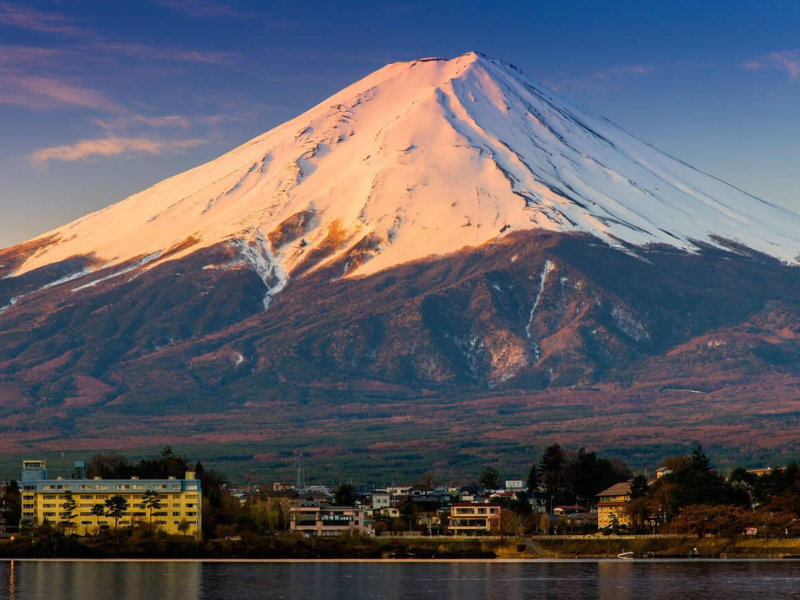
Planning a trip to Japan involves considering various expenses. Accommodation in major cities like Tokyo can be costly, while transportation within the country is efficient but can add up. Food prices vary, with luxurious dining or budget-friendly options available.
- Accommodation costs in Japan’s major cities can be high.
- Transportation expenses within Japan can accumulate quickly.
- Food prices range from affordable to expensive, offering diverse dining choices.
Difficulty Level
Exploring Japan caters to different fitness levels, with activities ranging from leisurely strolls in gardens to challenging hikes on mountains. Terrain varies from urban landscapes to rugged mountain trails, providing options for all types of travelers.
- Activities in Japan suit various fitness levels.
- Terrain ranges from urban areas to mountainous regions.
Age Suitability
Japan welcomes travelers of all ages, offering attractions suitable for children, adults, and seniors alike. From interactive museums for kids to serene temples for older visitors, there’s something for everyone to enjoy.
- Japan provides attractions suitable for children, adults, and seniors.
- Interactive museums cater to kids, while serene temples appeal to older visitors.
Crowd Expectations
Tourist crowds in Japan fluctuate throughout the year. Peak seasons like cherry blossom and autumn foliage attract large crowds, while off-peak times offer quieter experiences. Planning your visit around these periods can enhance your trip experience.
- Peak seasons draw large tourist crowds.
- Off-peak times provide quieter experiences for travelers.
| Category | Details |
| Travel Costs | Accommodation in major cities can be expensive. Transportation costs add up, but efficient. Food options range from budget-friendly to high-end. |
| Difficulty Level | Activities suit different fitness levels, from urban exploration to mountain hikes. |
| Age Suitability | Attractions cater to all ages, from interactive museums for kids to serene temples for seniors. |
| Crowd Expectations | Peak seasons (cherry blossoms, autumn foliage) attract large crowds, while off-peak times offer quieter experiences. |
Other Scenic Trails in Japan
Mount Fuji Hike
 Mount Fuji, Japan’s highest peak, attracts hikers worldwide. The climbing season typically runs from early July to mid-September. Hiking this iconic mountain offers breathtaking views of the sunrise from its summit.
- Pros: Stunning views, iconic experience
- Cons: Crowded during peak season
Nakasendo Trail
The Nakasendo Trail is a historic route connecting Kyoto and Tokyo. This trail provides a glimpse into Japan’s past with its traditional post towns and scenic landscapes. Travelers can enjoy walking through picturesque villages and lush forests.
- Experience traditional Japanese culture
- Enjoy peaceful nature walks
Shikoku Pilgrimage
The Shikoku Pilgrimage is a famous 88-temple pilgrimage route on Shikoku Island. Pilgrims embark on a spiritual journey visiting each temple to seek enlightenment and peace. Participants often experience a deep connection with nature and spirituality along the way.
- Offers spiritual growth opportunities
- Provides a unique cultural experience
Daisetsuzan National Park
Daisetsuzan National Park in Hokkaido boasts rugged mountains, hot springs, and diverse wildlife. Exploring this park allows visitors to witness stunning alpine landscapes and encounter native species like brown bears and red foxes.
- Ideal for nature enthusiasts
- Opportunities for wildlife sightings
Creating a Hiking Itinerary
Combining Trails
When planning your hiking itinerary in Japan, combining multiple trails can offer a diverse and enriching experience. By merging different routes, such as the Kumano Kodo and Nakasendo Trail, hikers can explore varying landscapes and historical sites.
To create a well-rounded hiking adventure, consider combining coastal paths like the Shikoku Pilgrimage with mountainous trails such as the Tateyama Kurobe Alpine Route. This fusion allows hikers to witness Japan’s natural beauty from various perspectives.
Suggested Itinerary
For a comprehensive hiking journey in Japan, start by exploring the serene forests of Yakushima Island before venturing to the iconic Mount Fuji. Next, immerse yourself in the cultural wonders along the Nakasendo Trail and complete your trip with a visit to the picturesque Kumano Kodo.
- Begin at Yakushima Island
- Trek Mount Fuji
- Experience Nakasendo Trail
- Conclude at Kumano Kodo
Frequently Asked Questions (FAQs) About Hiking in Japan
What is the best season for hiking in Japan?
The best seasons for hiking in Japan are spring (March to May) and autumn (September to November). Spring offers mild temperatures and beautiful cherry blossoms, while autumn provides breathtaking foliage and comfortable hiking conditions. Summer (June to August) is suitable for high-altitude hikes like Mount Fuji but can be hot and humid in lower areas. Winter (December to February) is ideal for snow-covered trails in Hokkaido but requires proper gear and experience.
Do I need a permit to hike in Japan?
Most hiking trails in Japan do not require permits, but some specific hikes, like climbing Mount Fuji, may require a small fee for trail maintenance. National parks and protected areas may also have entrance fees or require advance reservations for certain trails. Checking local regulations before your hike ensures a smooth experience.
Are Japan’s hiking trails suitable for beginners?
Yes, Japan offers hiking trails suitable for all skill levels. Trails like the Nakasendo Trail and easy routes along the Kumano Kodo are great for beginners, as they feature well-maintained paths and moderate inclines. More challenging trails, such as Mount Fuji and the Daisetsuzan National Park routes, require proper preparation and fitness levels.
What should I bring for hiking in Japan?
Essentials for hiking in Japan include sturdy hiking boots, weather-appropriate clothing, a rain jacket, a hat, sunscreen, insect repellent, and plenty of water. Bringing snacks, a map, and a portable charger is also recommended. For multi-day hikes, consider packing extra layers, camping gear, and cash, as remote areas may not have ATMs or credit card facilities.
Useful Information
When embarking on a hiking expedition in Japan, ensure you have essential gear like sturdy hiking boots, weather-appropriate clothing, and sufficient water. Familiarize yourself with trail regulations and emergency contacts to prioritize safety during your adventure.