Japan, often referred to as the Land of the Rising Sun, is a captivating country where ancient traditions blend seamlessly with modern innovation. This archipelago, consisting of over 6,800 islands, offers an unparalleled diversity of experiences, making it a dream destination for travelers worldwide. Whether you’re drawn to its bustling cities, serene temples, or breathtaking natural landscapes, Japan promises an unforgettable journey.
Overview of Japan’s Rich Culture and History
Japan’s culture and history are incredibly rich and multifaceted. From the ancient Jomon period to the sophisticated Heian era, and from the feudal samurai age to the rapid modernization of the Meiji Restoration, Japan’s history is a fascinating tapestry of evolution and resilience. This deep historical context is reflected in the country’s customs, festivals, art, and architecture.
Japanese culture is renowned for its attention to detail, respect for tradition, and embrace of the new. Traditional practices like tea ceremonies, calligraphy, and martial arts coexist with cutting-edge technology, fashion, and entertainment industries. This unique blend creates a vibrant cultural landscape that captivates visitors and offers endless opportunities for exploration.
Why Visit Japan?
 Japan offers a myriad of reasons to visit, each more compelling than the last. Its cities are a blend of hyper-modern skyscrapers and tranquil parks, historical sites, and bustling shopping districts. Tokyo, the capital, is a dynamic metropolis where you can experience both the height of technological advancement and the depth of traditional culture. Kyoto, known for its temples and geisha districts, offers a serene counterpoint with its historical charm and natural beauty.
Nature enthusiasts will find solace in Japan’s diverse landscapes, from the snow-capped peaks of the Japanese Alps to the tropical beaches of Okinawa. The country’s seasonal beauty, highlighted by cherry blossoms in spring and vibrant autumn foliage, is a spectacle not to be missed. Additionally, Japan’s culinary scene is world-renowned, offering everything from Michelin-starred restaurants to delightful street food, ensuring a gastronomic adventure for every palate.
Thanks to the ever-growing popularity of anime and video games made in the Land of the Rising Sun, many people seek to spend time and explore the different conventions and even possibly meet the creators and actors in their favorite anime or video game.
Cultural Etiquette and Respect
Understanding and respecting Japanese cultural etiquette is crucial for a rewarding travel experience. The Japanese are known for their politeness, cleanliness, and orderly conduct. Bowing is a common greeting, shoes are removed before entering homes and certain establishments, and silence is often maintained on public transportation. Learning a few basic phrases in Japanese and familiarizing yourself with these customs can enhance your interactions and show respect for local traditions.
Modern Marvels and Ancient Wonders
Japan is a land where modern marvels and ancient wonders coexist harmoniously. You can marvel at the cutting-edge architecture of Tokyo’s skyline, explore the historic castles of Himeji and Matsumoto, and find peace in the ancient temples of Kyoto and Nara. Each region of Japan offers unique attractions and experiences, providing a comprehensive understanding of the country’s diverse heritage and contemporary culture.
Your Adventure Awaits
As you prepare for your journey through Japan, let this guide be your companion. It will take you through the vibrant streets of Tokyo, the historic paths of Kyoto, the culinary delights of Osaka, and the natural splendor of Hokkaido and Okinawa. From must-see landmarks and hidden gems to practical advice and cultural insights, this guide will ensure that your adventure in Japan is both enjoyable and enriching.
Planning Your Trip to Japan
Best Time to Visit
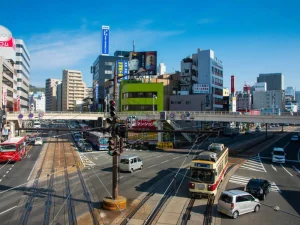 Japan is a year-round destination, with each season offering its own unique charm. Spring (March to May) is one of the most popular times to visit, thanks to the breathtaking cherry blossoms that blanket the country. Autumn (September to November) is another favorite, with vibrant fall foliage painting the landscapes in stunning shades of red, orange, and yellow. Summer (June to August) brings warm weather and lively festivals, but can be hot and humid, especially in cities. Winter (December to February) is perfect for those interested in skiing or snowboarding, particularly in regions like Hokkaido and the Japanese Alps.
Getting There: Flights and Transportation
Japan is well-connected to the rest of the world, with major airports in Tokyo (Narita and Haneda), Osaka (Kansai), and other cities. Many international airlines offer direct flights to these hubs. Once you arrive, Japan’s transportation network is highly efficient and user-friendly.
By Air
Tokyo’s Narita International Airport and Haneda Airport, as well as Osaka’s Kansai International Airport, are the primary entry points for international travelers. These airports are served by a wide range of airlines offering flights from all over the world. Domestic flights are also plentiful, making it easy to travel between regions within Japan.
By Train
Japan’s train system is renowned for its punctuality and convenience. The Shinkansen (bullet train) connects major cities and regions at high speeds. Purchasing a Japan Rail Pass (JR Pass) can be a cost-effective option if you plan to travel extensively by train. The pass allows unlimited travel on JR trains, buses, and ferries for a set period.
By Bus and Car
Long-distance buses are a budget-friendly alternative to trains, offering routes across the country. Renting a car can be a good option for exploring rural areas, but keep in mind that driving in Japan requires an International Driving Permit (IDP) and familiarity with local driving laws.
Major Cities and Regions
Tokyo: The Vibrant Capital
 Tokyo, Japan’s bustling capital, is a city where tradition meets futuristic innovation. It offers an array of attractions, from historic temples to neon-lit skyscrapers. Visit the iconic Tokyo Tower and the serene Meiji Shrine. Explore bustling districts like Shibuya and Shinjuku, known for their vibrant nightlife and shopping. Don’t miss Asakusa, home to the ancient Senso-ji Temple, and Akihabara, the mecca for anime and tech enthusiasts.
Kyoto: The Cultural Heart
Kyoto is the cultural and historical heart of Japan, renowned for its classical Buddhist temples, as well as its gardens, imperial palaces, Shinto shrines, and traditional wooden houses. Highlights include the golden Kinkaku-ji (Golden Pavilion), the expansive Fushimi Inari Shrine with its thousands of vermillion torii gates, and the peaceful Arashiyama Bamboo Grove. Kyoto is also famous for its traditional tea houses and geisha culture, best experienced in the Gion district.
Osaka: The Foodie’s Paradise
Osaka is Japan’s culinary capital, famous for its street food and lively atmosphere. Dotonbori is a must-visit area, with its bright neon signs and plethora of food stalls offering local delicacies like takoyaki (octopus balls) and okonomiyaki (savory pancakes). Visit the historic Osaka Castle and enjoy panoramic views from the Umeda Sky Building. Osaka is also a great base for day trips to nearby attractions like Nara and Kobe.
Hokkaido: The Nature Lover’s Dream
Hokkaido, Japan’s northernmost island, is a haven for nature enthusiasts. Known for its beautiful national parks, hot springs, and ski resorts, Hokkaido offers outdoor activities year-round. In winter, Niseko is a top destination for skiing and snowboarding. Summer is perfect for exploring the flower fields of Furano and hiking in the Daisetsuzan National Park. Don’t miss the Sapporo Snow Festival, held every February.
Okinawa: The Tropical Escape
Okinawa, a group of islands in the southernmost part of Japan, is known for its stunning beaches, clear blue waters, and unique Ryukyu culture. Enjoy snorkeling and diving in the coral reefs, relax on the white sandy beaches, and explore the historical sites like Shuri Castle. Okinawa’s distinct cuisine, influenced by its tropical climate and historical trade connections, is a must-try.
Hiroshima: A City of Peace
Hiroshima is a city with a poignant history and a message of peace. Visit the Hiroshima Peace Memorial Park and Museum to learn about the impact of the atomic bomb. The nearby island of Miyajima is home to the iconic floating torii gate of Itsukushima Shrine and offers beautiful hiking trails with scenic views.
Fukuoka: The Gateway to Kyushu
Fukuoka, located on Kyushu Island, is a vibrant city known for its ancient temples, beaches, and modern shopping malls. It’s famous for its yatai (street food stalls) offering local favorites like Hakata ramen. Fukuoka is also a great starting point for exploring the rest of Kyushu, including hot spring resorts like Beppu and the volcanic landscapes of Aso.
Cultural Experiences
Traditional Japanese Festivals
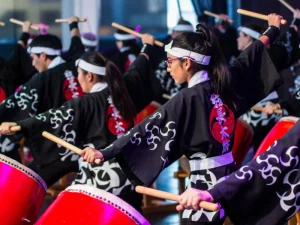 Japan’s rich cultural heritage is best experienced through its traditional festivals, known as matsuri. These vibrant events are held throughout the year and vary by region, each offering unique customs and celebrations.
Cherry Blossom Festivals
Spring in Japan is synonymous with cherry blossoms, or sakura. Hanami (flower viewing) parties are a cherished tradition where people gather under blooming cherry trees to celebrate the transient beauty of the blossoms. Popular spots include Ueno Park in Tokyo and Maruyama Park in Kyoto.
Summer Festivals
Summer brings a plethora of lively festivals, including Gion Matsuri in Kyoto and Tenjin Matsuri in Osaka. These festivals feature parades, traditional music, dance, and spectacular fireworks displays. The atmosphere is electric, with locals and tourists alike participating in the festivities.
New Year Celebrations
New Year, or Oshogatsu, is the most important holiday in Japan. Traditional activities include visiting shrines for Hatsumode (the first shrine visit of the year), enjoying special New Year’s foods like osechi ryori, and participating in various customs that symbolize good fortune and health for the coming year.
Tea Ceremony: The Art of Sado
The Japanese tea ceremony, or sado, is a ritualistic preparation and consumption of matcha (powdered green tea). It embodies principles of harmony, respect, purity, and tranquility. Participating in a tea ceremony, often held in traditional tea houses or temples, provides a serene and meditative cultural experience.
Martial Arts: Kendo, Judo, and Karate
Japan is the birthplace of several martial arts, each emphasizing discipline, respect, and physical fitness.
Kendo
Kendo, or “the way of the sword,” is a modern Japanese martial art that uses bamboo swords and protective armor. It’s rooted in samurai swordsmanship and is practiced widely in Japan.
Judo
Judo, meaning “the gentle way,” focuses on throws and grappling techniques. It’s not only a competitive sport but also a physical and mental training method.
Karate
Karate, “empty hand,” is known for its striking techniques. Okinawa, where Karate originated, offers numerous dojos where visitors can observe or participate in training sessions.
Japanese Cuisine
Japan’s culinary culture is world-renowned, offering a delightful range of flavors and dining experiences.
Sushi and Sashimi
Sushi and sashimi are perhaps Japan’s most famous culinary exports. Fresh, high-quality fish served with vinegared rice or simply as raw slices is a must-try. Visit Tsukiji or Toyosu Fish Market in Tokyo for an authentic sushi experience.
Ramen and Udon
Ramen, a savory noodle soup, comes in numerous regional varieties. Udon, thicker wheat noodles served hot or cold, is another staple. Both dishes are comforting and widely available.
Kaiseki Dining
Kaiseki is a traditional multi-course meal that emphasizes seasonality, presentation, and balance. It’s a luxurious dining experience often enjoyed at ryokan (traditional inns) or high-end restaurants.
| Dish/Experience | Description | Notable Highlights |
| Sushi and Sashimi | High-quality, fresh seafood served with vinegared rice (sushi) or as raw slices (sashimi). | Visit Tsukiji or Toyosu Fish Market in Tokyo for the freshest sushi. Common types include tuna, salmon, and uni (sea urchin). |
| Ramen and Udon | Ramen is a savory noodle soup with regional varieties like Tonkotsu (pork broth) and Shoyu (soy sauce). Udon, thicker wheat noodles, is versatile and served hot or cold. | Hokkaido’s miso ramen and Kyoto’s kitsune udon are popular regional specialties. Often paired with tempura or toppings like boiled eggs and pork slices. |
| Kaiseki Dining | A traditional multi-course meal showcasing seasonal ingredients, precise presentation, and a balance of textures and flavors. Kaiseki is an artful, luxurious experience usually reserved for special occasions. | Found in ryokan (traditional inns) or fine dining establishments. Courses often include sashimi, simmered dishes, and grilled fish, with meticulous plating to enhance the visual experience. |
Modern Japan
Technological Innovations
 Japan is renowned for its technological advancements, which permeate every aspect of daily life. Tokyo, in particular, is a hub of innovation. Here, you can explore futuristic neighborhoods like Odaiba, where you’ll find the National Museum of Emerging Science and Innovation (Miraikan). Akihabara, also known as Electric Town, is another must-visit for tech enthusiasts, offering everything from the latest gadgets to retro electronics.
Anime and Manga Culture
Japan is the birthplace of anime and manga, which have become global phenomena. Fans of these art forms will find a wealth of experiences throughout the country. Visit the Ghibli Museum in Mitaka to immerse yourself in the world of Studio Ghibli’s beloved films. In Tokyo, Akihabara and Ikebukuro are key districts for anime and manga, featuring numerous shops, themed cafes, and arcades. The annual Comiket event, held in Tokyo, is a massive gathering for manga and anime fans, showcasing a wide array of creative works.
Fashion and Harajuku Style
Tokyo is a fashion capital, and nowhere is this more evident than in the Harajuku district. Known for its quirky and eclectic fashion scene, Harajuku is a haven for trendsetters and fashion enthusiasts. Takeshita Street is the heart of Harajuku, lined with trendy boutiques, vintage shops, and unique cafes. For a glimpse of high-end fashion, visit the Omotesando area, often referred to as Tokyo’s Champs-Élysées, where luxury brands and cutting-edge designers have their flagship stores.
Gaming and Otaku Culture
Gaming is a significant part of modern Japanese culture, with arcades and gaming centers found throughout major cities. Shibuya’s VR Park Tokyo and Shinjuku’s Sega Joypolis are popular destinations for interactive gaming experiences. Japan is also home to numerous gaming companies, including Nintendo, Sony, and Sega. Fans can visit the Pokémon Center in Tokyo and Osaka, or the Square Enix Café, for themed merchandise and dining.
Pop Culture and Entertainment
Modern Japan’s pop culture extends beyond anime and gaming to include J-pop music, idol groups, and contemporary art. The district of Shibuya is a cultural hotspot, famous for the Shibuya Crossing and its vibrant nightlife. The district also hosts numerous live music venues and clubs where you can experience the latest in Japanese pop and rock music.
Architectural Wonders
Japan’s modern architecture is a testament to its innovation and creativity. Tokyo boasts an impressive skyline with structures like the Tokyo Skytree, the world’s tallest tower, and the iconic Tokyo Tower. In Osaka, the Umeda Sky Building offers a unique floating garden observatory with panoramic views of the city. The teamLab Borderless museum in Odaiba is a cutting-edge digital art space that immerses visitors in interactive light and sound displays.
Green Innovations
Despite its technological advancements, Japan is also a leader in green innovation. The country has embraced renewable energy sources and sustainable practices. For instance, the Eco Edo Nihonbashi in Tokyo is a festival promoting eco-friendly lifestyles, featuring green technology exhibitions and workshops on sustainability.
Experiencing modern Japan offers a fascinating glimpse into the country’s forward-thinking culture and technological prowess. From the vibrant anime and fashion scenes to cutting-edge architecture and green innovations, Japan seamlessly blends tradition with the future. As you prepare for your journey, it’s essential to be well-equipped with practical travel tips. In the next section, we’ll cover everything from navigating public transportation and understanding local customs to staying safe and healthy during your trip.
Practical Travel Tips
Navigating Public Transportation
 Japan’s public transportation system is one of the best in the world, known for its punctuality, cleanliness, and efficiency. Understanding how to navigate it can make your travel experience smoother and more enjoyable.
Trains and Subways
The train and subway networks in Japan are extensive, covering major cities and rural areas alike. The Japan Rail (JR) Pass is a great option for tourists planning to travel extensively by train. It offers unlimited travel on JR trains, including the Shinkansen (bullet train), for a set period. In cities like Tokyo and Osaka, subway lines are the most efficient way to get around. Purchase an IC card, such as Suica or Pasmo, for convenient travel on trains, subways, and buses.
Buses
Buses are a reliable and economical way to explore Japan, especially in rural areas not served by trains. In cities, buses complement the train and subway networks, reaching destinations not accessible by rail. Knowing the bus routes and stops can be handy, and many bus services now offer English information.
Taxis
Taxis are readily available in cities and can be a convenient option, especially late at night or in areas with less public transport. Note that taxis in Japan are known for their cleanliness and professionalism. Fares can be expensive, so it’s best to use them for shorter trips.
Etiquette and Customs
Japanese culture places a high value on politeness and respect. Familiarizing yourself with local etiquette can enhance your travel experience.
Greetings
Bowing is a common form of greeting in Japan. It’s a sign of respect and can range from a small nod to a deep bend at the waist. Handshakes are less common but acceptable in business contexts.
Shoes
Shoes are often removed when entering homes, traditional inns (ryokan), temples, and some restaurants. Look for designated areas to place your shoes and use the provided slippers.
Public Behavior
Quietness is valued in public spaces. Avoid talking loudly on public transport and be mindful of personal space. Littering is frowned upon; carry a small bag for your trash if you can’t find a bin.
Safety and Health Considerations
 Japan is one of the safest countries in the world, but it’s still important to take basic precautions.
Emergency Numbers
The emergency number for police is 110, and for fire and ambulance services, it’s 119. It’s useful to have these numbers handy.
Medical Care
Healthcare in Japan is of high quality. Many hospitals and clinics have English-speaking staff. It’s advisable to have travel insurance that covers medical expenses. Carrying a basic first-aid kit with medications for common ailments is also a good idea.
Packing Tips
Packing wisely can make your trip more comfortable and stress-free.
Weather-Appropriate Clothing
Japan’s climate varies significantly by region and season. Check the weather forecast for your travel dates and pack accordingly. Layers are a good option for dealing with varying temperatures.
Essentials
Include comfortable walking shoes, as you’ll likely be doing a lot of exploring on foot. Bring a small, portable umbrella for sudden showers, and don’t forget a power adapter for your electronics.
- What is the best time of year to visit Japan?
Japan is a year-round destination, with each season offering unique experiences. Spring (March to May) is popular for cherry blossoms, while autumn (September to November) showcases vibrant foliage. Winter (December to February) is ideal for skiing, and summer (June to August) features lively festivals and tropical beaches. - How do I get around Japan efficiently?
Japan has an excellent public transportation system, including the Shinkansen (bullet train), subways, and buses. The Japan Rail Pass is a cost-effective option for unlimited train travel. IC cards like Suica or Pasmo can be used for subways, trains, and buses in major cities. - What cultural etiquettes should I be aware of in Japan?
Politeness and respect are highly valued. Common practices include bowing as a greeting, removing shoes before entering homes and traditional establishments, and maintaining silence on public transport. Familiarizing yourself with these customs can enhance your travel experience. - What are the must-visit destinations in Japan?
Some top destinations include Tokyo for its modern and traditional blend, Kyoto for its historic temples and geisha culture, Osaka for its vibrant food scene, Hokkaido for nature and skiing, and Okinawa for tropical beaches and unique culture.
Frequently Asked Questions (FAQs) About Traveling to Japan
What is the best time of year to visit Japan?
Japan is a year-round destination, with each season offering unique experiences. Spring (March to May) is ideal for cherry blossoms, while autumn (September to November) showcases stunning fall foliage. Winter (December to February) is perfect for skiing in regions like Hokkaido, and summer (June to August) features lively festivals and tropical beaches in Okinawa.
How do I get around Japan efficiently?
Japan has one of the world’s best transportation systems, with the Shinkansen (bullet train), subways, buses, and local trains connecting major destinations. A Japan Rail Pass (JR Pass) is a cost-effective option for unlimited train travel across the country. For city travel, IC cards like Suica and Pasmo can be used for trains, buses, and even convenience stores.
What cultural etiquettes should I be aware of in Japan?
Respect and politeness are key in Japanese culture. Bowing is a common greeting, removing shoes before entering homes and traditional establishments is expected, and maintaining silence on public transport is appreciated. Additionally, tipping is not customary, and it’s polite to say “Itadakimasu” before eating and “Gochisousama deshita” after finishing a meal.
Conclusion
Japan, often referred to as the Land of the Rising Sun, is a captivating country where ancient traditions blend seamlessly with modern innovation. This archipelago, consisting of over 6,800 islands, offers an unparalleled diversity of experiences, making it a dream destination for travelers worldwide. Whether you’re drawn to its bustling cities, serene temples, or breathtaking natural landscapes, Japan promises an unforgettable journey.
Exploring Japan is like stepping into a world where every corner tells a story. From the vibrant streets of Tokyo, the cultural heart of Kyoto, and the culinary delights of Osaka, to the natural splendors of Hokkaido and Okinawa, the country offers a unique blend of experiences. Embracing the local culture, understanding the etiquette, and diving into the modern marvels all contribute to an enriching travel experience. As you prepare for your adventure, let this guide be your companion, offering insights and practical tips to ensure your journey through Japan is both enjoyable and memorable. So pack your bags, brush up on a few Japanese phrases, and get ready to create lifelong memories in this extraordinary land.