The Philippines, with its rich tapestry of traditions and cultures, boasts a calendar brimming with vibrant festivals. Among these, Kadayawan Festival stands out as a unique celebration of gratitude, showcasing the heart and soul of Davao City. Known as the “Festival of Festivals,” Kadayawan embodies the harmony of nature, culture, and the people of Mindanao. For anyone eager to explore Philippine festivals, this event is a must-see.
The Origins of Kadayawan Festival
 Kadayawan traces its roots to an ancient thanksgiving tradition of the indigenous tribes in Davao. Derived from the Mandaya word “madayaw,” which means “good” or “beautiful,” the festival originally revolved around giving thanks for a bountiful harvest. This thanksgiving involved rituals, offerings, and dances performed by the lumad (indigenous peoples) and Moro communities.
In the 1980s, the local government formalized these celebrations into what we now know as Kadayawan. It became an annual festival held every August, designed to unite the diverse cultures of Davao and showcase the region’s abundant natural resources.
The Spirit of Gratitude
Kadayawan is more than just a festival; it is a profound expression of gratitude. Farmers, fisherfolk, and artisans take center stage, presenting their harvests, crafts, and products as offerings of thanks. The festival also honors the “Manama” (the Supreme Being) and “Bulol” (spirits of the harvest) in traditional rituals, blending ancient customs with modern festivity.
This underlying gratitude sets Kadayawan apart from other Philippine festivals, making it a meaningful cultural experience rather than just a spectacle.
Highlights of the Kadayawan Festival
1. Indak-Indak sa Kadayawan (Street Dancing)
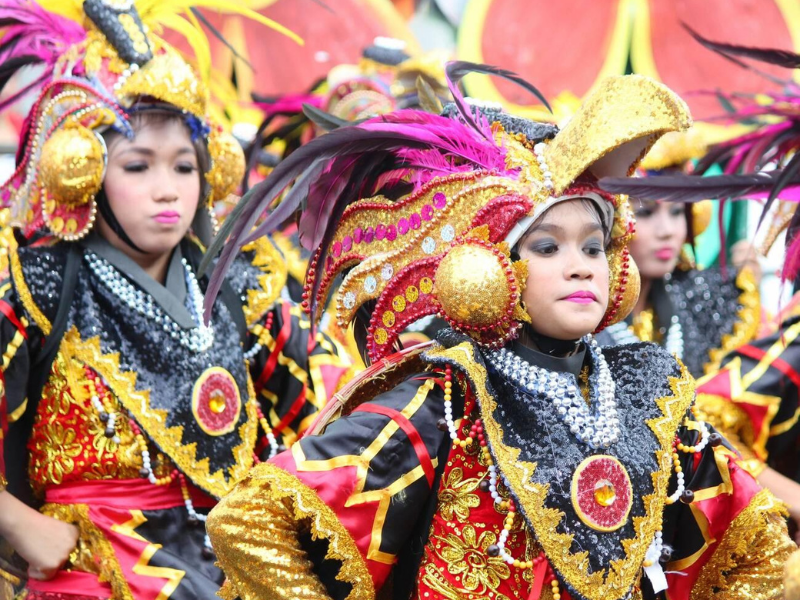
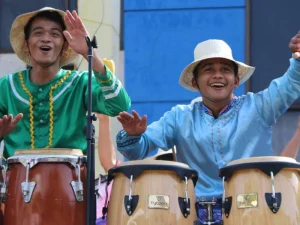
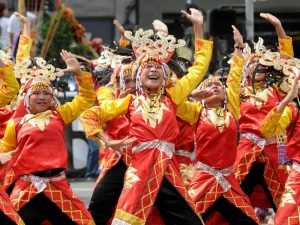
The pulsating rhythm of drums and ethnic music fills the air as Davao’s streets transform into a stage for Indak-Indak sa Kadayawan, the iconic street dancing competition. Participants from different tribes and communities perform synchronized dances that depict their heritage, myths, and the connection between humans and nature.
Elaborate costumes adorned with vibrant patterns, feathers, and beads bring the performers to life, reflecting their rich cultural identity. For spectators, it’s a mesmerizing spectacle of movement and storytelling.
2. Pamulak sa Kadayawan (Floral Float Parade)
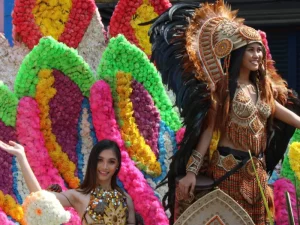 Known for its fertile lands, Davao is home to lush gardens and vibrant blooms. The Pamulak sa Kadayawan showcases this natural wealth through a grand parade of floral floats. Adorned with fresh flowers, fruits, and vegetables, the floats wind through the city streets, each designed to represent a theme of abundance and harmony.
The artistry and creativity on display are breathtaking, making this event one of the festival’s main highlights.
3. Hiyas sa Kadayawan (Cultural Pageant)
The Hiyas sa Kadayawan pageant celebrates the women of Davao’s 11 recognized tribes. Unlike typical beauty contests, this event emphasizes cultural knowledge, advocacy, and heritage. Contestants represent their respective tribes and share their traditions, wisdom, and values.
Through this pageant, the festival uplifts the voices of indigenous and Moro women, highlighting their crucial role in preserving their culture and communities.
4. T’nalak and Tribal Village Experience
A visit to the Kadayawan Tribal Village is like stepping into a living museum. Here, visitors can explore traditional houses, crafts, and performances of Davao’s 11 tribes. From weaving demonstrations of the famous T’nalak fabric to tasting authentic tribal delicacies, this immersive experience deepens one’s understanding of the region’s cultural diversity.
5. Sayaw Mindanaw (Dance Competition)
Another crowd favorite is the Sayaw Mindanaw, a dance competition that showcases traditional and modern choreography inspired by Mindanaoan culture. The vibrant performances are a testament to how ancient traditions continue to inspire creativity and artistry.
Why You Should See Kadayawan
1. A Celebration of Unity in Diversity
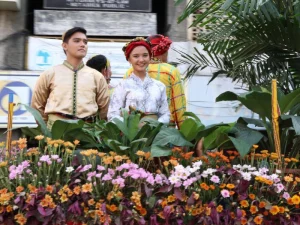 Davao City is home to 11 recognized tribes, including the Ata, Matigsalog, and Bagobo-Tagabawa. Kadayawan is a celebration that unites these diverse groups, fostering mutual respect and understanding. As visitors, witnessing this unity is a rare and inspiring experience.
2. Authentic Cultural Immersion
Unlike festivals that have become overly commercialized, Kadayawan remains deeply rooted in its cultural significance. The festival offers authentic interactions with indigenous tribes, allowing visitors to learn about their unique traditions, arts, and languages.
3. Davao’s Abundant Bounty
Davao is known as the “Fruit Basket of the Philippines,” and Kadayawan is the perfect time to savor its offerings. Durian, pomelo, mangosteen, and marang are in season, and street markets overflow with these exotic fruits. The festival also highlights Davao’s thriving agricultural industry, from cacao to bananas.
4. Stunning Visuals
From the intricate tribal costumes of the dancers to the dazzling floats adorned with fresh flowers, Kadayawan is a feast for the eyes. Photographers and travel enthusiasts will find endless opportunities to capture the vibrancy and beauty of the festival.
5. A Gateway to Davao’s Attractions
Attending Kadayawan is also an opportunity to explore the natural wonders of Davao. From the towering Mount Apo, the country’s highest peak, to the pristine beaches of Samal Island, Davao offers a plethora of attractions that perfectly complement the festival experience.
Planning Your Visit
When to Go
 Kadayawan typically takes place in the third week of August. It’s advisable to book accommodations and flights well in advance, as the festival attracts visitors from all over the world.
What to Bring
Comfortable clothing, a good pair of walking shoes, and a camera are essentials for navigating the lively streets of Davao during the festival. Don’t forget to pack sunscreen and a reusable water bottle to stay hydrated.
How to Participate
To make the most of your Kadayawan experience, join guided tours that offer insights into the festival’s history and events. You can also visit the Tribal Village to interact directly with the communities that make this celebration so special.
Beyond the Festival: Exploring Davao
Food and Delicacies
No trip to Davao is complete without tasting its famous durian. Dubbed the “king of fruits,” this polarizing delicacy is a must-try for adventurous eaters. For something milder, indulge in local treats like durian candy, marang, or Davao chocolate.
Nature and Wildlife
Davao is a haven for nature lovers. The Philippine Eagle Center, dedicated to the conservation of the critically endangered Philippine eagle, is a must-visit. Meanwhile, the Eden Nature Park offers stunning views and outdoor activities.
Cultural Sites
For a deeper understanding of Davao’s heritage, visit Museo Dabawenyo, which houses artifacts, photographs, and exhibits celebrating the region’s history and culture.
What Makes Kadayawan Unique Among Philippine Festivals?
While many Philippine festivals celebrate religious traditions or historical milestones, Kadayawan is distinctly focused on gratitude for nature and cultural harmony. It’s a festival that not only entertains but also educates and inspires visitors to appreciate the value of diversity and sustainability.
The combination of indigenous rituals, modern parades, and cultural showcases creates a dynamic experience that reflects the spirit of Mindanao. Kadayawan’s emphasis on environmental stewardship and community resilience is a timely reminder of the importance of preserving traditions in the face of modern challenges.
| Category | Details |
| Significance | A celebration of gratitude for a bountiful harvest and cultural harmony |
| Location | Davao City, Philippines |
| Main Highlights | Street dancing, floral float parade, cultural pageant, tribal village experience, and dance competitions |
| Best Time to Visit | Third week of August |
FAQs for the Kadayawan Festival
Conclusion
For travelers seeking an unforgettable cultural experience, Kadayawan Festival is the perfect introduction to the vibrant world of Philippine festivals. From its heartfelt celebrations of gratitude to its dazzling visual displays, Kadayawan offers a glimpse into the rich heritage of Davao and the warmth of its people. Whether you’re a culture enthusiast, a food lover, or an adventure seeker, Kadayawan promises a journey of discovery and joy. Make sure to mark your calendar and immerse yourself in this celebration of harvest and harmony!