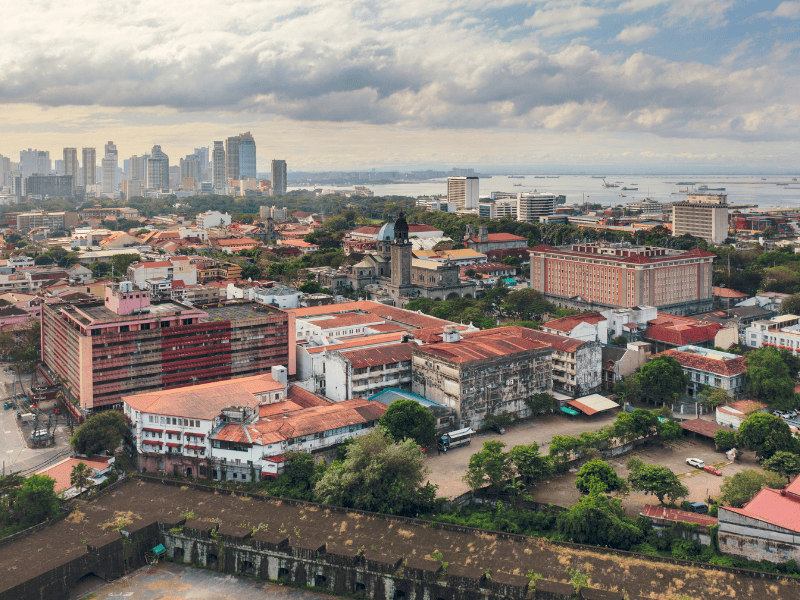
Last Updated April 15, 2026 – Museums, like the museums in Intramuros, hold a very important place in different places and societies. By housing artifacts, documents, and works of art, they protect valuable pieces of history that might otherwise be lost to time.
Key Takeaways
- Intramuros museums help preserve Philippine history while making it easier for visitors to learn through real objects, spaces, and stories.
- Casa Manila gives readers a clear picture of upper-class Filipino life during the Spanish colonial period.
- San Agustin Museum adds strong heritage value because it is tied to one of the Philippines’ best-known historic church sites.
- Bahay Tsinoy shows how Chinese Filipinos helped shape the country’s culture, trade, and identity.
- Fort Santiago Museum makes the article more emotionally grounded by linking Intramuros to José Rizal’s life, imprisonment, and legacy.
The Importance of Museums: Preserving History and Culture
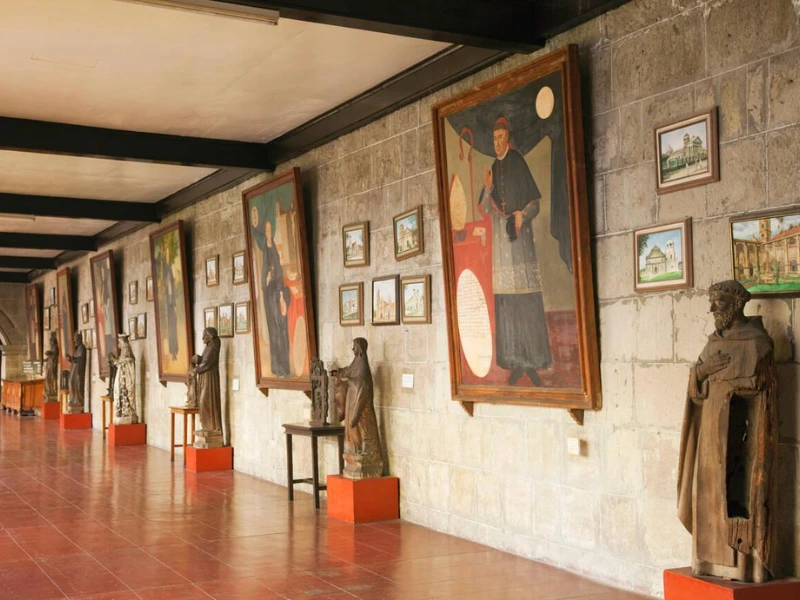 In addition to preservation, museums are powerful educational resources. They provide interactive and visual learning experiences, offering deeper insights into various subjects such as history, science, and art.
Whether through exhibits, guided tours, or educational programs, museums help visitors connect with complex topics in a tangible way. This makes them crucial for schools, researchers, and the general public who seek to broaden their knowledge in a more engaging environment than traditional learning methods.
Lastly, museums contribute significantly to the economy, especially through tourism. They are major attractions that draw visitors from all over the world. Tourists often spend money on museum visits, and their presence supports local businesses such as restaurants, hotels, and shops.
Intramuros, the historic walled city of Manila, is home to several museums that reflect the Philippines’ rich cultural past. Exploring these museums is a great way to immerse yourself in the country’s colonial history.
Best Museums to Visit in Intramuros
Casa Manila Museum
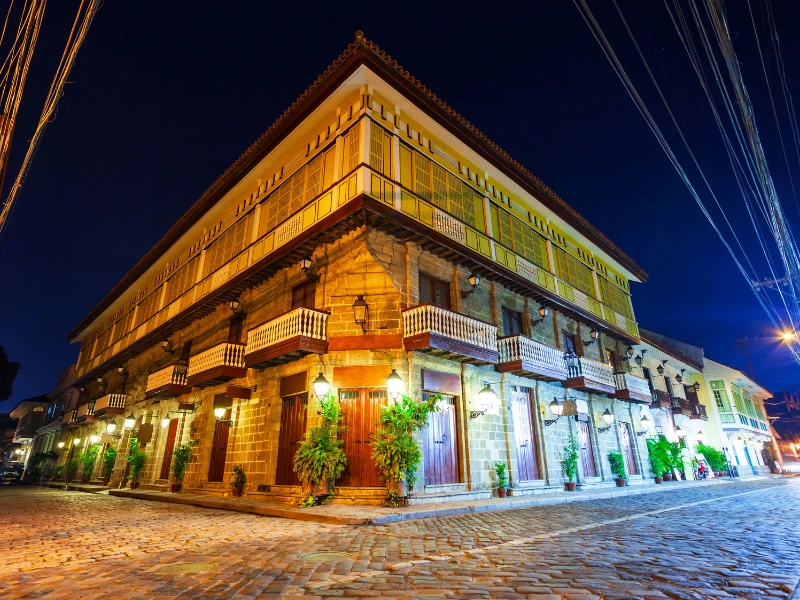 Casa Manila Museum offers a glimpse into 19th-century Filipino life. It features antique furniture and decor from the Spanish colonial period, giving visitors a taste of aristocratic living.
The museum is set up like a traditional home, showcasing how upper-class Filipinos lived under Spanish rule. From its intricate woodwork to vintage household items, this museum transports visitors back in time.
San Agustin Museum
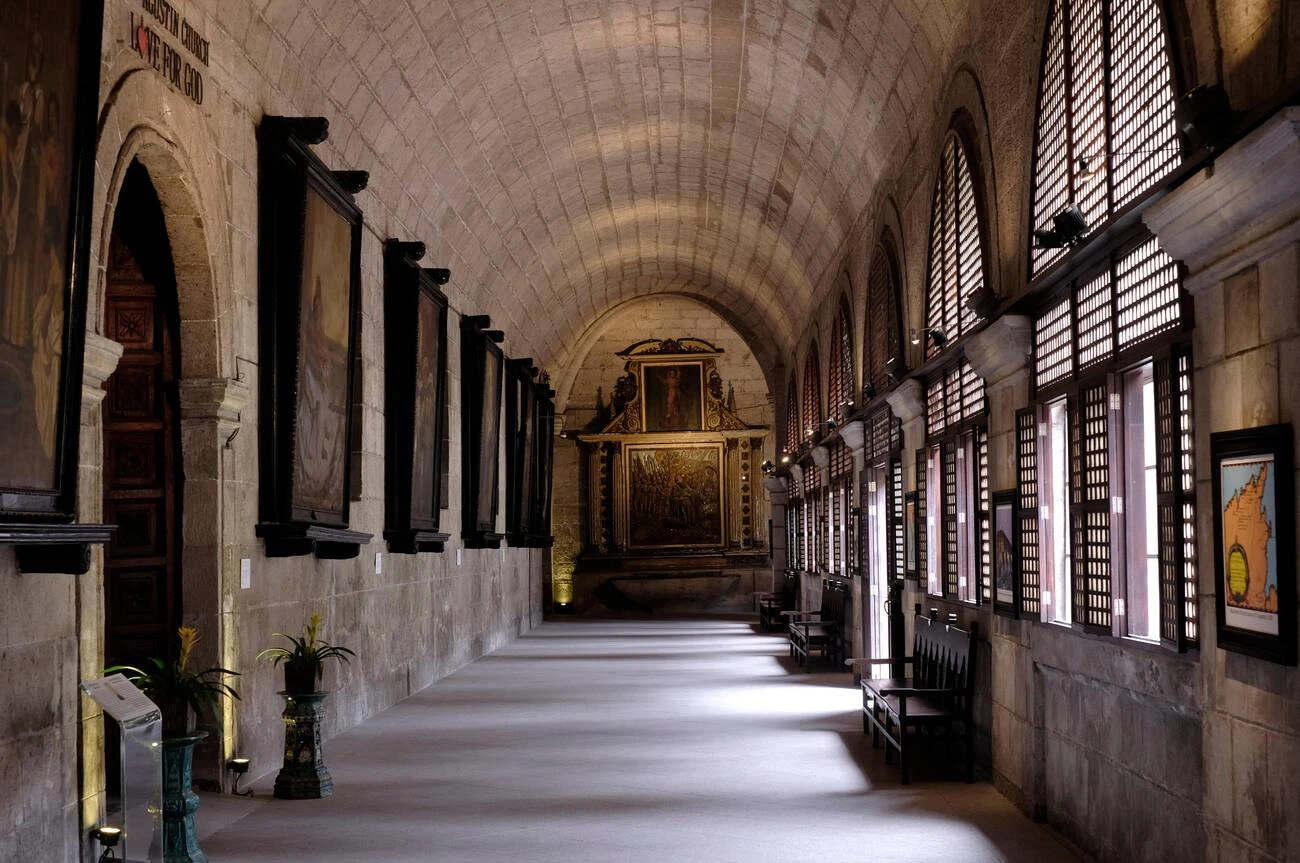
The San Agustin Museum, located within the UNESCO-recognized San Agustin Church, holds religious artifacts and artwork. Visitors can explore centuries-old relics that showcase the deep-rooted Catholic faith of Filipinos.
This museum also displays sacred objects used by Spanish friars and church leaders during the colonial era. Its collection of ancient manuscripts and ecclesiastical vestments is both fascinating and historically significant.
Bahay Tsinoy
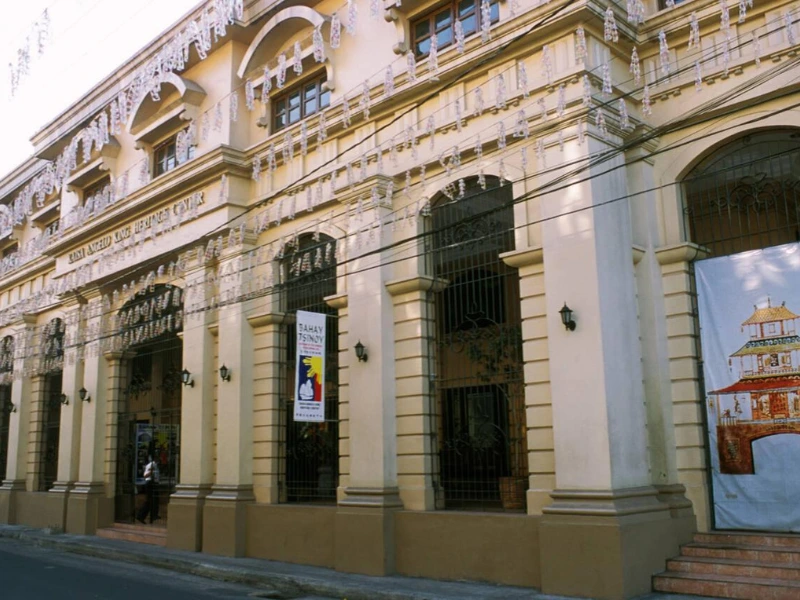 At Bahay Tsinoy, learn about the contributions of Chinese Filipinos throughout history. This museum celebrates the rich influence of the Chinese community in Philippine society.
From trade relations to cultural exchanges, the exhibits highlight how Chinese immigrants shaped the Philippines’ economic and cultural landscape. The museum also includes dioramas and artifacts that showcase traditional Chinese customs and their integration into Filipino life.
Museo de Intramuros
The Museo de Intramuros houses a collection of religious art and artifacts from the colonial period. It’s perfect for those interested in how the church shaped Filipino culture.
The museum’s exhibits feature intricately carved santos (saints’ statues), religious paintings, and vestments from the Spanish colonial era. Visitors can appreciate the craftsmanship and artistry that went into creating these sacred objects.
Fort Santiago Museum
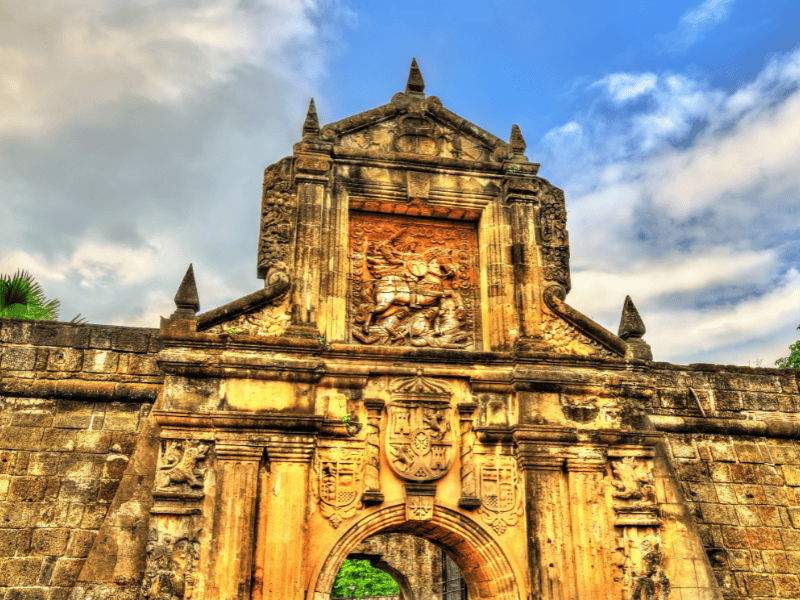 Fort Santiago Museum commemorates national hero José Rizal, featuring memorabilia from his life. Its location inside the iconic fort adds historical significance to the visit.
The museum displays personal items Rizal used while imprisoned, including manuscripts and clothing. Walking through the fort’s grounds, visitors can trace Rizal’s final steps before his execution, a poignant reminder of his sacrifice for Philippine independence.
NCCA Gallery
For a modern twist, visit the NCCA Gallery, which hosts contemporary Filipino art. The gallery blends traditional and modern culture in a dynamic space. Its rotating exhibits showcase works from both emerging and established Filipino artists, providing a platform for creative expression.
Visitors can enjoy a mix of visual art, sculpture, and multimedia pieces that reflect the evolving cultural landscape of the Philippines.
Frequently Asked Questions
1. What is the significance of museums in Intramuros?
Museums in Intramuros play a crucial role in preserving the rich cultural heritage of the Philippines. They house artifacts, artworks, and historical documents from the Spanish colonial period and beyond, providing visitors with an immersive look into the nation’s history.
2. Which museum in Intramuros offers insight into José Rizal’s life?
The Fort Santiago Museum offers a deep look into the life of José Rizal, the national hero of the Philippines. The museum features personal memorabilia, manuscripts, and clothing used by Rizal during his imprisonment, making it a significant historical site.
3. Are there museums in Intramuros dedicated to specific communities or cultural influences?
Yes, Bahay Tsinoy is dedicated to highlighting the influence of the Chinese-Filipino community throughout history. The museum features exhibits showcasing the contributions of Chinese immigrants to Philippine culture, economy, and society.
4. How do the museums in Intramuros contribute to tourism and the local economy?
Museums in Intramuros attract tourists from around the world, boosting the local economy by generating income for nearby businesses such as restaurants, hotels, and shops. These museums serve as major cultural attractions, making them essential for both cultural preservation and economic development.
Conclusion
 In conclusion, the museums in Intramuros serve as vital custodians of the Philippines’ rich cultural heritage, offering visitors an immersive journey through the country’s colonial past. From the elegant displays at Casa Manila Museum to the religious treasures at San Agustin Museum, these institutions preserve invaluable artifacts that tell the story of the nation’s history. Bahay Tsinoy and Museo de Intramuros further highlight the influences of both Chinese immigrants and the Catholic Church, revealing the diverse cultural threads that shaped Filipino identity. Fort Santiago Museum, with its homage to José Rizal, and the contemporary works showcased at the NCCA Gallery, provide visitors with a mix of both historical and modern experiences.
These museums are not just educational, but they also contribute to the cultural enrichment and economic vitality of the region. By visiting these landmarks, tourists support the local economy while gaining a deeper appreciation for the Philippines’ heritage. Exploring Intramuros’ museums offers a profound connection to the past, bridging the gap between the old and the new, while celebrating the nation’s enduring legacy. Whether you are a history enthusiast or an art lover, Intramuros’ museums provide a meaningful way to experience the story of the Philippines.
References
- International Council of Museums. (2022, August 24). Museum definition. https://icom.museum/en/resources/standards-guidelines/museum-definition/
- Intramuros Administration. (n.d.). Welcome to Casa Manila! https://intramuros.gov.ph/cmm/
- UNESCO World Heritage Centre. (n.d.). Baroque Churches of the Philippines. https://whc.unesco.org/en/list/677/
- Kaisa Para Sa Kaunlaran. (n.d.). Cultural/ educational work. https://www.kaisa.org.ph/?page_id=40
- Intramuros Administration. (n.d.). Museo ni Rizal. https://intramuros.gov.ph/mnr/