Get ready to dive into the vibrant world of Japanese festivals, where ancient traditions blend seamlessly with modern celebrations. From the serene beauty of cherry blossom festivals to the electrifying energy of summer matsuris, Japanese festivals offer a unique contrast of tranquility and excitement. Experience the mesmerizing sights, sounds, and flavors that define these cultural extravaganzas, immersing yourself in a tapestry of history and innovation. Discover how these festivals honor Japan’s rich heritage while embracing contemporary influences, creating an unforgettable experience for locals and visitors alike.
Importance of Japanese Festivals
Cultural Significance
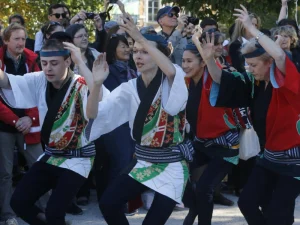 Japanese festivals hold deep cultural significance, reflecting traditions passed down for generations. They celebrate harvests, seasons, and historical events.
These festivals showcase traditional arts, such as dance, music, and theater, preserving Japan’s rich cultural heritage. They also promote community bonding and unity.
Historical Background
Dating back centuries, Japanese festivals have evolved from Shinto rituals to vibrant celebrations. The roots lie in ancient beliefs and practices honoring nature and ancestors.
Over time, these festivals integrated elements from Buddhism and other influences, shaping the diverse array of celebrations seen today. Each festival carries a unique historical narrative.
Community Spirit
Japanese festivals foster a strong sense of community spirit, bringing people together to partake in festivities. They strengthen social ties and create lasting memories.
Communities actively participate in organizing and hosting these events, promoting cooperation and solidarity among residents. Festivals serve as platforms for shared experiences and mutual support.
Top Traditional Festivals
Gion Matsuri
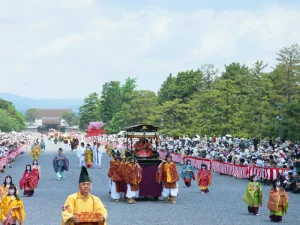 Gion Matsuri is a renowned festival in Kyoto, held in July to pray for good fortune. The highlight is the grand procession of floats showcasing intricate craftsmanship and ancient traditions. This festival dates back to the ninth century, offering a glimpse into Japan’s rich cultural heritage.
The festival spans the entire month of July, with the main procession known as Yamaboko Junko occurring on July 17th. During this event, locals and tourists alike gather to witness the majestic floats parading through the streets of Kyoto. Traditional music and dancers clad in vibrant costumes further enhance the festive atmosphere.
Aoi Matsuri
Aoi Matsuri, held annually on May 15th in Kyoto, celebrates the ancient customs of the Heian period. The festival features a grand procession that includes participants dressed in Heian-era attire. This event symbolizes prayers for a bountiful harvest and prosperity for the city.
Participants in the procession wear traditional costumes, including elaborate kimonos and headdresses adorned with hollyhock leaves. The highlight of Aoi Matsuri is the empress’s carriage, pulled by oxen, adding a regal touch to the event.
Nebuta Matsuri
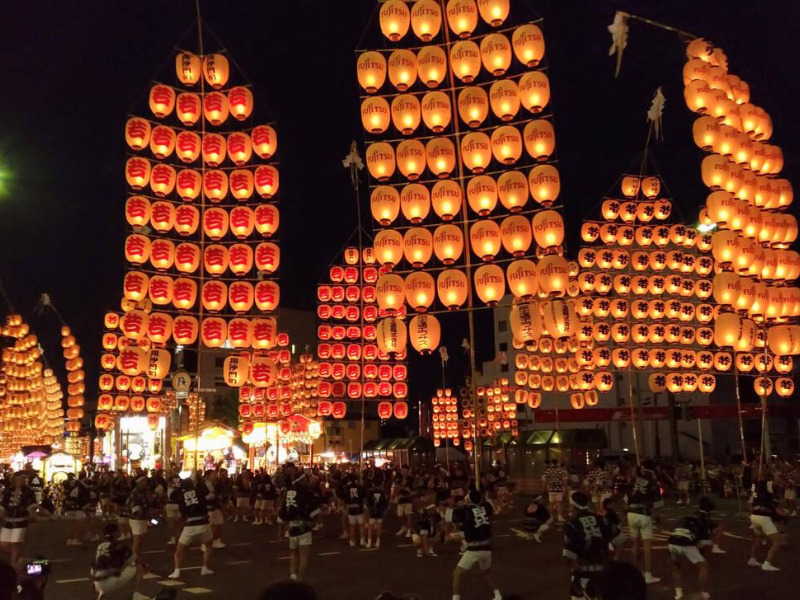
The Nebuta Matsuri in Aomori Prefecture is a vibrant summer festival held from August 2nd to 7th. The festival showcases enormous illuminated paper lanterns depicting various mythical figures and historical characters. Visitors can marvel at these intricately designed lanterns parading through the streets.
During Nebuta Matsuri, participants engage in energetic dances accompanied by traditional music, creating a lively and dynamic atmosphere. The festival culminates in a spectacular display of fireworks lighting up the night sky, captivating spectators with its beauty.
Kanda Matsuri
Kanda Matsuri is a lively festival in Tokyo dedicated to Kanda Myojin Shrine’s deity. Held biennially in mid-May, this event features processions of portable shrines called mikoshi, carried by enthusiastic participants. The festival blends ancient rituals with modern celebrations, attracting crowds from all over Japan.
Participants dressed in colorful attire carry the mikoshi through the streets, accompanied by traditional music and dance performances. The vibrant energy of Kanda Matsuri reflects Tokyo’s dynamic culture and deep-rooted traditions.
| Festival Name | Location | Date | Key Highlights |
| Gion Matsuri | Kyoto | Entire month of July, with the main event on July 17th | Grand Yamaboko Junko procession with towering floats, traditional music, and elaborate costumes. A major cultural event dating back to the 9th century. |
| Aoi Matsuri | Kyoto | May 15th | Features a regal Heian-era procession, with participants in elaborate kimonos and a grand ox-drawn carriage. A celebration of Kyoto’s aristocratic history. |
| Nebuta Matsuri | Aomori Prefecture | August 2nd – 7th | Showcases massive illuminated paper lanterns depicting mythical figures, accompanied by energetic dances and traditional music. Ends with spectacular fireworks. |
| Kanda Matsuri | Tokyo | Mid-May (Biennial) | Features portable shrines (mikoshi) carried through Tokyo’s streets, blending ancient rituals with modern celebrations. One of the most significant festivals in Tokyo. |
Unique Festival Features
Traditional Attire
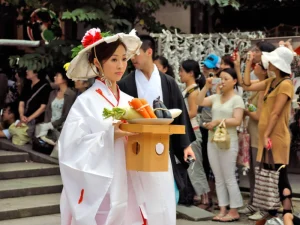 Attendees at Japanese festivals often wear colorful kimonos or yukatas, traditional garments that symbolize cultural heritage. These outfits vary based on the festival’s theme and the region’s customs. The intricate designs and vibrant colors of these attires add to the festive ambiance.
Embracing tradition, participants meticulously select their attire, paying attention to every detail from the fabric pattern to the accessories. The attire not only showcases Japan’s rich history but also fosters a sense of unity among attendees.
Food and Drinks
Japanese festivals offer a wide array of delicious street foods such as takoyaki, yakisoba, and taiyaki. These savory and sweet treats tantalize taste buds and provide a culinary adventure for visitors. Vendors line the festival streets, showcasing their culinary skills and offering authentic Japanese flavors.
From savory skewers to sweet desserts, festival-goers can indulge in a gastronomic journey while exploring the vibrant stalls. The aroma of sizzling dishes fills the air, creating an enticing atmosphere for food enthusiasts.
Music and Dance
Festivals in Japan feature captivating performances of traditional music and dance forms like taiko drumming and bon odori. These lively displays entertain the crowds and embody Japan’s artistic heritage. The rhythmic beats and graceful movements mesmerize spectators, transporting them to a world of cultural celebration.
The energetic performances engage attendees of all ages, encouraging them to join in the festivities. The combination of music and dance creates a dynamic atmosphere filled with joy and excitement.
Rituals and Ceremonies
Japanese festivals are steeped in ancient rituals and ceremonial practices that hold deep spiritual significance. From purification ceremonies to processions honoring deities, these rituals connect participants to their cultural roots. Each ritual is meticulously performed, preserving centuries-old traditions for future generations.
Participants actively engage in these ceremonies, following age-old customs passed down through generations. The rituals serve as a link between the past and present, fostering a sense of reverence and community among festival-goers.
Practical Tips for Travelers
Best Times to Visit
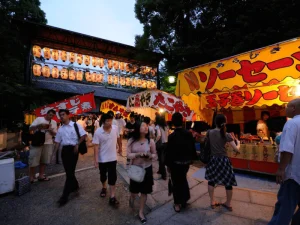 When planning your trip to experience Japanese festivals, consider visiting during the spring cherry blossom season. This period, usually from late March to early April, offers a stunning backdrop of pink blossoms. autumn is another great time to witness vibrant foliage and festivals across the country.
Navigating Festival Crowds
To navigate through the bustling festival crowds in Japan, arrive early to secure a good viewing spot. Plan ahead and familiarize yourself with the festival map to locate key areas like food stalls and performance stages. Stay patient and respectful of others around you.
Local Etiquette
Respect local customs by bowing when greeting people and removing your shoes before entering homes or certain establishments. Avoid loud conversations or disruptive behavior during solemn festival ceremonies. Embrace the culture by trying traditional foods and participating in activities with enthusiasm.
Essential Packing Tips
Pack light but include essentials like comfortable shoes for walking long distances at festivals. Carry a portable fan or cooling towel for hot summer events. Don’t forget to bring cash as some vendors may not accept credit cards. Stay hydrated and be prepared for varying weather conditions.
FAQs About Experiencing Japanese Festivals
What are the most famous festivals in Japan?
Some of Japan’s most renowned festivals include Gion Matsuri in Kyoto, known for its grand float procession, Nebuta Matsuri in Aomori, featuring massive illuminated lanterns, and Fushimi Inari Shrine’s New Year celebrations, where thousands gather for blessings.
What traditional foods can I try at Japanese festivals?
Japanese festivals are a food lover’s paradise, offering delicacies such as takoyaki (octopus balls), yakisoba (stir-fried noodles), taiyaki (fish-shaped pastries filled with red bean paste), and kakigori (shaved ice with syrup).
What is the best time of year to visit Japan for festivals?
Spring (March–April) is perfect for cherry blossom festivals, while summer (June–August) hosts matsuri like Gion Matsuri and Nebuta Matsuri. Autumn (September–November) showcases breathtaking foliage and cultural events, while winter features dazzling illumination festivals.
What should I wear to a Japanese festival?
Many festival-goers wear yukata (a casual summer kimono) during warm seasons, while traditional kimono are worn for more formal events. Comfortable shoes are essential, as festivals often involve a lot of walking and standing.
Final Remarks
Japanese festivals are not just events; they are vibrant tapestries woven with tradition, culture, and community spirit. As you dive into the world of these festivals, you uncover a treasure trove of experiences that go beyond mere celebration. The top festivals highlighted here offer a glimpse into Japan’s soul, each unique feature adding a splash of color to your travel palette.
Immerse yourself in the pulsating energy of Japanese festivals, savoring the blend of history and modernity that defines each celebration. Let these traditions spark your curiosity and beckon you to explore the rich tapestry of Japanese culture further. Pack your bags, set out on an adventure, and let the beating heart of Japan’s festivals captivate your senses.