Thinking of spending a month in Chiang Mai, Thailand? If you’re seeking adventure, relaxation, or cultural immersion, Chiang Mai has something for everyone. Situated in the lush mountains of Northern Thailand, this city offers a blend of historical significance, vibrant culture, and friendly locals.
Let’s explore what you can expect from your stay, along with practical tips to guarantee you have an unforgettable experience.
1. Immerse Yourself in Rich Culture and History

One of the first things that strikes you when you arrive in Chiang Mai is its rich history. Founded in 1296, Chiang Mai was once the capital of the Lanna Kingdom and is dotted with historical landmarks and ancient temples. With over 300 temples in the area, exploring them is a must.
Temples to Visit:
- Wat Phra That Doi Suthep: Located about 15 km from the city, this iconic temple is a pilgrimage site for many. The climb up the 306 steps, adorned with intricate Naga (serpent) statues, is worth every effort, offering breathtaking views of the city below. Don’t forget to arrive early in the morning to witness the monks’ chanting—a truly spiritual experience.
- Wat Chedi Luang: In the heart of the Old City, this temple houses a massive chedi that was once the tallest structure in ancient Chiang Mai. Take some time to wander around the grounds and appreciate the intricate details of the architecture.
- Wat Phra Singh: Famous for its stunning Lanna architecture and beautiful Buddha images, this temple is a peaceful retreat in the city. Visit during the evening when the temple is beautifully lit, and enjoy a quiet moment of reflection.
Practical Tip: Dress respectfully when visiting temples—this typically means wearing clothing that covers your shoulders and knees. It’s also a good idea to remove your shoes before entering temple buildings.
| Temple | Address | Opening Days & Hours | Entrance Fee | Pro-Tip for Tourists |
|---|---|---|---|---|
| Wat Phra That Doi Suthep | Doi Suthep Mountain, Chiang Mai | Daily, 6:00 AM – 6:00 PM | 50 THB (~$1.40 USD) | Arrive early to avoid crowds and witness the monks’ morning chanting for a spiritual experience. Modest dress is required. |
| Wat Chedi Luang | Phrapokklao Rd, Old City, Chiang Mai | Daily, 6:00 AM – 6:00 PM | 50 THB (~$1.40 USD) | Visit in the late afternoon for cooler temperatures and a peaceful atmosphere. Don’t miss the ‘Monk Chat’ program for insights into Buddhist life. |
| Wat Phra Singh | Samlarn Rd, Phra Singh, Chiang Mai | Daily, 6:00 AM – 5:00 PM | 40 THB (~$1.10 USD) | Visit in the evening when the temple is beautifully illuminated, making for a serene and picturesque experience. |
Note: Temple opening hours and entrance fees may change without notice. Modest attire (covering shoulders and knees) is required for entry. Always check with official sources or locals for updated information before visiting. The THB to USD conversion is based on an exchange rate of 1 THB ≈ 0.03 USD, which may fluctuate. Always check the latest exchange rates before making reservations.
2. Living Costs That Make Sense
One of the most appealing aspects of Chiang Mai is its affordability. You can enjoy a comfortable lifestyle without breaking the bank. Here’s a breakdown of what to expect in terms of living costs:
Accommodation:
- Long-term rentals: You can find apartments ranging from THB 10,000 to THB 15,000 (approximately $300 to $450) per month. Websites like Airbnb, Thai Apartment, and Facebook Marketplace are great resources for finding accommodations.
- Guesthouses and hostels: If you’re looking for a more communal experience, guesthouses and hostels can offer rates as low as THB 300 ($10) per night.
| Accommodation Type | Average Nightly Cost (THB) | Average Nightly Cost (USD) | Best For | Pros | Cons |
|---|---|---|---|---|---|
| Budget Hostel | THB 150–400 | $5–$12 | Backpackers, solo travelers | Super cheap, social atmosphere | Shared rooms, basic facilities |
| Guesthouse | THB 300–800 | $9–$24 | Budget travelers, couples | Cozy, local experience | Fewer amenities than hotels |
| Mid-Range Hotel | THB 800–2,000 | $24–$60 | Families, casual tourists | Good comfort, central locations | Can be pricier than guesthouses |
| Luxury Hotel | THB 3,000–10,000+ | $90–$300+ | Luxury travelers, honeymooners | Top-tier comfort, pools, spas | Expensive |
| Airbnb Apartment | THB 500–2,500 | $15–$75 | Digital nomads, long-stay tourists | Feels like home, private space | Less service than hotels |
| Resort/Villa | THB 5,000–15,000+ | $150–$450+ | Couples, luxury seekers | Exclusive, scenic views, full service | High cost, can be far from the city |
Note: Prices are approximate and may vary based on season, location, and booking platform. The THB to USD conversion is based on an exchange rate of 1 THB ≈ 0.03 USD, which may fluctuate. Always check the latest exchange rates before making reservations.
Food:
- Street food: Eating out is incredibly affordable, with meals from street vendors costing around THB 40 ($1) to THB 100 ($3). Dishes like Pad Thai, Som Tum (green papaya salad), and the aforementioned Khao Soi are must-tries.
- Restaurants: Dining at local restaurants typically costs between THB 150 ($5) and THB 400 ($12) for a full meal. For a special night out, consider trying one of the many rooftop bars or restaurants with a view.
Utilities and Other Expenses:
- Basic utilities (electricity, water, internet) for a one-bedroom apartment can cost around THB 2,000 to THB 3,000 ($60 to $90) per month.
- Local SIM cards are readily available, with packages starting from THB 300 ($9) for a month of data and calls.
Practical Tip: Always keep some cash on hand, as not all places accept credit cards, especially local markets and street vendors. There are ATMs everywhere, but be mindful of transaction fees.
3. Savor the Flavors of Northern Thai Cuisine

Chiang Mai’s culinary scene is a feast for the senses. The local cuisine is distinct from the spicy dishes found in Southern Thailand. Northern Thai food tends to be milder and features unique flavors and ingredients.
Must-Try Dishes:
- Khao Soi: This creamy coconut curry noodle soup is a signature dish of Northern Thailand. The combination of soft egg noodles and crispy noodles, garnished with pickled mustard greens and shallots, is simply irresistible.
- Sai Oua: This spicy sausage is packed with herbs and spices, offering a burst of flavor. You can find it grilled at many street stalls.
- Nam Prik Ong: A tomato-based chilli dip served with fresh vegetables, it’s perfect for sharing and pairs well with sticky rice.
Culinary Experiences:
- Cooking Classes: To truly embrace the local cuisine, consider enrolling in a cooking class. Many classes start with a trip to the local market to pick fresh ingredients, followed by a hands-on cooking session. It’s not just about the food; it’s about learning the culture behind it.
Practical Tip: When trying street food, look for stalls that are busy and have a high turnover of customers. This often indicates freshness and quality.
4. A Welcoming Expat Community
Chiang Mai is home to a diverse expat community, making it easy to connect with others. Whether you’re a digital nomad, a retiree, or a long-term traveller, you’ll find a network of friendly faces.
Networking Opportunities:
- Facebook Groups: Search for groups like “Chiang Mai Expats” or “Digital Nomads in Chiang Mai” to connect with others, ask questions, and find meetups.
- Co-Working Spaces: Places like Punspace and The Hive are popular among digital nomads. They not only offer high-speed internet but also host events and workshops, allowing for networking and socializing.
Local Events:
- Attend events at venues like The Yoga Tree, where you can join yoga classes, workshops, or community gatherings.
Practical Tip: Don’t be shy about striking up conversations with locals or fellow expats. Chiang Mai is known for its hospitality, and you might just make lifelong friends!
5. Enjoy Pleasant Weather Year-Round
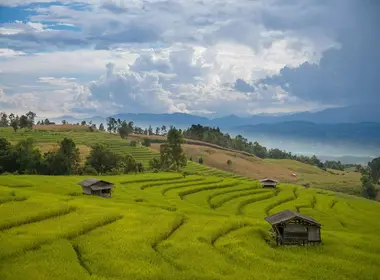
Chiang Mai’s climate is one of its significant attractions. The best time to visit is during the cool season, from November to February, when temperatures range from 15°C to 28°C (59°F to 82°F). This is the ideal time for outdoor activities, festivals, and exploring the city.
- Hot Season (March to May): If you visit during this time, be prepared for high humidity and temperatures soaring above 35°C (95°F). Plan outdoor excursions in the early morning or late afternoon to avoid the heat.
- Rainy Season (June to October): While it may rain frequently, the landscape is lush, and fewer tourists visit, allowing for a more authentic experience. Plus, prices for accommodations tend to be lower.
Practical Tip: Invest in a good-quality umbrella or raincoat if you’re visiting during the rainy season. The rain typically comes in short bursts, so having gear handy will keep you dry and comfortable.
6. Getting Around the City
Navigating Chiang Mai is straightforward. The city has various transportation options that make it easy to get from one place to another.
Practical Tip: If you decide to rent a scooter, ensure you have an international driving permit and wear a helmet. Traffic can be chaotic, so take it slow and be cautious.
| Mode of Transport | Cost | Best For | Pros | Cons |
|---|---|---|---|---|
| Songthaews (Red Trucks) | From THB 20 ($0.60) per ride | Budget travelers, short distances | Cheap, widely available | May take longer as they pick up other passengers |
| Tuk-Tuks | THB 80-150 ($2-5) per ride | Tourists wanting a local experience | Fun, great for short trips | No meters—fares need to be negotiated |
| Scooter Rentals | THB 200-300 ($6-9) per day | Independent travelers, exploring beyond the city | Flexible, convenient for sightseeing | Requires international driving permit, traffic can be challenging |
| Grab (Ride-Hailing App) | Varies, typically THB 80+ ($2.50+) per ride | Comfortable and hassle-free travel | Safe, air-conditioned cars, upfront pricing | More expensive than songthaews and tuk-tuks |
| Bicycle Rentals | THB 50-150 ($1.50-5) per day | Exploring the Old City at a leisurely pace | Eco-friendly, great for sightseeing | Hot weather and traffic conditions can be challenging |
Note: Transportation costs are approximate and may vary based on season, demand, and negotiation. THB to USD conversion is based on 1 THB ≈ 0.03 USD and may fluctuate. If renting a scooter, ensure you have the proper license and insurance coverage, as local traffic rules can be strict.
7. Nature Awaits Outside the City

Chiang Mai is surrounded by stunning natural landscapes, making it a perfect base for outdoor adventures. The nearby mountains and national parks offer endless opportunities for exploration.
Outdoor Activities:
- Doi Inthanon National Park: Home to Thailand’s highest peak, this park is perfect for hiking, with well-marked trails and stunning views. The park is also famous for its waterfalls and the King and Queen Pagodas.
- Elephant Sanctuaries: Unlike tourist traps that exploit elephants, many sanctuaries in the area focus on rehabilitation and conservation. Visiting an ethical sanctuary, such as Elephant Nature Park, offers a chance to interact with these majestic animals responsibly.
- Trekking: Join a guided trekking tour to explore remote hill tribes, waterfalls, and breathtaking scenery. These tours often include meals and accommodation in local villages, providing a more immersive experience.
Practical Tip: When visiting elephant sanctuaries, do your research to ensure they practice ethical treatment of animals. Avoid places that offer elephant rides or have elephants performing tricks.
| Activity | Location | Opening Days & Hours | Entrance Fee | Pro-Tip for Tourists |
|---|---|---|---|---|
| Doi Inthanon National Park | Chom Thong District, Chiang Mai | Daily, 5:30 AM – 6:00 PM | 300 THB (~$8.50 USD) for foreigners | Bring warm clothing as temperatures can drop significantly, especially in the early morning. Don’t miss the sunrise at the summit! |
| Elephant Nature Park | Mae Taeng District, Chiang Mai | Daily, by reservation only | Starts at 2,500 THB (~$70 USD) for a day visit | Book in advance, as slots fill up quickly. Avoid elephant sanctuaries that offer rides or performances, as these often involve unethical treatment. |
| Trekking Tours | Various locations around Chiang Mai | Varies by tour operator | Prices start at 1,500 THB (~$42 USD) per day | Choose a tour that supports local hill tribes and sustainable tourism. Bring comfortable hiking shoes and insect repellent. |
Note: Prices are approximate and may vary based on season, location, and booking platform. The THB to USD conversion is based on an exchange rate of 1 THB ≈ 0.03 USD, which may fluctuate. Always check the latest exchange rates before making reservations.
8. Experience Local Festivals and Events
Chiang Mai is rich in cultural festivals, many of which are celebrated with vibrant energy and fervor. If your month-long stay coincides with any local festivals, it’s an excellent opportunity to immerse yourself in the culture.
Key Festivals:
- Yi Peng Lantern Festival: This magical event, typically held in November, involves releasing thousands of lanterns into the sky. The sight is breathtaking, and you’ll be mesmerized by the beauty of the illuminated night sky. Participating in this festival is an unforgettable experience.
- Songkran Festival: Celebrated in April, this is the Thai New Year festival known for its massive water fights. Locals and tourists alike engage in spirited water battles, so be prepared to get soaked! While it’s a joyous celebration, also take care of your belongings and ensure you protect your electronics.
- Loy Krathong: This festival of lights occurs in November, where participants release floating lanterns (krathongs) on waterways to pay respect to the water spirits. It’s a visually stunning celebration filled with joy and spirituality.
Practical Tip: If you’re attending a festival, arrive early to secure a good spot for viewing events. It’s also wise to check local customs and etiquette to ensure you’re respectful while participating in celebrations.
9. Engage with Local Communities
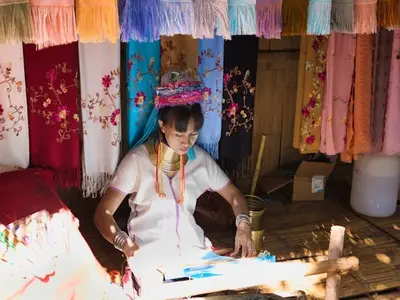
One of the best ways to experience Chiang Mai is to engage with local communities. There are various ways to connect with locals, whether through volunteering, joining classes, or participating in community events.
Volunteering Opportunities:
- Local NGOs and Charities: Organizations like Hands Across the World and Elephant Nature Park often welcome volunteers. If you’re interested in teaching English or helping with animal care, volunteering is a meaningful way to give back and immerse yourself in local culture.
- Language Exchange: Join a language exchange group to practice your Thai and help locals improve their English. Not only will this enhance your communication skills, but it also fosters friendships and deeper cultural understanding.
Cultural Classes:
- Thai Cooking Classes: Beyond cooking classes focused on specific dishes, many venues offer full-day experiences where you can learn the fundamentals of Thai cuisine, from ingredient selection to cooking techniques.
- Traditional Crafts: Look for workshops that teach traditional crafts such as Thai pottery, umbrella painting, or weaving. These hands-on experiences provide insights into local craftsmanship and culture.
Practical Tip: Approach interactions with an open heart and mind. Many locals are eager to share their culture and stories, so take the opportunity to learn from them.
10. Exploring Chiang Mai’s Markets
Chiang Mai boasts vibrant markets that offer a range of products, from fresh produce to handicrafts. Exploring these markets is not just about shopping; it’s about experiencing the local lifestyle.
Popular Markets:
- Night Bazaar: A must-visit for souvenirs and local crafts, the Night Bazaar transforms into a bustling marketplace in the evenings. You’ll find everything from handmade goods to clothing, along with an array of street food.
- Warorot Market: This local market is a treasure trove of fresh produce, local snacks, and traditional Thai products. It’s a great place to observe daily life and taste authentic dishes.
- Sunday Walking Street: Held every Sunday, this market features local artisans selling handmade crafts, artwork, and delicious street food. It’s a perfect way to spend a leisurely evening while soaking up the vibrant atmosphere.
| Market | Address | Opening Days & Hours | Entrance Fee | Pro-Tip for Tourists |
|---|---|---|---|---|
| Night Bazaar | Chang Khlan Road, Chiang Mai | Daily, 6:00 PM – 11:00 PM | Free | Bargaining is expected, so don’t accept the first price. Try the street food for a taste of local flavours. |
| Warorot Market (Kad Luang) | Wichayanon Rd, Chang Moi, Mueang Chiang Mai | Daily, 5:00 AM – 6:00 PM | Free | Visit early in the morning to experience the local hustle and get the freshest produce. |
| Sunday Walking Street | Ratchadamnoen Road, Chiang Mai | Sundays, 4:00 PM – 10:30 PM | Free | Arrive before sunset to avoid crowds and get the best selection of handmade crafts. |
Note: Market opening hours and availability may change due to holidays or special events. Prices for products vary, and bargaining is common. Always check with locals or online sources for updated information.
11. Unwind and Rejuvenate
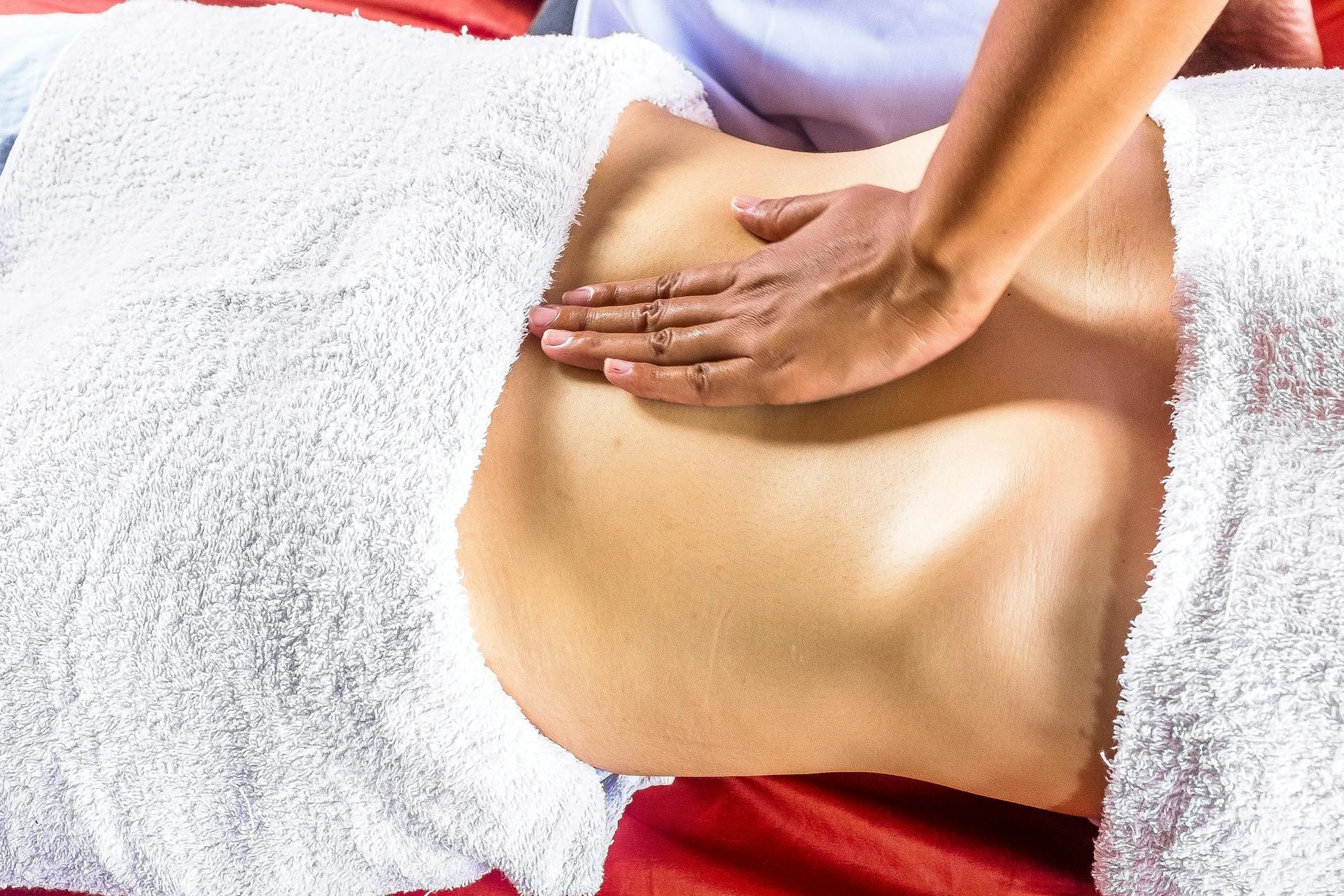
Amidst all the exploring and activities, it’s important to carve out time for relaxation. Chiang Mai offers a range of wellness options to help you unwind.
Spa and Massage:
- Traditional Thai Massage: Treat yourself to a traditional Thai massage at one of the many spas around the city. Expect a blend of acupressure and yoga-like stretches that leave you feeling rejuvenated. Prices can range from THB 200 to THB 600 ($6 to $18) depending on the establishment and the duration of the treatment.
- Wellness Retreats: For a more comprehensive experience, consider attending a wellness retreat focused on yoga, meditation, or detoxification. Retreats typically offer accommodations, meals, and a schedule of activities aimed at relaxation and rejuvenation.
Cafés for Relaxation:
Blanc Chiang Mai: This tranquil spot is perfect for a quiet afternoon. Enjoy a cup of tea or coffee while reading a book or simply take in the peaceful ambience.
The Barn: Eatery Design: Known for its stunning architecture and serene atmosphere, this café is an excellent place to unwind after a long day of exploring.
Practical Tip: Consider setting aside one day a week as a “rest day” during your month-long stay. Use this day to relax, meditate, or engage in self-care activities.
| Activity | Location | Opening Days & Hours | Price Range | Pro-Tip for Tourists |
|---|---|---|---|---|
| Traditional Thai Massage | Various spas around Chiang Mai | Daily, hours vary by spa | 200–600 THB (~$6–$18 USD) | Opt for reputable massage places such as Lila Thai Massage or Fah Lanna Spa for an authentic experience. |
| Wellness Retreats | Various retreat centres in and around Chiang Mai | Varies by retreat | Starts at 5,000 THB (~$140 USD) for multi-day stays | Look for retreats that include yoga, meditation, and healthy meals for a holistic experience. |
Blanc Chiang Mai | 27 Siri Mangkalajarn S. 13 Suthep, Amphoe Mueang, Chiang Mai | Daily, 11:00 AM – 10:00 PM | Price varies by menu | A perfect place to relax with a book and a cup of tea after exploring the city. |
| The Barn: Eatery Design | San Sai District, Chiang Mai | Daily, 9:00 AM – 10:00 PM | Price varies by menu | Visit during the late afternoon to enjoy the beautiful sunset views. |
Note: Prices are approximate and may vary based on season, location, and booking platform. The THB to USD conversion is based on an exchange rate of 1 THB ≈ 0.03 USD, which may fluctuate. Always check the latest exchange rates before making reservations.
12. Wrap Up Your Stay with Lasting Memories
As your month in Chiang Mai draws to a close, take the time to reflect on the experiences you’ve had and the connections you’ve made. Consider visiting your favourite spots one last time, whether it’s a serene temple, a bustling market, or a peaceful café.
Before you leave, think about how you can take a piece of Chiang Mai with you. Perhaps it’s a souvenir from a local market, a recipe from a cooking class, or the friendships you’ve formed. Each of these memories will serve as a reminder of your adventure in this enchanting city.
Practical Tip: If you’re flying out of Chiang Mai International Airport, arrive early. The airport can get busy, and it’s best to have plenty of time to navigate security and check-in.
Final Thoughts
Living in Chiang Mai for a month is an experience filled with adventure, culture, and camaraderie. With its affordability, rich history, and welcoming community, it’s no wonder that this city has captured the hearts of many travellers. Whether you’re sipping coffee in a quaint café, exploring ancient temples, or indulging in delicious street food, each moment offers a chance to connect with the vibrant culture and stunning landscapes of Northern Thailand.
As you prepare for your journey, keep an open mind, embrace the unexpected, and immerse yourself in the beauty of Chiang Mai. You’ll leave not just with memories, but with a deeper understanding of this unique and enchanting destination. Happy travels!
Frequently Asked Questions
What is the best time of year to spend a month in Chiang Mai?
The best time to visit is between November and February, during the cool season when temperatures are comfortable and air quality is better. Avoid March to April due to the burning season and poor air quality.
Do I need to learn Thai to live in Chiang Mai?
No, but learning basic Thai phrases can be helpful. Many locals, especially in tourist areas, speak some English. Using translation apps can also make daily interactions easier.
Are there any local festivals I should experience in Chiang Mai?
Yes! The Yi Peng (Lantern) Festival and Loy Krathong in November are magical experiences. The Songkran (Thai New Year) water festival in April is also a must-see but can be intense.
Is Chiang Mai a good place for families?
Yes, Chiang Mai is family-friendly with international schools, parks, and child-friendly attractions like the Elephant Nature Park, zoos, and cultural centers.
What is the cost of living in Chiang Mai compared to other cities?
Chiang Mai is much more affordable than Western cities and even Bangkok. Rent, food, and transportation are significantly cheaper, making it a popular choice for digital nomads and retirees.
What is the public transportation like in Chiang Mai?
Chiang Mai doesn’t have a metro system, but it offers songthaews (red trucks), tuk-tuks, Grab taxis, and motorbike rentals. Many expats and visitors rent scooters for convenience.
Are there any common scams or tourist traps to watch out for?
Yes, while Chiang Mai is generally safe, be cautious of overpriced tuk-tuk rides, fake tour agencies, and dual-pricing at attractions. Always agree on prices beforehand and book tours from reputable sources.
What are some unique experiences to try while living in Chiang Mai?
Take a traditional Thai cooking class, visit a local night market, explore hidden temples, go on a meditation retreat, or take a weekend trip to the mountains or nearby villages for a more authentic experience.