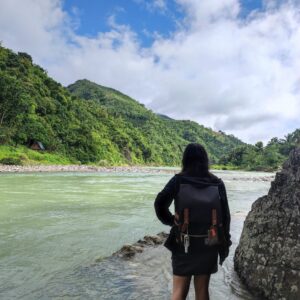
Imagine sipping your morning coffee on a sun-drenched balcony in Bali before logging into a virtual meeting with clients from around the globe. Or writing blog posts in a cozy café tucked away in Lisbon’s historic center. This is the life of a digital nomad—someone who earns a living while exploring the world.
Thanks to remote work, global connectivity, and a growing appetite for freedom, more people are ditching traditional office life for laptops and passports. But how do you go from dreaming to doing? This guide breaks down the steps to help you start earning and thriving as a digital nomad.
Embracing the Freedom: What It Really Means to Work Remotely While Traveling

Photo from https://stockcake.com
No more sitting in traffic for hours. No crowded trains, fixed office hours, or staring at the same four walls every day. Traditional work life often comes with stress, routine, and little flexibility. That’s where the digital nomad lifestyle offers a refreshing change.
Instead of rushing through a commute, you could be starting your day in a quiet café in Kyoto or on a sunny terrace in Mexico City. All you need is your laptop and a stable internet connection. You still get your work done—but on your schedule, in places that inspire you. That is exactly what digital nomads experience daily.
A digital nomad is someone who works online while traveling the world. They aren’t tied to a single location. Instead, they earn a living remotely—often through freelancing, remote jobs, or online businesses—while exploring different countries and cultures.
This lifestyle offers a unique kind of freedom. You get to choose where you live, how you work, and what your day looks like. But behind the dream is a reality that takes planning, skill, and a bit of courage to pursue.
The good news? You don’t have to figure it all out at once. Like any journey, it starts with one step. And that step is understanding what you already have to offer. Let’s begin by taking a look at your current skills and how they can help you build a location-independent income.
Start by Assessing Your Skills
The foundation of digital nomad life is your ability to offer services or generate income online. Start by doing a self-assessment:
- What do you already know how to do?
- What do people often ask you for help with?
- Are there any hobbies or interests you can turn into income?
Many digital nomads begin with skills they already use in traditional jobs. These include:
- Writing and editing
- Graphic and web design
- Social media and marketing
- Programming and tech support
- Customer service
- Teaching and tutoring
If you feel underqualified, don’t stress. The internet is a goldmine of resources. Platforms like Coursera, Udemy, and Skillshare offer affordable courses on everything from UX design to SEO strategy. Commit to learning one digital skill and practice it consistently—you’ll be amazed at how quickly you improve.
Pick Your Digital Nomad Path
Once you’ve identified your skills, choose the income path that suits your lifestyle, goals, and personality. Here are some popular ways digital nomads earn:
- Freelancing: Sell your services to clients on a project basis. Sites like Upwork, Fiverr, and Toptal connect freelancers with companies worldwide. Freelancers often enjoy flexibility and variety in projects.
- Remote Jobs: These are salaried positions with a company that allows employees to work remotely. Check platforms like We Work Remotely, Remote OK, and FlexJobs. Remote roles often provide more stability, especially for beginners.
- Online Business: Start a blog, create an e-commerce shop, sell digital products, or build a brand. Though it takes time to gain traction, it can generate passive income over time.
- Content Creation: Launch a YouTube channel, grow a podcast, or build a personal brand on Instagram or TikTok. Monetization comes through ads, affiliate links, sponsorships, and digital products.
- Teaching and Coaching: Teach English online through platforms like Cambly or iTalki, or offer coaching in areas like fitness, life strategy, or business. This is ideal for people who enjoy human connection.
Start with one method and expand as you grow. Many nomads begin with freelancing or remote jobs, then branch into more passive or scalable income streams.
23 Ultimate Ways to Earn Money Online as a Digital Nomad

Photo from https://stockcake.com
1. Publishing Content through Blogging
Blogging is one of the most popular ways for digital nomads to generate income. By creating valuable content around specific niches, you can attract readers, build an audience, and monetize your blog in various ways, such as through affiliate marketing, sponsored content, and ads.
Skills Needed: Writing, SEO, content marketing, social media promotion, basic graphic design, WordPress management.
Learning Curve: Moderate – requires consistent effort to learn SEO and build an audience, but easy to start with free platforms.
Tools: WordPress, Grammarly, Google Analytics, Yoast SEO, Canva, Mailchimp.
Job Security: Blogging offers long-term potential and scalable passive income. Once established, it provides a strong foundation for diversified income streams like affiliate sales, ads, and sponsorships.
2. Affiliate Marketing

Photo from https://neilpatel.com
Affiliate marketing allows you to earn commissions by promoting other people’s products or services. By incorporating affiliate links into your blog, website, or social media channels, you can earn passive income every time someone makes a purchase through your link.
Skills Needed: Content creation, copywriting, SEO, digital marketing, audience targeting.
Learning Curve: Moderate – you’ll need to understand marketing funnels and traffic generation, but there are many beginner-friendly tutorials.
Tools: Google Analytics, SEMrush, Canva, Amazon Associates, ShareASale, ClickBank, Pretty Links.
Job Security: With increasing online purchasing behavior, affiliate marketing remains a resilient income stream. Once your content ranks or your social media grows, affiliate sales can become a reliable passive income source.
3. E-commerce
E-commerce provides a platform for selling physical or digital products online. Whether it’s through dropshipping, print-on-demand, or running your own online store on platforms like Shopify or Etsy, the opportunities are vast for digital nomads looking to sell from anywhere.
Skills Needed: Product sourcing, customer service, marketing, basic logistics, Shopify or Etsy management.
Learning Curve: Moderate to High – requires planning and some upfront learning, but success stories abound.
Tools: Shopify, WooCommerce, Printful, Canva, Oberlo, Etsy, Stripe/PayPal.
Job Security: E-commerce is growing globally. Whether dropshipping, POD, or handmade goods, digital nomads have more tools than ever to build a store from anywhere.
4. Trading (Forex, Options, Crypto)
If you have an interest in finance and markets, trading might be a good fit. With platforms that allow you to trade Forex, options, and cryptocurrencies, it’s possible to earn significant income. However, be aware that trading involves risk and requires substantial knowledge.
Skills Needed: Technical analysis, risk management, market research, emotional discipline.
Learning Curve: High – trading is complex and requires significant education and practice to become consistently profitable.
Tools: MetaTrader 4/5, TradingView, Binance, eToro, Investopedia, BabyPips.
Job Security: While trading carries risks, mastering it offers unmatched location freedom. With proper education and strategy, many find financial independence through it.
5. Voiceover Work

Photo from cloudfront.net
Voiceover artists are sought after for a wide range of projects, including audiobooks, advertisements, video games, and animation. As a digital nomad, you can work remotely with clients around the world. Voiceover work has low overhead costs, requires minimal equipment, and offers a flexible work schedule.
Skills Needed: Clear articulation, voice modulation, audio editing, acting or expressive speaking skills.
Learning Curve: Low to Moderate – easy to start with basic recording skills and a good microphone, but refining your voice takes practice.
Tools: Audacity, Adobe Audition, Blue Yeti or Rode NT-USB mic, Voices.com, Fiverr.
Job Security: With the growth of audiobooks, podcasts, and video content, voiceover demand continues to grow. This niche is perfect for those who enjoy creative, remote-friendly work.
6. Freelance Client Work (Digital Marketing)
Digital marketing is a vast field encompassing SEO, content writing, social media management, email marketing, and more. As a digital nomad, offering freelance digital marketing services is an excellent way to earn income while enjoying the freedom to work remotely.
Skills Needed: SEO, content strategy, paid ads, email campaigns, branding, analytics.
Learning Curve: Moderate – you can learn foundational skills within a few months and refine through real-world projects.
Tools: Google Ads, HubSpot, Mailchimp, Hootsuite, Ahrefs, Canva.
Job Security: Every business needs online visibility. As more brands go digital, freelance marketers will continue to thrive with a steady stream of projects.
7. Virtual Assistant Work
Virtual assistants (VAs) offer administrative support services to businesses and entrepreneurs remotely. From managing emails to booking appointments, a VA role is flexible and offers great opportunities for digital nomads.
Skills Needed: Organization, communication, time management, tech savviness (spreadsheets, scheduling tools).
Learning Curve: Low – ideal for beginners; you can quickly build skills on the job while increasing your hourly rate.
Tools: Trello, Google Workspace, Slack, Zoom, Calendly, Asana.
Job Security: Small businesses and solopreneurs constantly need remote help. VAs are essential and increasingly in demand across industries.
8. Remote Tech Jobs

Photo from https://stockcake.com
From software development to IT support and cybersecurity, there’s a vast market for remote tech jobs. If you have a background in tech, you can easily find remote roles that allow you to travel while working.
Skills Needed: Programming, software development, IT support, cybersecurity, or system administration (depending on the role).
Learning Curve: Moderate to High – tech skills can be complex, but certifications and online bootcamps make it accessible.
Tools: GitHub, Visual Studio Code, Jira, Zoom, AWS, Stack Overflow.
Job Security: The tech industry is booming, with many companies embracing remote teams. These roles often come with competitive pay and long-term contracts.
9. Online Tutoring
If you’re skilled in a subject, you can become an online tutor. There’s a growing demand for tutors in subjects like English, math, science, and even coding, offering digital nomads a chance to work with students worldwide.
Skills Needed: Subject expertise, teaching ability, communication, patience, adaptability to different learning styles.
Learning Curve: Low to Moderate – if you’re already knowledgeable in a subject, tutoring is easy to step into.
Tools: Zoom, Google Meet, Khan Academy, Preply, Cambly, Wacom tablet (for math/science).
Job Security: Online education is booming globally. Whether it’s school subjects, language learning, or test prep, tutors are needed more than ever.
10. Online Course Creation
If you have expertise in a subject, creating and selling online courses is a great way to generate passive income. Platforms like Udemy or Teachable allow you to upload your courses and start earning.
Skills Needed: Subject matter expertise, presentation skills, curriculum design, video editing.
Learning Curve: Moderate – creating your first course requires planning and effort, but the payoff is long-term passive income.
Tools: Teachable, Thinkific, Kajabi, Loom, Canva, Audacity.
Job Security: As knowledge-sharing becomes more digitized, course creators enjoy scalable income with evergreen potential.
11. Graphic Design and Web Design

Photo from https://stockcake.com
For digital nomads with a creative side, freelance graphic design or web design can be a profitable career. You can work with clients from all over the world, designing everything from logos to websites.
Skills Needed: Visual design, typography, UX/UI principles, HTML/CSS (for web design), creativity, branding.
Learning Curve: Moderate – with dedication, you can learn the basics quickly through online courses and start building a portfolio.
Tools: Adobe Creative Suite (Photoshop, Illustrator), Figma, Canva, Webflow, WordPress, Sketch.
Job Security: Visual content is always in demand — from websites to marketing campaigns. A strong portfolio and consistent quality can secure long-term clients and recurring work.
12. Photography and Videography
If you’re skilled with a camera, photography and videography offer great income opportunities for digital nomads. Whether it’s selling stock photos, offering photography services, or creating video content for clients, the possibilities are endless.
Skills Needed: Camera handling, lighting, photo/video editing, storytelling, marketing.
Learning Curve: Moderate to High – mastering technical and creative aspects takes time, but it’s a fulfilling journey.
Tools: Adobe Lightroom, Adobe Premiere Pro, Final Cut Pro, DSLR/mirrorless camera, Canva, Drone (optional).
Job Security: In the age of digital storytelling and content creation, visual creators have abundant opportunities — from selling stock to working with travel brands and influencers.
13. Transcription
If you’re proficient in multiple languages or have excellent listening and typing skills, transcription services are always in demand. Many companies and individuals hire remote workers for these tasks.
Skills Needed: Excellent listening and grammar skills (for transcription), fluency in multiple languages (for translation), attention to detail.
Learning Curve: Low to Moderate – ideal for beginners or bilingual speakers, with plenty of entry-level platforms to get started.
Tools: Express Scribe, Otter.ai, Google Translate (for initial draft), Grammarly, Smartcat, TranscribeMe.
Job Security: As content globalization continues, transcription and translation services are in high demand across media, education, and business industries.
14. Podcasting
Podcasting is a rapidly growing medium, and digital nomads can leverage this platform to share their expertise or build an audience. Monetization can come from sponsorships, ads, and even merchandise sales.
Skills Needed: Public speaking, interviewing, content planning, basic audio editing, branding.
Learning Curve: Moderate – starting a podcast is easier than ever, and with consistency, you can build a loyal audience.
Tools: Audacity, Anchor.fm, GarageBand, Blue Yeti mic, Buzzsprout, Canva (for cover art).
Job Security: With the podcasting industry growing globally, opportunities for monetization (ads, sponsorships, memberships) are expanding — great for niche creators with a voice.
15. Social Media Management

Photo from https://stockcake.com
Managing social media accounts for businesses is a thriving field. Digital nomads with experience in social media strategy, content creation, and community management can offer these services remotely.
Skills Needed: Strategy development, content creation, engagement, copywriting, analytics.
Learning Curve: Moderate – platforms and trends evolve quickly, but free tools and certifications make it easy to learn and stay updated.
Tools: Hootsuite, Buffer, Canva, Later, Meta Business Suite, TikTok Creator Tools.
Job Security: With nearly every business needing a digital presence, skilled social media managers are indispensable. It’s a sustainable path with room to scale into an agency or consultancy.
16. Online Consulting or Coaching
If you have expertise in a specific field, offering consulting or coaching services online is a great way to share your knowledge and earn a premium rate.
Skills Needed: Deep knowledge in your field, communication, client management, goal setting, empathy.
Learning Curve: Low to Moderate – if you’re already experienced, it’s a natural transition. Building a client base may take time but yields high returns.
Tools: Zoom, Calendly, Kajabi, Notion, Google Meet, Stripe for payments.
Job Security: People seek expert guidance in everything from career to wellness. Consultants and coaches can earn well and enjoy lasting client relationships.
17. Selling Digital Products

Photo from https://stockcake.com
You can create and sell digital products like eBooks, printables, photography, or graphic design templates. These products require an initial investment of time but can continue to generate income long after they’re created.
Skills Needed: Creativity, design, copywriting, e-commerce basics, marketing.
Learning Curve: Moderate – once you learn how to create and list digital products, it becomes a repeatable and scalable process.
Tools: Etsy, Gumroad, Canva, Adobe Suite, Creative Market, ThriveCart.
Job Security: Digital products require no inventory or shipping, making them ideal for nomads. With a great product and smart marketing, this can become a reliable passive income stream.
18. Content Writing
Content writing is one of the most accessible freelance jobs for digital nomads. With a talent for writing, you can create blog posts, articles, and other forms of content for clients across various industries.
Skills Needed: Research, writing, grammar, SEO, adaptability to different tones and niches.
Learning Curve: Low to Moderate – strong writers can start right away and develop deeper expertise through ongoing practice.
Tools: Grammarly, Hemingway App, Google Docs, Surfer SEO, Jasper.ai (optional).
Job Security: With businesses, blogs, and brands constantly needing fresh content, skilled writers enjoy consistent and flexible work opportunities worldwide.
19. Online Surveys and Market Research
While not as lucrative as other methods, participating in online surveys and market research can be an easy way for digital nomads to earn a bit of extra income during downtime.
Skills Needed: Attention to detail, honesty, basic tech literacy.
Learning Curve: Very Low – one of the simplest ways to earn online, no special skills or training required.
Tools: Swagbucks, Toluna, InboxDollars, Survey Junkie, Pinecone Research.
Job Security: While it’s not a full-time income, this is a reliable way to earn small amounts in your spare time, especially useful for beginners or to supplement other work.
20. Remote Customer Service

Photo from https://images.stockcake.com
Many companies offer remote customer service positions, where you assist customers via phone, chat, or email. If you’re a good communicator and enjoy helping others, this might be the perfect job for you.
Skills Needed: Communication, empathy, problem-solving, multitasking, CRM software knowledge.
Learning Curve: Low – training is usually provided, and soft skills are more important than technical ability.
Tools: Zendesk, Freshdesk, Slack, Zoom, Intercom, Help Scout.
Job Security: Many companies are shifting to remote support models. If you enjoy helping people, this is a steady and dependable job you can do from anywhere.
21. Translation
If you’re fluent in more than one language, translation can be a rewarding and flexible job for digital nomads. From translating documents and websites to localizing content for global audiences, this work can be done from anywhere with a stable internet connection.
Skills Needed: Fluency in at least two languages, grammar and syntax proficiency, cultural awareness, attention to detail.
Learning Curve: Moderate – if you’re already bilingual, it’s a matter of learning translation techniques and industry-specific terminology.
Tools: Smartcat, MemoQ, SDL Trados, DeepL, Google Translate (for draft reference), Grammarly.
Job Security: With the rise of global content and international business, translation services are always needed. You can find steady freelance work or ongoing projects with agencies and brands.
22. SEO (Search Engine Optimization)

Photo from https://images.stockcake.com
SEO specialists help websites rank higher in search engine results through keyword optimization, content strategies, and technical tweaks. If you have experience with digital marketing and analytics, SEO is a highly in-demand skill that can be offered remotely to clients worldwide.
Skills Needed: Keyword research, content strategy, on-page and off-page SEO, analytics, link-building.
Learning Curve: Moderate to High – SEO has many layers, but you can specialize in one area or learn holistically over time.
Tools: Ahrefs, SEMrush, Moz, Google Analytics, Surfer SEO, Ubersuggest, Yoast SEO.
Job Security: As long as people search online, businesses will need SEO to be found. It’s one of the most in-demand and future-proof digital skills, ideal for long-term freelancing or consulting.
23. Animation
Animation is a creative and technical field that suits digital nomads with a background in motion graphics, 2D or 3D animation, or video editing. From explainer videos to social media content, animators can find freelance gigs with startups, agencies, and content creators around the globe.
Skills Needed: Storyboarding, illustration, motion graphics, 2D/3D animation, video editing, creativity.
Learning Curve: High – animation involves both technical skills and artistic expression, but beginners can start with short form or simple explainer animations.
Tools: Adobe After Effects, Blender, Toon Boom, Vyond, Procreate , Canva.
Job Security: With videos dominating digital marketing and entertainment, skilled animators are highly sought after. Whether freelancing or collaborating with studios, animation offers a rewarding and global career path.
Why Is This Job So Hot Right Now?
Here’s why businesses are scrambling for talented remote workers and why this job is in such high demand.
| Reason | Explanation |
| Growing Online Presence | As businesses move online, they need a variety of remote workers to manage digital platforms, from web developers to marketers. |
| Content Marketing Boom | Companies rely on skilled professionals like writers, designers, and social media managers to create and manage online content. |
| E-commerce Expansion | With more businesses selling products online, roles like product managers, digital marketers, and designers are booming. |
| Diverse Industries | Remote jobs are needed across industries—tech, education, marketing, finance, and more, offering flexibility in choosing your field. |
| Demand for SEO | Businesses require experts in SEO, content creation, and digital strategies to rank higher on search engines and attract customers. |
| Engagement and Education | Digital nomads with skills in education, training, and community engagement help businesses connect with audiences online. |
| Remote Flexibility | Freelance and remote work offers location independence, which is perfect for those seeking the digital nomad lifestyle. |
So, Where Do You Begin?
The digital nomad lifestyle sounds amazing, but how do you actually break into it? First, figure out which job fits you best. Whether it’s writing, graphic design, programming, or social media management, start by developing the right skills. The good news is you don’t need to go back to school. You can start learning online, at your own pace.
Sourced from different sites for their logos.
Here are some places where you can begin your journey:
- Coursera: Offers courses on everything from marketing to coding, many of which are free to audit.
- Udemy: A treasure trove of affordable, practical courses on digital nomad skills.
- Skillshare: Creative professionals can learn everything from graphic design to video editing.
- edX: Free courses from top universities to help you build your skillset for remote work.
- LinkedIn Learning: Provides both free and paid courses across a wide range of digital skills.
- YouTube: There are countless free tutorials for nearly any digital skill you can think of.
- Khan Academy: A great resource for free lessons, especially in tech and business.
- FreeCodeCamp: Perfect for those looking to dive into coding and web development, and it’s entirely free.
12 Free Tools to Fuel Your Journey
Here’s the best part—you don’t need to spend a dime to get started. Platforms like Coursera and HubSpot Academy offer free writing courses. You’ve got everything you need—just add creativity! Here are some great free tools to help you on your digital nomad journey:
- Coursera & HubSpot Academy: These platforms offer free online writing courses to help you get the skills you need to succeed.
- Medium & Substack: Publish and share your work on these platforms while building your portfolio and audience.
- Grammarly: This handy tool helps with grammar, spelling, and clarity to ensure your writing is professional.
- Hemingway Editor: It refines your writing style by suggesting ways to make your sentences clearer and more concise.
- ProBlogger Job Board: A fantastic resource to find freelance writing jobs and opportunities across various industries.
- Canva: A user-friendly design tool to create eye-catching visuals and graphics to complement your content.
- Trello or Notion: Perfect for organizing your writing projects, deadlines, and ideas. Stay on track with your goals!
- Google Docs: A versatile and free word processor with easy collaboration tools for sharing your work with clients or collaborators.
- WordPress.com: Start your own blog for free, where you can practice your writing and showcase your work to potential clients.
- LinkedIn Learning: Offers free trials with access to a variety of writing and digital skills courses.
- Udemy: Keep an eye on the free courses available in writing, marketing, and more to boost your knowledge.
- Skillshare: Offers free trials that give access to a wide range of writing and creative courses, where you can learn everything from content writing to storytelling and marketing. Perfect for expanding your skillset and creativity!
Start with these, and watch your writing skills (and confidence) grow!
Build Your Online Presence

Photo from https://stockcake.com
Clients and employers want to see proof that you’re the right fit. Your digital presence is your new resume.
- Portfolio Website: Create a simple website that showcases your work, services, testimonials, and contact info. Use platforms like Wix, WordPress, or Carrd to build it easily.
- Social Proof: Keep your LinkedIn updated. Post about your journey, work, or learnings. Build trust by showing up consistently and engaging with others.
- Freelance Platforms: Make your profile stand out by being specific in your bio, uploading a professional photo, and adding relevant samples of your work.
- Cold Outreach: Don’t wait for opportunities—reach out to companies or individuals you’d love to work with. Personalize your pitch, highlight how you can help, and keep it short and clear.
Getting your first job might be slow, but don’t get discouraged. Each small win builds momentum.
What to Prepare When Applying for Work as a Digital Nomad
When applying for digital nomad roles, being prepared is key to standing out. Here’s what you need:
- Updated Portfolio or Resume: Showcase your skills, previous work, and relevant experience on your personal website or portfolio.
- Digital Skills: Make sure you’re proficient with tools that enable remote work, such as project management software (Trello, Asana) and communication tools (Slack, Zoom).
- Professional Online Presence: Update your LinkedIn profile and ensure your social media reflects your professional image.
- References & Testimonials: Having past clients or employers vouch for your skills can build trust and credibility.
- Good Communication Skills: Since remote work relies heavily on clear communication, make sure you can articulate your ideas effectively in both written and verbal forms.
- Time Management & Organizational Skills: Be ready to showcase your ability to work independently and manage your time effectively.
Where to Find Work as a Digital Nomad
To start your digital nomad career, here are some great platforms to explore:
- Freelance Websites: Websites like Upwork, Fiverr, and Freelancer offer a variety of remote jobs in different fields, from writing to design and programming.
- Remote Job Boards: Platforms like We Work Remotely, Remote OK, and FlexJobs specialize in posting remote job listings across industries.
- Social Media & Networking: LinkedIn and Twitter are excellent for networking and connecting with companies offering remote opportunities.
- Company Websites: Many companies, especially in tech and marketing, now have remote positions listed on their career pages.
- Freelance Marketplaces: For writing and content-based jobs, sites like ProBlogger, Mediabistro, and Contena can help you find clients.
Plan Your Finances Before You Take Off

Photo from https://stockcake.com
One of the biggest mistakes new digital nomads make is jumping in without a financial cushion. Here’s how to avoid that stress:
- Savings Buffer: Aim for at least 3–6 months of living expenses before you go full-time nomad. This gives you breathing room if work slows down.
- Budgeting Tools: Use apps like YNAB (You Need a Budget), Mint, or a simple spreadsheet to track income and expenses. Know your monthly needs and plan accordingly.
- Affordable Living: Start in destinations with a lower cost of living, such as Southeast Asia, Latin America, or parts of Eastern Europe. You’ll get more value for your money while building your income stream.
- Banking & Currency: Use international-friendly banking options like Wise or Revolut to manage payments, avoid currency exchange fees, and get paid globally.
- Taxes: Learn the tax implications of working remotely. Some countries may still expect you to file annually, and digital nomad visas often come with tax obligations.
Gear Up With the Right Tools
Being a digital nomad means your work travels with you. Equip yourself with reliable tech to stay productive and connected:
- Laptop: Choose a lightweight but powerful device—your most important tool.
- VPN: Protect your data on public Wi-Fi and access geo-restricted content.
- External hard drive or cloud storage: Keep backups of your important files.
- Power bank: Essential for long travel days or remote locations.
- Apps: Notion (planning), Trello (project management), Zoom (calls), Slack (team chat), and Grammarly (writing assistant) are all worth adding to your toolkit.
Having the right setup makes it easier to work from anywhere—airports, hostels, beach huts, or coworking spaces.
Pick a Digital Nomad-Friendly Destination
Not all destinations are created equal when it comes to remote work. Consider these factors when choosing where to go:
- Wi-Fi reliability
- Cost of living
- Safety and healthcare
- Time zone compatibility with clients
- Community of other digital nomads
Here are a few top picks:
- Canggu, Bali – Surf, cowork, and enjoy laid-back island life.
- Chiang Mai, Thailand – Affordable, safe, and full of nomads.
- Lisbon, Portugal – A creative hub with sunshine and great food.
- Medellín, Colombia – Beautiful scenery, fast Wi-Fi, and vibrant energy.
- Tbilisi, Georgia – Unique culture, great visa options, and low costs.
Start slow—consider staying in one place for a month or more to find your rhythm before country-hopping.
Understand Visas and Logistics

Photo from https://assets-wp.boundless.com
Long-term travel requires more than just a passport stamp. Luckily, several countries now offer digital nomad visas that allow you to stay longer while working remotely. Some top options include:
- Portugal: Offers a digital nomad visa with relatively low income requirements and access to the Schengen area.
- Indonesia: Their Second Home Visa allows extended stays in Bali and beyond.
Costa Rica: Great for nature lovers and remote workers, with tax benefits. - Estonia: Pioneered the digital nomad visa concept in Europe.
Before applying, research each country’s requirements—such as minimum income, health insurance, and background checks.
Also, make sure you have:
- Travel insurance or international health insurance
- Multiple payment options and backup bank cards
- Emergency contact info and digital document backups
Make It Sustainable and Enjoyable
Digital nomad life can look glamorous on Instagram, but it has its challenges. Without structure, it’s easy to feel isolated or burnt out. Here’s how to stay grounded:
- Create a routine: Set work hours and stick to them to avoid overworking or procrastinating.
- Coworking spaces: These can offer reliable internet, networking opportunities, and social connections.
- Join nomad communities: Attend local meetups, join Facebook groups, or use apps like Nomad List and Meetup to connect with others.
- Stay healthy: Move your body daily, stay hydrated, and make time to rest.
- Slow travel: Instead of jumping between countries every few weeks, consider staying a month or more to build deeper connections and reduce travel fatigue.
Final Thoughts: Start Now, Start Small

Photo from https://stockcake.com
You don’t have to have it all figured out to begin your digital nomad journey. Start small—take on a freelance gig, write a blog post, or pick up a remote job. Create a simple portfolio or update your resume. The key is to start. Every step, no matter how small, will lead you closer to your dream.
Remember, becoming a digital nomad isn’t about escaping life—it’s about shaping a life that aligns with your values, passions, and curiosity. It’s about living a life where work and travel coexist, bringing you freedom, connection, and growth. The world is vast, and opportunities are endless. You have the power to design a lifestyle that fuels your soul.
With the right mindset, skills, and planning, you can make it happen. You don’t need to be perfect—just consistent. Learn, experiment, and adapt as you go. The digital nomad lifestyle isn’t a race. It’s about enjoying the process, exploring new places, and connecting with like-minded people along the way.
So, what are you waiting for? Take that first step. Your adventure awaits.
Frequently Asked Questions (FAQ)
Can I make a stable income as a digital nomad?
Yes, many digital nomads earn reliably through freelancing, remote jobs, or online businesses, though it takes time to establish income.
Do I need to quit my job to become a digital nomad?
No, many start by taking on remote work or freelancing alongside their current job before going full-time.
How do I manage finances as a digital nomad?
Set a budget, save 3-6 months of expenses, use international-friendly banking options, and track expenses with apps like Mint.
What tools do I need to work remotely as a digital nomad?
Essential tools: laptop, VPN, cloud storage, project management apps (Trello), and communication apps (Zoom).
How can I build my online portfolio?
Create a simple website showcasing your work using platforms like Wix, WordPress, or Carrd to demonstrate your skills.