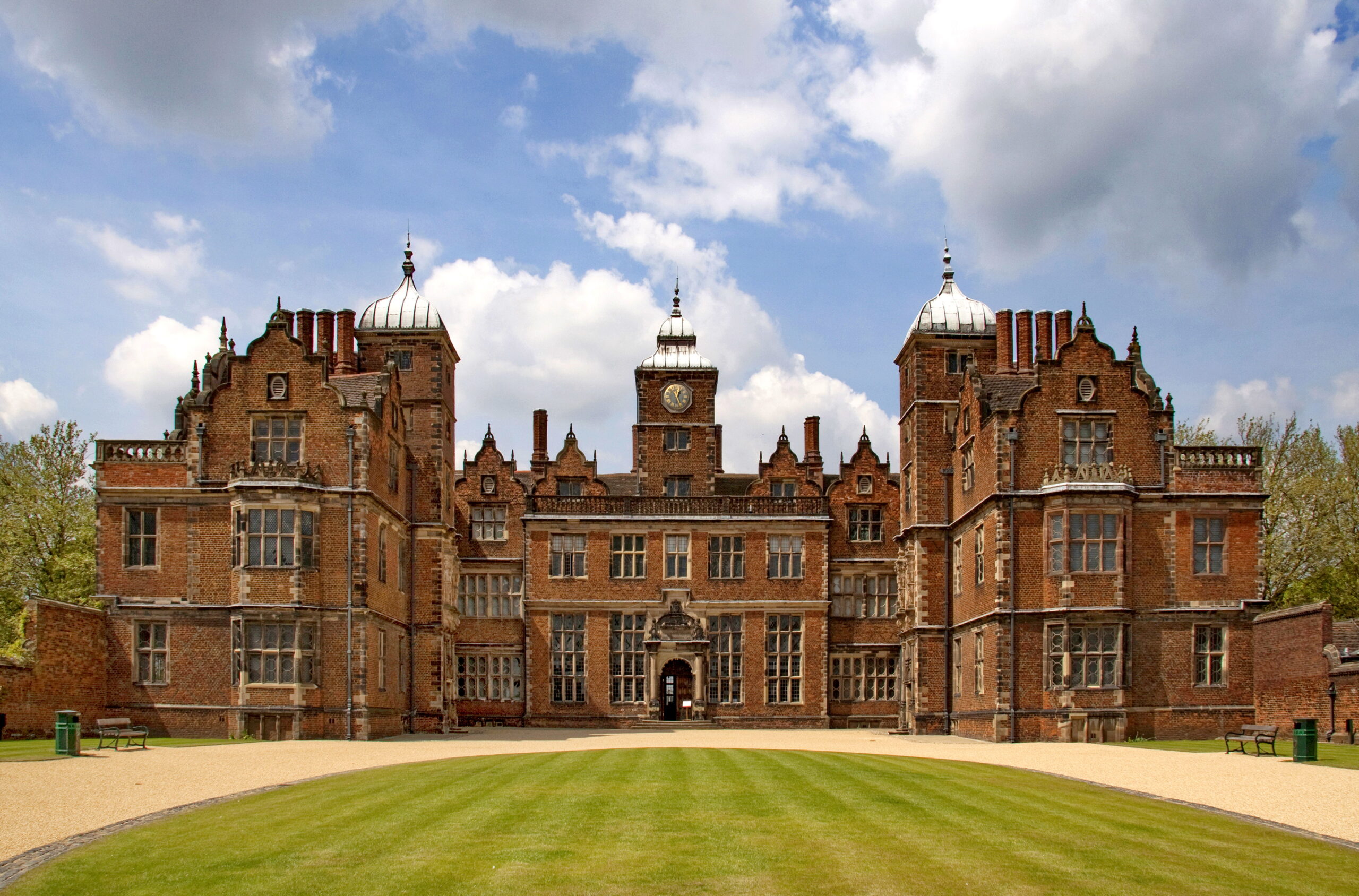
Imagine strolling across a 400-year-old lawn, your eyes drawn to a striking red-brick mansion standing proud. That’s Aston Hall—a breathtaking 17th-century prodigy house nestled in Birmingham. Visiting Aston Hall feels like stepping straight into the pages of history, with its grand rooms, Civil War scars, and ghostly legends. Among the many beautiful England castles, this one stands out for its charm, stories, and accessibility.In this guide, I’ll be your friendly historian, unveiling its hidden wonders, quirky tales, and nearby gems. Let’s begin your journey into one of England’s most captivating historic treasures.
A Snapshot of History of Aston Hall : From Grand Ambitions to Cannonball Scars

Photo from https://birmingham-museums.transforms.svdcdn.com
Aston Hall history begins with bold vision and grand design. The house was created by John Thorpe and built between 1618 and 1635 for Sir Thomas Holte, a wealthy and ambitious landowner. He wanted a home that would impress—and he got it. With over 30 rooms, soaring ceilings, and intricate plasterwork, Aston Hall became a shining example of Jacobean style.
But peaceful luxury didn’t last forever. In 1643, during the English Civil War, the Hall was attacked by Parliamentarian forces. They fired cannonballs at the building—one even damaged the Great Oak Staircase. That scar is still visible today, offering a real, physical reminder of the past.
As centuries rolled on, the Hall’s story took a new turn. In 1864, it became the very first historic country house in England to be publicly owned, thanks to Birmingham Corporation. That’s a pretty big deal in Aston Hall history. Now managed by Birmingham Museums Trust, the Hall stands proudly as a museum—connecting visitors to over 400 years of stories, style, and survival.
Why Aston Hall Shines
You might wonder—what sets Aston Hall apart from other stately homes? Well:
- Jacobean Jewel – It’s one of the last remaining prodigy houses in England, showing off breathtaking plasterwork and architecture.
- Civil War Scars – Visible cannonball holes are a rare and powerful reminder of its turbulent past .
- Ghostly Reputation – Voted the UK’s top haunted heritage site in 2019, with tales of a grey ghost (possibly Holte’s daughter), a grieving housekeeper in green, and “Dick’s Garret”—where spirits are said to linger .
- Public for All – Unlike most grand homes locked behind private ownership, Aston Hall’s public since 1864—an inclusive treat for everyone.
All this wrapped in a public park with free gardens and parkland—that’s a pretty unique combo!
Top Things to See & Do at Aston Hall
Visiting Aston Hall is like opening a storybook of English history—each corner, corridor, and creaking floorboard reveals a new chapter waiting to be explored.
1. Tour Over 30 Period Rooms

Photo from https://www.thehistoryblog.com/
Aston Hall is packed with more than 30 historic rooms, each telling its own story. From the grand Long Gallery with its high ceilings and fine detail to the quiet corners of the King Charles Chamber, every space feels like a portal to the past. You’ll find antique furniture, original paintings, and hand-carved features that show off the craftsmanship of Jacobean England. It’s the perfect chance to picture life in the 1600s—from lavish banquets to daily routines.
There’s something magical about walking through rooms that have seen four centuries pass. You can admire ceilings decorated like works of art and fireplaces you could stand in. Some rooms feel elegant and bright, while others are moody and full of mystery. Every detail invites you to slow down and look closer.
Castle Fact: The King Charles Chamber is said to have hosted King Charles I himself in 1642, just one year before the Civil War hit Aston.
2. Visit the Great Oak Staircase
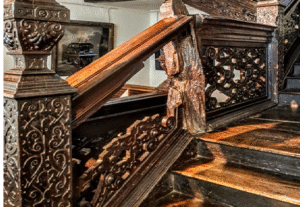
Photo from https://blogger.googleusercontent.com
This nine-tier wooden staircase is one of the Hall’s most famous features. It curves elegantly upwards, drawing your eyes toward light filtering through tall windows. But look closely—you’ll spot something unusual. During the Civil War, a cannonball smashed into it, leaving a scar that’s still visible today. It’s both beautiful and battle-worn, standing as a striking symbol of Aston Hall’s resilience.
The staircase itself is a masterpiece, carved from rich oak with impressive attention to detail. As you climb, imagine servants rushing up and down or lords and ladies pausing for portraits. It’s easy to forget the hustle of modern life as the past surrounds you on all sides. And that cannonball hole? It’s a reminder that even beauty can carry scars.
Castle Fact: The cannonball hole has never been repaired—making it one of the only surviving Civil War battle damages in any English country house.
3. Listen to Haunting Tales & Be Part of Tours

Photo from facebook page of Aston Hall
If you love a good ghost story, you’re in for a treat. Aston Hall is often called one of the most haunted historic houses in the UK. Join a ghost walk or candlelit tour to explore its darker side. Hear about the Grey Lady, believed to be the ghost of Holte’s daughter, and the mysterious Green Lady roaming the halls. One room, known as “Dick’s Garret,” is even said to be cursed. These spine-tingling tales add a whole new dimension to your visit.
The best part? These tours take place in the very rooms where the stories unfolded. It’s thrilling, a little eerie, and endlessly fascinating. Whether you’re a skeptic or a believer, it’s hard not to feel a chill in the air. Especially when the lights dim and footsteps echo where no one seems to be walking.
Castle Fact: In 2019, Aston Hall was voted the most haunted heritage site in the country by the public.
4. Walk through Gardens & Parkland

Photo from https://assets.simpleviewinc.com
Step outside and you’ll find beautifully maintained gardens and peaceful parkland surrounding the Hall. These outdoor spaces are free to explore, so bring a blanket for a picnic or simply enjoy a gentle stroll under centuries-old trees. On Saturdays, join the local community for a parkrun—a fun and friendly 5K open to all ages. Whether you’re after fitness or fresh air, the grounds are just as magical as the mansion itself.
You can take a quiet walk through tree-lined paths or let kids roam on the open lawns. In spring and summer, the gardens burst with color and fragrance. It’s a lovely break from the historic drama inside the Hall. And the best part? You don’t need a ticket to enjoy it.
Castle Fact: The castle grounds were originally designed to impress visiting nobles and feature a symmetrical layout typical of 17th-century Jacobean estates.
5. Attend Events & Festivals

Photo from https://static.designmynight.com
There’s always something happening at Aston Hall. From summer jazz concerts and classic car shows to family-friendly festivals and costumed history days, the calendar is full of engaging events. Themed Sundays often bring history to life, with reenactors, craft demonstrations, and storytelling sessions. Seasonal highlights like Halloween tours and festive Christmas markets make it worth visiting more than once a year.
These events are fun, interactive, and perfect for all ages. You might meet a 17th-century soldier, watch a blacksmith at work, or listen to live music echoing through the halls. It’s not just a museum—it becomes a vibrant community hub. Every visit can feel different depending on what’s happening that day.
Castle Fact: Aston Hall has hosted public events since the 19th century, making it one of the earliest venues in England to open its doors for cultural festivals.
Tips & Etiquette :Be a courteous guest—just like a Holte-era visitor!
- Pre-book Your Visit: Weekends and school holidays sell quickly; snag a ticket early for smooth entry.
- Respect the Space: Photography’s allowed (no flash or tripods), but treat rooms, artifacts, and fellow visitors with care.
- Bag Checks & Policies: Expect bag searches. Weapons and vaping are banned; assistance dogs are welcome.
- Dress Smart: Some chambers are chilly. Pack layers for comfort.
- Park & Traffic Warnings: Car park closes on Aston Villa match days and during events; street parking may drop zones.
- Bring Food, Stay Refreshed: Café’s currently closed—bring snacks and refill at the picnic spot.
- Leave No Trace: Keep the castle gardens beautiful—dispose of waste properly.
Essential Aston Hall Visiting Details

Photo from facebook page of Aston Hall
Your quick reference at a glance. Planning your day out? Here’s everything you need to know before visiting Aston Hall, from where it is to when the doors open—so you can make the most of your historic adventure.
- Address: Aston Hall, Trinity Rd, Birmingham B6 6JD, United Kingdom
- Phone: +44 (0)121 348 8100
- Website: https://www.birminghammuseums.org.uk/aston-hall/
- Opening Hours: Friday to Sunday from 11:00 AM – 4:00 PM
- Gardens: Free entry during opening hours
- Facilities: Free car park (match/event dependent), toilets (incl. disabled), baby changing.
- Accessibility: Aston Hall offers step-free access to the ground floor and gardens. While upper floors may be limited due to the historic layout, staff are always happy to assist. Accessible toilets are available, and most events include accommodations for visitors with mobility needs.
Ticket Prices at Aston Hall
| Ticket Type | Price (with Gift Aid) | Price (without Gift Aid) |
| Adult (age 16 and over) | £11.00 | £10.00 |
| Child (age 3–15) | £5.50 | £5.00 |
| Child (age 0–2) | Free | Free |
| Concession (students & benefits holders) | £6.60 | £6.00 |
| Family (up to 4, must include ≥1 child) | £24.20 | £22.00 |
| National Trust Member | 50% off ticket prices | 50% off ticket prices |
Notes:
- Gift Aid is a UK scheme that allows the museum charity to claim an extra 25% on donations from UK taxpayers, so choosing the “with Gift Aid” option supports Aston Hall further.
- Family tickets must include at least one adult and one child to qualify.
- National Trust members receive a 50% discount on general admission (not applicable to special events) — valid on-site only with membership card.
- Always check the official Aston Hall website for the latest ticket prices and updates.
Getting There
Getting to Aston Hall is simple, whether you’re arriving by car, train, bus, or even on two feet. It’s well connected and located just a few miles from Birmingham city centre, making it an easy addition to your day out.
- By Car: Set your sat-nav to B6 6JD. Use the free car park—but avoid Villa match days.
- Riding a Bus: Take routes 6 or 11, then walk a short distance to Trinity Road.
- By Train: Birmingham New Street is 3 miles away. A short bus or taxi ride completes the journey.
- On Foot or Bike: Plenty of adjacent green space makes for a pleasant walk or cycle.
Best Times & Tours
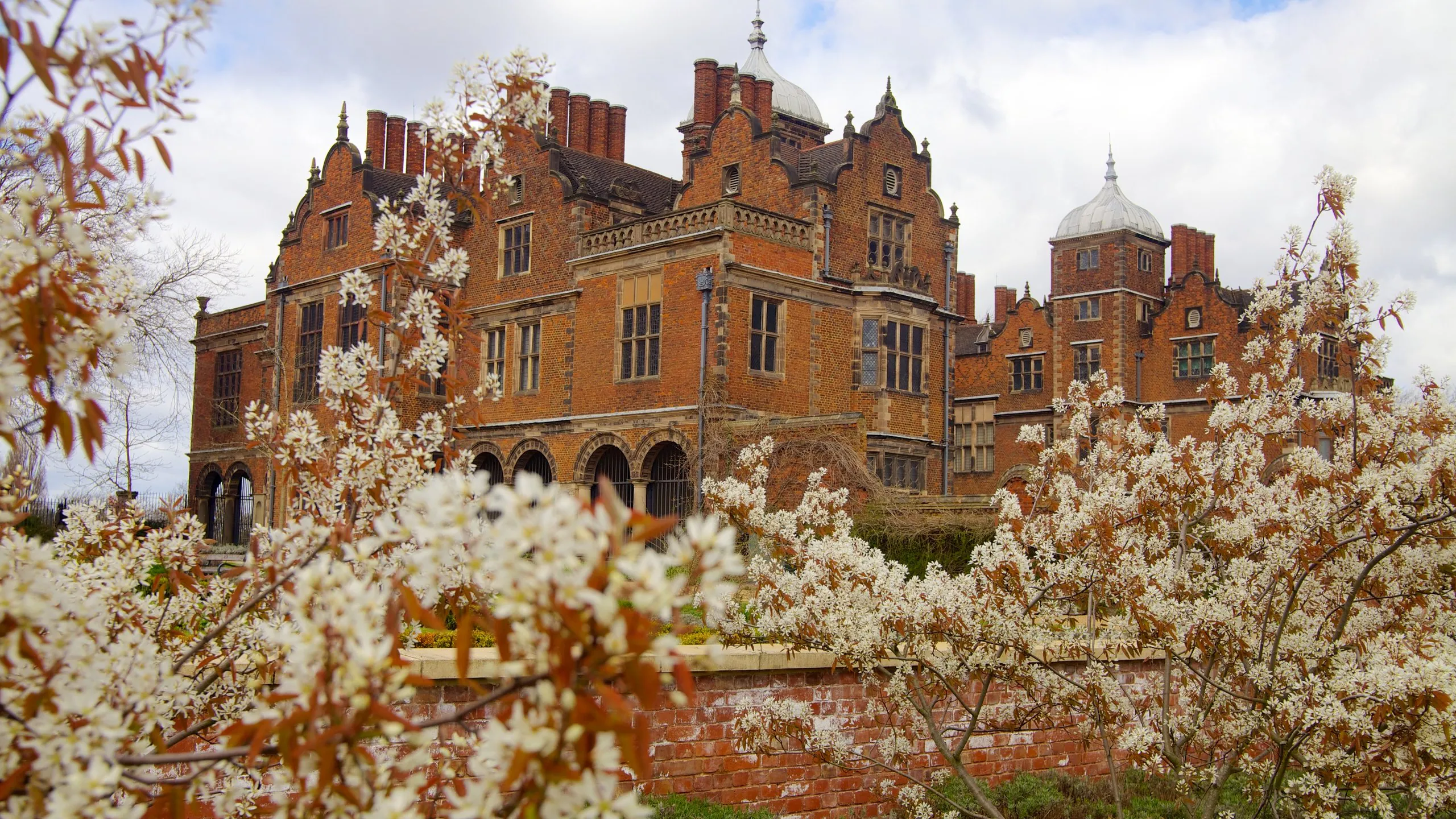
Photo from https://a.travel-assets.com/
Planning your visit right makes all the difference—knowing the best times and guided tour options ensures your experience at Aston Hall is as magical as it is memorable.
- Best Time to Visit: Spring–early autumn (Mar–Sept) when gardens bloom and events sparkle
- Best Days: Weekdays for serenity. Fri–Sun for events, with ticket foresight advised.
- Guided Tours: While basic tours run regularly, specialized guided tours—like ghost tales—are seasonal. Check the website nearer your visit .
Explore More: Three Must-See Gems Near Aston Hall
1. Blakesley Hall – Step Into Tudor Life
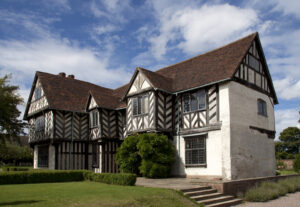
Photo from https://upload.wikimedia.org
Just a short drive from Aston Hall, Blakesley Hall is a beautifully preserved timber-framed house built in 1590. It’s smaller than Aston but packed with charm and rich Tudor history. Inside, you’ll find original features, period furniture, and a glimpse into everyday life over 400 years ago. The peaceful gardens and guided tours make it ideal for families and curious visitors. It’s a calm and authentic spot that feels like a Tudor home frozen in time.
For inquiries or more details, contact us below:
- Address: Blakesley Hall Museum, Blakesley Hall, Blakesley Rd, Birmingham B25 8RN, United Kingdom
- Phone: +44 121 348 8120
- Website: https://www.birminghammuseums.org.uk/blakesley-hall
- Opening Hours: Open Wednesday – Friday, 11am – 4pm. The café is currently closed until further notice.
- Admission Fee: Adult (age 16+) £8.80 and Child (age 3–15) £5.50. Always check the official website for the latest ticket prices and any seasonal changes.
2. Soho House – Where Science Met Society

Photo from https://assets.simpleviewinc.com
Just 10 minutes from Aston Hall, Soho House was home to Matthew Boulton, a key figure in the Industrial Revolution. This elegant Georgian house hosted the Lunar Society—where thinkers like James Watt and Erasmus Darwin gathered to shape modern science. Walk through refined rooms, explore innovation displays, and see where world-changing ideas were born. It’s an inspiring blend of history and invention.
For inquiries or more details, contact us below:
- Address: Soho House Museum, Soho Ave, Birmingham B18 5LB, United Kingdom
- Phone: 0121 348 8100
- Website: https://www.birminghammuseums.org.uk/soho-house
- Opening Hours: Monday to Friday : 8am to 8pm
- and Saturday, Sunday and public holidays: 9am to 5.30pm
3. Birmingham Museum & Art Gallery – Art in the Heart of the City

Photo from https://birmingham-museums.transforms.svdcdn.com
Less than 3 miles from Aston Hall, this museum is a cultural treasure trove. From ancient artifacts to world-famous art, there’s something for everyone. Its star? One of the largest Pre-Raphaelite collections in the world. Wander the airy galleries, admire Victorian architecture, and recharge in the Edwardian Tearooms. It’s the perfect city break after a historic stroll at Aston.
For inquiries or more details, contact us below:
- Address: Birmingham Museum & Art Gallery, Chamberlain Sq, Birmingham B3 3DH, United Kingdom
- Phone: 0121 348 8263 / 0121 348 8000
- Website: https://www.birminghammuseums.org.uk/birmingham-museum-and-art-gallery
- Opening Hours: Open Wednesday – Sunday, 10am – 5pm.
- Admission Fee: Free
Final Thoughts: Why Visiting Aston Hall is a Castle Day Done Right
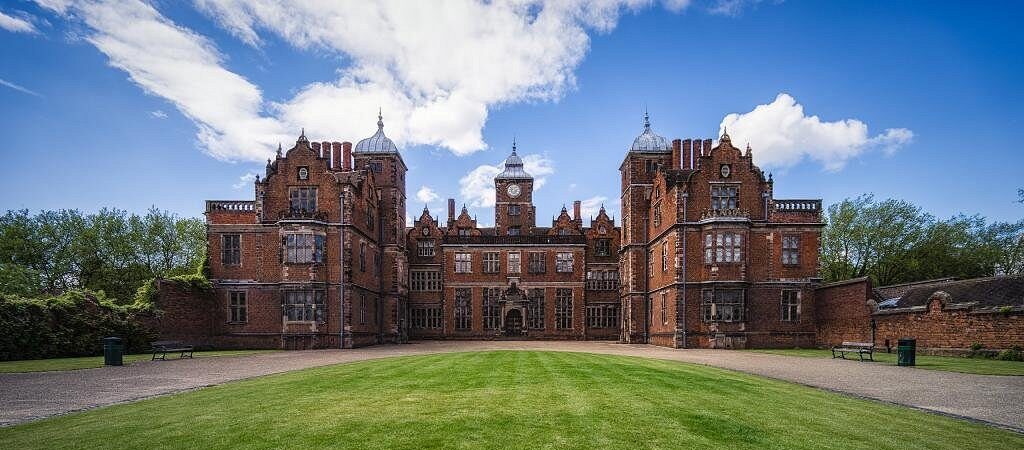
Photo from tripadvisor.com
Visiting Aston Hall isn’t just about touring a historic house—it’s about stepping into a bold narrative etched in brick and cannon-scarred wood. Whether you’re a history buff, ghost-chaser, garden lover, or simply a curious explorer, this hall offers an enriching blend of elegance, drama, and discovery.
Add in free gardens, nearby cultural gems, and that warm Midlands welcome, and you’ve got yourself the perfect day out. Among all the beautiful England castles, Aston Hall stands tall—full of stories, soul, and surprises. Just remember: book your tickets in advance, treat the hall with care, pack your layers (this is England after all!)—and savour every moment. This is one mansion that truly lives up to its legendary name.
Frequently Asked Questions About Visiting Aston Hall
Is Aston Hall accessible for people with disabilities?
Yes! Aston Hall has accessible toilets, step-free access to much of the site, and a lift to upper floors. Staff are also happy to assist.
Can I visit the gardens without paying?
Yes! The gardens and parkland are free to explore during opening hours. They’re perfect for picnics, strolls, or the weekly Saturday parkrun.
What is the best time of year to visit Aston Hall?
Spring to early autumn (March to September) is ideal. The gardens bloom, events come alive, and the weather is friendlier for walking.
Are guided tours available at Aston Hall?
Yes. Self-guided visits are always welcome, but guided tours often run during open days and special events—especially around Halloween and history festivals.
Is Aston Hall family-friendly?
Absolutely! There are family trails, interactive displays, school holiday events, and space for kids to run around outside. It’s a great day out for all ages.