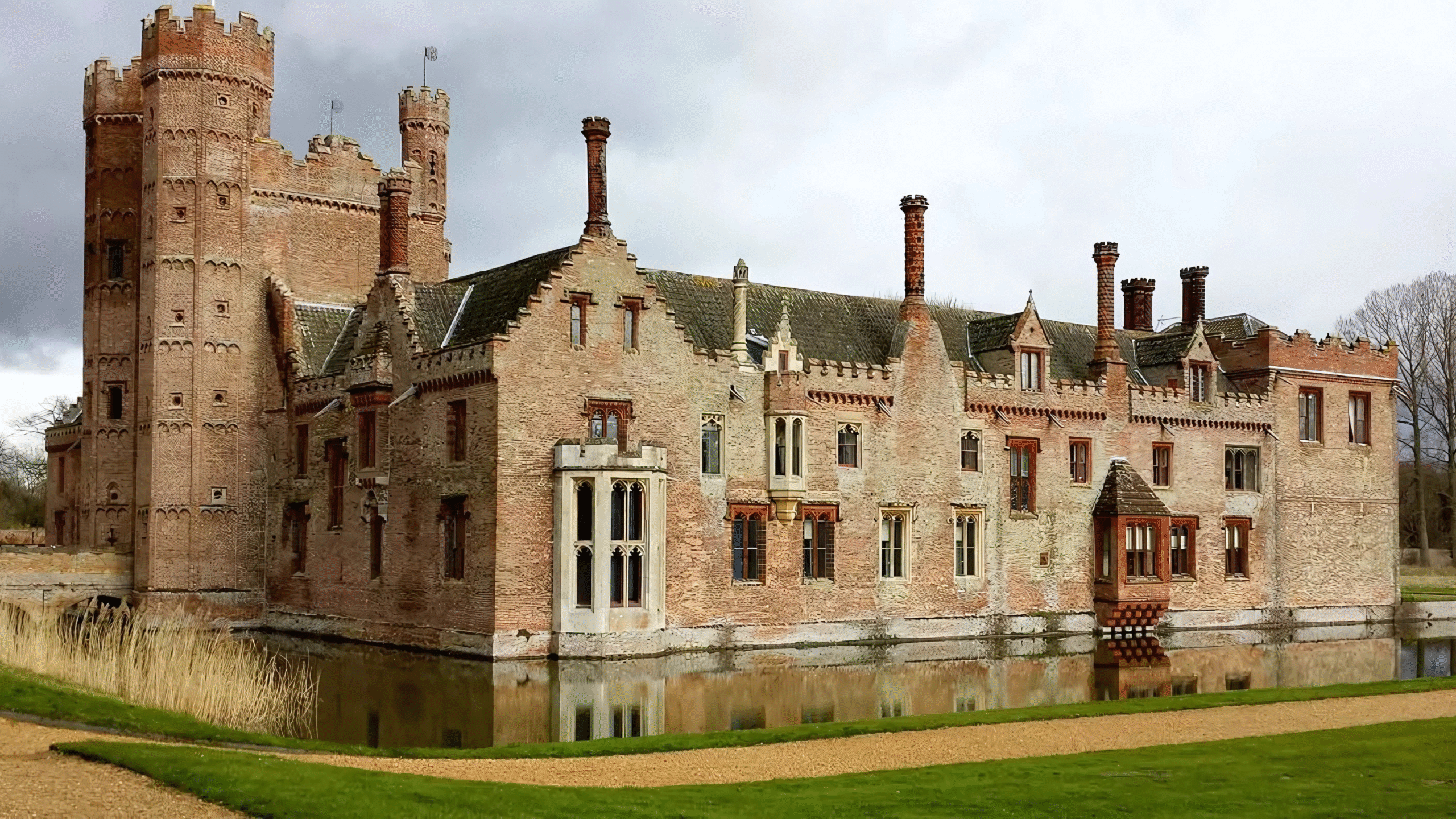
There’s something magical about an Oxburgh Estate visit. Nestled in the peaceful countryside of Norfolk, this moated manor looks like it leapt straight out of a storybook. With its red brick walls, drawbridge, and dreamy gardens, it feels like you’re stepping into the past—but in the best way possible. Among the many stunning England castles, Oxburgh stands out as a hidden gem. Whether you’re a history buff, a nature lover, or someone who just loves discovering off-the-beaten-path treasures, Oxburgh has something for you.
Managed by the National Trust, Oxburgh Estate offers a rare chance to experience Tudor architecture up close, surrounded by unspoiled landscapes. It’s not just about seeing an old house—it’s about stepping into centuries of English history. For those looking to explore historic estates in England or add a memorable stop to their Norfolk itinerary, Oxburgh delivers charm, character, and plenty of photo-worthy moments.
Walls That Whisper History: A Tudor Tale

Photo from https://www.ratedtrips.com
Oxburgh Hall was built in 1482 by Sir Edmund Bedingfeld, and remarkably, the Bedingfeld family still owns it today. If you’ve ever wondered who owns Oxburgh Estate—yes, it’s still in the hands of the original family after more than five centuries. That alone makes Oxburgh Estate history quite special. As one of the few historic houses in England that remains privately owned by its founding family, it offers a rare and personal glimpse into Tudor life. What makes it even more fascinating is the estate’s deep ties to Tudor England and Catholic recusancy. During a time when Catholics were forced to practice their faith in secret, Oxburgh became a safe haven.
The house even has a real priest hole—an actual hiding spot for Catholic priests. You can see it during your visit, hidden cleverly behind a trapdoor. It’s both chilling and awe-inspiring to stand where so much history took place. And don’t miss the stunning needlework panels, said to be stitched by Mary Queen of Scots and Bess of Hardwick. These aren’t just decorative—they’re historical treasures, offering a glimpse into the creative expression and resilience of women from another time.
Top 4 Things to See at Oxburgh Estate
There’s so much to love about Oxburgh Estate, but some spots simply steal the show. Let’s take a walk through the estate’s most memorable features—each one more fascinating than the last.
1. Cross the Drawbridge: Enter the Moated Manor House

Photo from https://directory.explorenorfolkuk.co.uk
Your Oxburgh adventure begins the moment you cross the drawbridge. Instantly, you’re in another world—a Tudor dream, surrounded by a tranquil moat that reflects the red-brick manor like a mirror. The fortified gatehouse greets you with towering turrets and a grand archway that sets the tone for everything inside. It’s bold, symmetrical, and impossible not to admire. Take a moment here—it’s one of the most photogenic spots on the estate.
Once inside the courtyard, it’s easy to picture nobles arriving on horseback or servants bustling about. The entire setting feels frozen in time, yet very much alive. You’ll want to linger, take a few photos, and soak in the atmosphere before moving on. After all, it’s not every day you step into a storybook.
2. Royal Vibes: The King’s Room and Queen’s Room

Photo from https://www.essentially-england.com
Next, head indoors to the grand state rooms. The King’s Room and Queen’s Room give you a taste of Tudor luxury. These spaces are filled with rich colors, heavy fabrics, and beautiful antiques that make you feel like you’ve stepped into a historical drama. Though each room is grand, they also feel personal. Look for little details—embroidered cushions, carved headboards, and the play of sunlight through leaded windows. It’s fun to imagine who once stayed here, what was whispered behind those walls, or what stories unfolded under those ornate ceilings.
As you walk from room to room, you’ll notice that no two are the same. Some feel formal and majestic; others are cozy and full of character. Take your time. Each one offers a different slice of Oxburgh’s long and fascinating past.
3. Secrets Beneath the Floor: The Priest Hole
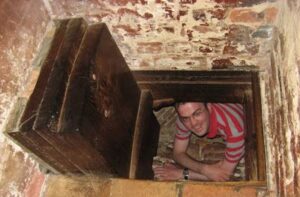
Photo from https://i.pinimg.com
Now for something truly unique—the hidden priest hole. Tucked beneath a floorboard, this tiny chamber once protected Catholic priests during times of persecution. It’s one of the most talked-about features at Oxburgh, and when you see it, you’ll understand why. It’s small, dark, and tucked away behind a trapdoor. Standing beside it, you can almost feel the fear and urgency of those who once hid inside. It’s both haunting and deeply moving.
This part of the tour really brings Oxburgh Estate history to life. You’re no longer just a visitor—you’re witnessing a story of courage, faith, and survival. It’s a powerful reminder that even the most beautiful places can have difficult and dramatic pasts. Don’t rush this stop. Let the moment sink in.
4. Bloom and Breathe: The Gardens and Woodland Walks
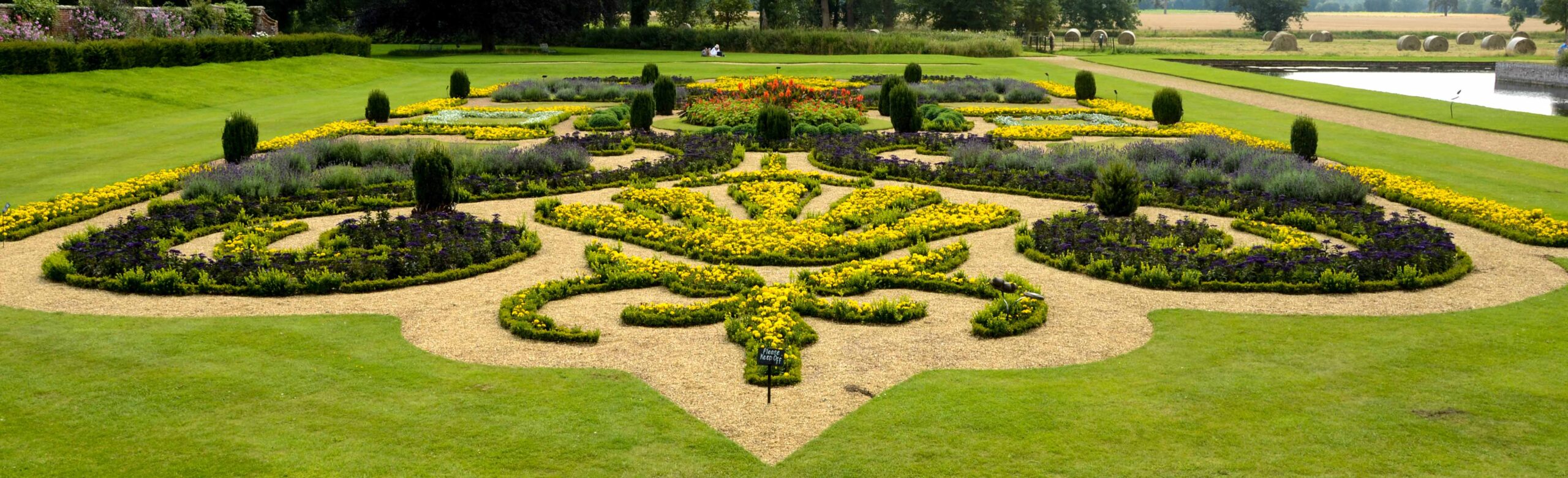
Photo from https://adriancolston.wordpress.com/
After the emotional weight of the priest hole, the gardens offer the perfect breath of fresh air. Step outside and let the scent of roses and herbs greet you. The formal gardens are vibrant, tidy, and full of color. Every corner is lovingly maintained, making it a delight for garden lovers and casual wanderers alike. Don’t miss the kitchen garden—it’s charming and practical, with rows of vegetables, herbs, and flowers working in harmony. There’s something peaceful about watching bees buzz through the blooms or catching the gentle rustle of trees nearby.
If you’re in the mood for a stroll, the woodland trails are a must. They’re quiet, shaded, and full of natural beauty. You might spot birds, butterflies, or even a deer if you’re lucky. It’s the kind of place that invites you to slow down, breathe deeply, and just enjoy the moment.
Little Lords and Ladies Welcome: Fun for Families
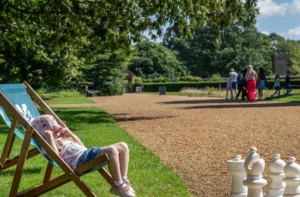
Photo from https://nt.global.ssl.fastly.net
Oxburgh isn’t just for grown-ups. Kids will love the activity trails designed to make history fun. These interactive paths encourage them to explore, solve puzzles, and spot hidden details around the estate.
During school holidays, the estate often hosts special events like Easter egg hunts and outdoor games. There’s also a natural play area with wooden structures to climb and explore. It’s safe, fun, and gives kids a chance to burn off energy while adults enjoy the gardens.
Tea and Trinkets: Where to Refuel
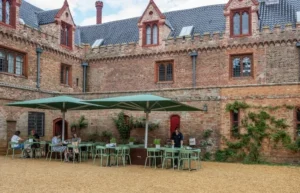
Photo from https://nt.global.ssl.fastly.net
After all that wandering through history, you’ll definitely be ready for a break. Luckily, the Servants’ Hall tea room is just the place to recharge. It’s warm, charming, and full of old-world character. Whether you sit inside or enjoy the courtyard on a sunny day, it’s a lovely spot to unwind. You’ll find fresh sandwiches, homemade cakes, and—of course—those heavenly warm scones served with jam and clotted cream. If you’re in the mood to treat yourself, afternoon tea is a must. It’s beautifully presented and feels like a proper English experience.
Before you head home, be sure to stop by the Oxburgh gift shop. It’s small but thoughtfully curated. You’ll discover local treats, handmade crafts, historical books, and garden-themed goodies. Whether you’re shopping for souvenirs or a little something for yourself, you’re bound to find a treasure.
Plan Like a Pro: Visitor Info You Need
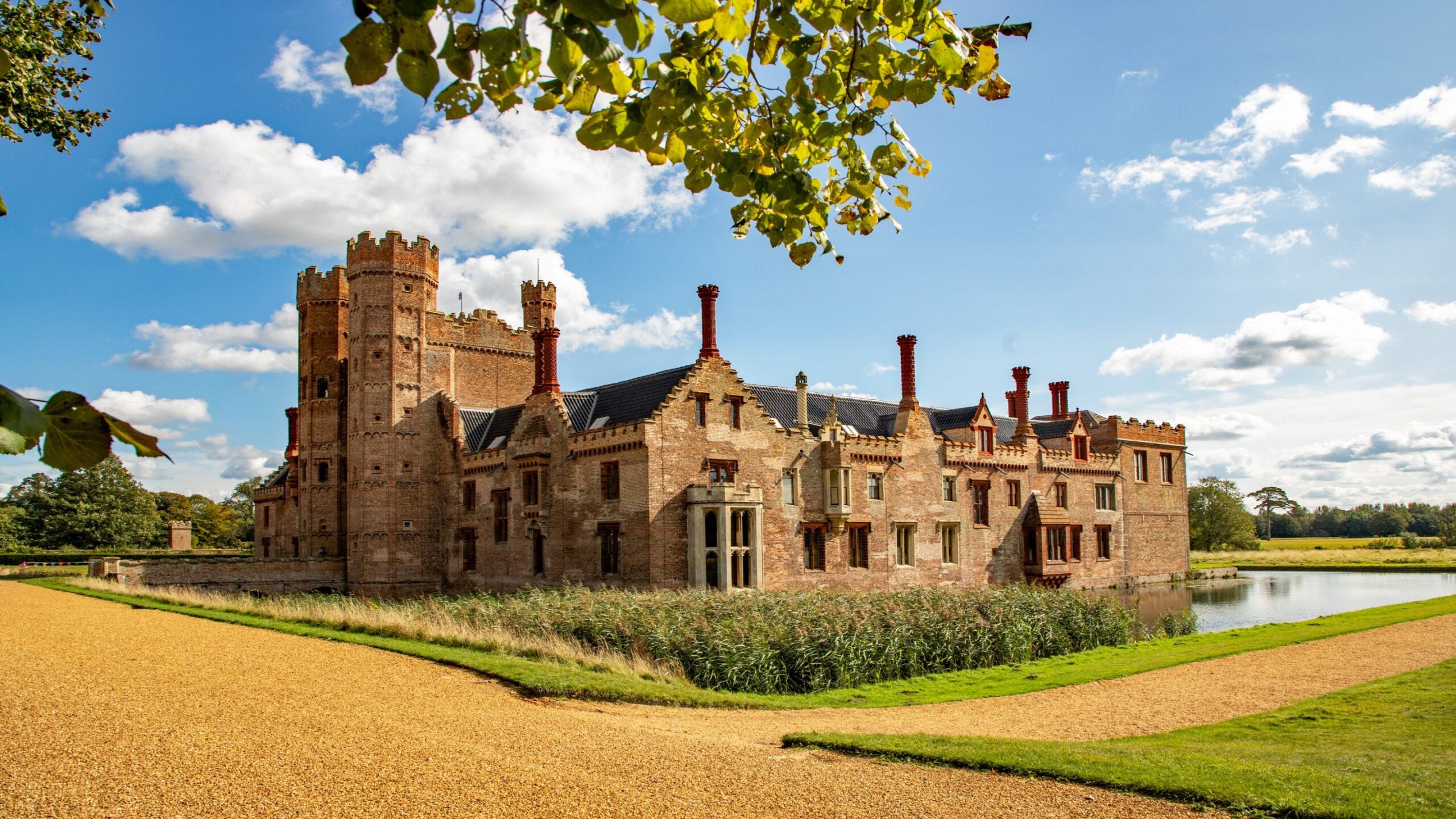
Photo from https://nt.global.ssl.fastly.net
Before you set off on your Oxburgh adventure, a little planning goes a long way. Here’s everything you need to know to make your visit smooth, relaxed, and unforgettable.
- Address: Oxburgh Estate, Oxborough, King’s Lynn PE33 9PS, United Kingdom
- Phone: 01366328258
- Website: https://www.nationaltrust.org.uk/visit/norfolk/oxburgh-estate
- Email : oxburghestate@nationaltrust.org.uk
- Opening Hours: Hall from 10:30 AM to 3:00 PM (last entry at 2:15 PM), and the gardens and parkland from 9:30 AM to 5:00 PM. It’s best to double-check the National Trust website before your visit.
Accessibility: Many areas are wheelchair accessible. However, the upper floors and the priest hole have limited access.
Dogs: Well-behaved pups on leads are welcome in the gardens and parkland, but not inside the house. There are even water bowls and dog-friendly walking trails available.
Guided Tours: Free guided tours are often available and highly recommended. The knowledgeable volunteers bring the estate’s rich history to life with fascinating stories you won’t find on the information boards. Ask at the entrance on arrival to see what’s running that day.
Best Time to Visit: Each season offers something special. Spring brings blooming gardens and fresh greenery, while summer offers vibrant borders and longer daylight hours. Autumn is a favourite for golden foliage and peaceful walks, and even winter has its charm—with crisp air and quiet beauty in the grounds.
Oxburgh Estate Ticket Prices
| Ticket Type | With Gift Aid | Without Gift Aid |
| Adult (18 +) | £14.30 | £13.00 |
| Child (5–17) (under 5s free) | £7.20 | £6.50 |
| Family (2 adults + up to 3 children) | £35.80 | £32.50 |
| Group Adult (18 +) (per person) | £12.35 | — |
| Group Child (5–17) (per person) | £6.18 | — |
Please take note: National Trust members get free entry. Under-5s always enter for free. All tickets include access to the Hall, formal garden, and parkland. Gift Aid adds a small extra to your ticket, which the National Trust can reclaim as tax. Always check the National Trust website before your visit for the latest ticket updates and any special rates.
7 Top Tips: Make the Most of Your Day
Want to make your visit extra special? These simple tips will help you soak in the best of Oxburgh Estate:
- Arrive Early – Beat the crowds and enjoy the peaceful beauty of the estate while it’s still quiet. It’s the best time for photos, too.
- Bring Binoculars – Love birdwatching? Don’t forget your binoculars. The surrounding parkland is full of wildlife, especially birds.
- Choose the Right Season – Visit in spring for vibrant blooms or come in autumn to enjoy those rich golden leaves. Each season offers a different charm.
- Chat with the Guides – The volunteers and staff are a treasure trove of knowledge. Ask questions—they’re friendly and full of fascinating stories.
- Wear Comfy Shoes – There’s a lot to explore, from gardens to woodland trails. Comfortable footwear will keep your feet happy all day.
- Pack a Picnic – There are lovely spots around the grounds to enjoy a peaceful lunch with a view. Or grab a takeaway treat from the tea room.
- Check for Events – Oxburgh often hosts seasonal events, guided tours, and family-friendly activities. Take a peek at the National Trust website before your visit.
Beyond the Moat: Explore 3 Nearby Attraction
Finished exploring Oxburgh Estate but not quite ready to go home? You’re in luck. Norfolk is full of hidden gems nearby that add even more to your day out. Here are three must-visit spots just a short drive away.
1. Step into the Past at Castle Acre Priory
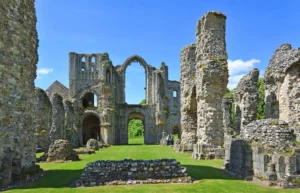
Photo from https://www.historyhit.com
Only a quick trip from Oxburgh, Castle Acre Priory is a peaceful place packed with medieval history. Managed by English Heritage, it’s one of the best-preserved monastic sites in the country. You can stroll through centuries-old stone ruins, walk under grand arches, and explore what remains of the monks’ quarters and church. It’s calm, quiet, and deeply atmospheric—perfect for history buffs or anyone who loves a good ruin. Bring your camera, too—the views are stunning, especially in golden-hour light.
For inquiries or more details, contact us below:
- Address: Castle Acre Priory, Priory Rd, Castle Acre, King’s Lynn PE32 2AA, United Kingdom
- Phone: 01760 755394
- Website: https://www.english-heritage.org.uk/visit/places/castle-acre-castle-acre-priory/
- Opening Hours: Open daily, 10am – 5pm
- Admission Fee: Adults £12.00 , Child (5-17 years) £7.50, Concession £11.00 and Family Package from £16.00 to £31.50
2. Feel Like Royalty at Sandringham Estate
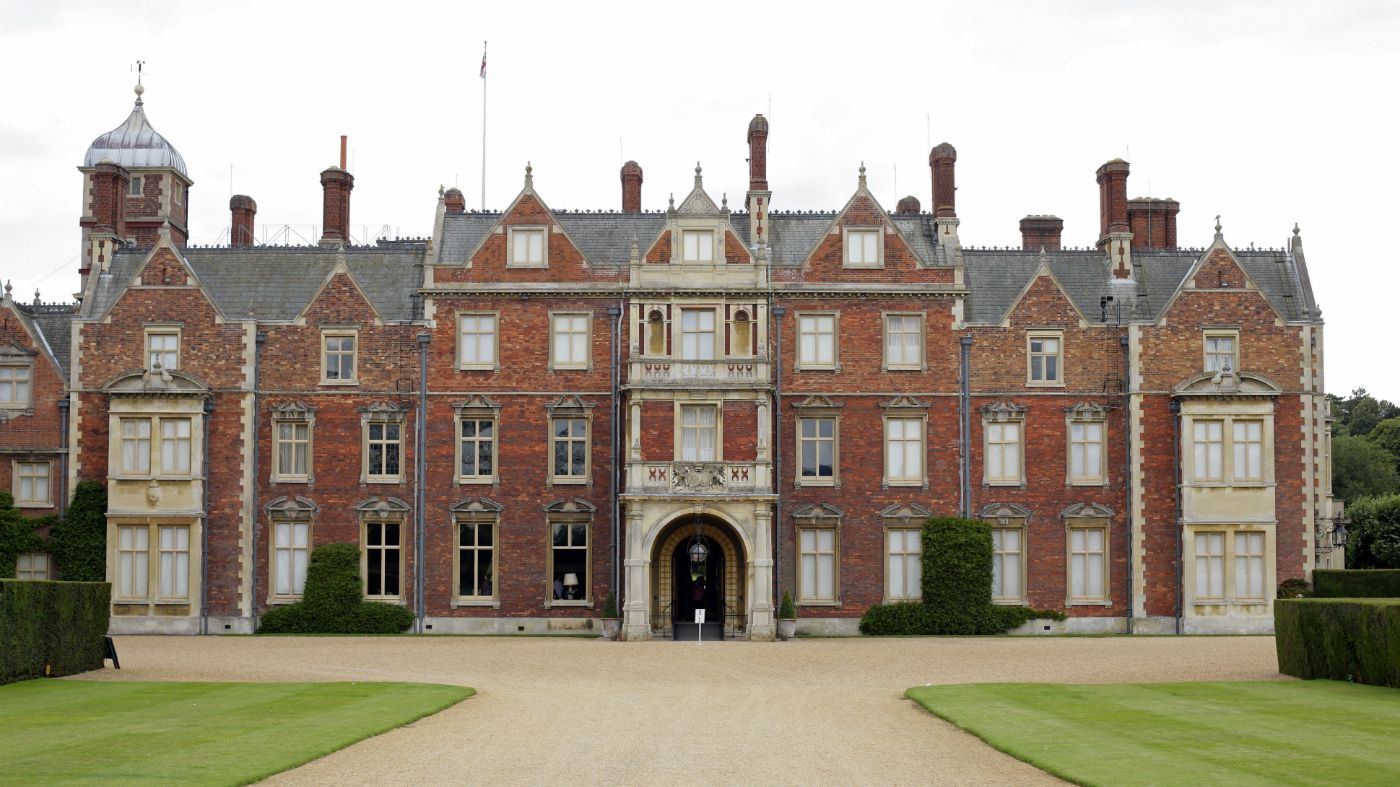
Photo from https://cdn.mos.cms.futurecdn.net
A visit to Sandringham Estate gives you a glimpse into royal country life. This is where the Royal Family spends Christmas and holidays—and yes, parts of it are open to the public. You can tour the grand house, wander through beautifully kept gardens, and browse the museum packed with royal memorabilia. There’s also a lovely café and gift shop if you fancy tea and a souvenir. Whether you’re into royalty or just appreciate a well-kept estate, Sandringham is a relaxing and elegant addition to your day.
For inquiries or more details, contact us below:
- Address: Sandringham Estate, Sandringham PE35 6EN, United Kingdom
- Phone: 01485 544 112
- Website: https://sandringhamestate.co.uk/
- Opening Hours: Open from 10:00am – 4:00pm
- Admission Fee: Adult £25 while Blue Light Card £22.50
3. Get Lost in Nature at Thetford Forest

Photo from https://www.forestryengland.uk
Craving a bit of fresh air and adventure? Thetford Forest is the place to go. It’s one of the largest lowland forests in England and it’s perfect for families, walkers, and cyclists.
There are trails for all levels—whether you want a gentle stroll or a full-on bike ride. Kids will love the play areas, and nature lovers can keep an eye out for birds and wildlife. It’s a breath of fresh air—literally—and a fun way to stretch your legs after exploring historic halls and gardens.
For inquiries or more details, contact us below:
- Address: Thetford Forest Brandon, United Kingdom
- Phone: 0300 067 4500
- Email: enquiries.eastfd@forestryengland.uk
- Website: https://www.forestryengland.uk/thetford-forest
- Opening Hours: Open every day from dawn until dusk.
- Admission Fee: Site entry is charged based on the time a car is parked at £3.20 per hour per car.
Final Thoughts: Where History and Heart Meet
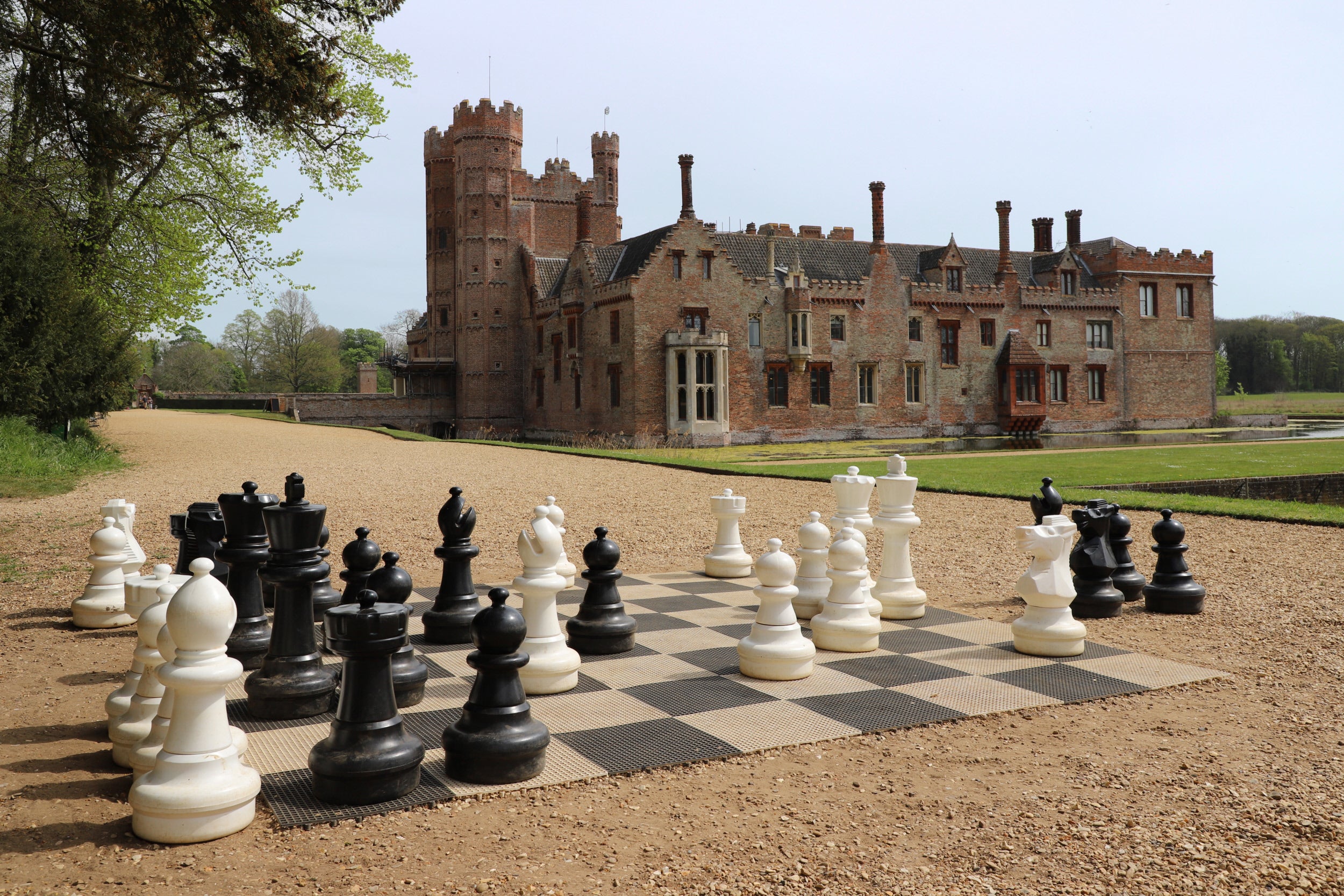
Photo from https://nt.global.ssl.fastly.net
An Oxburgh Estate visit isn’t just about ticking off another historic site. It’s about stepping into a story—a quiet, powerful one that lingers long after you leave. With its striking moat, warm red brick, and centuries of family history, this Tudor treasure invites you to slow down and truly take it all in. Whether you’re wandering through blooming gardens, discovering hidden priest holes, or soaking in views from the towers, every moment feels like a brush with the past. And yet, there’s something very present and alive about it all.
Compared to other England castles, Oxburgh doesn’t shout for attention. It whispers—and that’s what makes it unforgettable. It’s the kind of place that captures your imagination and soothes your soul at the same time. So if you’re craving a blend of beauty, history, and heart, Oxburgh isn’t just worth the trip—it’s a place you’ll want to return to again and again.
Frequently Asked Questions About Visiting Oxburgh Estate
What is Oxburgh Estate known for?
Oxburgh Estate is famous for its moated Tudor manor house, rich Catholic recusant history, and beautiful gardens. It also features a rare priest hole and needlework panels linked to Mary, Queen of Scots.
Are guided tours available at Oxburgh Estate?
Yes! Friendly guides often lead free tours that bring the estate’s history to life. Availability may vary, so ask at the entrance when you arrive.
Can I bring my dog to Oxburgh Estate?
Dogs are welcome in the gardens and parkland if kept on a lead. However, they are not allowed inside the house itself.
Is Oxburgh Estate accessible for wheelchairs and strollers?
The gardens and much of the ground floor are accessible, but upper levels and the priest hole have limited access due to steep stairs and historic architecture.
What’s the best time of year to visit Oxburgh Estate?
Each season offers something special, but spring and autumn are especially beautiful—think blooming gardens or golden foliage. Summer is great for family visits and longer daylight.